
Chronic Pancreatitis
|Common Symptoms
Clinical description:
Distension and fullness in the epigastrium and abdomen; pain in one or both flanks, with tenderness on pressure. The pain is often associated with emotional distress and may ease after belching or passing gas. Irritability, poor appetite, and stools that may be either dry or loose; a dusky tongue with a thin coating; a wiry, thin, or possibly choppy and rapid pulse.
In plain language:
- The upper abdomen and belly feel full, tight, and uncomfortable, as if under pressure; moving around may not bring much relief.
- Pain may occur below the ribs on one or both sides. It feels more uncomfortable when pressed, and you may not want the area touched.
- The pain often worsens when you feel down or emotionally unsettled.
- The pain and feeling of fullness may ease somewhat after belching or passing gas.
- Your mood may shift between feeling happy and irritable. You may also have a poor appetite, eat less, or have little interest in food.
- Stools may sometimes be hard and sometimes loose, with an irregular bowel pattern.
- The tongue may look somewhat dusky, with only a thin coating on its surface.
- The pulse may feel taut, like a stretched string, or thin. It may also feel uneven or choppy, or faster than usual.
|Treatment Approach
Clinical description:
Soothe the Liver and relieve constraint; regulate qi and ease pain.
In plain language:
- Support the smooth flow of Liver qi and relieve constraint, which may help ease fullness in the chest and flanks, low mood, or frequent sighing.
- Help regulate the flow of qi, which may help ease upper abdominal fullness, difficulty belching, or a sensation of pressure in the stomach area.
- Help relieve pain, such as pain in the chest and flanks, dull abdominal pain, or a sensation of pressure in the head and face.
|Related Products
The products below are provided for informational purposes only and do not constitute medical advice or a prescription. Refer to the packaging and product information, and use under the guidance of a doctor or pharmacist.


|Common Symptoms
Clinical description:
Distension and pain in the epigastrium and flanks, dry or bitter taste in the mouth, feeling hot, poor appetite, and fatigue. Jaundice may occur; constipation and scanty, dark urine; a thick, yellow, greasy tongue coating; a wiry, rapid pulse.
In plain language:
- The upper abdomen and both sides below the ribs feel distended and painful, as if under pressure. Pressing or moving may make the discomfort more noticeable.
- Your mouth feels dry and tastes bitter; the dryness and bitterness may be noticeable when speaking or swallowing.
- You feel hot and uncomfortable, as if heat is rising through your body.
- You may have a poor appetite and feel easily fatigued or low in energy.
- Yellowing of the skin and whites of the eyes may occur.
- Stools may be hard and difficult to pass, making bowel movements uncomfortable.
- Urine may be dark yellow and scanty, rather than clear and plentiful.
- The tongue may have a thick, yellow, greasy coating.
- The pulse may feel taut, like a stretched string, and faster than usual.
|Treatment Approach
Clinical description:
Soothe the Liver and promote bile flow; clear heat and promote the elimination of dampness.
In plain language:
- Support the smooth flow of Liver qi and bile, which may help ease pain and distension below the ribs, a bitter taste or dry throat, or yellowing of the eyes and skin.
- Help clear internal heat and promote the elimination of dampness, which may help ease feeling feverish or irritable, a heavy sensation in the body, scanty dark urine, or a thick, greasy tongue coating.
|Related Products
The products below are provided for informational purposes only and do not constitute medical advice or a prescription. Refer to the packaging and product information, and use under the guidance of a doctor or pharmacist.

|Common Symptoms
Clinical description:
Abdominal distension and pain with tenderness on pressure; a sensation of fullness and blockage in the epigastrium; nausea and vomiting; dry mouth; constipation; a red tongue with a yellow, dry coating; a slippery, rapid pulse.
In plain language:
- Your abdomen is noticeably distended and painful. Pressing it may make the pain worse, and you may not want the area touched.
- The upper abdomen may feel blocked, tight, and uncomfortable, as if something is preventing it from moving freely.
- You may feel nauseated and want to vomit; in more severe cases, vomiting may occur.
- Your mouth may feel dry, including when speaking or swallowing, and drinking water may provide some relief.
- Stools may be hard and difficult to pass, making bowel movements strenuous or incomplete.
- The tongue may look noticeably red.
- The tongue coating may be yellow and dry, and the tongue surface may appear parched.
- The pulse may feel smooth and slippery, as well as faster than usual.
|Treatment Approach
Clinical description:
Clear heat and resolve dampness; unblock the bowels and promote downward movement.
In plain language:
- Help clear internal heat and resolve dampness, which may help ease feeling feverish or irritable, a bitter taste and poor appetite, chest tightness, abdominal distension, or a thick, greasy tongue coating.
- Help regulate the movement of qi and encourage it to move downward, which may help ease fullness in the upper abdomen, difficulty belching, or a sensation of pressure in the abdomen.
- Help promote bowel movements and the passage of accumulated waste, which may help ease constipation, abdominal distension and pain, or straining to pass stool.
|Related Products
The products below are provided for informational purposes only and do not constitute medical advice or a prescription. Refer to the packaging and product information, and use under the guidance of a doctor or pharmacist.

|Common Symptoms
Clinical description:
Pain in the chest, flanks, and abdomen, fixed in location and tender to pressure, with a stabbing quality. A mass may be felt in the upper abdomen, with marked tenderness. The complexion may be pale or dull; fatigue, low energy, and reluctance to speak; a pale, dusky tongue or purple spots; a deep, choppy pulse.
In plain language:
- You may have pain in the chest, below the ribs, or in the abdomen. The pain stays in one place, worsens when pressed, and may feel sharp, like a needle prick.
- A lump may be felt in the upper abdomen and may be very tender even with light pressure.
- Your face may look pale or dull, with a generally unhealthy-looking complexion.
- You may tire easily and feel weak, needing to rest after doing a small amount of activity.
- You may not feel like talking, may feel slightly short of breath, or may speak in a quiet, weak voice.
- The tongue may be pale and dusky, or have small purple spots that resemble bruises.
- The pulse may feel deep and uneven, with a choppy quality and reduced strength.
|Treatment Approach
Clinical description:
Promote blood circulation and resolve blood stasis; regulate qi and ease pain.
In plain language:
- Help promote blood flow and address blood stasis, which may help ease purplish bruises, localized swelling or hardness, or irregular menstrual flow.
- Help regulate the flow of qi and relieve stagnation, which may help ease fullness in the chest and flanks, upper abdominal discomfort, or difficulty belching.
- Help relieve pain, including fixed, stabbing pain, joint pain, or persistent dull pain.
|Related Products
The products below are provided for informational purposes only and do not constitute medical advice or a prescription. Refer to the packaging and product information, and use under the guidance of a doctor or pharmacist.
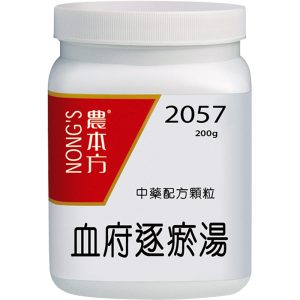
|Common Symptoms
Clinical description:
Fatigue and weakness, poor appetite, epigastric and abdominal distension and fullness with bowel rumbling, food appearing undigested in the stool, and a marked increase in bowel movements after eating even a small amount of greasy food. Loose stools, a sallow complexion, weight loss, a thick, greasy tongue coating, and a moderate or weak pulse.
In plain language:
- You may feel tired and weak, lack motivation for activities, and get only limited relief from resting.
- You may have a poor appetite, little interest in food, and eat less than usual.
- The upper abdomen may feel full and distended, with rumbling or gurgling sounds in the intestines.
- Food may not seem to digest well, and pieces of undigested food may be visible in the stool.
- Even a small amount of greasy food may noticeably increase the number of bowel movements.
- Stools may be loose, soft, or watery, and may not hold their shape; diarrhea may occur.
- Your face may look yellowish and dull, with a sallow complexion.
- You may gradually lose weight and appear thinner or weaker than before.
- The tongue coating may be thick and greasy.
- The pulse may feel slow and steady or weak, with reduced strength under pressure.
|Treatment Approach
Clinical description:
Strengthen the Spleen and regulate qi.
In plain language:
- Help support Spleen and Stomach function and digestion, which may help ease poor appetite, abdominal bloating, loose stools, or fatigue and weakness.
- Help regulate the flow of qi and relieve stagnation, which may help ease chest tightness, distension below the ribs, difficulty belching, or abdominal distension and pain.
- Support the coordinated movement of qi in the Spleen and Stomach and digestion and absorption, with the aim of gradually improving overall energy and stamina.
|Related Products
The products below are provided for informational purposes only and do not constitute medical advice or a prescription. Refer to the packaging and product information, and use under the guidance of a doctor or pharmacist.


