
What is Niuhuang? Introduction to Medicinal Parts, Identification Methods and Common Formulas
In traditional Chinese medicine (TCM), Niuhuang (cow bezoar) has long been regarded as a valuable and distinctive medicinal substance. Many overseas Chinese and those interested in Chinese medicine may have heard names like “Angong Niuhuang Wan” or “Niuhuang Qingxin Wan,” yet know little about Niuhuang itself.
What exactly is Niuhuang? Where does it come from? What are the differences between natural and artificial Niuhuang? This article addresses these common questions, providing a relatively comprehensive overview covering identification features, medicinal parts, traditional understanding, modern research, and common formulas.
What does Niuhuang look like? How to identify it?
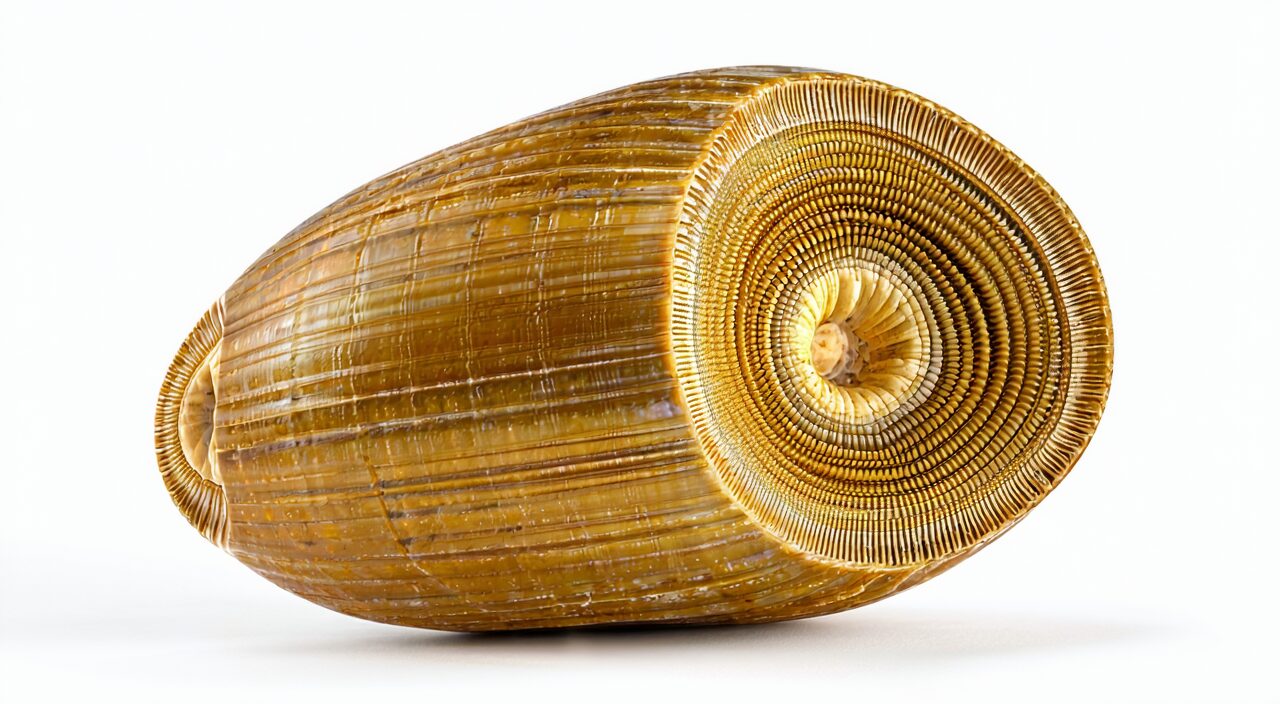
Niuhuang is not a plant’s flower, leaf, or fruit, nor a fungus; it is a calculus that forms in the gallbladder or bile duct of cattle. Traditional experience provides detailed descriptions of natural Niuhuang’s appearance. The following features can serve as reference points for preliminary identification:
- Shape: Often oval, roundish, or irregularly spherical, sometimes tubular or in fragments.
- Size: Varies greatly, from the size of a bean to as large as a hen’s egg.
- Color and luster: Ranges from golden yellow and brownish yellow to reddish brown, with a fine texture and a slight luster.
- Cross-section features: When cut open, it often reveals fine, concentric laminations formed during slow deposition.
- Texture: Natural Niuhuang is light and brittle, easily broken, and when gently rubbed between the fingers it gives a sense of fine powder.
- Odor: It has a distinctive, slightly bitter fragrance that is not pungent even after prolonged smelling; folk descriptions often call it “fragrant, clean, and cooling.”
These characteristics are used experientially as reference points, but appearance alone cannot definitively determine authenticity; professional laboratory identification is still required.
What is the medicinal part of Niuhuang?
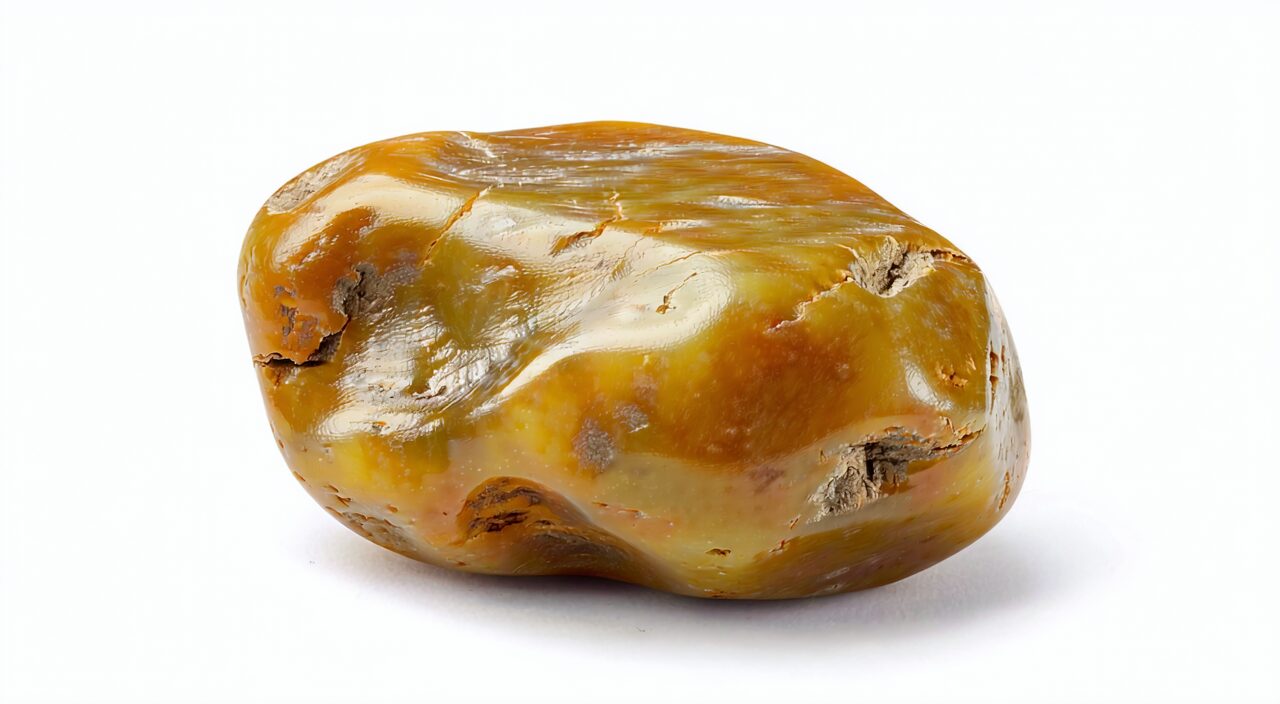
Many people assume Niuhuang is an organ or secretion of the ox, but in fact it is a pathological product. Specifically, the medicinal part is the dried stone that forms in the gallbladder or bile duct of bovines. When certain abnormalities occur in the bovine biliary system, components of bile deposit over time, and may gradually form stones.
Because the yield of natural Niuhuang is very low and collection is constrained by conditions, two other types have emerged in modern TCM applications. One is artificial Niuhuang, prepared from ingredients such as bovine bile powder, cholic acid, and porcine deoxycholic acid. The other is in vitro cultivated Niuhuang, produced through bioengineering techniques by mimicking the bovine gallbladder environment, using bovine bile powder as a base. These three types of Niuhuang differ significantly in source and composition, and therefore also differ in their uses, applicable directions, and relevant standards.
How does TCM understand Niuhuang?
TCM’s understanding of Niuhuang is not based on the pathology of gallstones, but on its properties and characteristics. Traditional theory holds that Niuhuang is cool in nature, sweet in taste, and enters the Heart and Liver meridians. Its application mainly revolves around the following aspects:
- Clearing the heart and opening the orifices: In the past, for conditions presenting with sudden collapse, unconsciousness, and difficulty speaking, the thinking was often based on the pattern of “heart orifice obstruction.” Niuhuang was one of the frequently mentioned medicinals for this.
- Cooling the liver and extinguishing wind: Within the concept of extreme heat generating wind, such as high fever accompanied by convulsions and irritability, traditional formulas sometimes included Niuhuang to cool the liver and extinguish wind.
- Clearing heat and resolving toxins: For sore throat, oral sores, boils, and carbuncles caused by exuberant heat toxin, ancient practitioners would add Niuhuang to corresponding formulas to clear heat and resolve toxins.
These understandings are based on traditional syndrome differentiation and are largely empirical summaries. Whether they are suitable for modern individuals depends on the specific constitution, presenting symptoms, and professional judgment; they cannot be applied simplistically.
What components and effects of Niuhuang have modern research focused on?
Modern chemical research on Niuhuang has mainly concentrated on bilirubin, bile acids, taurine, and trace metal elements. Among these, bilirubin and bile acid constituents are present in relatively high amounts in natural Niuhuang and serve as important reference indicators for evaluating its quality.
In laboratory studies, some teams have observed that Niuhuang extracts have certain modulatory effects on some inflammatory factors and may also influence the central nervous system. Additionally, preliminary explorations into Niuhuang’s antipyretic, sedative, and anticonvulsant effects have been reported. However, most of these studies are still at a basic stage and are far from forming clear consensus for clinical application. Therefore, in the modern medical system, Niuhuang is more of a potential research direction and cannot replace conventional treatment.
What are the differences between natural, artificial, and in vitro cultivated Niuhuang?
The most fundamental difference among these three lies in their source, which results in significant differences in composition, yield, and price.
| Type | Source | Main Features |
|---|---|---|
| Natural Niuhuang | Dried stones naturally formed in the bovine gallbladder or bile duct | Rare yield, uncontrollable collection, relatively high price; higher content of bilirubin and bile acid constituents |
| Artificial Niuhuang | Artificially formulated from bovine bile powder, cholic acid, porcine deoxycholic acid, etc. | Stable supply, lower cost, currently the most widely used type; composition differs from natural Niuhuang |
| In vitro cultivated Niuhuang | Cultivated using bioengineering techniques under conditions simulating the bovine gallbladder environment | The production process more closely follows biosynthetic pathways; composition and structure are more similar to natural Niuhuang than artificial Niuhuang is |
Precisely because of these differences in source and composition, the three types of Niuhuang have their own positions when used in Chinese patent medicines and cannot be arbitrarily substituted for one another. For example, some traditional famous formulas containing Niuhuang were originally intended to use natural Niuhuang; in modern production, artificial or in vitro cultivated Niuhuang may be used depending on the circumstances, but the corresponding standards will differ. If users choose products containing Niuhuang on their own, they should pay particular attention to the type of Niuhuang labeled in the instructions and make decisions based on their own condition and professional advice.
Which formulas use Niuhuang?
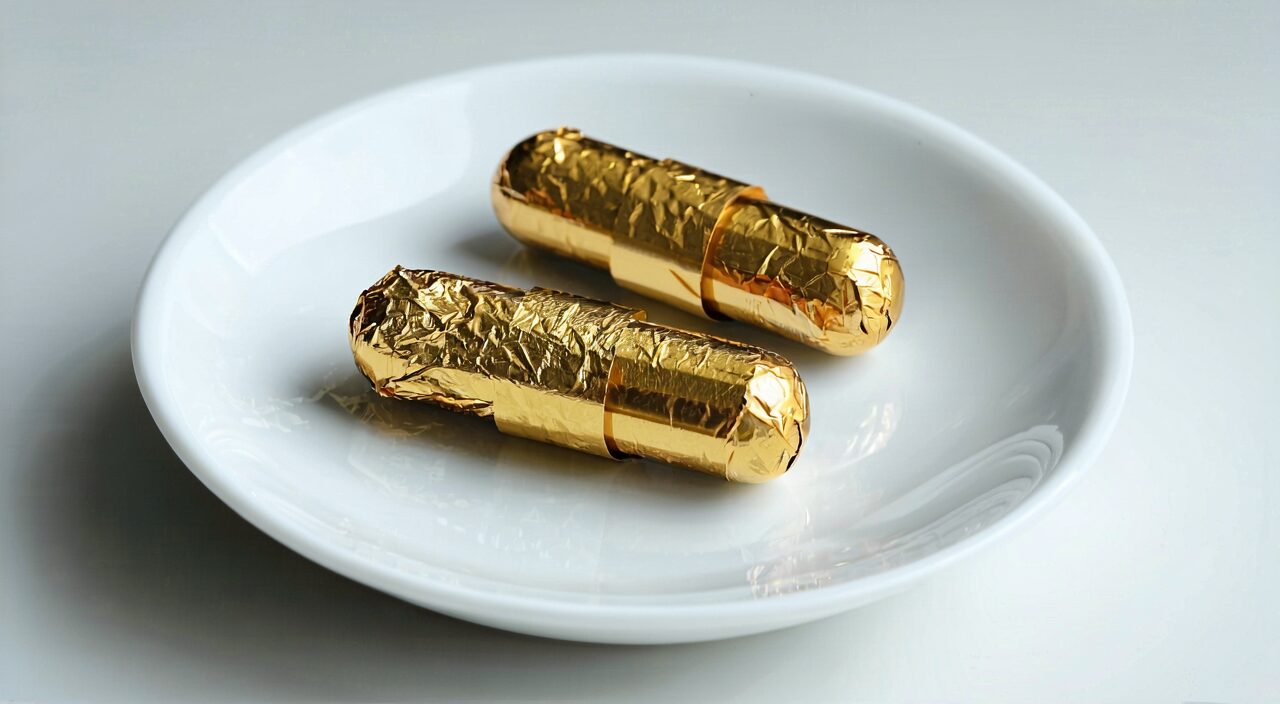
Chinese patent formulas involving Niuhuang occupy a certain place in the history of TCM. The following formulas are commonly mentioned and can serve as references for traditional medicinal thinking.
- Angong Niuhuang Wan (安宫牛黄丸, Peaceful Palace Bovine Bezoar Pill): This is a traditional formula for emergency care in TCM, in which natural Niuhuang holds an important position. Traditionally, it has been used mainly for some acute and severe states presenting with high fever, loss of consciousness, and difficulty speaking, but it is not a daily health tonic and especially unsuitable as a preventive supplement.
- Niuhuang Qingxin Wan (牛黄清心丸, Bovine Bezoar Heart-Clearing Pill): Multiple versions have evolved over the dynasties, and the common formula also contains Niuhuang. This formula has often been used in traditional syndrome differentiation for vexing heat in the heart, insomnia with profuse dreaming, and dizziness, but whether it is suitable depends on individual constitution and symptom correspondence.
- Niuhuang Jiedu Wan (牛黄解毒丸, Bovine Bezoar Toxin-Resolving Pill): With clearing heat and resolving toxins as its main approach, it is commonly used for sore throat, swollen and painful gums, and oral sores when differentiated as “fire toxin attacking the upper body” in TCM. However, these formulas are bitter and cold in nature and should not be taken long-term without professional guidance.
- Zhibao Dan (至宝丹, Greatest Treasure Elixir): Also a TCM emergency formula, it belongs to the same “cool-opening” traditional treatment strategy as Angong Niuhuang Wan, and is mainly used for mental abnormalities caused by phlegm-heat blocking internally. Such formulas are used very cautiously in modern clinical practice.
The applicable directions of these formulas or patent medicines are all based on traditional experience. Users should not choose them on their own based only on symptoms, and especially should not regard them as daily health products.
What precautions should be taken when using Niuhuang?
The effects of Niuhuang are clearly directed, and caution is required. The following points deserve particular attention:
- Niuhuang should not be used casually as a daily health supplement. Whether natural or artificial Niuhuang, its use should only be considered under a clear syndrome differentiation prerequisite.
- Pregnant or breastfeeding women, infants and young children, and elderly or debilitated individuals should not use products containing Niuhuang on their own without professional guidance.
- Niuhuang is cool in nature. If one has spleen-stomach deficiency cold, is prone to diarrhea, or has a poor appetite, using it may aggravate discomfort.
- For sudden, severe symptoms such as loss of consciousness, intense headache, persistent high fever, chest pain or tightness, or difficulty breathing, seek medical attention immediately and do not rely on formulas containing Niuhuang to self-manage.
- Any decision about whether and how to use it should be based on evaluation by a professional TCM practitioner or physician. It is recommended that before using any Chinese patent medicine containing Niuhuang, one carefully read the product instructions and communicate thoroughly with a professional, considering one’s own constitution and symptom characteristics.
Summary
Niuhuang is a traditional Chinese medicine with a special source and careful usage requirements. Understanding its basic features, medicinal parts, and the differences between natural and artificial types helps to view related products more rationally.
Although formulas mentioned in this article, such as Angong Niuhuang Wan and Niuhuang Qingxin Wan, have held a certain status historically, their applications are strictly limited. Modern individuals should not keep them as household standbys or choose them on their own. This article is for informational reference only and cannot replace professional diagnosis or treatment advice. If in doubt, consult a doctor or pharmacist.