
What Is American Ginseng? Medicinal Parts, Identification Methods, and Common Formulas
For overseas friends who are just beginning to explore Chinese herbs, the name ‘American ginseng’ often appears in discussions about wellness and health restoration. Many people wonder what it actually looks like, how it differs from the more familiar ginseng, and in which situations it is used. This article addresses these questions by clarifying the origin, physical characteristics, traditional understanding, and common pairing ideas of American ginseng, helping you form a relatively complete impression.
What Does American Ginseng Look Like? How to Identify It?
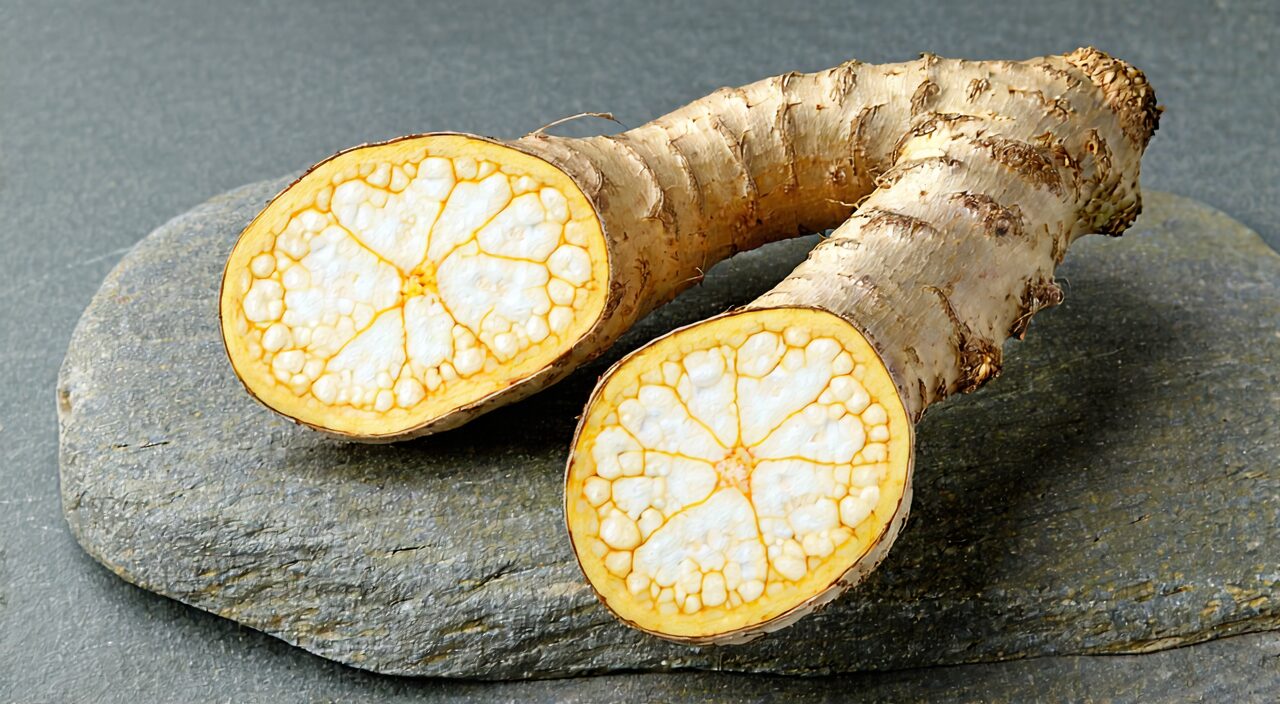
The American ginseng seen on the market is mostly the dried root, which is relatively hard and has a certain weight in the hand. Its appearance is distinctive and can be identified from the following aspects.
Overall Shape
- The main root is usually short cylindrical or slightly spindle-shaped, tapering at both ends and thicker in the middle.
- The surface color is generally light yellowish-brown or earth yellow, not very uniform.
- There are fairly obvious transverse ring marks that are fine, dense, and natural—a very intuitive feature for identifying American ginseng.
- The surface also has slender longitudinal wrinkles and small dot-like root scars left after the fibrous roots fall off.
Cross-Section Characteristics
- When cut or broken, the cross-section is generally relatively flat and the color tends to be yellowish-white.
- Near the margin, a ring of slightly darker cambium may sometimes be seen, and the center has fine radial striations.
- Good-quality American ginseng will show a slight pale yellow luster when the cut surface meets light.
Smell and Taste
- It has a special, light, refreshing fragrance that is not strong and is distinctly different from the aroma of ginseng.
- When chewed or held in the mouth for a moment, it first tastes slightly bitter but quickly turns sweet with a cooling sensation in the throat. The whole mouth feels refreshed and it does not produce the warm, drying sensation that ginseng often does.
These subtle taste differences are a practical reference for distinguishing American ginseng from ginseng.
What Is the Medicinal Part of American Ginseng?
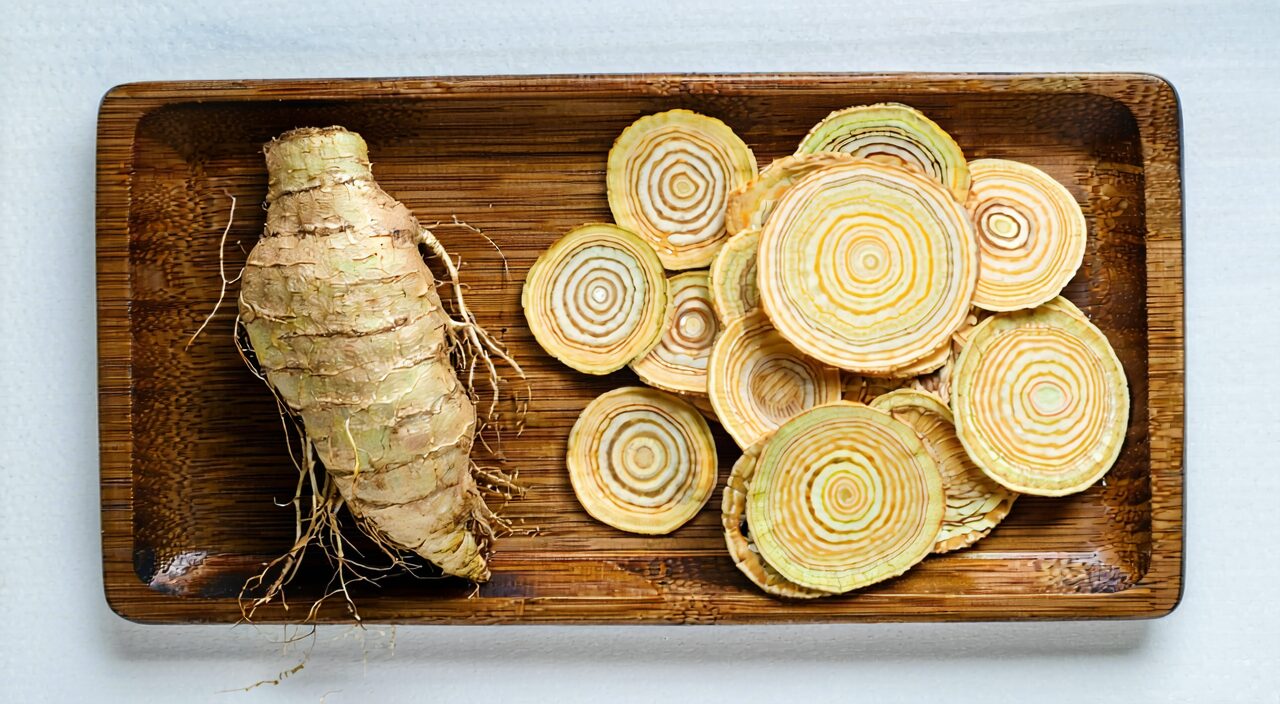
The medicinal part of American ginseng is its root. In traditional use, roots that have grown for about three to six years are typically selected. After being dug up during the harvest season, the aerial parts and fibrous roots are removed, the root is cleaned, and then it is dried and processed. Due to different processing methods, several common medicinal material or decoction piece forms can be seen on the market:
- Whole American ginseng: Preserves the original shape of the main root, sometimes with some thicker lateral roots attached. It has a complete appearance and is easy to identify.
- American ginseng slices: The main root is cut crosswise into thin slices and dried, making it convenient for daily use in steeping, holding in the mouth, or making soup. The cross-section features are more visible after slicing, with ring marks and radial striations clear at a glance.
- American ginseng powder or buccal tablets: Coarsely ground American ginseng powder or compressed American ginseng buccal tablets are further processed product forms that are relatively convenient to carry and use.
Understanding the medicinal part and these common forms helps you know which part of American ginseng you are dealing with when purchasing or using it, and also helps you better understand the traditional application methods mentioned later.
How Does Traditional Chinese Medicine Understand American Ginseng?
Traditional Chinese medicine’s understanding of American ginseng mainly centers on the core concepts of ‘nature, taste, and meridian tropism’ and ‘tonifying qi and nourishing yin’.
In terms of nature and taste, American ginseng is usually described as sweet and slightly bitter, with a cool nature. This differs from ginseng, which is sweet and slightly bitter but tends to be warm, and this determines the difference in their usage directions. American ginseng mainly enters the heart, lung, and kidney meridians. Traditionally, it is often used for patterns where there is dual deficiency of qi and yin accompanied by deficiency heat.
In terms of therapeutic approach, American ginseng is commonly used to tonify qi and nourish yin, and to clear heat and generate fluids. For example, when a person feels fatigue and lack of strength, speaks with a weak voice, and also experiences dry mouth, heat in the palms, or mild irritability, it is traditionally considered a sign of qi and yin deficiency with upward disturbance of deficiency fire. The cool nature of American ginseng allows it to supplement the body’s needed qi while avoiding the discomfort caused by warmth and dryness.
In cases of prolonged illness with debility and low-grade fever accompanied by thirst following long-term fever, American ginseng is also frequently considered as a reference approach to help restore fluids and physical strength.
It must be emphasized that these are all traditional Chinese medicine pattern-based applications; not everyone who feels tired and has a dry mouth is suitable for American ginseng. Whether it is appropriate must be determined by a comprehensive evaluation of the tongue appearance, pulse pattern, and other symptoms, ideally assessed by an experienced Chinese medicine practitioner.
What Components and Effects of American Ginseng Are Studied in Modern Research?
In modern research, the components of American ginseng that attract attention are mainly ginsenosides, as well as polysaccharides, amino acids, and volatile oils. Among them, ginsenosides such as Rb1 and Re found in American ginseng have shown various activities in laboratory studies, including antioxidant effects and modulation of immune responses.
Some animal and cell experiments have found that certain ginsenosides in American ginseng may have regulatory effects on the central nervous system, show prolonged exercise time in anti-fatigue tests, and there is also research focusing on its potential impact on blood glucose and lipid metabolism.
However, these studies are currently mainly at the stages of component analysis and animal experiments. They can provide us with some modern perspectives for understanding American ginseng, but laboratory conclusions cannot be simply equated with definite effects in the human body after consumption. The human internal environment is far more complex than the experimental setting, and individual differences are significant. Interpretation of these studies requires a scientific and cautious attitude.
What Are the Differences Between American Ginseng and Similar Herbs?
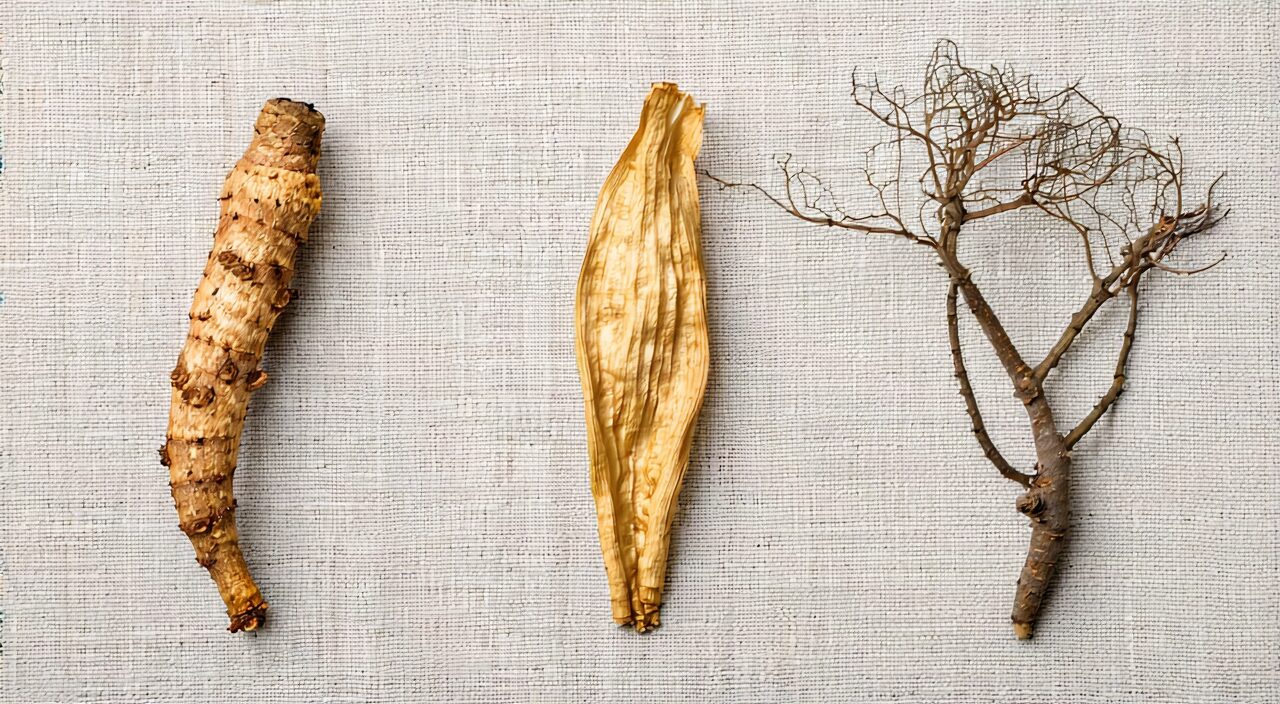
The herb most easily confused with American ginseng is ginseng; in addition, pseudostellaria root (Tai Zi Shen) is also often compared. The following table distinguishes these three herbs in several key aspects.
| Comparison Dimension | Ginseng | American Ginseng | Pseudostellaria Root |
|---|---|---|---|
| Origin / Production Area | Mainly produced in Northeast China and the Korean Peninsula | Originally from North America | Different from the above two, having a different origin |
| Main Root Shape | Cylindrical or branched, shape is more complex | Short cylindrical or spindle-shaped, with prominent transverse ring marks | Slender spindle-shaped, noticeably smaller in size |
| Surface Color | Tends to be yellow or dark yellow | Light yellowish-brown or earth yellow | Yellowish-white |
| Cross-Section Features | Pale yellowish-white, cambium ring darker in color | Tends to be yellowish-white, relatively fine, with faint radial striations | Flat, slightly sweet taste |
| Smell and Taste | Rich medicinal aroma, sweet and slightly bitter taste, distinctly warming sensation | Fresh and fragrant, bitter then sweet with a cooling sensation | Mildly sweet smell and taste, neutral nature |
| Traditional Application Direction | Powerfully tonifies original qi, tonifies the spleen and lungs, tends to be warm-natured and tonifying, more suitable for those with severe qi deficiency and a cold constitution | Tonifies qi and nourishes yin, clears heat and generates fluids, tends to be cool-natured and tonifying, more suitable for dual deficiency of qi and yin with deficiency heat | Has a mild qi-tonifying effect, gentle and non-drying, mostly used for mild qi deficiency or in children and the elderly/weak |
In simple terms, ginseng tends to be warm and tonifying, American ginseng tends to be cool and tonifying, and pseudostellaria root is even gentler in its action. These three herbs cannot be used as substitutes for each other. The choice needs to be made based on specific constitutional manifestations.
Which Formulas Use American Ginseng?
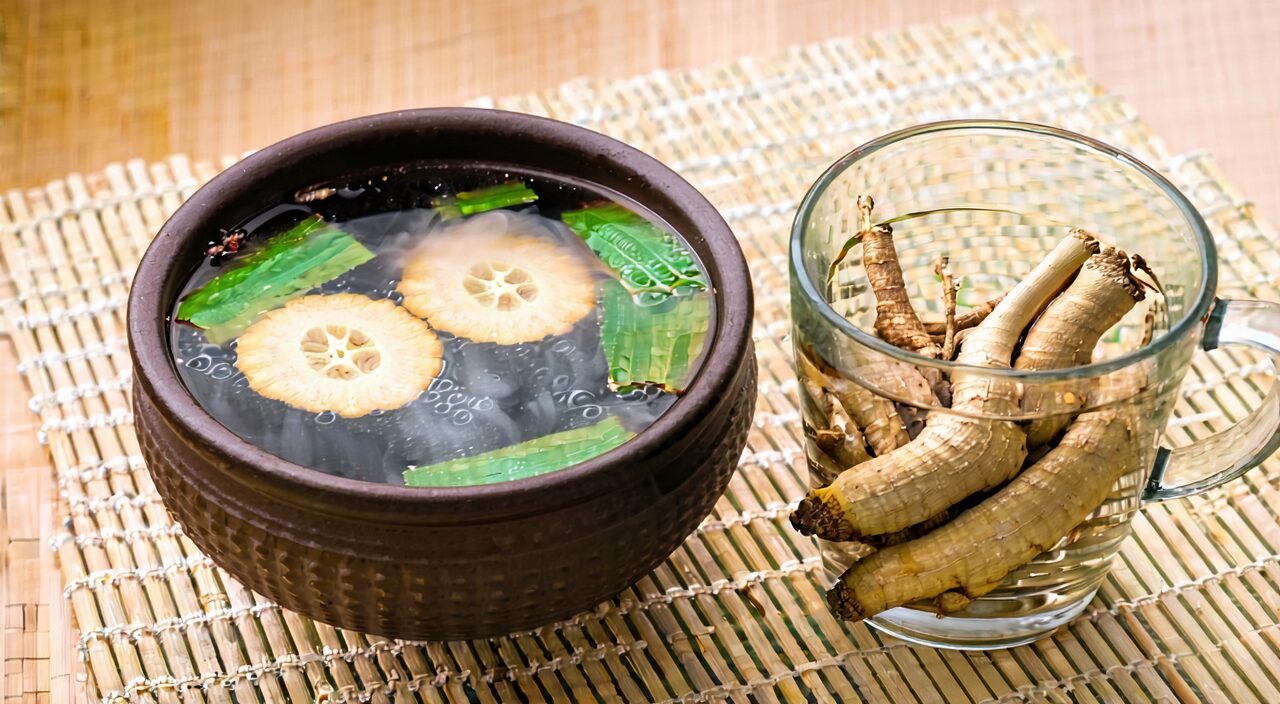
American ginseng appears as an important component in some traditional formulas. Here we introduce several common pairing directions to help readers understand the traditional role of American ginseng in formulas.
Qing Shu Yi Qi Tang is a relatively classic formula traditionally used for situations where summer heat damages fluids and leads to dual deficiency of qi and yin. When a person sweats heavily due to summer heat and experiences symptoms like body heat, irritability, thirst, limb weakness, and scanty dark urine, this type of formula is often considered as a reference approach. In the formula, American ginseng is combined with dendrobium and ophiopogon, etc., focusing on tonifying qi and nourishing yin, clearing heat, and generating fluids to help restore the qi and fluids damaged by summer heat.
Daily steeping or holding in the mouth is also a very common method. This approach is relatively simple and is usually suitable for people with qi and yin deficiency without heavy deficiency heat. For example, those who talk a lot and stay up late, and then feel dry mouth and throat with a low, weak voice, may use American ginseng slices steeped in water as a tea, or hold a few slices directly in the mouth, allowing the medicinal properties to be slowly released. However, even such a gentle method is not suitable for long-term uninterrupted use, and is even less appropriate for people with spleen and stomach deficiency cold who are prone to diarrhea.
In addition, American ginseng buccal tablets are available on the market. Traditionally used as a convenient form for holding in the mouth, they retain the cooling and tonifying characteristics of American ginseng and are suitable for temporarily replenishing energy and relieving dry mouth. It is worth noting that although these tablets are convenient, they should not be treated as everyday snacks. Especially if there are no obvious signs of qi and yin dual deficiency, frequent use may instead bring unnecessary cold burden to the body.
These formulas and usage methods merely show part of the role of American ginseng in traditional Chinese medicine. For individual use, selection should still be made under professional guidance.
What Precautions Should Be Taken When Using American Ginseng?
Although American ginseng is mentioned in many health and wellness contexts, it does not mean it is suitable for everyone. Certain limits should be observed in daily use.
- Those with spleen and stomach deficiency cold should be cautious: American ginseng is cool in nature. If you tend to feel cold easily, have a cold stomach, loose stools, or easily get stomach discomfort from cold food or drink, it is best to consult a Chinese medicine practitioner before considering the use of American ginseng. Do not try it on your own just because you heard it can tonify qi.
- Do not treat it as an everyday beverage or snack: American ginseng slices steeped in water or buccal tablets are still traditionally a medicinal substance and should be used purposefully when corresponding manifestations of qi and yin deficiency or deficiency heat are present. If there is no clear therapeutic goal, drinking plain water or light tea is safer, and it is not recommended to use buccal tablets frequently as a daily item.
- Pay attention to drug interactions: People who are taking other medications or have chronic diseases should consult a doctor or pharmacist before using American ginseng. Components in American ginseng may interact with other drugs, especially in cases involving anticoagulants, antidiabetic drugs, or antidepressants, where professional evaluation is even more necessary.
- Severe or persistent symptoms should seek medical attention promptly: If you experience severe or persistent fatigue, dry mouth, irritability, or symptoms accompanied by chest tightness, palpitations, noticeable weight loss, or persistent fever, do not attempt to self-medicate with American ginseng; instead, seek medical care promptly for a clear diagnosis.
Summary
American ginseng is a medicinal herb commonly used in traditional Chinese medicine to tonify qi and nourish yin, clear heat, and generate fluids. Its identification mainly focuses on the short cylindrical or spindle-shaped root, obvious transverse ring marks, yellowish-white cross-section, and slightly bitter taste that turns sweet. It differs significantly from ginseng and pseudostellaria root in origin, nature and taste, and suitable application directions, and should not be used interchangeably. When using American ginseng for daily steeping or holding in the mouth, judgment should also be based on individual constitution, especially for those with spleen and stomach deficiency cold or those taking medications—extra caution is needed. This article is for informational reference only and cannot replace professional diagnosis or treatment advice.