
What Is Cistanche? Medicinal Parts, Identification Methods, and Common Formulas
Cistanche, as a traditional tonic herb, often appears in various health-preserving formulas. Many people’s first impression of it comes from the nickname “desert ginseng.” But to truly understand what Cistanche is, what it looks like, and how it is used, we need to start with its source and basic knowledge. This article organizes its appearance identification, medicinal parts, traditional understanding, modern attention, and its role in common formulas, hoping to provide readers with a relatively complete reference framework.
What does Cistanche look like? How to identify it?
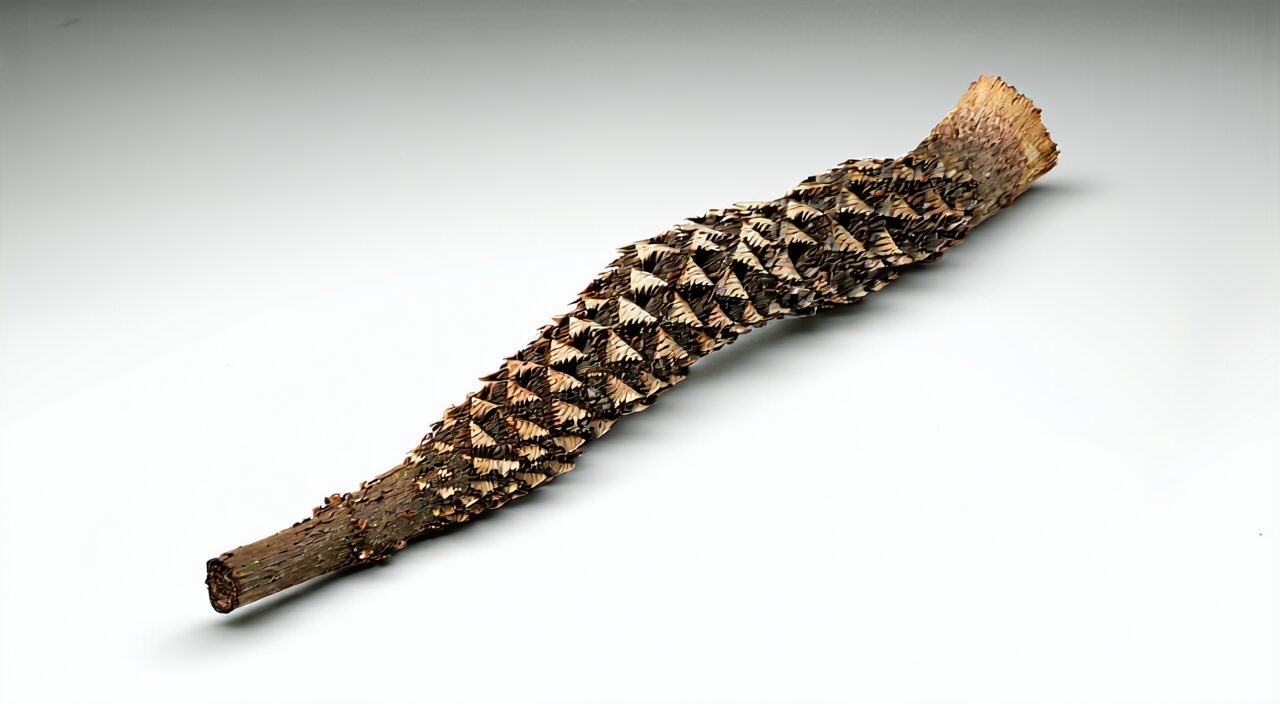
Cistanche in its commercial crude drug form is usually flat-cylindrical, fleshy, slightly curved, 10–30 cm long, and about 3–6 cm in diameter. The surface is brown or grayish-brown, densely covered with fleshy scale leaves arranged like roof tiles. These scale leaves are triangular or ovate-triangular, with the tips mostly broken off or shed, leaving fine dense rings.
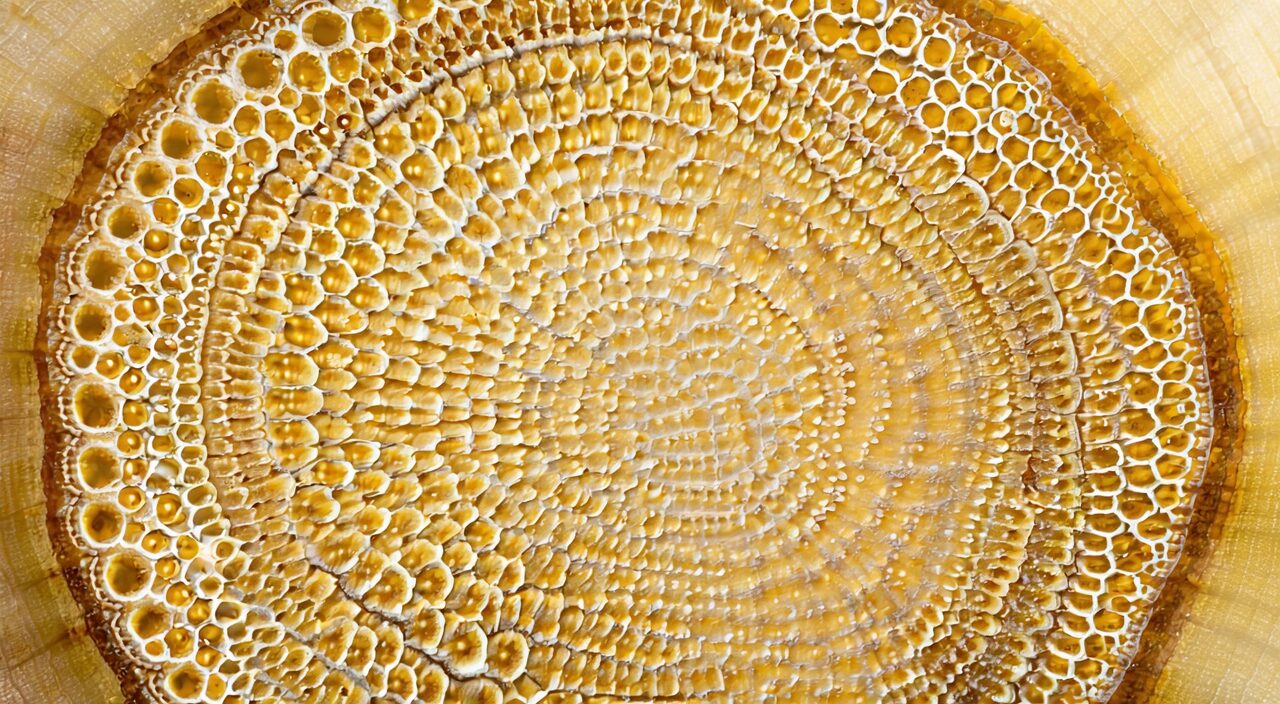
The texture is firm but somewhat tough, not easy to break. The cross-section is brownish or light brown, with dotted vascular bundles arranged in wavy rings. Sometimes light yellow or brownish-yellow fiber points are visible. According to traditional identification experience, good-quality Cistanche has an oily cross-section, deeper color, and a special slightly sweet odor.
If you see samples that are thin, with sparse scale leaves, or with a dry cross-section, they are likely of inferior quality or have been stored too long. In summary, the flat-cylindrical shape, dense scale leaves, brown outer skin, and oily cross-section are the main reference points for identifying Cistanche.
What are the medicinal parts of Cistanche?
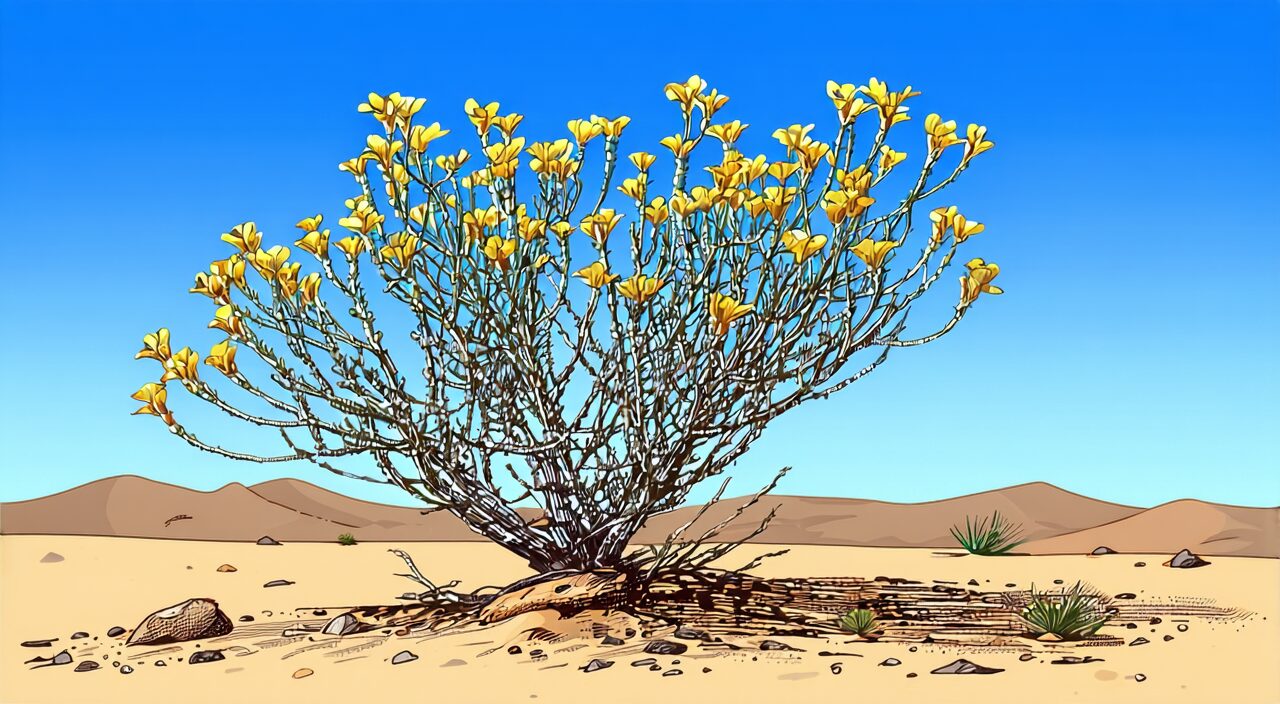
The medicinal part of Cistanche is the dried fleshy stem with scale leaves of Cistanche deserticola or Cistanche tubulosa (Orobanchaceae family). It is usually collected in spring when the plant just emerges from the ground, or in autumn when the stem is plump, after removing the inflorescence, sediment, and fibrous roots, then dried in the sun or soaked in brine and air-dried.
In the market, there are commonly “sweet Cistanche” and “salty Cistanche.” Sweet Cistanche is directly dried, preserving its original taste, while salty Cistanche is processed with salt, often showing salt efflorescence on the surface and requiring rinsing to remove salt before use. Prepared slices are mostly thick oblique cuts, showing the texture of the fleshy stem and remnants of scale leaves. Overall, the medicinal part is concentrated in the underground or near-ground stem, not the root or seeds.
How does traditional Chinese medicine understand Cistanche?
In traditional Chinese medicine thinking, Cistanche is often classified as a yang-tonifying or tonic herb. Its nature and flavor are mostly described as sweet, salty, and warm, entering the Kidney and Large Intestine meridians. Traditional texts often mention that it can “tonify kidney yang, benefit essence and blood, and moisten the intestines to promote bowel movements.”
“Tonifying kidney yang” mainly refers to providing a warming and nourishing effect for conditions related to kidney yang deficiency, such as soreness and weakness of the lower back and knees, aversion to cold, cold limbs, and lack of sexual drive. “Benefiting essence and blood” focuses on improving signs caused by essence and blood deficiency, such as a dull complexion, premature graying of hair, or scanty menstruation. “Moistening the intestines and promoting bowel movements” is mostly used for constipation due to old age, physical weakness, or essence-blood deficiency. This type of constipation often presents as dry hard stools without abdominal distension or hardness, making it suitable for moistening and easing defecation rather than strong purgation.
It should be noted that these understandings come from traditional experience and summaries in classical medical texts, not modern pharmacological conclusions. In actual use, it is necessary to consider the individual’s constitution and overall condition, and a professional should judge whether it is suitable.
What components and effects of Cistanche are modern research focusing on?
Modern research has isolated various active components from Cistanche, mainly including phenylethanoid glycosides (such as echinacoside and acteoside), iridoids, polysaccharides, amino acids, and trace elements.
In in vitro and animal studies, researchers have observed that these components may have antioxidant, immune-regulating, neuroprotective, and anti-aging effects on certain markers, and some studies have also explored their influence on intestinal peristalsis. However, most of these findings remain at the laboratory or animal model stage, and there is still a long way from component studies to reliable evidence for human application.
Therefore, from a popular science perspective, this information can be viewed as research trends and should not be directly equated with clinical efficacy or used as a basis for self-medication.
What is the difference between Cistanche and similar herbs?
Cistanche and Cynomorium are two herbs that look somewhat similar and have overlapping traditional uses, which can easily cause confusion. However, they come from different plants, and the key identification points differ.
Cynomorium is the dried fleshy stem of Cynomorium songaricum from the Cynomoriaceae family. It is mostly subcylindrical or slightly flattened, with a reddish-brown to brownish surface, obvious longitudinal grooves, and fine wrinkles. The texture is hard and not easily broken, and the cross-section appears somewhat granular, sometimes with small triangular vascular bundle points. Traditionally, Cynomorium focuses on tonifying yang, moistening dryness, and nourishing sinews, and is often used for impotence, weakness of the lower back and knees, and dry intestine constipation, but its emphasis on benefiting essence and blood differs from that of Cistanche.
Cistanche comes from the Orobanchaceae family, is more flat-cylindrical in shape, densely covered with scale leaves, and has an oily cross-section. It is traditionally emphasized as warming without being drying, and can also benefit essence and blood. Cynomorium’s yang-tonifying power is considered stronger and less gentle than that of Cistanche, with less mildness in its moistening and nourishing effect. Whether the two can be substituted in formulas should be decided based on the specific formula’s principles and the patient’s constitution; blind substitution is not recommended.
Which formulas include Cistanche?
Cistanche appears as one of the ingredients in many classic formulas, such as Jichuan Decoction, Rehmannia Drink, Cistanche Pill, and Cistanche Laxative Oral Liquid.
Jichuan Decoction comes from the Complete Works of Jingyue. The original formula uses Cistanche as the sovereign herb, combined with Angelica sinensis, Achyranthes bidentata, Aurantii Fructus, Alismatis Rhizoma, and Cimicifugae Rhizoma. It is traditionally used for constipation caused by kidney yang deficiency and essence-blood insufficiency, reflecting the approach of warming and moistening to promote bowel movements. In this formula, Cistanche mainly warms the kidney, benefits essence, and moistens the intestines to ease defecation.
Rehmannia Drink uses Cistanche together with prepared Rehmannia root, Morinda root, Cornus fruit, Dendrobium, etc. It is originally designed to “nourish kidney yin, tonify kidney yang, open the orifices, and resolve phlegm,” and is traditionally used for complex conditions such as lower body debilitation, loss of voice, and paralysis of the legs. In this formula, Cistanche assists in warming and tonifying kidney yang and replenishing essence and blood.
There are several versions of Cistanche Pill recorded in ancient texts, with slightly different compositions, but most combine Cistanche with Cuscuta seed, prepared Rehmannia, Chinese yam, etc., tending to tonify the liver and kidney, secure essence and reduce urination, or regulate menstruation. Cistanche Laxative Oral Liquid is a commonly used modern Chinese patent medicine with Cistanche as the main ingredient, used to assist in managing constipation due to old age, physical weakness, postpartum recovery, or post-illness weakness, traditionally taking advantage of its warming and moistening nature to facilitate bowel movements.
The specific compositions and applicable ranges of the above formulas or patent medicines vary. Whether they are suitable must be determined based on individual constitution, symptoms, and professional judgment; do not apply them on your own without guidance.
What precautions should be taken when using Cistanche?
Although Cistanche is considered warm and moistening in nature, it is not suitable for everyone. According to traditional experience, people with yin deficiency and fire hyperactivity should not use it indiscriminately. Such individuals often present with warm palms and soles, dry mouth and throat, night sweats, red tongue with little coating, etc. Using warm-tonifying substances may aggravate internal heat.
Those with loose stools, diarrhea, or internal damp-heat should also be cautious, as Cistanche’s intestine-moistening effect may make the stool even looser. In addition, excess-heat constipation (with abdominal distension, pain, bitter taste, and yellow tongue coating) should not be treated with Cistanche; this type of constipation requires clearing heat and unblocking the bowels rather than warming and moistening.
If the body is currently suffering from external contraction with fever, acute inflammation, or marked digestive dysfunction, the immediate problem should be addressed first, and tonic herbs should not be added without guidance. It is especially important to note that severe, long-term, or recurrent issues such as constipation, weak lower back and knees, or sexual dysfunction, particularly when accompanied by significant abdominal pain, weight loss, black stools, or marked low mood, require prompt medical evaluation to determine the cause; they cannot be managed merely with one or two herbs.
Summary
As a traditional herb characterized by warming and tonifying kidney yang, benefiting essence and blood, and moistening the intestines to ease defecation, Cistanche can be identified by its flat-cylindrical fleshy stem, dense scale leaves, and oily cross-section. Although it looks similar to Cynomorium, differences exist in their source, medicinal properties, and traditional emphases. Formulas containing Cistanche, such as Jichuan Decoction and Rehmannia Drink, each have specific combination intentions; it is not recommended to apply them on your own without considering constitution and symptoms. Before daily use, pay attention to unsuitable conditions such as yin deficiency with fire hyperactivity, loose stools, or damp-heat. If you have severe or persistent discomfort, consult a professional doctor.