
What Is Eclipta? Medicinal Parts, Identification, and Common Formulas
Eclipta (Mo Han Lian) is the dried aerial part of Eclipta prostrata L., a plant in the Asteraceae family. It is also called han lian cao or li chang cao. When its fresh stems and leaves are rubbed, they release an ink-like black juice, and the dried herb turns dark, resembling a lotus seed pod—hence the name “ink dry lotus” (Mo Han Lian). In traditional Chinese medicine, it is commonly classified as a yin-nourishing and blood-cooling herb, used for patterns related to liver-kidney yin deficiency and blood heat. Understanding the basics of this herb can be helpful for those interested in Chinese herbal medicine.
What does eclipta look like? How to identify it
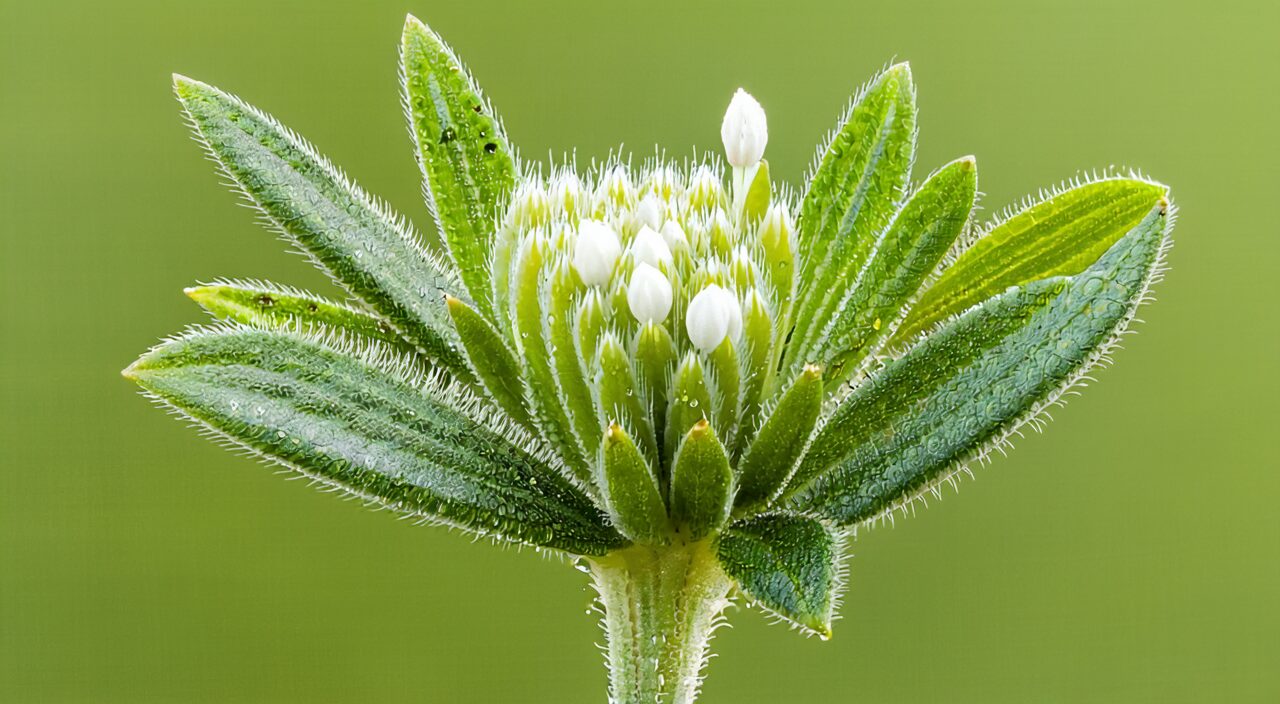
Eclipta is an annual herb, and the entire plant is covered with rough, appressed hairs that feel slightly scratchy. The stems are mostly cylindrical, with distinct longitudinal ridges. The base often creeps and produces adventitious roots at the nodes when touching the ground, while the upper part grows obliquely or erect. The leaves are opposite, sessile or shortly stalked, lanceolate to oblong-lanceolate, 3–10 cm long, with fine serrations or wavy margins. Both surfaces are covered with appressed white short stiff hairs, giving the plant a greyish-green appearance.
In summer, the plant enters its flowering period. The small flower heads (capitula) grow singly in the leaf axils or at the branch tips. The involucre is broadly bell-shaped. The ray florets are usually white, and the central disc florets are yellowish-green. The achenes are three-angled and dark brown when mature. Although the flowers and fruits are not showy, combining these features with the overall plant form aids identification.
After harvesting and drying, the whole herb turns blackish-green or dark green. The stems and leaves become wrinkled, with white hairs still attached on the surface. A classic identification technique is to rub the stems and leaves: fresh specimens, or moistened dried ones, often leave a dark green to black juice on the fingers. This “inking” property is an important characteristic for distinguishing eclipta from other similar-looking herbs.
What is the medicinal part of eclipta?
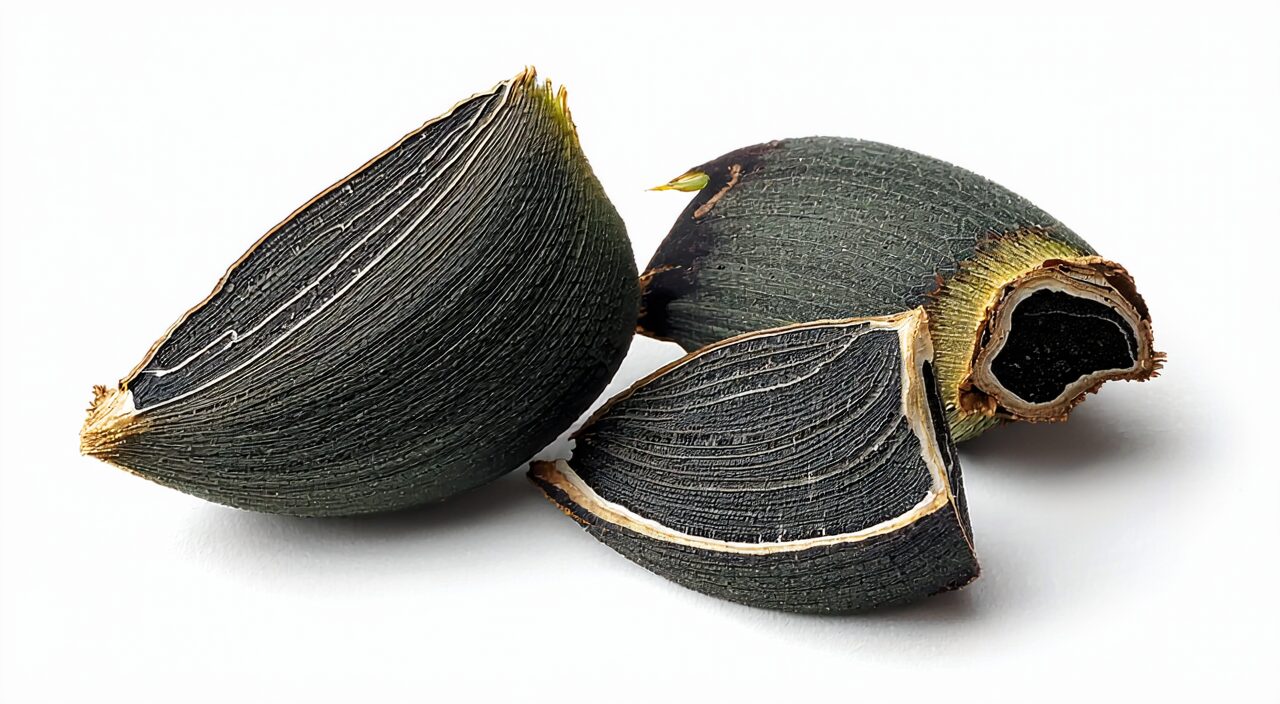
The medicinal part of eclipta is its aerial portion, namely all the stems, leaves, flowers, and fruits above the root. The optimal harvest time is during summer and autumn when the plant is growing vigorously and is in the early flowering stage, as the aerial parts accumulate relatively abundant active substances at this time. After harvesting, remove impurities and dead leaves, wash off the mud and sand, and dry in the sun or shade. Prolonged intense sun exposure should be avoided during drying to prevent the color from becoming too pale and the potency from declining.
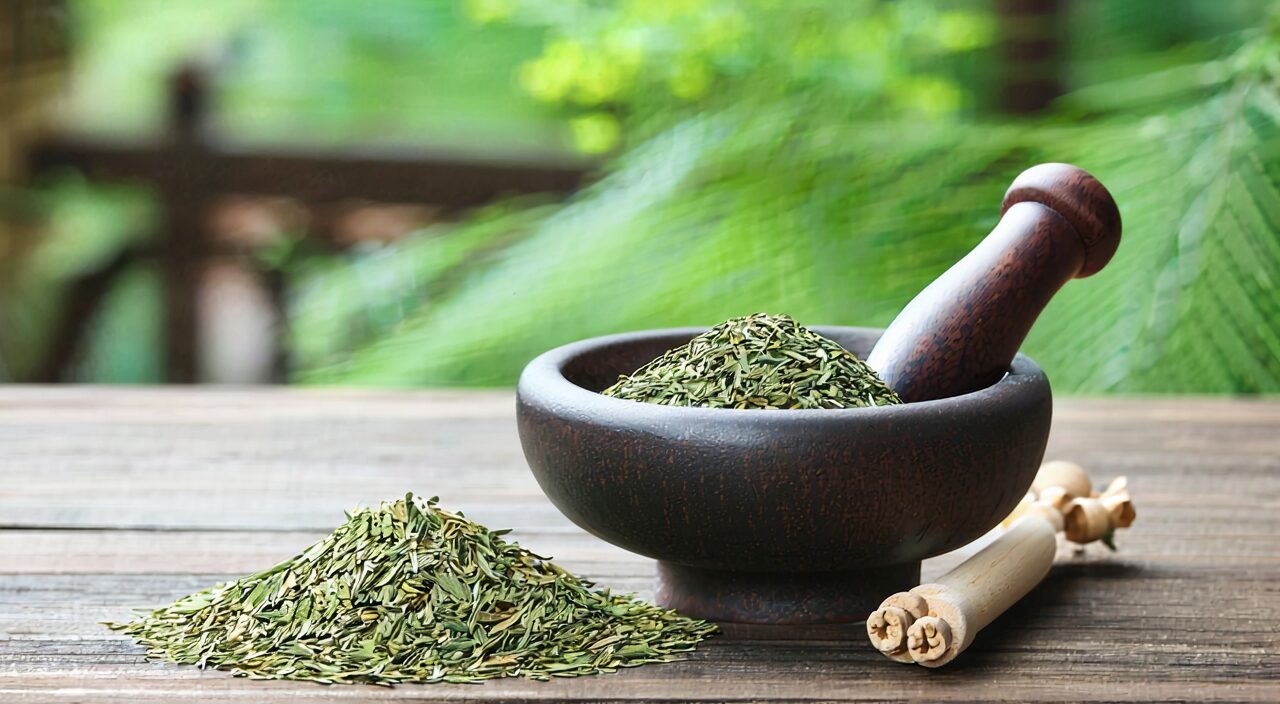
Common crude herb or decoction piece forms are mostly irregular short segments. The surface is blackish-green or dark green and covered with short hairs. The cut surface reveals a hollow stem cavity or loose white pith. The leaves are mostly crumpled and broken. The odor is faint, and the taste is slightly salty. These characteristics also provide visual clues for evaluating herb quality.
How does traditional Chinese medicine view eclipta?
From a TCM perspective, eclipta is sweet, sour, and cold in nature, and it enters the liver and kidney meridians. Traditional herbal texts mostly record its actions of nourishing the liver and kidneys, cooling the blood, and stopping bleeding. Liver-kidney yin deficiency in TCM theory can manifest as dizziness, premature greying of the hair, soreness and weakness of the lower back and knees, and loosening of teeth. Eclipta is often combined with herbs like ligustrum (Nu Zhen Zi) to enhance the nourishing effect.
Regarding bleeding, TCM holds that reckless movement of blood due to heat can cause hematemesis, epistaxis, hematuria, or uterine bleeding. The cold and cooling nature of eclipta helps cool the blood, clear heat, and secure the meridians to stop bleeding. However, it must be emphasized that not all types of bleeding are suitable; only those where the pattern differentiation indicates blood heat may correspond. Therefore, whether it is appropriate must be decided based on an individual’s constitution, symptoms, and a professional’s judgment.
What components and effects of eclipta are being studied by modern research?
Modern analysis has found that eclipta contains various chemical constituents such as flavonoids, triterpenoid saponins, thiophenes, coumarins, and tannins. In experimental studies, eclipta extracts have shown certain antioxidant activities and protective tendencies in liver cell injury models. Some animal experiments have also observed shortened bleeding times. These studies help in understanding the material basis of the herb.
However, it must be made clear that the conclusions above mostly come from in vitro or animal experiments, and there is still a long way to go before they can be directly extrapolated to human effects. These studies cannot be equated with clinical therapeutic conclusions, nor can they be used directly as the basis for choosing treatments for a specific disease. They should only be understood as modern corroboration of traditional uses.
How does eclipta differ from similar herbs?
It is often compared with ligustrum (Nu Zhen Zi). Ligustrum is the ripe fruit of Ligustrum lucidum in the Oleaceae family. The fruit is kidney-shaped or oval, with a blackish-purple or greyish-black, wrinkled surface; its odor is faint, and its taste is sweet and slightly bitter-astringent. Eclipta, on the other hand, is the whole aerial plant, with a completely different appearance, texture, and smell. Although both enter the liver and kidney meridians and overlap in nourishing yin, ligustrum is cool in nature and excels at supplementing the liver and kidneys, darkening grey hair, brightening the eyes, and strengthening the lower back and knees. Eclipta is cold and has a more prominent action of cooling the blood and stopping bleeding, indicating a different focus. The formula Er Zhi Wan skillfully uses equal parts of these two herbs, achieving a combination of clearing and supplementing.
Additionally, in some regions, eclipta is also called “han lian cao,” which may occasionally cause confusion with other herbs. In practice, one should rely on the plant morphology and medicinal parts, pay attention to the characteristic of producing ink-like juice when rubbed, and confirm the scientific name to avoid identification errors.
Which formulas use eclipta?
Eclipta often plays an important role in traditional formulas for nourishing yin and cooling the blood. The following are a few common formulas that contain eclipta:
- Er Zhi Wan (Two Solstices Pill): From traditional formula books, it is composed of equal parts eclipta and ligustrum. The pill is often used for patterns such as dizziness, tinnitus, premature greying of the hair, and restless sleep caused by liver-kidney yin deficiency. It is a representative combination for gently supplementing the liver and kidneys. In this formula, eclipta supplements while clearing, forming an integrated whole with ligustrum.
- Han Lian Cao Gao (Eclipta Paste): A paste made by decocting and concentrating eclipta alone. Traditionally used for bleeding gums and nosebleeds due to blood heat, it leans towards cooling the blood and stopping bleeding, suitable for related heat presentations.
- Er Zhi Granules: A modern dosage form of Er Zhi Wan, more convenient to carry and take. Its application direction is similar to Er Zhi Wan, but one should note that changes in dosage form can lead to differences in specific dosage and absorption.
The above formulas are only examples of traditional use. Whether they are actually suitable still requires a comprehensive judgment based on one’s own constitution, symptoms, product instructions, and professional advice. Do not use them blindly.
What precautions should be taken with eclipta?
Eclipta’s medicinal nature is cold. For people with a constitution of spleen-stomach deficiency cold, such as those who often experience cold abdominal pain, preference for warmth and pressure, loose stools, and poor appetite, special caution is needed. Incorrect use may increase the burden on the spleen and stomach, causing diarrhea or indigestion. If the bleeding presentation is not caused by blood heat in TCM pattern differentiation, but by qi deficiency failing to contain the blood, then eclipta is not appropriate. One must first clarify the cause before considering herbal medicine.
Especially for prolonged, recurrent, massive, or unexplained bleeding, as well as instances accompanied by obvious anxiety, palpitations, or chest tightness, it is advisable to seek medical attention promptly for further investigation. Relying solely on a single herb is not sufficient. Furthermore, women during menstruation, pregnancy, or when trying to conceive should also be particularly cautious about using eclipta. It is always best to make a decision in conjunction with a professional’s assessment.
Summary
To understand eclipta, the key lies in mastering the identification points: stems and leaves covered with hairs, a dark green color after drying, and the production of ink-like juice when rubbed. Clarify that the medicinal part is the aerial portion, and understand the TCM mechanism of using it to nourish the liver and kidneys, cool the blood, and stop bleeding. At the same time, distinguishing it from ligustrum and understanding its role in formulas like Er Zhi Wan helps provide a more comprehensive view of this medicinal herb. In practical use, attention must be paid to contraindications such as spleen-stomach deficiency cold, and the herb should be considered under professional guidance based on specific circumstances. This article is for the popularization of Chinese medicine knowledge only and cannot replace personal pattern differentiation or medical decisions.