
What Is Dendrobium? Medicinal Parts, Identification, and Common Formulas
Among the many traditional Chinese medicinal materials, dendrobium often draws attention due to its unique form and diverse usage. Whether you come across spiral-shaped “Fengdou” in an overseas Chinese herbal shop or see Dendrobium officinale products used as daily health supplements, an initial question may arise: what exactly is dendrobium? Which part is used medicinally, and how can it be identified by appearance? This article will address these specific questions, offering as clear a reference as possible through aspects such as plant characteristics, medicinal parts, traditional Chinese medicine understanding, modern research concerns, differentiation from similar herbs, and common formula combinations.
What Does Dendrobium Look Like? How to Identify It?
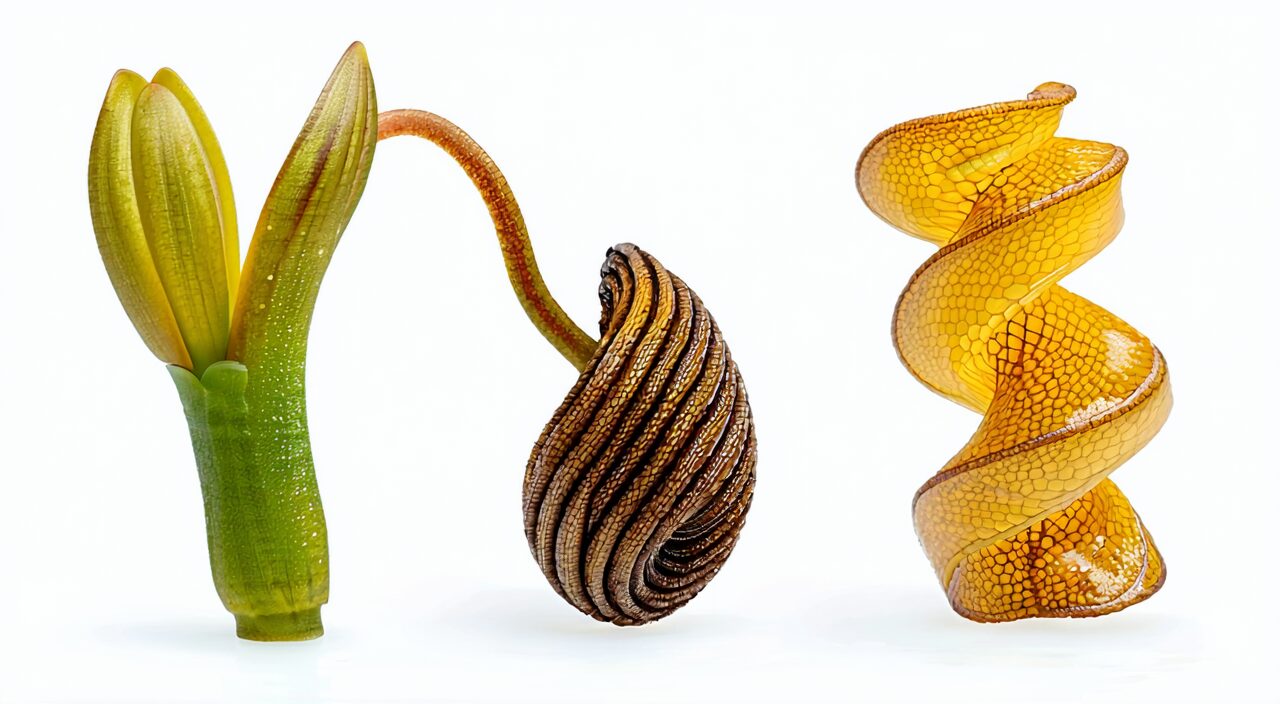
Dendrobium is a collective name for various plants of the Dendrobium genus in the Orchidaceae family. The common medicinal forms are fresh strips, dried strips, and Fengdou, each with different identification points.
Fresh strips are the fresh stems collected directly after harvest. The surface is often yellowish-green or dark green, with a tight, glossy skin. The nodes are distinctly swollen, with internode lengths usually measuring several centimeters. Higher-quality fresh dendrobium often has a fleshy cross-section, noticeable stickiness when chewed, and a taste that is slightly astringent at first before turning mildly sweet.
Dried strips are strip-shaped prepared slices obtained by drying or simple processing of the fresh stems. After drying, the dendrobium stems are mostly flat-cylindrical or slightly curved, with a darker surface color, often yellowish-brown or dark yellow. The texture is hard and brittle, and the fractured surface sometimes shows fibrous textures. The nodes on dried strips remain clearly visible but are more contracted than in the fresh product.
Fengdou is a specially processed form of dendrobium, mostly made from flexible young stems that are twisted, baked, and shaped into spiral or spring-like granules. The surface color of Fengdou is darker, commonly dark yellow, brownish-yellow, or blackish-brown. The texture is firm and not easily broken. After chewing, the stickiness is very strong, which is one of the important traditional references for judging quality.
Regardless of the form, the most prominent identification feature of dendrobium is the distinct ring-like nodes along the stem, combined with a sticky and slippery sensation when chewed—characteristics not commonly found in many other medicinal materials. However, the stickiness, sweetness, and fiber content can vary depending on the source species, so conclusions should not be drawn based on a single characteristic.
What Is the Medicinal Part of Dendrobium?
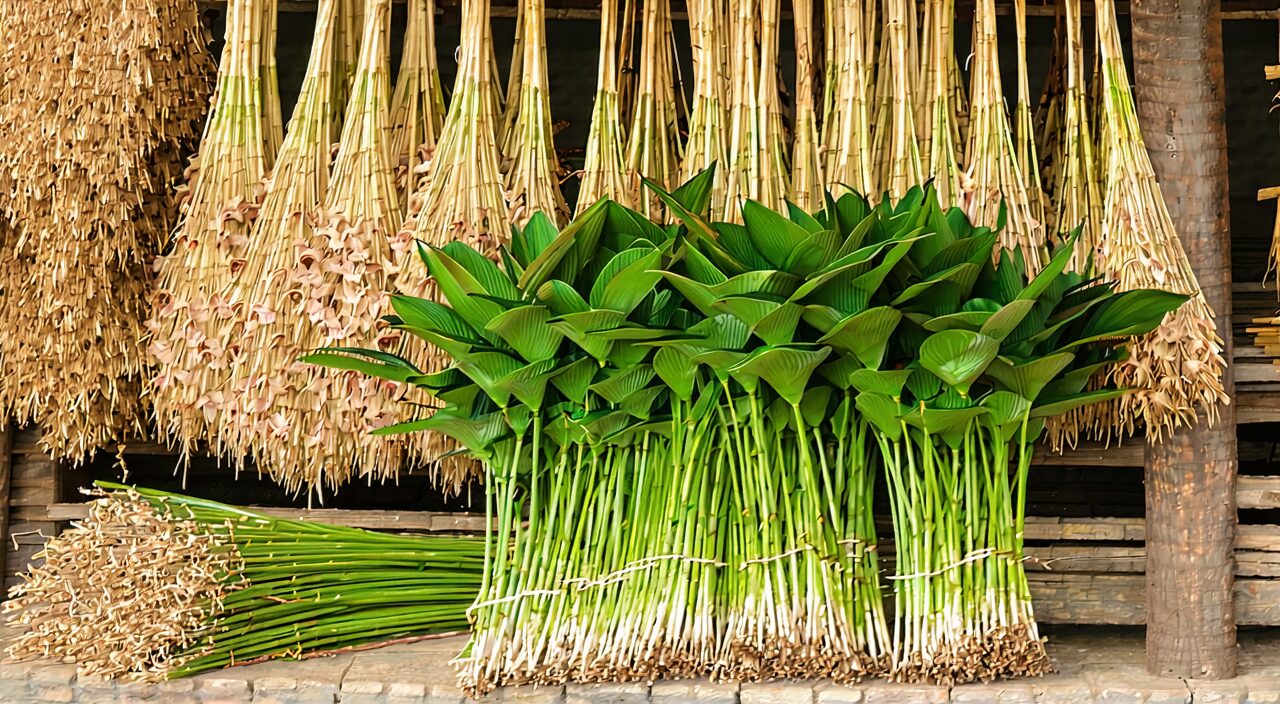
The medicinal part of dendrobium is its stem. In traditional medicinal use, the roots, leaves, or flowers are almost never involved. Harvesting can generally occur year-round, but stems collected in autumn and winter are more common, as they are more mature at this time and the processed dried products or Fengdou are relatively fuller.
After harvesting, the fresh stems undergo a series of processing steps: the roots and silt are removed first; some are briefly blanched in boiling water or treated with hot ash to soften the outer skin, then part of the leaf sheaths are rubbed off, followed by drying or coiling and shaping. Depending on the processing method, dried strips, Fengdou, or direct use as fresh products are the final outcomes.
The dendrobium prepared slices commonly seen on the market are mainly dried strips and Fengdou. Dried strips are often cut into sections and used in soup or decoctions, while Fengdou is more commonly steeped alone in water or ground into fine powder. Fresh products, due to their high water content and short shelf life, are relatively rare overseas, but in some traditional diets, fresh dendrobium is also used for juicing or boiling in water.
How Does Traditional Chinese Medicine Understand Dendrobium?
In traditional Chinese medicine (TCM), the understanding of medicinal materials often centers around their nature, taste, and meridian tropism. Dendrobium is sweet in taste and slightly cold in nature. It primarily enters the Stomach and Kidney meridians, and some classical texts also associate it with the Lung meridian. Based on these properties, dendrobium is traditionally used in the context of benefiting the stomach, promoting fluid production, nourishing yin, and clearing heat.
The concept of benefiting the stomach and promoting fluid production can be roughly understood as follows: when the body exhibits signs such as dry mouth, dry tongue, a burning sensation in the stomach, or loss of appetite, especially after a febrile disease when body fluids have been significantly depleted, dendrobium may be considered a suitable medicinal material to help relieve these discomforts by nourishing stomach yin. Nourishing yin and clearing heat is more oriented towards deficiencies of yin fluids in the lower burner, liver, and kidney, such as persistent deficiency heat, dry eyes, and weakness of sinews and bones. In these situations, dendrobium may traditionally be considered for use in combination.
It must be emphasized that these understandings are derived from the accumulated experience of previous generations, reflecting a “regulatory approach” rather than a treatment plan for a specific disease. Whether dendrobium is appropriate for use depends on an individual’s specific constitution and current state.
What Do Modern Studies Focus on Regarding the Components and Effects of Dendrobium?
With deeper research into Chinese medicinal materials, the polysaccharides, alkaloids, phenanthrene compounds, and bibenzyl components in dendrobium have gradually gained attention. Among these, dendrobium polysaccharides are a group of components that have been studied more intensively. Some in vitro and animal experiments suggest that dendrobium polysaccharides may have potential in modulating immunity, antioxidation, and protecting the gastric mucosa. Additionally, a few studies have explored the effects of dendrobium on blood sugar regulation or the ocular microenvironment, but these mostly remain at the laboratory stage or are small observational studies, and are still far from being translated into reliable clinical evidence.
Overall, the current human research evidence on dendrobium remains limited, and many of the claimed effects are based more on traditional knowledge and experimental speculation. When evaluating such information, it is necessary to distinguish between component research, experimental findings, and actual effects in humans. If you have persistent physical discomfort or chronic issues, you should still prioritize seeking professional medical evaluation rather than choosing a particular medicinal material or product solely based on laboratory data.
What Are the Differences Between Dendrobium and Similar Medicinal Materials?
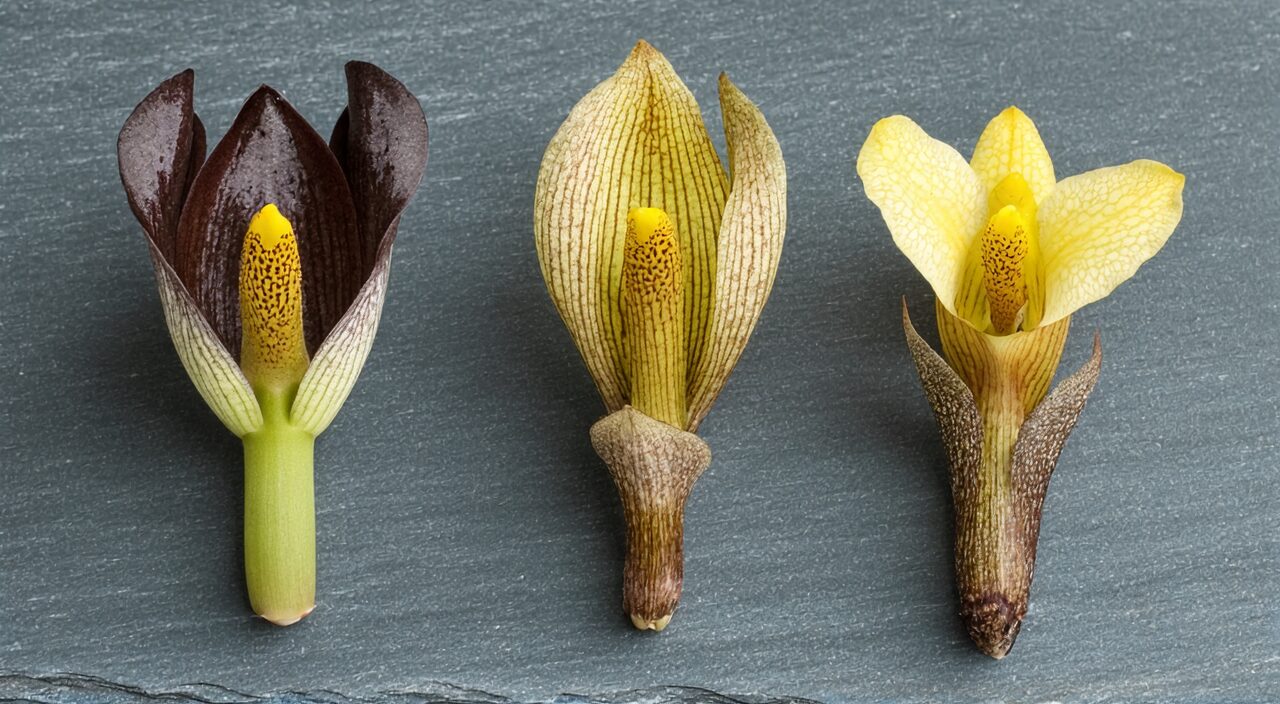
Among dendrobium-type medicinal materials, the most frequently compared are Dendrobium officinale and Dendrobium huoshanense. Although both are used as “Dendrobium” medicinally, there are some differences in source species, appearance characteristics, and traditional application emphases.
Dendrobium officinale has the scientific name Dendrobium officinale. Its fresh stems are usually relatively round, with an iron-cyan or bluish-green surface, which turns dark yellow after drying. When made into Fengdou, Dendrobium officinale has a very strong stickiness when chewed, with almost no fibrous sensation. It is traditionally considered to have relatively strong yin-nourishing and fluid-producing power and has always commanded a higher price.
Dendrobium huoshanense mainly originates from Dendrobium species produced in Huoshan, with “Huoshan Migao” being the most famous. The plants of Dendrobium huoshanense are generally smaller, with short and compact stems. The dried product is firm in texture and exhibits a very pronounced stickiness after chewing. In traditional understanding, Dendrobium huoshanense is more inclined toward nourishing stomach yin and clearing deficiency heat, and is regarded as a superior grade, though its yield is relatively low.
In addition, there are also other Dendrobium species such as Dendrobium nobile and Dendrobium fimbriatum used as medicinal materials on the market. Their stickiness and mouthfeel are often lower than those of Dendrobium officinale and Dendrobium huoshanense, and their prices are more moderate. Which variety to choose for daily health maintenance depends on individual constitution, actual budget, and specific intended use. It is difficult to judge suitability based on the name alone.
Which Formulas Use Dendrobium?
Dendrobium appears in many traditional formulas. It is often not the “main force” in a prescription but plays a supportive and combining role as a yin-nourishing and fluid-producing medicinal. Below are several relatively well-known formulas containing dendrobium, to help readers understand the role of dendrobium in traditional combinations.
Dendrobium Night Sight Pill (Shi Hu Ye Guang Wan) is one of the commonly used formulas in ophthalmology. It is composed of dendrobium, ginseng, Chinese yam, poria, goji berry, chrysanthemum, rehmannia, and other traditional Chinese herbs. This formula is traditionally used for blurred vision, declining eyesight, and dry eyes caused by liver and kidney yin deficiency and insufficient essence and blood. In the formula, dendrobium works together with ingredients that nourish yin and brighten the eyes to support the fluids and yin blood of the eyes. However, the causes of eye discomfort are complex, and whether this formula is suitable still needs to be judged based on specific eye manifestations and constitution.
Dendrobium Decoction (Shi Hu Tang) is another type of formula named after dendrobium. The combinations vary in different medical texts, but most feature dendrobium as an assistant or adjuvant ingredient, paired with herbs such as Ophiopogon, unprepared rehmannia, and trichosanthes root that clear heat and generate fluids. It is mainly used when severe fluid damage and stomach yin deficiency occur in the later stages of externally contracted febrile diseases, with common manifestations including dry mouth, poor appetite, and a red tongue with little moisture. In traditional application, Dendrobium Decoction is more of a stage-specific regulatory approach rather than a daily health formula for long-term use.
Tiepi Fengdou Granules are a more common finished product in the modern use of dendrobium. They are typically made with Dendrobium officinale as the main ingredient, supplemented with American ginseng and others, and taken with warm water. Its positioning leans more toward daily energy maintenance and yin fluid supplementation, and it is well-received particularly among people with high work pressure, heavy voice use, or frequent dry mouth sensation. It should be noted that products of this kind fall into the category of health maintenance and cannot replace necessary medical measures.
Overall, most formulas containing dendrobium focus on the two directions of nourishing yin and generating fluids. In actual selection, the decision should still be based on an individual’s current physical condition rather than simply fitting a formula to a symptom.
What Precautions Should Be Taken When Using Dendrobium?
Although dendrobium is common, there are some easily overlooked points in its use. First, differences in source species can directly affect the usage experience and expected effects. Different dendrobium species vary in polysaccharide content, stickiness intensity, and traditional evaluation. When purchasing, one should try to understand the specific species information and avoid equating low-priced dendrobium with high-quality Dendrobium officinale.
Second, traditional experience holds that dendrobium’s nature tends to be cool and moistening, so those with spleen and stomach deficiency cold should be cautious. Common signs of spleen-stomach deficiency cold include a sensation of cold in the stomach, tendency to diarrhea after eating raw or cold food, unformed stools, and a pale tongue with a white coating. If such a constitution uses dendrobium in large amounts or for a long time without pattern differentiation, discomforts such as abdominal bloating and decreased appetite may occur. Precisely because of this, there is no single dendrobium usage method that is “suitable for everyone.”
Additionally, there is a common misunderstanding of directly equating market promotions about dendrobium’s components and experimental research with clinical effects. Descriptions such as polysaccharides and antioxidation belong more to the context of scientific research discussion and do not yet represent the same degree of benefit that dendrobium can bring to the human body. Viewing such information rationally can help avoid blindly following consumption trends.
If you have clear gastric diseases, diabetes, immune system-related diseases, or are taking other medications, the decision to use dendrobium should be integrated into an overall health management plan. It is best to consult a doctor or professional TCM practitioner beforehand, rather than making a decision solely based on popular science articles or product instructions.
Summary
As a traditional yin-nourishing medicinal material, dendrobium uses the stem as its medicinal part and appears in three common forms: fresh strips, dried strips, and Fengdou. The prominent nodes and the stickiness upon chewing are relatively intuitive references for identification. TCM primarily uses dendrobium from the perspectives of benefiting the stomach, generating fluids, nourishing yin, and clearing heat. Dendrobium officinale and Dendrobium huoshanense each have their own traditional emphases in source and evaluation. Formulas containing dendrobium, such as Dendrobium Night Sight Pill and Dendrobium Decoction, are mostly designed around the direction of preserving yin fluids, but the suitability varies greatly depending on different constitutions and specific conditions, and blind continuation should be avoided. The content of this article is for informational reference only and cannot replace professional diagnosis or individualized health advice.