
What Is Deer Antler Velvet? Medicinal Parts, Identification, and Common Formulas
Deer antler velvet holds an important place among traditional tonic herbs. It comes from the young, unossified antlers of male sika deer or red deer, which are densely covered with fine hair—hence the name. Many overseas readers are curious about what deer antler velvet looks like, what part is used medicinally, how it differs from deer horn and deer horn glue, and what common formulas include it. This article addresses these questions.
What Does Deer Antler Velvet Look Like? How to Identify It?
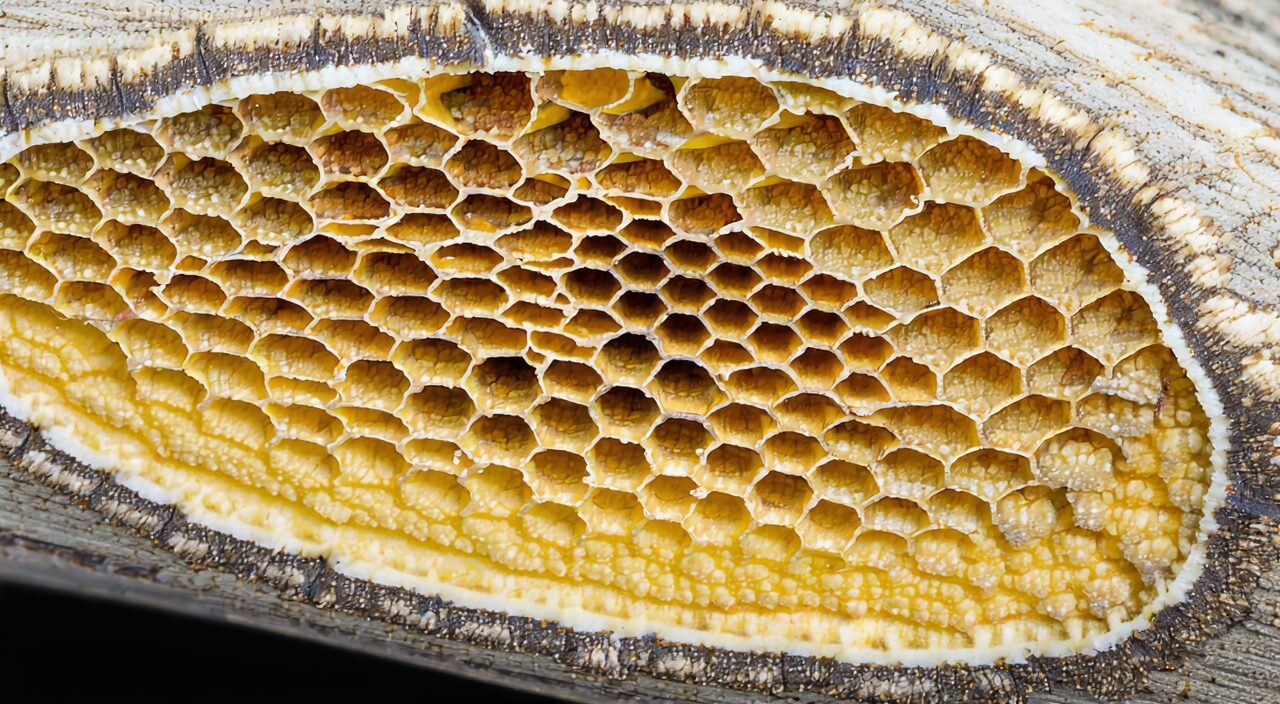
The overall shape of deer antler velvet is quite distinctive. It typically grows as a cylindrical branch, with one main beam and one or two side branches, resembling a forked antler but not yet fully ossified.
To identify deer antler velvet, look for these key features:
- The surface is densely covered with yellowish-brown or grayish-yellow fine hairs that feel soft and velvety to the touch—this is the most obvious characteristic that sets it apart from ordinary deer horn.
- The cut cross-section shows numerous densely packed honeycomb-like small holes, indicating that the interior has not yet formed dense bone and is still rich in cartilage and blood sinuses.
- Color varies slightly depending on the source. Sika deer antler velvet (yellow-hair velvet) typically has a reddish-brown or brown skin with mainly yellowish-brown hairs; red deer antler velvet (green-hair velvet) is generally thicker and larger, with a grayish-brown surface and grayish-green or grayish-yellow hairs.
By observing hair density, the honeycomb-like holes on the cut surface, and overall color, you can form a preliminary impression of the grade and quality of the antler velvet.
What Is the Medicinal Part of Deer Antler Velvet?
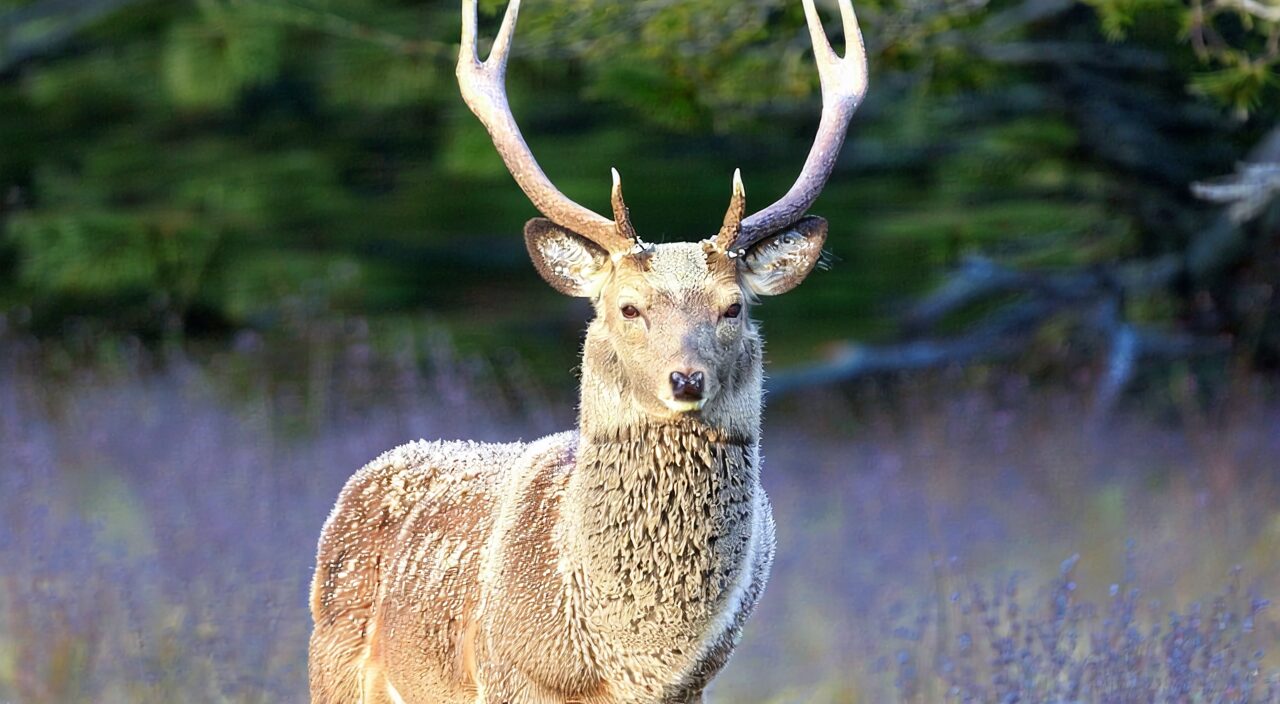
The medicinal part of deer antler velvet is precisely the young, unossified antler on top of the male deer’s head, densely covered with fine hair. The key term here is “unossified.” Once the young antler continues to grow and becomes fully ossified, it turns into deer horn, and the two have significantly different medicinal properties and traditional uses.
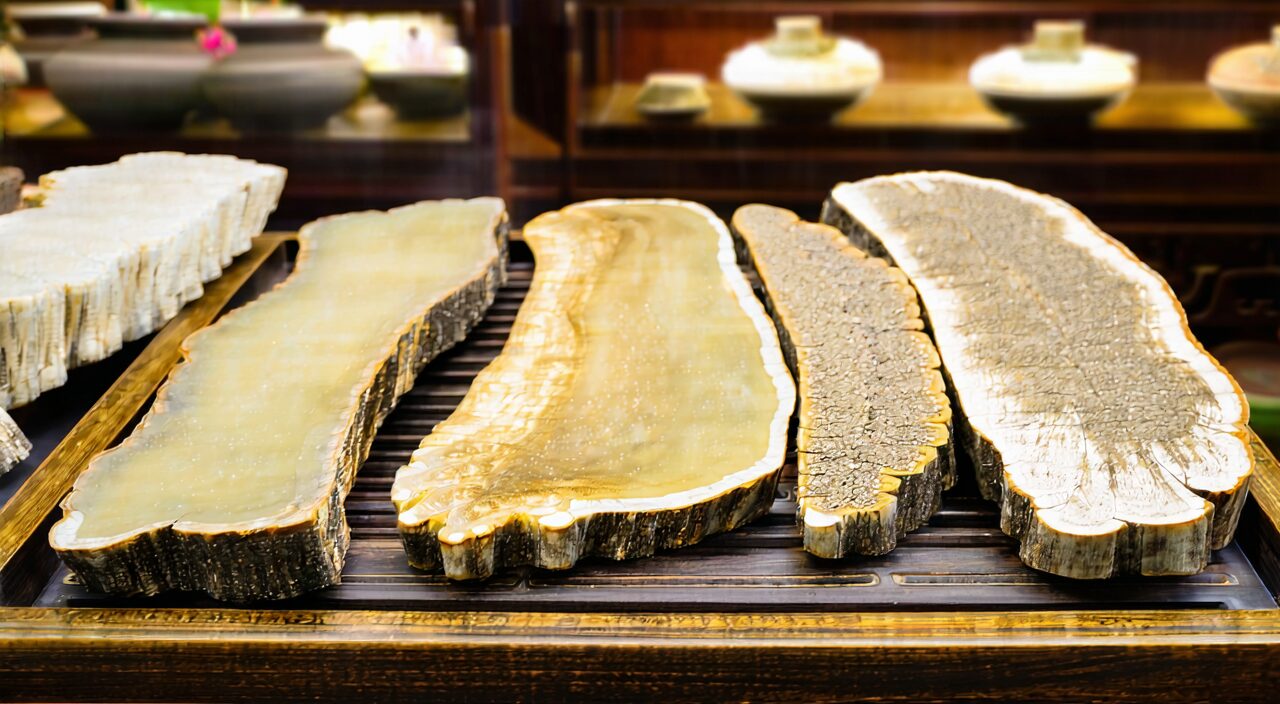
Harvesting usually takes place in spring or early summer. After the antler is sawn off, it is processed quickly. The main processing methods include blood-draining and blood-retaining techniques, followed by drying, singeing off the fine hairs, slicing, and other steps, ultimately yielding commercially available deer antler velvet herbs or prepared slices. Common product forms include whole antler velvet sticks, thick slices, and slices categorized by position, such as wax slices, powder slices, and blood slices. Wax slices come from the tip and are thick and tender; powder slices come from the upper-middle part and are starchy; blood slices come from near the base and have a deeper color. In traditional understanding, these different types of slices each have their own emphasis, but they all belong to the single medicinal substance of deer antler velvet.
How Does Traditional Chinese Medicine View Deer Antler Velvet?
Traditional Chinese medicine (TCM) usually views deer antler velvet from the perspective of its nature, flavor, and channel tropism. It is generally considered sweet and salty in flavor, warm in nature, and enters the Kidney and Liver channels.
In the traditional framework, deer antler velvet is often used to strengthen kidney yang, replenish essence and blood, reinforce sinews and bones, regulate the Chong and Ren meridians, and expel deep-seated toxins. When the body presents deficiency patterns associated with kidney yang insufficiency and essence-blood depletion—such as chronic aversion to cold, soreness and weakness of the lower back and knees, lack of energy, or slow growth and development—deer antler velvet may be considered as a therapeutic option. For women with cold from deficiency in the Chong and Ren meridians, or clear, thin vaginal discharge, it can also be a traditional choice. However, these are usage approaches based on TCM syndrome differentiation. Whether it is suitable for a specific individual requires a comprehensive judgment combining constitution, symptoms, and professional assessment.
What Components and Effects Are Studied in Modern Research?
Modern research has explored the components of deer antler velvet extensively, discovering that it contains various polypeptides, amino acids, phospholipids, chondroitin sulfate, and insulin-like growth factors, among other substances. These components exhibit certain activities in experimental settings, such as promoting chondrocyte proliferation, modulating immune function, anti-fatigue effects, and antioxidation.
It is important to note that most of the current evidence comes from animal experiments and in vitro cell studies; high-quality clinical research remains relatively limited. Therefore, laboratory results should not be directly extrapolated to clinical applications, much less be equated with proven therapeutic effects for any specific disease. If you are looking at deer antler velvet from a modern perspective, it can be viewed as a natural product rich in active components, but further human studies are still needed to support our understanding of its effects.
What Are the Differences Between Deer Antler Velvet and Similar Medicinal Materials?
Deer horn and deer horn glue often come from the same source as deer antler velvet, but the three are clearly distinct.
- Deer Horn (Lu Jiao): The ossified, naturally shed antler of male deer. It is hard and heavy, with no fine hairs on the surface, and often shows bone shell and burr. Traditionally, it is considered salty in flavor and warm in nature, entering the Liver and Kidney channels. It tends to warm and tonify kidney yang, invigorate blood, and reduce swelling, and is commonly used for kidney yang deficiency accompanied by blood stasis or sores and swellings. Its action is milder than that of deer antler velvet.
- Deer Horn Glue (Lu Jiao Jiao): A gelatinous block made by decocting and concentrating deer horn in water. The cut surface is glossy, and the texture is brittle. Its nature is warm and moist, and traditionally it emphasizes warming and tonifying the liver and kidney, enriching essence, and nourishing blood. It is often used for deficiency states with essence and blood insufficiency, with a strong tonifying nature but a relatively gentle onset of action.
- Deer Antler Velvet (Lu Rong): Uses the unossified young antler. Its effects in strengthening kidney yang, replenishing essence and blood, and reinforcing sinews and bones are more potent than those of deer horn and deer horn glue, and it is traditionally used for more pronounced deficiency stages.
In simple terms, deer antler velvet leans toward sharp, potent tonification; deer horn glue leans toward nourishing the blood with a moistening supplement; and deer horn tonifies yang while also invigorating blood. Which one to choose should be decided based on your specific physical condition and TCM syndrome differentiation.
Which Formulas Contain Deer Antler Velvet?
Deer antler velvet often appears as a main ingredient or an important component in traditional formulas. The following types are relatively common:
- Deer Antler Pill (Lu Rong Wan): Features deer antler velvet as the primary ingredient, often combined with Chinese yam, prepared rehmannia root, and morinda root. It is traditionally used for cold and painful lower back and knees, fatigue, aversion to cold, or frequent clear urination caused by kidney yang deficiency and essence-blood depletion. In this formula, deer antler velvet plays the role of warming and strengthening kidney yang and replenishing essence and blood.
- Ginseng-Antler Guben Tablets (Shen Rong Gu Ben Pian): Composed of ginseng, deer antler velvet, and other herbs, this formula follows the principle of simultaneously tonifying qi and yang. It is commonly used for conditions where qi deficiency and yang deficiency coexist. Traditionally, it is used for physical fatigue, lack of strength, poor appetite, and susceptibility to colds. Here, deer antler velvet leans toward warming yang, while ginseng leans toward tonifying qi, and the two work together to enhance each other’s effects.
- Deer Antler Velvet Extract (Lu Rong Jing): A preparation made with deer antler velvet as the single raw material, traditionally used as a tonic to strengthen the body and regulate conditions such as general weakness and low energy. As its dosage form is relatively simple, it is particularly important to pay attention to whether it suits your individual constitution before use.
The formulas or patent medicines mentioned above are often used for relevant health regulation purposes, but they are not suitable for everyone. Whether and how to use them should be decided by considering the product instructions, your own constitution, and the advice of a professional to avoid indiscriminate use.
What Precautions Should Be Taken When Using Deer Antler Velvet?
Although deer antler velvet is a traditional tonic, it is not something everyone can use casually. The following conditions require particular caution or avoidance:
- Yin deficiency with fire excess constitution, manifested by heat in the palms and soles, dry mouth and throat, difficulty falling asleep, night sweats, etc. Using deer antler velvet may worsen internal heat.
- High blood pressure or liver yang hyperactivity: the warming and tonifying nature of deer antler velvet may affect blood pressure stability.
- Bleeding tendencies or concurrent use of anticoagulant drugs.
- During an external contraction with fever, internal exuberance of damp-heat, or acute inflammation.
In addition, deer antler velvet comes from protected animals, sika deer or red deer, and may be subject to restrictions under the Convention on International Trade in Endangered Species of Wild Fauna and Flora (CITES) in global trade. When purchasing and using it, pay attention to the legality of its source and avoid products from illegal smuggling or unknown origins.
In daily life, if you experience severe, long-term, or recurrent weakness symptoms, or accompanying abnormal signs such as noticeable palpitations, chest tightness, pain, persistent vomiting, black stools, or rapid weight loss, you should consult a doctor promptly rather than relying on a particular medicinal herb for self-treatment.
Summary
Deer antler velvet is the unossified young antler of male deer. Its key identification points are the fine hairs on the surface and the honeycomb-like holes on the cut surface. The medicinal part is clearly the tender antler with velvet, and it is distinctly different from ossified deer horn and deer horn glue in terms of source and traditional use. From a TCM perspective, deer antler velvet mainly revolves around warming and tonifying kidney yang and replenishing essence and blood, but it is warm in nature and can be disadvantageous if it does not match your constitution. Although modern research has identified some active components, most findings are still at the experimental stage and cannot be directly equated with clinical effects. No matter how you learn about deer antler velvet, you should first assess your own condition and seek professional judgment when necessary. This article is for informational reference only and cannot replace professional diagnosis or treatment advice.