
What Is Rhodiola Rosea? Introduction to Medicinal Parts, Identification Methods, and Common Formulas
Rhodiola rosea comes from the dried roots and rhizomes of Rhodiola crenulata and other species in the same genus (Crassulaceae). It is a traditional Chinese herb often used to tonify qi, activate blood, unblock vessels, and relieve wheezing. Because its roots are typically reddish-brown and it thrives in harsh high-altitude environments, it is appropriately called “Rhodiola rosea” (the Chinese name hong jing tian means “red vision of heaven”). In recent years, many people have shown keen interest in its appearance, medicinal parts, and usage directions. Below, we will explain these aspects one by one.
What Does Rhodiola Rosea Look Like? How to Identify It by Appearance?
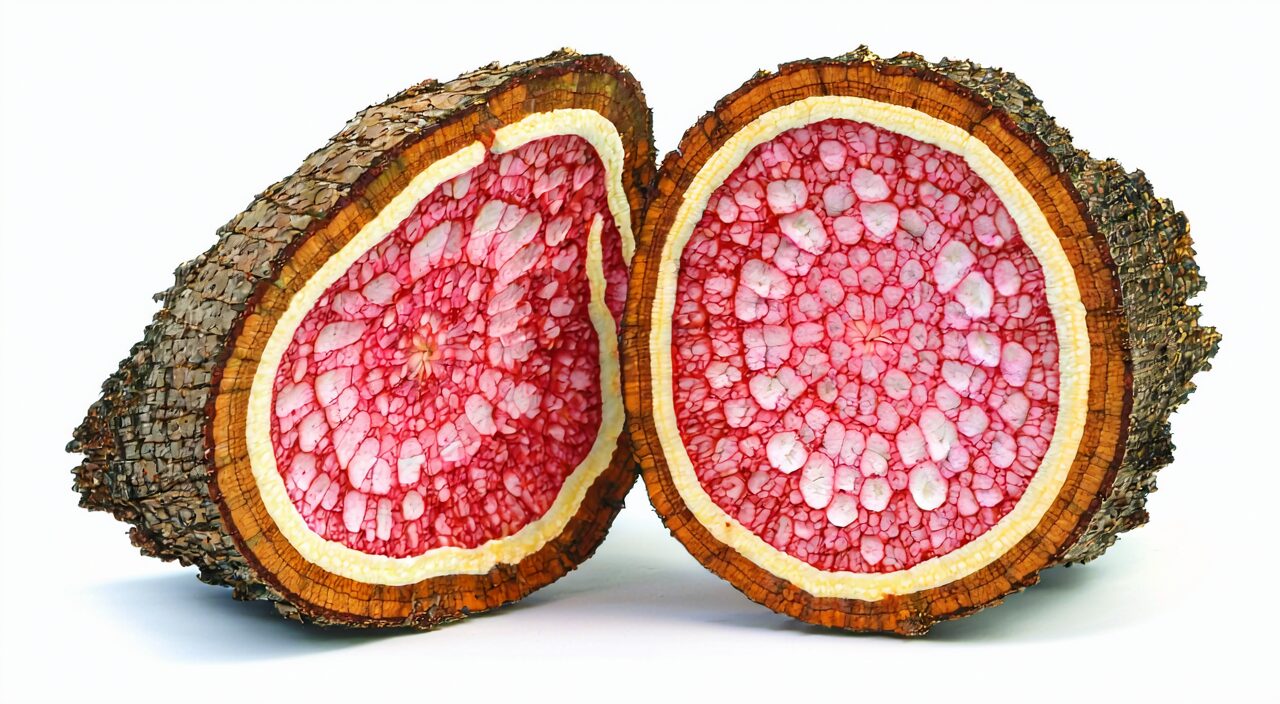
The medicinal part of Rhodiola rosea is mainly the root and rhizome. After drying, the whole piece is irregularly cylindrical or conical, sometimes twisted into a clumped shape. The surface color tends toward reddish-brown or dark brown, with some areas being darker, bearing longitudinal grooves, fine transverse striations, and rootlet scars. The texture is hard and not easily broken.
When identifying Rhodiola rosea, the cross-section is a crucial detail. After breaking or cutting it, you can see that the fractured surface is brownish-red or reddish-brown, with lighter-colored vascular bundles arranged in dots or rings. Even more distinctively, Rhodiola rosea often carries a gentle, rose-like fragrance that is lasting but not overpowering, and it tastes slightly bitter and astringent. The combination of this color, tough texture, and rose-like aroma is a characteristic that many professionals pay attention to during identification.
What Is the Medicinal Part of Rhodiola Rosea?
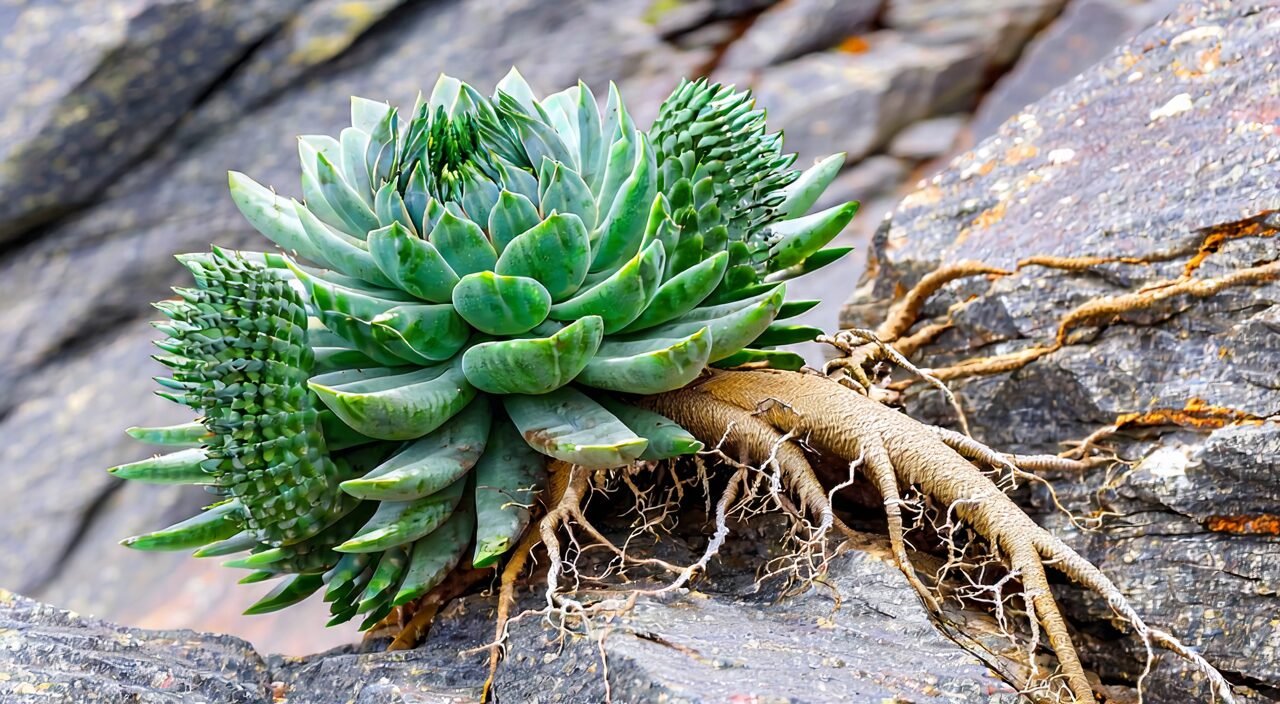
The medicinal part of Rhodiola rosea is the dried root and rhizome. It is harvested after the stems and leaves wither in autumn or before the plant revives in spring. After removing soil and rootlets, it is dried in the sun or at low temperature to yield the raw medicinal material. Depending on the origin and processing customs, the prepared slices are often cut into oblique slices, irregular thick slices, or short segments. The surface remains distinctly reddish-brown or brown, and the cross-section still shows the characteristic color and texture.
In herbal markets or as prepared slices, Rhodiola rosea mostly appears in dried slice form, and sometimes it is crushed into a coarse powder for use in preparations. Knowing the harvest season and slice form helps in assessing product quality. Generally, herbs harvested in autumn are traditionally considered to have a denser, more substantial texture.
How Is Rhodiola Rosea Understood in Traditional Chinese Medicine?
In traditional Chinese medicine theory, the nature and flavor of Rhodiola rosea are recorded as sweet, astringent, and warm. It enters the lung, heart, and spleen meridians. Its core actions center on “tonifying qi and activating blood” and “unblocking vessels and relieving wheezing.” It is commonly used for certain body conditions caused by qi deficiency and blood stasis, such as a tendency to shortness of breath, mental fatigue, physical weakness, chest tightness, or discomfort in high-altitude cold environments.
Additionally, Rhodiola rosea is believed to clear the lung and stop coughing. For patterns where mild cough, scant sputum, or labored breathing arise from qi deficiency and failure of lung qi to descend, it has been used as an adjuvant herb. Overall, in formulas, Rhodiola rosea plays more of a “regulating” role by supporting right qi and promoting the movement of qi and blood.
What Components and Research Directions of Rhodiola Rosea Attract Modern Attention?
Modern phytochemical research has found that Rhodiola rosea mainly contains salidroside, tyrosol, flavonoids, as well as various amino acids and trace elements. In experimental studies, these components have shown potential for anti-fatigue, anti-hypoxic, antioxidant, and immune-modulating effects. This is one reason why Rhodiola rosea has attracted the attention of some outdoor sports enthusiasts.
It is important to note that most of these studies are in vitro experiments or animal studies, and human evidence is still accumulating. They should not be simply equated with clinical therapeutic effects. Interpreting component research directly as “proven to treat certain diseases” is scientifically imprecise and inconsistent with current mainstream understanding.
How to Distinguish Rhodiola Rosea from Similar Herbs?
Two herbs easily confused with it are Rhodiola sachalinensis (alpine rhodiola) and Sedum aizoon (stonecrop). Although their names are similar, their origin, medicinal parts, and traditional applications each have different emphases.
Rhodiola sachalinensis (alpine rhodiola) also belongs to the Crassulaceae family and Rhodiola genus but is a different species. Traditionally, it has been used more in Northeast China and northern high-altitude regions. In appearance, its rhizome is sometimes thinner, the cross-section color is paler, and its aroma is less noticeable than that of Rhodiola rosea. Its application directions overlap with those of Rhodiola rosea, but in some herbal works they are treated separately and should not be simply substituted or used interchangeably.
Sedum aizoon (stonecrop), on the other hand, comes from the Sedum genus within the Crassulaceae family, differing from Rhodiola rosea at the genus level. It mostly uses the whole plant or roots medicinally. Traditionally, it tends to invigorate blood, stop bleeding, reduce swelling, and relieve pain. It is often used for traumatic injuries and bleeding disorders. In terms of appearance, the root of stonecrop is relatively thin, and its leaves are thick, fleshy, and succulent. The overall form differs greatly from the thick, sturdy rhizome of Rhodiola rosea. Taking into account the origin, medicinal parts, and key traditional applications, the three are not difficult to distinguish.
What Are Common Formulas Containing Rhodiola Rosea?
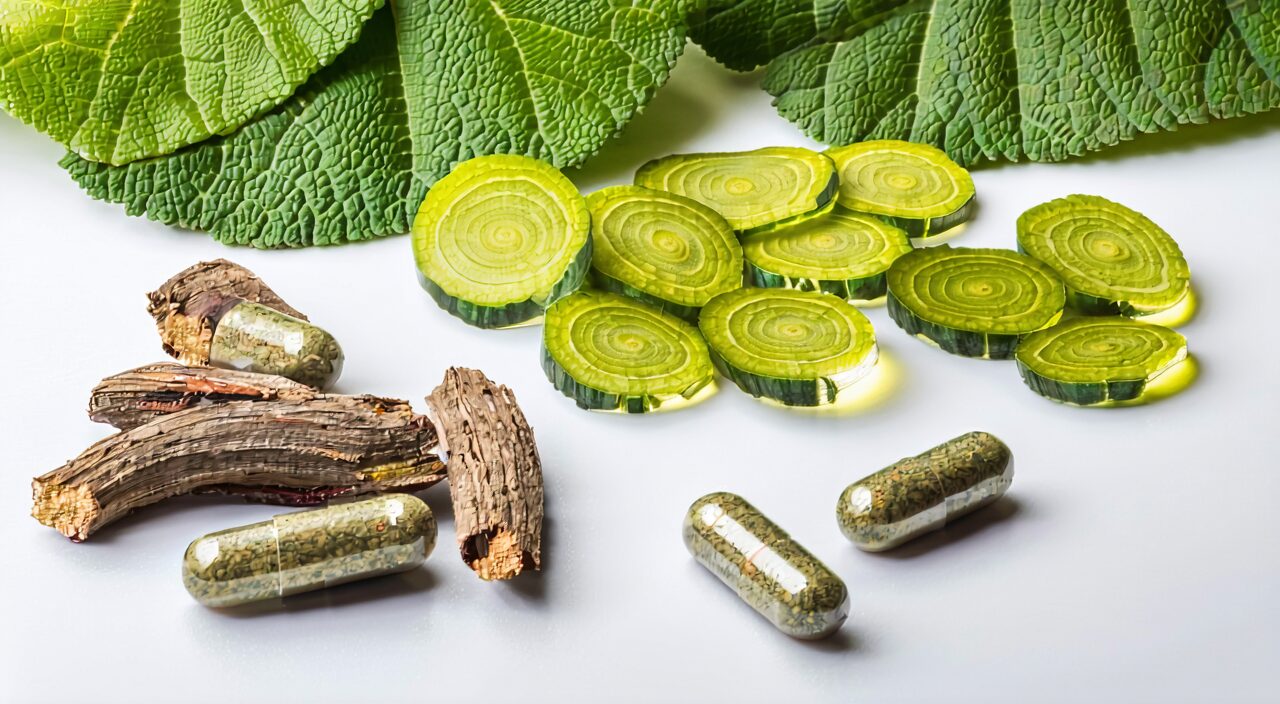
In compound formulas or Chinese patent medicines, Rhodiola rosea often appears in the role of tonifying qi, activating blood, unblocking vessels, and relieving wheezing. In traditional use, Rhodiola rosea can be combined with herbs such as Astragalus (Huangqi) and Salvia (Danshen) for patterns involving qi deficiency, blood stasis, and failure of lung qi to descend. Based on traditional experience, modern convenient dosage forms have been developed. The following three are relatively common.
- Rhodiola Rosea Oral Liquid: Mainly contains Rhodiola rosea extract. Traditionally, it is considered helpful for supplementing qi, alleviating fatigue, and adapting to environmental changes. It is often used for directions such as high-altitude travel or periods of great physical exertion, though actual effects vary from person to person.
- Nuodikang Capsules: A compound preparation with Rhodiola rosea as the main ingredient. The traditional approach centers on tonifying qi, activating blood, unblocking collaterals, and calming palpitations. It is commonly seen in the TCM regulation of conditions such as coronary heart disease and angina pectoris. However, users must still follow medical advice and should not regard it as an emergency medicine.
- Rhodiola Rosea Capsules: Usually single-herb or extract capsules of Rhodiola rosea. They are often chosen as an adjuvant option for daily qi-deficiency constitution, but they should be used strictly according to product instructions, and excessive or prolonged use is not recommended.
These formulas or products are only a few examples based on traditional understanding. Whether they are suitable needs to be determined by considering individual constitution, specific symptoms, and consultation with a professional. Different manufacturers may have variations in composition and concentration, so it is essential to read the product insert before use.
Precautions When Using Rhodiola Rosea
Although Rhodiola rosea has been widely used traditionally, it is not suitable for everyone. Some people may experience a feeling of excitation, difficulty falling asleep, or a slightly faster heartbeat after taking it, especially when taken close to bedtime. For those who are normally prone to nervousness or light sleep, such reactions deserve special attention.
People with cardiovascular or cerebrovascular diseases, abnormal blood pressure, those taking anticoagulant or antiplatelet medications, as well as pregnant and breastfeeding women, should consult a doctor or TCM practitioner before using Rhodiola rosea to avoid adverse interactions with their existing conditions or medications. In addition, do not simply regard Rhodiola rosea as a “specific cure for altitude sickness” or a “magical anti-fatigue agent.” When feeling unwell, seek professional evaluation instead of relying solely on a single herb to solve the problem.
Summary
Rhodiola rosea is a distinct traditional herb used for its roots and rhizomes. From its reddish-brown cross-section and rose-like aroma to its traditional emphasis on tonifying qi, activating blood, unblocking vessels, and relieving wheezing, it holds its own place. Modern common preparations provide convenience of use, but individual differences and potential excitatory sensitivity reactions must still be taken seriously. This article is for informational reference only and cannot replace professional diagnosis or treatment advice. Before actual use, one should fully understand personal circumstances and listen to reliable professional opinions.