
What Is Jujube? Medicinal Parts, Identification, and Common Formulas
Jujube is the mature fruit of the plant Ziziphus jujuba from the Rhamnaceae family. It is both a popular everyday dried fruit and a frequently used medicinal substance in traditional Chinese medicine. Many overseas Chinese are familiar with jujube, but often treat it solely as a common food ingredient, lacking systematic understanding of its medicinal parts, characteristics for identification, traditional thinking, and common formulas. This article addresses the following aspects: appearance recognition, medicinal parts, TCM understanding, modern research interests, differences from similar medicinal substances, classic formulas, and usage precautions—helping readers gain a comprehensive yet restrained understanding of “what is jujube.”
What Does Jujube Look Like? How to Identify It
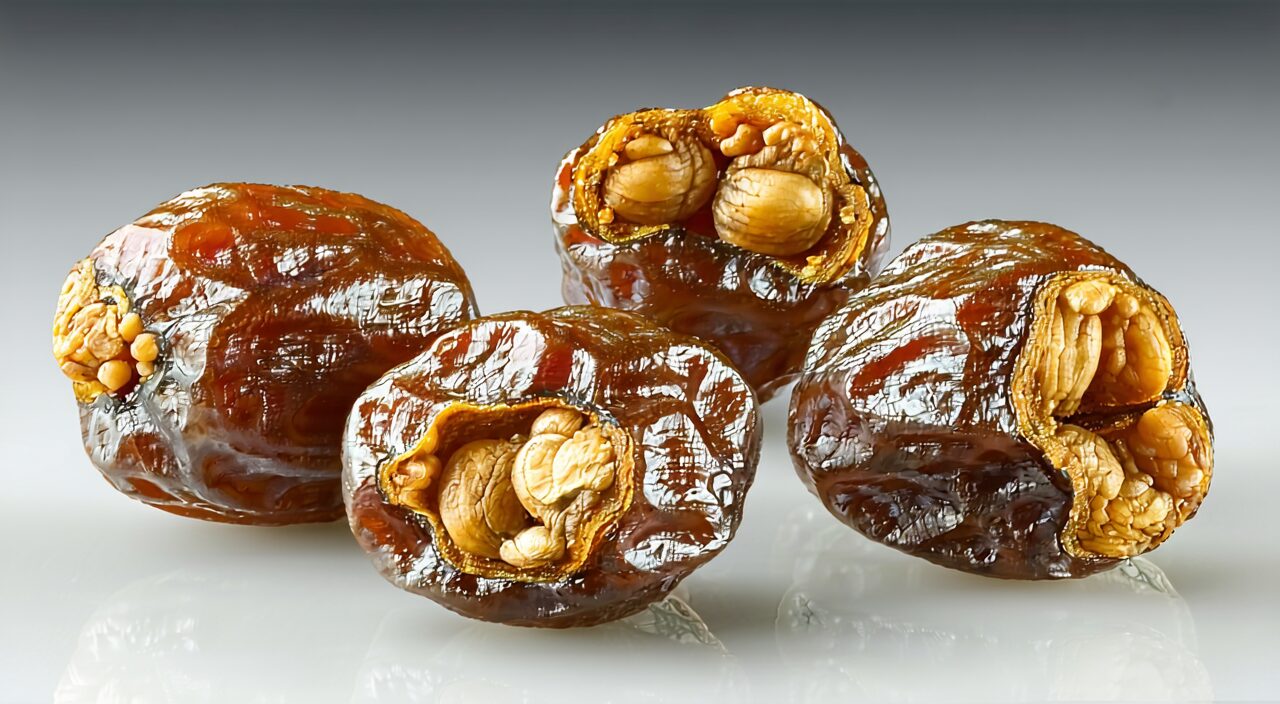
The fruit of jujube is usually oval or short-spherical, with a diameter mostly between 1.5 and 2.5 centimeters, although size varies depending on cultivar and origin. After drying, the surface of jujube is reddish-brown or deep red, wrinkled and uneven, with a slight luster; it does not feel as sticky as certain candied fruits. At one end of the fruit, a trace of the detached fruit stalk remains, and at the other end, a tiny remnant of the flower style can often be seen.
When breaking open a dried jujube, the flesh is brownish-yellow or pale brown, soft and moist in texture, rich in sugar and thus somewhat sticky-slippery, with a noticeably sweet taste. The pit is hard, spindle-shaped, and pointed at both ends. Pitted jujube is a common prepared medicinal form, often pressed into flat slices or irregular chunks, convenient for decoction and combination with other ingredients. When purchasing, those that are large, reddish-brown, with thick flesh and a moist, glossy appearance are traditionally preferred, but do not treat these as absolute criteria for medicinal strength—they are more a quality reference from traditional experience.
What Is the Medicinal Part of Jujube?
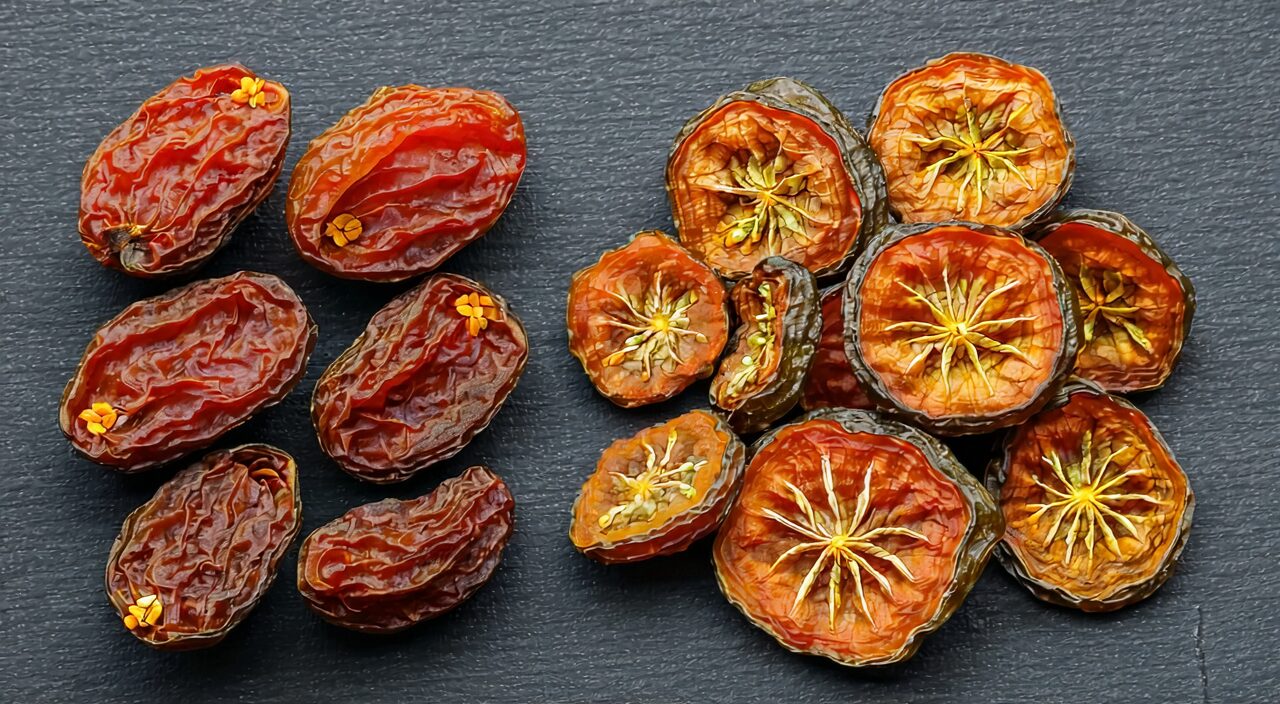
The medicinal part of jujube is its mature fruit. It is typically harvested when the fruit is nearly ripe in autumn, cleaned of impurities with water, then sun-dried or dried at a low temperature until the peel softens, followed by complete drying. Different processing methods may cause slight differences in the appearance of the medicinal material, but overall, the jujube drug is the whole dried fruit, or mainly the pitted jujube flesh.
Some sources may mention other parts of the jujube tree, such as sour jujube seed (Suan Zao Ren), which is an important herb for nourishing the heart and calming the spirit, but that comes from a different species in the same family, with the seed as the medicinal part, and cannot be directly conflated with jujube. The medicinal part of jujube is always the flesh and peel, excluding the seed. The jujube slices commonly seen in daily health practices are usually pitted flesh cut crosswise or pressed flat, supple and moist in texture, brownish-yellow in color, with a slight sweet aroma.
How Does Traditional Chinese Medicine Understand Jujube?
From a traditional Chinese medicine perspective, jujube is sweet in flavor and warm in nature, entering the spleen, stomach, and heart meridians. Sweetness can tonify, moderate, and harmonize, while warmth assists spleen yang; therefore, jujube is often used in directions related to spleen-stomach deficiency, qi weakness, and blood insufficiency.
Specifically, the traditional application ideas of jujube can be summarized in three aspects. First, it tonifies the middle and boosts qi, targeting states such as poor appetite, mental fatigue, lack of strength, and loose stools caused by spleen deficiency; jujube is often used with Atractylodis Macrocephalae Rhizoma and Codonopsis Radix to assist transformation and transportation. Second, it nourishes blood and calms the spirit: for sallow complexion due to blood deficiency, restlessness, or what is traditionally called “visceral agitation” (zang zao) in women, jujube can serve as an auxiliary, combined with Light Wheat and Licorice. Third, it moderates the nature of other herbs: in formulas containing strong or harsh medicinals, jujube can protect the stomach and moderate urgency, reducing the irritant effect of certain substances on the middle burner.
It must be clear that these actions are traditional concepts manifested in compound formulas, not direct effects achievable by single jujube. Specific application must still be combined with individual constitution and professional judgment.
What Components and Activities Does Modern Research Focus on for Jujube?
Modern pharmacological research on jujube mainly concentrates on polysaccharides, flavonoids, triterpenoids, and cyclic adenosine monophosphate (cAMP). Laboratory studies have found that jujube polysaccharides may show certain activities in regulating immune function and promoting hematopoiesis-related indicators. Some experiments also suggest that certain components in jujube have research potential in directions such as antioxidation and liver protection.
However, most of these are still in the stage of basic research or animal experiments, and the evidence in humans is not yet sufficient; experimental data cannot be directly equated with definite benefits after daily consumption. For ordinary users, it is enough to be aware of these research directions. Do not use this to judge the “efficacy” of jujube on your own, and absolutely do not treat these findings as a basis for targeted treatment of any disease.
How Does Jujube Differ from Similar Medicinal Substances?
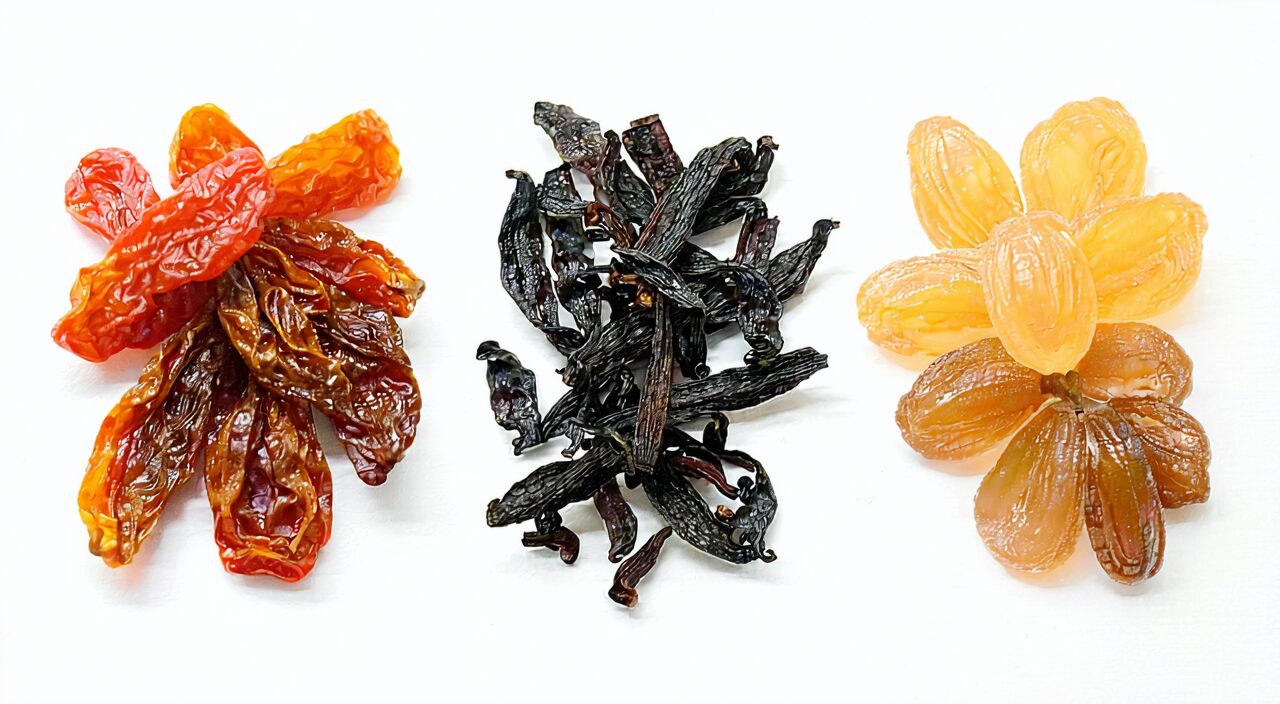
In daily life, jujube is easily confused with black date and longan fruit. The three have distinct differences in origin, appearance, and traditional application emphasis, making it necessary to differentiate them.
Black date usually refers to the fruit of a plant from the Ebenaceae family after special processing, with a jet-black or purplish-black surface and firm, dry flesh. Traditionally, it leans more toward astringing, stopping bleeding, and stopping diarrhea, differing from jujube’s direction of tonifying the middle and boosting qi. Even though jujube may darken in color after steaming, its texture remains relatively soft with prominent sweetness and moistness, and its origin is Rhamnaceae.
Longan fruit is the aril of Dimocarpus longan from the Sapindaceae family, appearing as irregular thin pieces of sticky, soft mass, brownish and semi-translucent, sticky to the touch, and sweet in taste. Longan fruit traditionally emphasizes supplementing the heart and spleen, nourishing blood, and calming the spirit, often used for fright palpitations, forgetfulness, and insomnia caused by heart blood insufficiency. Compared with jujube, longan fruit focuses more on nourishing the heart and blood, while jujube places more emphasis on supplementing the qi of the middle burner and spleen. Understanding these differences helps make more refined distinctions in traditional dietary therapy approaches, but this does not mean they can be substituted or mixed at will.
Which Formulas Use Jujube?
Jujube plays a supporting role in many classic formulas, yet is often indispensable. Below is a brief introduction to four common formulas containing jujube, mainly explaining the traditional pairing role of jujube within them.
Guizhi Decoction is a representative formula for releasing the exterior and expelling pathogens from the muscle layer; in it, jujube is paired with fresh ginger to jointly protect stomach qi and support the nutritive and defensive qi, allowing sweating without damaging the right qi. Prepared Licorice Decoction is used for directions such as knotted and intermittent pulse and palpitations; jujube works together with blood-nourishing and yin-enriching substances such as Rehmanniae Radix and Donkey-Hide Gelatin, with emphasis on boosting qi and nourishing blood to restore the pulse and settle palpitations. Ganmai Dazao Decoction has very few ingredients; in it, jujube is used with licorice and light wheat, traditionally applied to conditions like visceral agitation, sorrow with a desire to weep, and mental disorientation, emphasizing nourishing the heart, calming the spirit, moderating urgency, and harmonizing the middle. Minor Construct the Middle Decoction derives from Guizhi Decoction; jujube is paired with malt sugar to warm the middle, tonify deficiency, and moderate urgency to stop pain, often used for abdominal cramping that prefers warmth and pressure due to middle burner deficiency cold.
The above formulas are only some examples of jujube’s traditional applications. Each formula has its specific applicable manifestations and combination significance. Whether it suits an individual requires comprehensive consideration of constitution, symptoms, season, and other factors, and must be decided by a qualified TCM professional after pattern differentiation. One must not select and use them based solely on the descriptions in this article.
What Precautions Should Be Taken When Using Jujube?
Although jujube is gentle in nature and flavor, it is not suitable for everyone. The following situations require extra attention.
People with impaired glucose metabolism should strictly control their intake of jujube, as it has a high sugar content, and excessive consumption may affect blood sugar stability. Those with exuberant dampness in the middle burner who often feel abdominal bloating and have a thick, greasy tongue coating may find that jujube’s strong sweetness easily promotes dampness and cloys the diaphragm, thus worsening discomfort. People with poor dental condition or a tendency toward dental caries should clean their mouth promptly after eating jujube because its high sugar content easily adheres to tooth surfaces. In addition, long-term consumption of large amounts of jujube may lead to problems such as heat accumulation, digestive burden, and greasiness that hinders stomach function; it should not be eaten unrestrainedly as a snack.
When using Chinese herbal formulas containing jujube, standard dosages should be followed, and one should avoid increasing or decreasing the amount of any ingredient on their own. For any questions concerning constitution and specific dosage, consulting a TCM professional and making decisions based on individual circumstances is recommended.
Summary
As a representative medicinal and edible substance, the value of jujube is reflected not only in its gentle, middle-supplementing traditional approach but also in its role in many formulas, where it coordinates various herbs and cares for the spleen and stomach. Identifying jujube, understanding its medicinal parts, and distinguishing it from black date and longan fruit form the foundation for rationally recognizing this medicinal substance. At the same time, it must be seen that more jujube is not always better; caution is needed in cases of internal exuberance of damp-heat or poor blood sugar control. This article is for informational reference only and cannot substitute for professional diagnosis or treatment advice. Specific use should still be combined with individual circumstances and professional guidance.