
What Is Gansui? Medicinal Parts, Identification, and Common Formulas
Many people first encounter the name “Gansui” in some traditional water-expelling formulas. In Chinese materia medica, it is considered a substance with drastic action and obvious toxicity, often classified under the category of “drastic water-expelling medicinals.” For Chinese people living in various environments, or for non-Chinese readers interested in Chinese medicine, understanding the basic characteristics of Gansui, exactly which part of the plant it comes from, how to differentiate it from similar-looking medicinal materials, and what role it plays in traditional formulas is the first step toward building a foundation of safe awareness. This article approaches the topic from these angles, offering an objective and restrained educational overview.
What Does Gansui Look Like? How to Identify It?
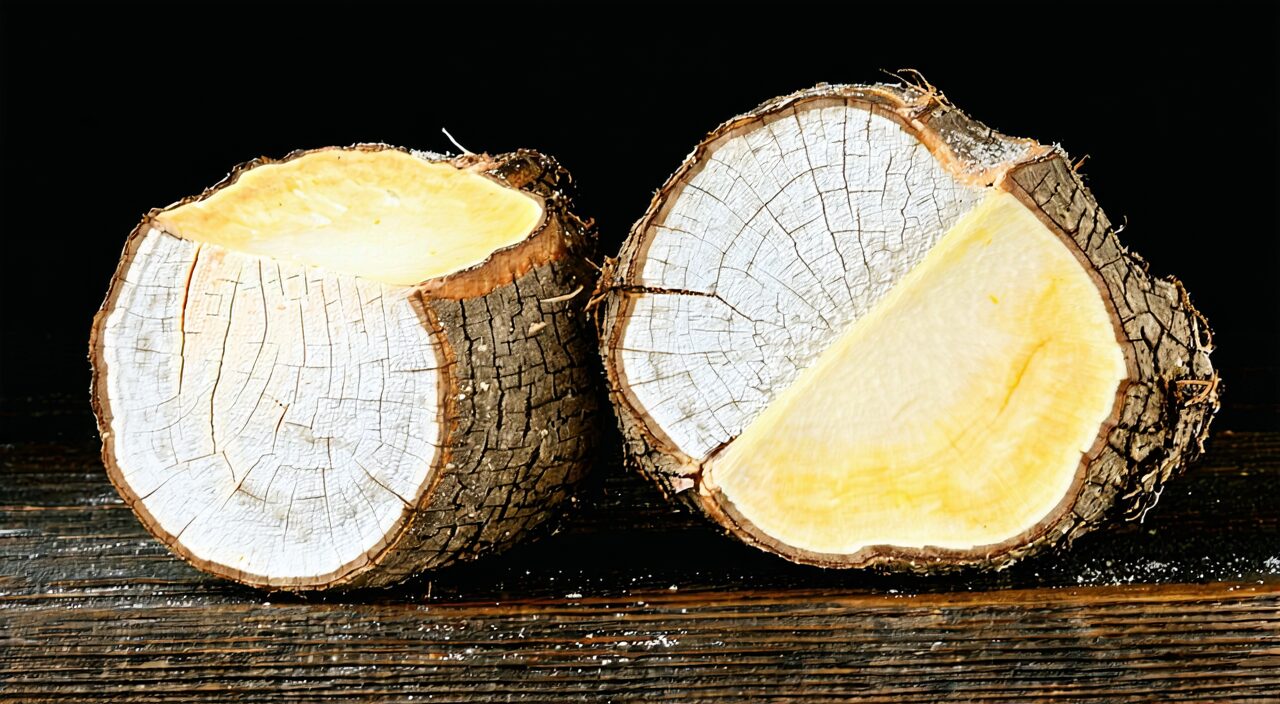
The original plant of Gansui is a perennial herb, and observing it in the wild is not necessarily easy. From the perspective of medicinal materials, more attention is paid to its dried root tuber. The medicinal Gansui is often bead-like or oblong, and sometimes irregularly rod-shaped or spindle-shaped. The size is generally not very large, but what makes its appearance memorable is that it is not a single rounded rhizome; instead, it often swells segment by segment, with slight constrictions between segments, resembling a string of beads that are not completely separated.
The surface color is mostly grayish-white, yellowish-white, or light brownish-yellow, sometimes with residual brown outer bark. When the outer bark is removed, the surface may look relatively clean, but upon close inspection it is not smooth and glossy; there are often twisted longitudinal wrinkles or fine transverse lenticel-like protrusions. The texture is relatively brittle and breaks easily. The fractured surface is whitish or yellowish-white, with quite obvious starchy texture. Scraping it with a fingernail reveals fine powder, which is a reference feature for identifying Gansui. In traditional experience, it is often said that “those with abundant starchy texture and white color are preferred,” but this only reflects the condition of the material and is not an absolute criterion for medicinal quality.
In terms of odor and taste, Gansui itself does not have a strong smell, but the taste is bitter, astringent, and persistently irritating, sometimes causing throat discomfort. Precisely because of this irritant property, ancient processing methods often employed techniques such as vinegar-processing, wrapping in dough and roasting, or water-grinding to moderate its harsh and drying nature. Direct contact in large amounts is inadvisable.
What Is the Medicinal Part of Gansui?
The medicinal part of Gansui is the root, specifically the dried root tuber. The root tuber of the Euphorbia kansui plant is harvested in spring or autumn, the outer bark is removed, and then it is dried in the sun to become the common commercial medicinal material. Because of its relatively high toxicity, the raw product is almost never directly used internally in decoctions in traditional practice; instead, it undergoes processing. Common processed products include vinegar-processed Gansui, boiled Gansui, and bran-fried Gansui. Processing can reduce its irritant property to some extent but cannot completely eliminate its toxicity.
Occasionally, one may see Gansui root processed into granules, powder, or treated with other excipients on the market. Regardless of the form, it does not mean it can be casually combined and used as a daily health supplement. Its role in traditional medicinal practice has always been very clear: it is mostly used for specific situations, for short periods and with controlled dosage. It is not suitable for ordinary healthy individuals or those with deficiency to try on their own.
How Does Traditional Chinese Medicine View Gansui?
Traditional Chinese medicine does not regard Gansui as a mild spleen-strengthening and dampness-dispelling herb, but classifies it under the category of drastic water-expelling medicinals. Drastic water expulsion, simply put, means using its relatively strong action of promoting urination and bowel movements to expel accumulated retained fluids and water-dampness from the body via the stool or urine. Therefore, its use is often focused on relatively severe water-dampness conditions such as internal retention of water-rheum, generalized edema, or fluid accumulation in the chest and hypochondrium.
Another aspect is reducing swelling and resolving masses. Some ancient texts mention that Gansui can be used for damp-heat congestion, sores, swelling, and accumulations, mostly applied externally or in pill/powder form. However, this kind of use also requires accurate pattern differentiation and strict dosage control, and should not be simply understood as an ordinary swelling-reducing medicine.
It is important to emphasize that these traditional understandings are not equivalent to modern medical efficacy evaluations and can only serve as a reference for understanding the logic of Chinese herbal medicine use. Because drastic water-expelling medicinals have relatively violent actions, people who are weak, deficient in qi and blood, or in the recovery period are generally not suitable candidates for this type of treatment.
What Aspects Are the Focus of Modern Research?
Modern research on Gansui often focuses first on its irritant properties and toxicity. Experimental studies show that Gansui contains resinous substances, ingenane-type diterpene esters, and other components that are strongly irritating to the skin and mucous membranes. Consuming unprocessed raw Gansui can easily cause a burning sensation in the mouth, throat, and gastrointestinal tract, and even trigger severe abdominal pain, diarrhea, nausea, vomiting, and other digestive reactions. Inappropriate dosage control or improper processing may also cause significant effects on organs such as the liver and kidneys.
For these reasons, Gansui is currently classified as a toxic Chinese medicinal material in many regions and cannot be used as a general food or health product ingredient. Related research is also exploring directions such as mechanisms of toxicity reduction through processing and dose-effect relationships, but overall, it is far from being at a stage where its use can be widely promoted. For general readers, the most important significance of understanding these research findings is to realize that Gansui is not an herb to try on one’s own, and a cautious attitude should always be maintained.
What Are the Differences Between Gansui, Jingdaji, and Yuanhua?
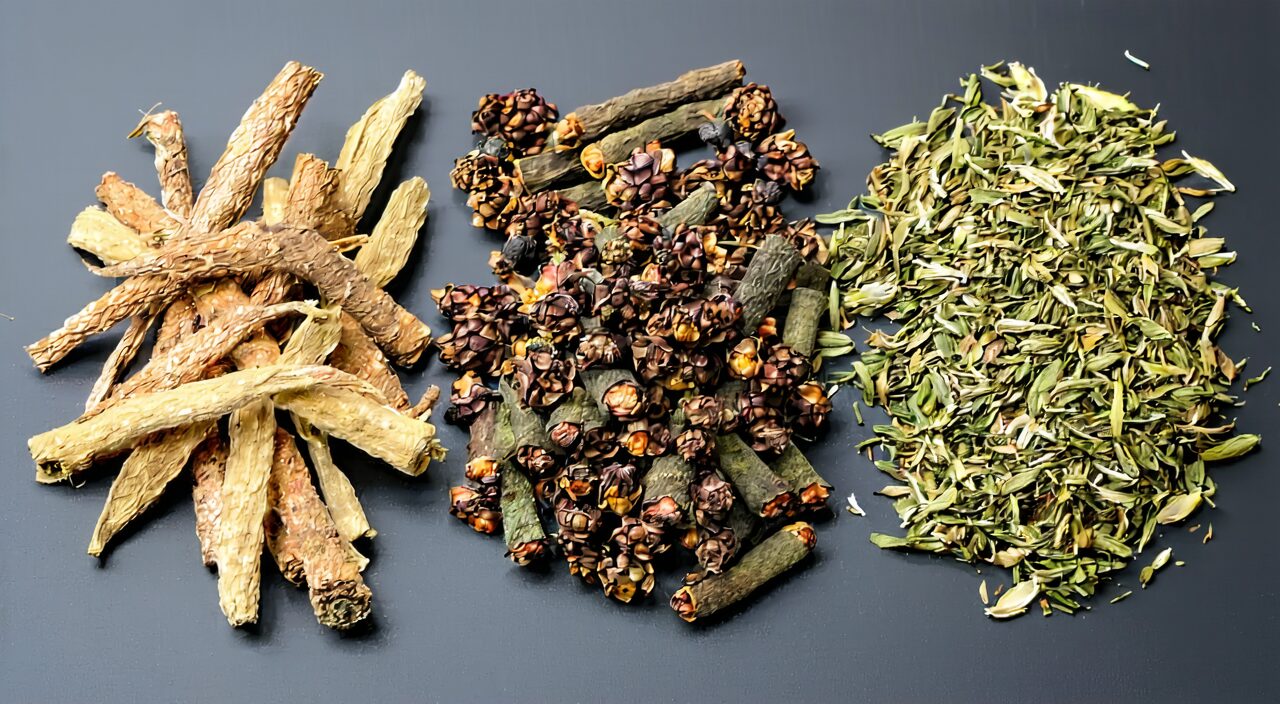
Gansui, Jingdaji, and Yuanhua are often collectively referred to as the “three drastic water-expelling ingredients,” and they occasionally appear in combination in traditional formulas. However, their original plants, medicinal parts, and appearances have relatively clear differences, which are worth comparing separately.
Jingdaji, also called Daji, comes from the root of Euphorbia pekinensis. Its medicinal part is also the root, but its root is mostly irregularly long conical or cylindrical. The surface color is usually grayish-brown to dark brown, with longitudinal wrinkles and transverse lenticels. The fractured surface is quite fibrous, and the starchy texture is generally less obvious than that of Gansui. In terms of odor and taste, Jingdaji is slightly sticky, tastes bitter and astringent, and is also strongly irritating.
Yuanhua is different. It comes from the dried flower buds of Daphne genkwa, a plant in the Thymelaeaceae family. Occasionally the leaves or roots are used, but the mainstream medicinal part is the flower, not the root. It appears as small, pale purple or grayish-green flower buds, often densely clustered in heads, with a soft texture, completely different from the root tuber form of Gansui. Yuanhua also has strong irritant properties and toxicity, and is traditionally used for water expulsion and reducing swelling.
Purely from the perspective of medicinal materials, Gansui is most easily confused with Jingdaji because both are root materials with certain toxicity. However, by mastering the bead-like root tuber characteristic and the starchy fractured surface, one can generally make a rough distinction. In actual use, these three medicinals each have their own emphasis. Whether they can substitute for each other or how to combine them must be considered within a complete pattern differentiation framework, and it is not advisable to compare and use them on one’s own.
Which Formulas Use Gansui?
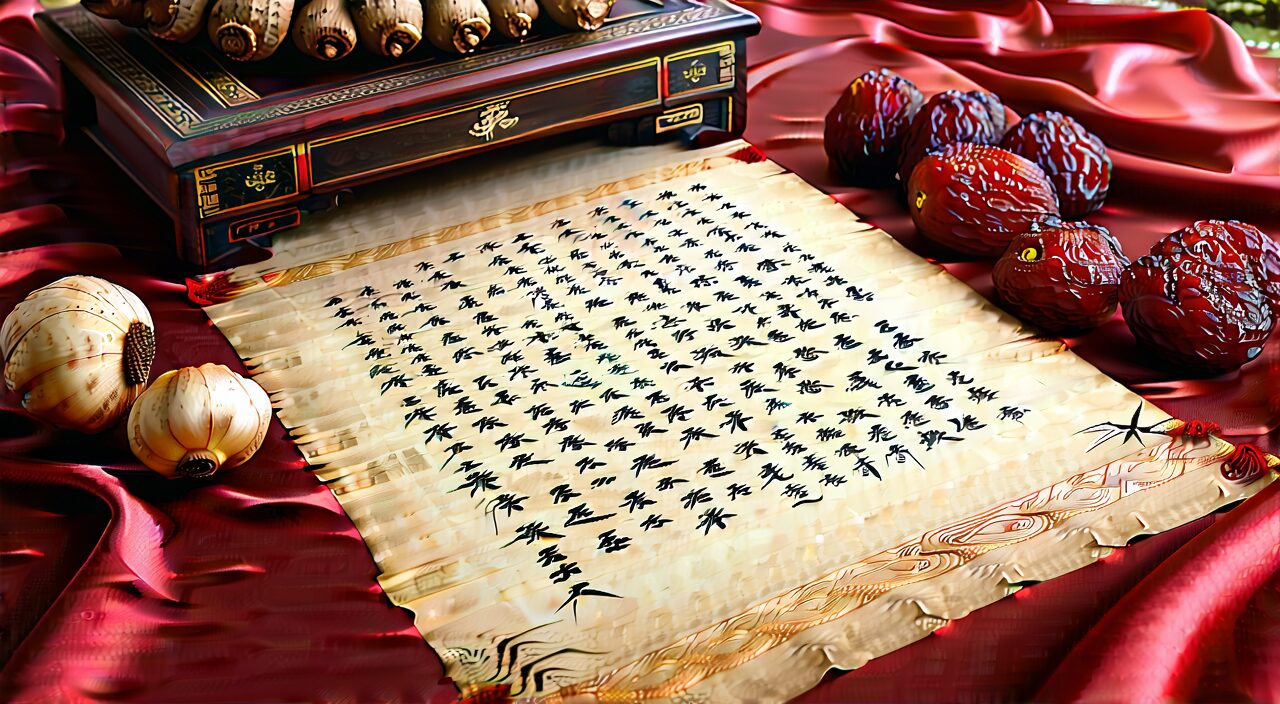
Gansui often appears as the main medicinal in classical formulas for expelling water and attacking rheum. Below are a few representative examples, provided solely for educational understanding and not as practical application recommendations.
Shizao Decoction (Ten Jujubes Decoction) is relatively well-known in the literature. It combines Yuanhua, Gansui, Daji, and ten jujubes. Traditionally, the powdered three medicinals are taken with jujube decoction, with the intention of moderating the harsh properties while assisting the expulsion of water-rheum. In ancient times, this formula was often used for conditions such as pleural fluid retention and propping rheum, where water-dampness accumulates in the chest and hypochondrium. Its action is strong, and today the original formula is very rarely used directly; it usually requires rigorous pattern differentiation and physician oversight.
Gansui Banxia Decoction combines Gansui with Banxia (Pinellia), Shaoyao (Peony), Gancao (Licorice), and others. The therapeutic approach is to transform phlegm, expel retained fluids, and regulate qi dynamic, used for retained rheum below the heart with epigastric stuffiness and hardness. In this formula, Gansui and Gancao are used together, which from the traditional compatibility perspective belongs to the “mutual antagonism” category. Hence, this formula has always been a subject of much discussion regarding compatibility, which further illustrates that the circumstances for using Gansui are very particular and it is by no means something to be added or removed at will.
Zhouche Pill and Kongxian Dan are also drastic water-expelling formulas. Zhouche Pill combines Gansui with Qianniuzi (Pharbitis seed), Dahuang (Rhubarb), and others, traditionally used for water-heat congestion with edema, distension, and difficulty in urination and defecation. Kongxian Dan is composed of Gansui, Daji, and Baijiezi (White mustard seed), and focuses on searching out and dispelling phlegm-rheum beneath the skin and outside the membranes. These formulas exist only within the knowledge framework of professional Chinese medicine and should not be taken as references for home health care.
It should be reminded that any formula involving Gansui requires overall assessment under the guidance of a professional, and one should not simply apply it based on a few symptoms. Different formulas correspond to different disease locations of water-rheum, as well as different cold, heat, deficiency, and excess patterns. Blind application can cause irreversible physical harm.
What Precautions Should Be Taken When Using Gansui?
Healthy individuals, those who are pregnant or breastfeeding, as well as people with weak constitution, obvious dehydration, serious digestive tract problems, or known liver or kidney dysfunction should all avoid Gansui. In traditional medicinal experience, Gansui and Gancao are listed as one of the “Eighteen Antagonisms,” and it is generally believed that they should not be used together, which also indirectly indicates its high compatibility risk.
Regardless of the purpose, Gansui is not suitable for self-purchase, pulverization, decoction, or combination with other herbs. If persistent edema, ascites, or chest/hypochondriac pain occurs in daily life, one should first obtain a clear diagnosis from modern medicine, and only then consider whether auxiliary Chinese herbal treatment is needed, rather than directly pinning hopes on harsh water-expelling medicinals like Gansui.
The contents of this article are all objective introductions related to traditional Chinese medicine knowledge and do not constitute any medication guidance or therapeutic promise. If there is any uncertainty about your physical condition, you should first consult a licensed professional physician or Chinese medicine practitioner.
Summary
Gansui is a typical toxic, drastic water-expelling medicinal. Its medicinal part is the dried root tuber, which often appears bead-like with a starchy fractured surface. In appearance it is distinguishable from materials like Jingdaji but can be easily confused. Although it appears in classic formulas such as Shizao Decoction and Kongxian Dan, its action is drastic and the circumstances for its use are extremely specific, making it completely unsuitable for personal experimentation. Understanding its characteristics and risks is more important than memorizing its formulas. Any related decision should be made on the basis of professional guidance and a clear diagnosis.