
What Is Plantago Seed? Medicinal Parts, Identification, and Common Formulas
Many people first hear about Plantago seed because elders in their families use it to brew water during the damp-heat season, or see its name in traditional formulas. What exactly is Plantago seed? How is it different from the Plantago herb we occasionally see by the roadside? This article starts with appearance identification and the medicinal part, then gradually sorts through the understanding of Plantago seed in Chinese medicine, related formulas, and directions that need attention when using it, providing a foundation for understanding.
What Does Plantago Seed Look Like? How to Identify It
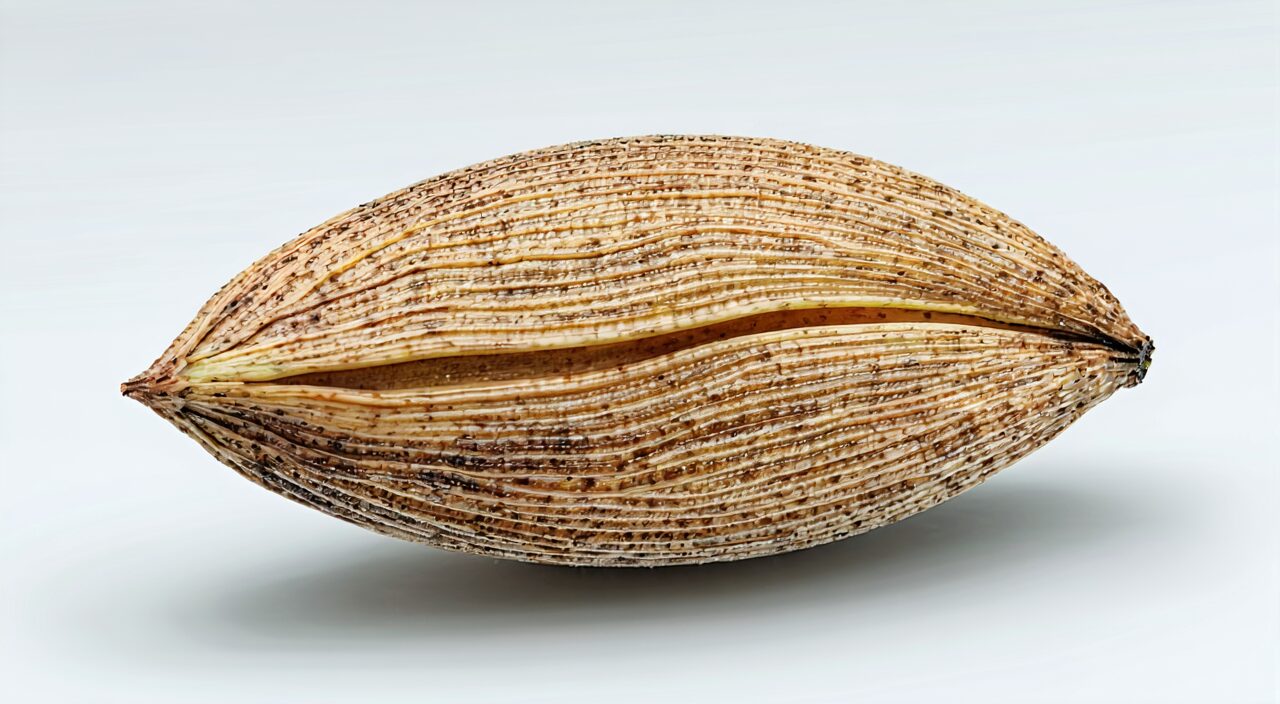
Plantago seed is not a fruit but the mature seed harvested from Plantago asiatica or Plantago depressa. Dried Plantago seeds are very small, each only about 1–2 millimeters, but when you look closely in the palm of your hand, the characteristics are quite obvious.
The seeds are generally oval or irregularly oblong, slightly pointed or blunt at both ends. The color is mainly yellowish-brown, brownish-brown to dark brown, with variations between batches. A key identifying feature is a small grayish-white concave spot on the ventral side of the seed — this is the hilum. If you have a magnifying glass, you can more clearly see fine wrinkles on the seed surface.
Another distinctive characteristic is its reaction to water. Placed in a small amount of water, Plantago seed becomes mucilaginous, gradually secreting a transparent gel-like substance on the seed surface. This is why, traditionally, it often needs special handling when added to decoctions to prevent it from sticking to the pot bottom or affecting the extraction of the medicinal liquid.
If you harvest and prepare it yourself, you must confirm that the plant source is Plantago asiatica or Plantago depressa, and also ensure the seeds are fully mature. Immature seeds are paler in color and lighter in texture; traditionally, their effects are considered different from those of fully mature seeds.
What Is the Medicinal Part? Harvesting and Processing
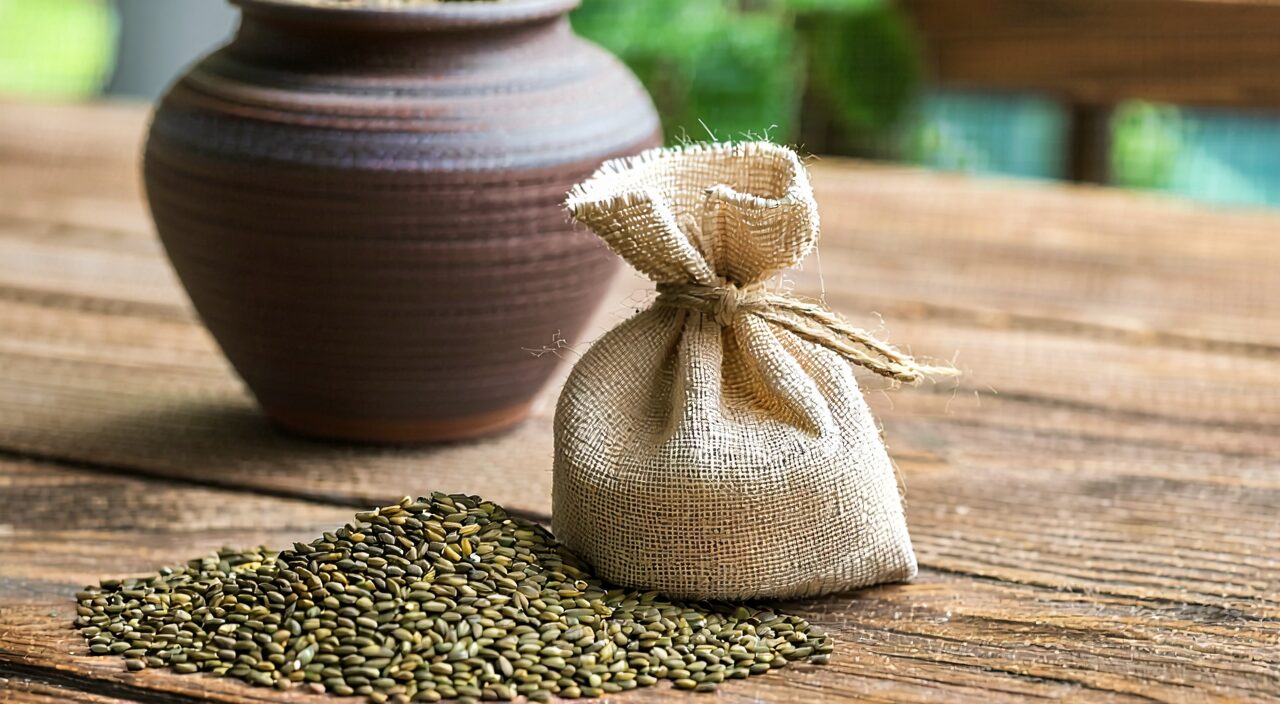
The medicinal part of Plantago seed is precisely its mature seeds, not the whole plant. So whenever ‘Plantago seed’ is mentioned, it refers to the seed part, which is completely different from Plantago herb.
Generally, the seed spikes are harvested when the seeds mature in summer or autumn, dried in the sun, then the seeds are rubbed out, impurities removed, and further dried. In terms of processing methods, in addition to using raw Plantago seed, stir-fried Plantago seed is also common. After stir-frying, the cold nature of the seeds is slightly moderated, the texture becomes more crisp, and the components are easier to release during decoction.
Because Plantago seed is rich in mucilage, it is traditionally wrapped in gauze before being put into the decoction pot — this is called ‘decocting in a gauze bag’. This practice is mainly to prevent the seeds from clumping together and sticking to the pot bottom, or making the decoction too turbid and affecting consumption. If you are handling it yourself, it is recommended not to skip this step.
How Does Traditional Chinese Medicine Understand Plantago Seed?
In Chinese medicine theory, Plantago seed has long been classified as a diuretic damp-draining herb. Its nature and flavor are sweet and bland, slightly cold, with a quite clear direction of action, mainly relating to clearing heat, promoting urination, relieving stranguria, draining dampness to stop diarrhea, improving vision, and expelling phlegm.
Clearing heat, promoting urination and relieving stranguria is the most frequently mentioned use of Plantago seed. When the body experiences difficult urination, dripping and painful urination due to damp-heat, traditionally it is considered to combine Plantago seed with other damp-draining herbs to help restore smooth urination.
The approach for draining dampness to stop diarrhea is slightly different. Plantago seed can ‘promote urination to solidify stools’, meaning by separating and draining dampness, excess water in the intestines is expelled through urine, thus allowing the stool to become formed. This method is often considered as one reference direction when dampness pathogens are predominant and the stool is loose or watery.
In terms of improving vision, Plantago seed does not directly nourish the eyes, but rather indirectly alleviates red, swollen and painful eyes or blurred vision caused by liver heat attacking upward, by clearing liver meridian heat and guiding damp-heat downward. As for expelling phlegm, Plantago seed is also often used for lung-heat cough with profuse, sticky phlegm, leveraging its effects of clearing the lung, resolving phlegm and regulating qi to make phlegm easier to expel.
These understandings are not isolated; behind them all lies the core idea of ‘unblocking, draining, and clearing’. Whether it is suitable for an individual depends on a comprehensive assessment of constitution, season, and specific manifestations, and cannot be simply applied.
What Has Modern Research Discovered?
Modern research on Plantago seed mainly focuses on its components and pharmacological actions. Plantago seed contains polysaccharide mucilage, flavonoids, phenylethanoid glycosides, and various trace elements. These components are believed to be related to lubricating the intestines, increasing intestinal bulk, and promoting intestinal peristalsis.
Animal experiments and in vitro studies have also observed that the polysaccharide components in Plantago seed may help regulate blood lipid and blood sugar levels, while also possessing certain antioxidant capacity. Regarding the respiratory tract, Plantago seed extracts have shown tendencies to dilute sputum and aid expectoration. However, it should be noted that these studies are mostly at a basic stage and more often provide a perspective for explaining traditional actions, rather than directly equating to effects in the human body.
For users who consider Plantago seed for daily health direction, understanding this information can help establish more rational expectations, but it does not mean it can replace a balanced diet and necessary medical intervention.
How Is Plantago Seed Different from Plantago Herb and Cassia Seed?
These three names are easily confused, but they are actually three different things, and their action directions also have different emphases.
Although Plantago seed and Plantago herb come from the same plant, the medicinal parts are different. Plantago herb uses the whole plant, including roots, stems, and leaves. The harvesting period is generally before flowering or at the early flowering stage. It is more biased toward clearing heat, resolving toxins, cooling blood and promoting urination, and is more often used for heat stranguria, blood stranguria, or skin sores and ulcers. Plantago seed, on the other hand, is the mature seed and acts more downward, with a stronger tendency to drain dampness to stop diarrhea and improve vision, while its heat-clearing strength is more concentrated on the lower burner compared to the whole herb.
Cassia seed and Plantago seed are both small seeds, even somewhat similar in appearance, but their sources are completely different. Cassia seed is the mature seed of the leguminous plant Cassia obtusifolia or Cassia tora, which is biased toward clearing heat, improving vision, and moistening the intestines to promote bowel movements. It is more commonly used especially for liver heat causing red eyes, headache, dizziness, and intestinal dryness constipation. Although both can improve vision, Cassia seed tends more toward wind-heat in the liver meridian, while Plantago seed also addresses damp-heat and expels phlegm. If you choose herbs yourself in daily life, be sure to distinguish the two clearly to avoid using the wrong one.
Plantago Seed in Common Formulas
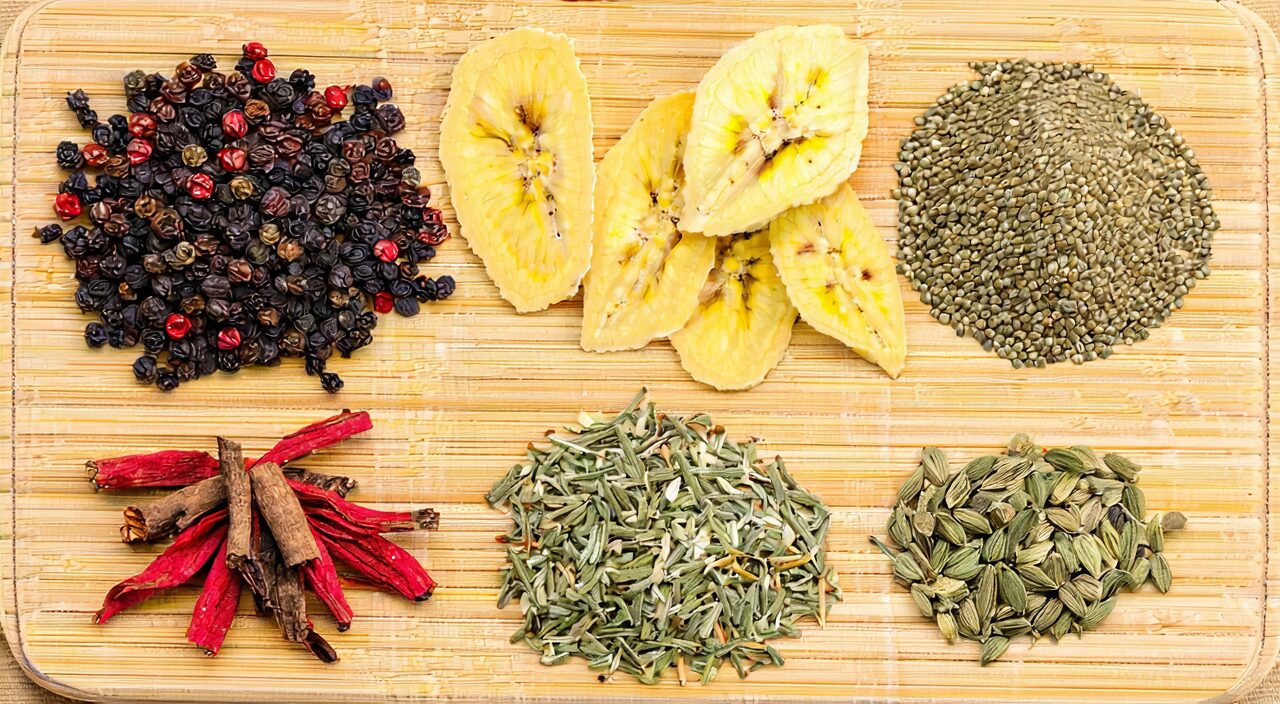
Plantago seed plays a role in many classic formulas, but the emphasized direction varies greatly from formula to formula. Sorting them out can serve as a clue for further understanding.
Five Seeds Ancestor-Benefiting Pill (Wuzi Yanzong Wan) is a traditional formula for tonifying the kidney and replenishing essence. In addition to Plantago seed, it contains goji berry, dodder seed, raspberry, and schisandra fruit. Here, Plantago seed is not used for promoting urination, but for its dispersing and unblocking nature, preventing excessive tonification from causing stagnation. This formula is traditionally considered as a regulating approach related to reproduction, development, and anti-aging, commonly seen in scenarios such as male infertility and diminished vitality.
Gentiana Liver-Draining Decoction (Longdan Xiegan Tang) is characterized by clearing excess fire from the liver and gallbladder and draining damp-heat. Plantago seed in it works together with gentian root, baical skullcap root, and water plantain to promote urination and relieve stranguria, guiding damp-heat out through the urine. This formula is traditionally commonly used for conditions such as headache, red eyes, hypochondriac pain, and turbid stranguria caused by liver-gallbladder damp-heat, but its nature is relatively cold and should not be used for a long time.
Eight Corrections Powder (Bazheng San) is a commonly used formula for damp-heat stranguria. With herbs like polygonum aviculare, dianthus, and talc as the main components, Plantago seed strengthens the heat-clearing and water-draining force, suitable for frequent and urgent urination, dripping heat pain caused by damp-heat pouring downward. Its direction is very precise.
Life-Saving Kidney Qi Pill (Jisheng Shenqi Wan) is formed by adding Plantago seed and achyranthes root to the Golden Cabinet Kidney Qi Pill. This modification enhances the water-draining force while warming and tonifying kidney yang. Traditionally, it is used for edema, heavy sensation in the waist and swollen feet, and difficult urination caused by insufficient kidney yang with internal water-dampness stagnation. Here, Plantago seed assumes the role of unblocking water pathways and assisting in reducing swelling.
It should be reminded that these formulas each have their suitable directions, and constitutional differences in cold, heat, deficiency, and excess vary. Before use, a comprehensive judgment combining product instructions, personal circumstances, and professional advice is necessary; one should not self-apply a formula just because it is well-known.
What Should Be Noted When Using Plantago Seed?
Although Plantago seed is relatively mild in nature, it is still a damp-draining diuretic herb, and there are still some directions that require special attention during use.
The first is the issue of dehydration and electrolyte balance. Plantago seed promotes urine excretion. If there is already diarrhea, vomiting, or profuse sweating, using a large amount may further increase fluid loss, causing fatigue, dry mouth, or even electrolyte imbalance. Therefore, in cases of fever, acute diarrhea, or high-temperature environments, it is not suitable to add extra Plantago seed on your own.
The second consideration is kidney function. Plantago seed mainly acts on the urinary system. For people who already have severe kidney disease or significantly reduced kidney function, additionally increasing the filtration burden on the kidneys may not be appropriate. In such cases, any diuretic herb needs to be evaluated under medical guidance and cannot be decided arbitrarily.
Drug absorption is also an easily overlooked point. The large amount of mucilage in Plantago seed can form a gel-like substance in the intestines. If taken simultaneously with certain oral medications, it may affect the disintegration and absorption of the drugs. Therefore, Plantago seed and conventional medications should ideally be taken at intervals of at least one to two hours to avoid mutual interference.
In addition, during the use of Plantago seed, adequate water intake should be ensured to keep water metabolism smooth, but the specific amount and timing of drinking need to be adjusted according to personal sensation and weather conditions; there is no need to force yourself to drink a fixed number of milliliters.
For people who already have deficiency patterns such as enuresis, spermatorrhea, or qi sinking with prolapse, the unblocking and draining nature of Plantago seed may not be suitable for long-term use. Whether it is suitable still needs to be judged based on the individual’s overall condition.
It particularly needs to be stated that any severe, long-term, or recurrent abnormal urination, or those accompanied by obvious low back pain, edema, fever, weight loss, etc., should first consult a doctor, rather than self-treating with a single herb. All content in this article is only a popular science introduction around Plantago seed and cannot replace professional diagnosis or treatment advice.
Summary
As a common diuretic damp-draining Chinese herb, Plantago seed acts through its mature seeds. From identifying its appearance characteristics to decocting it in a gauze bag, understanding these helps better grasp its usage. In traditional Chinese medicine, it is used for clearing heat and promoting urination, draining dampness to stop diarrhea, improving vision, and expelling phlegm. Classic formulas such as Five Seeds Ancestor-Benefiting Pill and Eight Corrections Powder also demonstrate its value in flexible combinations. During use, special attention should be paid to fluid balance, kidney function status, and medication intervals. Any persistent physical discomfort should prioritize seeking professional help to avoid delaying treatment through self-judgment.