
What Is Plantain Herb? Medicinal Parts, Identification, and Common Formulas
In fields, roadsides, grasslands, and even between bricks, a plant often seen growing close to the ground with broad leaves and several distinct longitudinal veins is commonly called “cartwheel vegetable” or “pig’s ear grass.” Many overseas Chinese have known since childhood that it can be steeped in water for drinking, but what exactly plantain herb is, which parts are used medicinally, and how it differs from plantain seeds may not be clear to everyone. Starting with plant identification, this article combines traditional Chinese medicine knowledge to give you a systematic understanding of plantain herb.
What Does Plantain Herb Look Like? How to Identify It
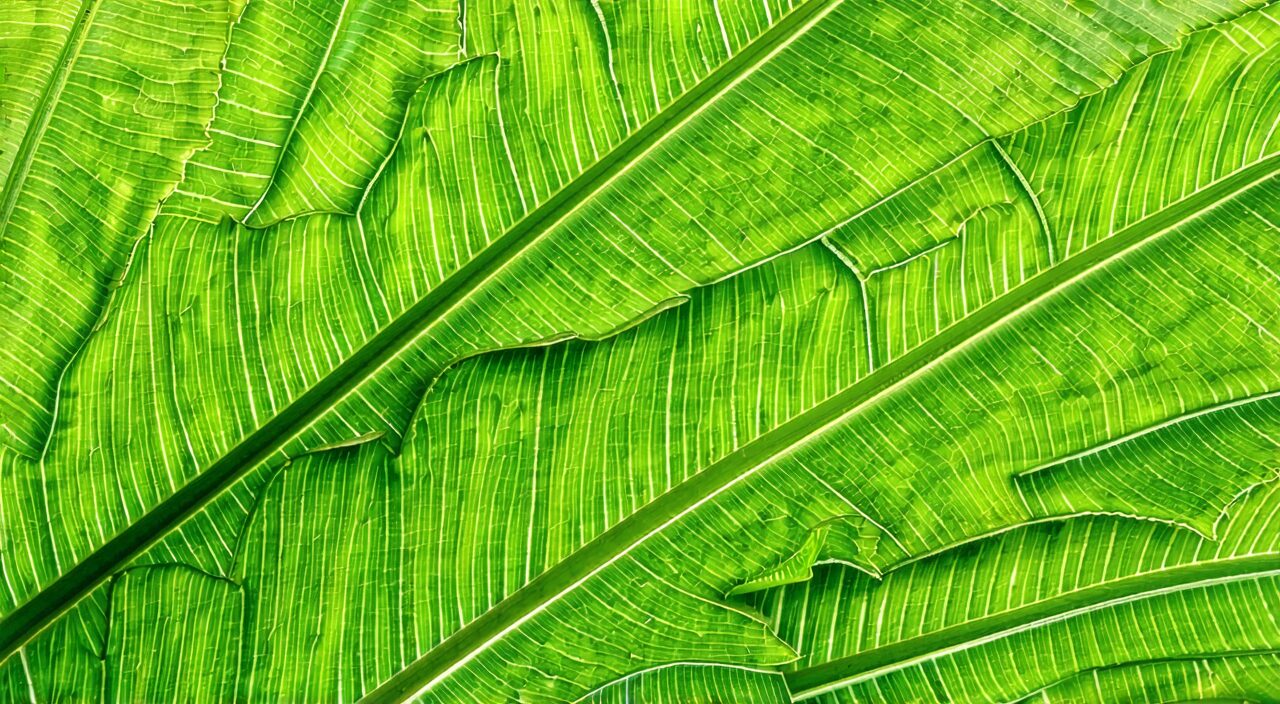
The most noticeable feature of plantain herb is its basal leaves — they emerge directly from the root, are ovate or elliptical with entire or slightly wavy margins, have relatively long petioles, and spread flat against the ground. The most distinctive characteristic is the parallel, arcuate veins, usually 5 to 7 in number, running clearly from the leaf base to the tip. When you gently tear a leaf, you can see fine, tough thread-like connections between these veins, a common feature in many Plantago species.
The flower scape rises from the leaf cluster, long and slender, noticeably taller than the leaves, topped with a spike-like inflorescence densely packed with tiny greenish-white flowers. The petals are inconspicuous, resembling a thin ear of grain stuck in the center of the plant from a distance. Flowering mostly occurs in summer and autumn; the inflorescence then shows stamens extending pale purple or yellowish-white anthers. After pollination, rows of short capsules form, each containing several tiny brownish-black seeds — these are the familiar plantain seeds. Knowing these features makes it relatively easy to distinguish plantain herb from other weeds in the wild.
What Is the Medicinal Part of Plantain Herb?
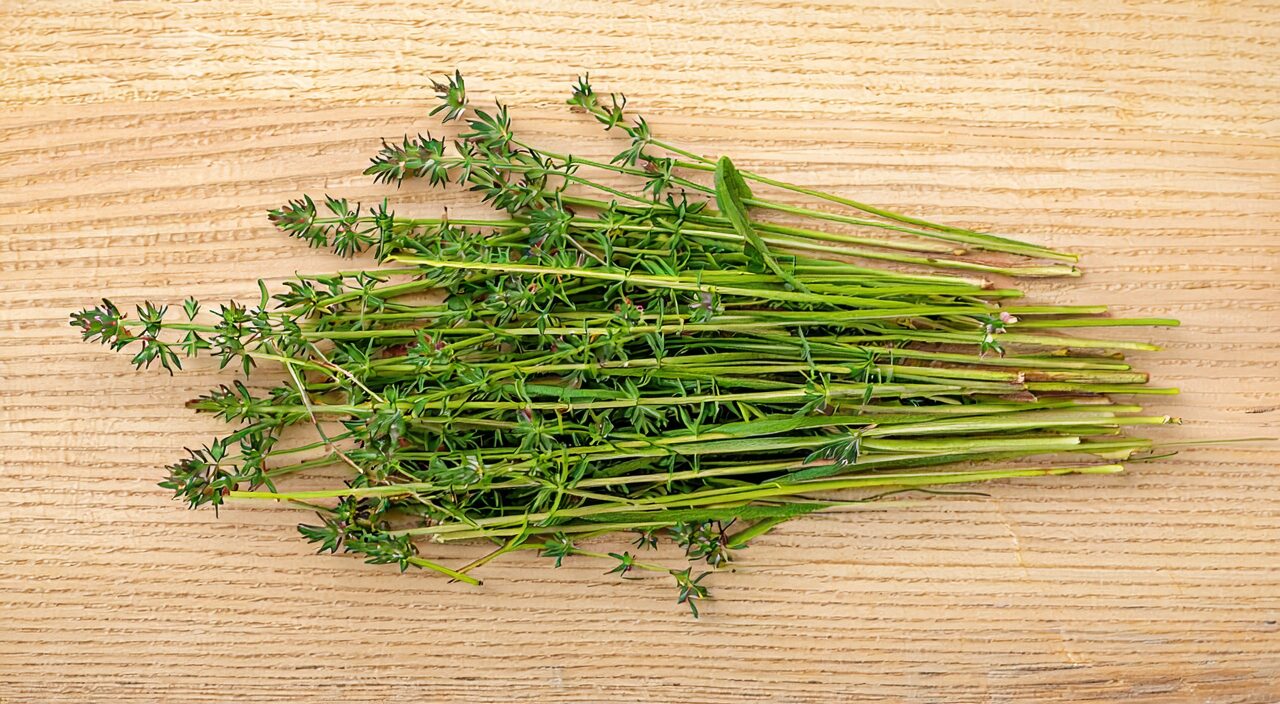
The medicinal part of plantain herb is the dried whole plant, including the roots, leaves, inflorescences, and fruiting spikes. During harvest, the entire aerial portion is cut, soil is removed from the roots, and it is sun-dried or cut into segments for use. Traditionally, shade drying or low-temperature drying is preferred, with good-quality material retaining green leaves, free of impurities and heavy old stems. In some production areas, after the whole plant is dried, some fibrous roots and extraneous matter are removed.
It is important to note that the whole herb used as medicine is entirely different from plantain seeds, which are the dried mature seeds collected separately. Plantain herb emphasizes the synergistic effect of the whole plant, while plantain seeds focus on the properties of the seeds themselves. In traditional usage, each has its own emphasis and cannot be substituted for one another (this will be detailed in a later comparison). Therefore, when purchasing or wildcrafting, you must first be clear whether you need the whole herb or the seeds.
How Does TCM Understand Plantain Herb?
Traditionally, Chinese medicine understands plantain herb in terms of clearing heat, promoting urination to relieve strangury, dispelling phlegm, cooling the blood, and resolving toxicity. Its nature and flavor are generally sweet and cold, entering the Liver, Kidney, Lung, and Small Intestine meridians. In some classic heat-clearing and diuretic formulas, plantain herb often appears as an auxiliary herb, particularly for conditions caused by damp-heat pouring downward such as strangury with turbid urine, edema, and difficult urination, potentially helping the body eliminate excess dampness and heat.
In addition to promoting urination and relieving strangury, it is often used for coughs and throat discomfort caused by phlegm-heat, clearing the lungs and transforming phlegm to benefit the respiratory system. For sores, abscesses, redness, and swelling on the skin due to accumulated heat toxins, traditional practice also uses fresh plantain herb pounded for external application or boiled for washing, taking advantage of its blood-cooling and toxin-resolving effects. It should be noted that these usage directions are based on traditional experience. Individual constitution and symptoms vary, so suitability requires assessment based on personal circumstances and should not be taken as a basis for self-medication.
What Has Modern Research Discovered?
Modern phytochemical studies have found that plantain herb contains polysaccharides, flavonoids (such as luteolin and apigenin), iridoid glycosides (such as aucubin), and phenylethanoid glycosides. Some in vitro experiments and animal studies suggest that these components may be related to diuretic, anti-inflammatory, antitussive, and immune-modulating effects, but the evidence is still mainly at the laboratory level, and high-quality human clinical studies confirming direct therapeutic efficacy are lacking. Therefore, modern research findings can serve as references for understanding plantain herb but cannot be equated with medical proof.
The information cited here is only to provide scientific background understanding and does not imply that plantain herb products possess these medical functions, nor does it advocate personal heavy use.
What Are the Differences Between Plantain Herb and Plantain Seeds?
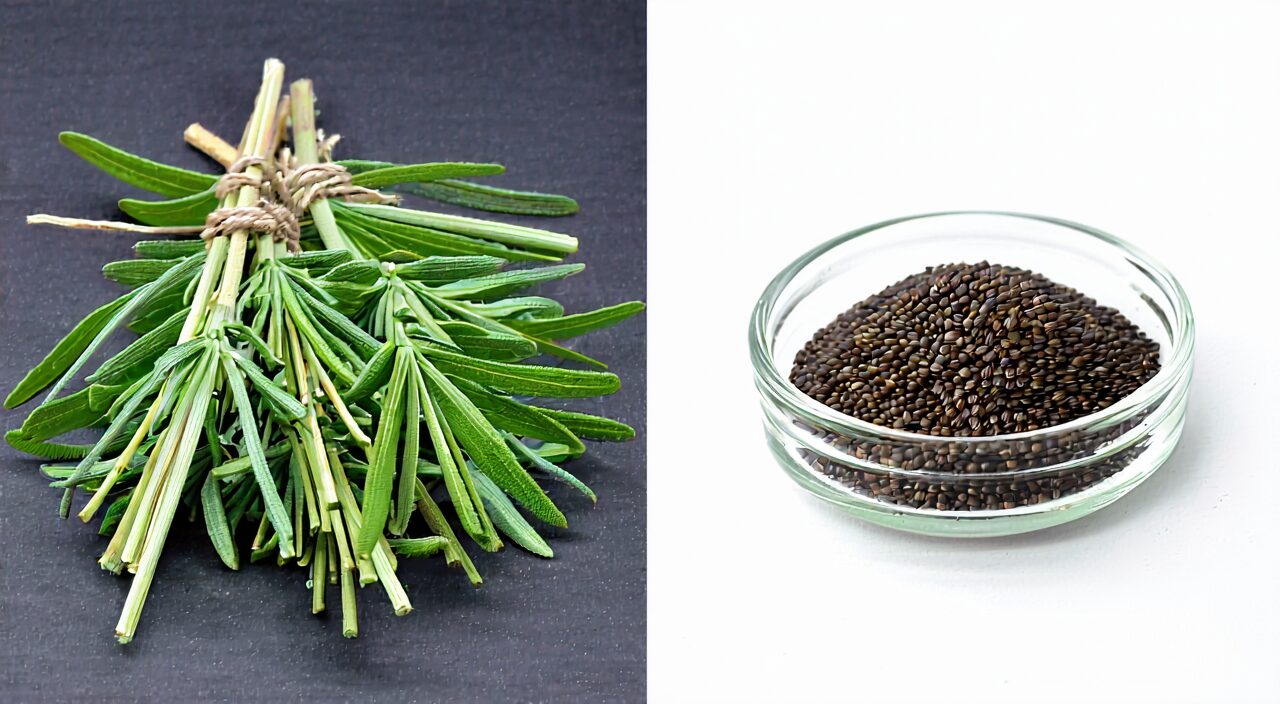
Plantain herb is the dried whole plant of Plantago, while plantain seeds are the dried mature seeds of Plantago asiatica or Plantago depressa. Although they come from the same source, their appearance differs greatly: plantain seeds are tiny, flat, granular, brownish-black, and become sticky and swell when in contact with water, with a layer of mucilage on the surface; plantain herb consists of whole herb pieces including leaves, stems, and flower spikes.
In terms of traditional usage direction, plantain seeds emphasize promoting water passage and percolating dampness to stop diarrhea, often used for edema, distention, urinary strangury, and summer-damp diarrhea; because of their high mucilage content, they also have a stool-loosening effect, suitable for intestinal dryness and constipation. Plantain herb’s heat-clearing, diuretic, blood-cooling, and toxin-resolving properties are more prominent, often used for damp-heat strangury, cough with profuse phlegm, sores, and abscesses. Therefore, although both can be used for damp-heat-induced difficult urination, the specific choice often depends on whether the focus is more on clearing and resolving heat toxins or on promoting urination and percolating dampness, and must also take into account constitutional symptoms and professional advice.
Which Formulas Use Plantain Herb?
Many traditional formulas include plantain herb, especially those for clearing heat and relieving strangury. A common example is “Plantain Herb Decoction,” which typically features plantain herb as the main ingredient combined with other heat-clearing and dampness-draining herbs, used for lower jiao damp-heat causing scanty, dark urine, frequent urination with stabbing pain, etc. However, such formulas are not fixed patent medicines, and the composition and dosage vary by region.
Additionally, the market offers prepared Chinese medicines such as Plantain Herb Granules, made primarily from plantain herb, commonly used in the direction of clearing heat, resolving toxins, promoting urination, and relieving strangury. Heat-clearing and strangury-relieving formulas may also include herbs like Lysimachia, Lygodium spore, Dianthus, and Polygonum aviculare, with plantain herb playing a supporting role in promoting urination. It must be noted that the application of formulas requires comprehensive information such as tongue coating, pulse conditions, and symptom characteristics. It is not recommended to use them on your own based solely on a single description. The formulas and patent medicines mentioned are only common examples; whether they suit an individual’s situation requires consideration of product instructions, constitutional differences, and professional advice.
What Precautions Should Be Taken When Using Plantain Herb?
Even though plantain herb is a relatively mild herb, there are still key precautions to observe. First, those with significantly reduced kidney function or who need to limit potassium intake should use plantain herb with extra caution, because the whole herb contains a notable amount of potassium, and heavy use may increase the burden on the kidneys. Second, plantain herb has a diuretic effect; people with low blood pressure or prone to dehydration should not take it in large amounts over a long period, to avoid worsening dizziness or fatigue.
When wildcrafting plantain herb, be sure to pay attention to the safety of the collection environment, avoiding plants near roadsides, industrial areas, or pesticide-sprayed regions to reduce the risk of heavy metal or pesticide residue contamination. After collecting, wash thoroughly and dry properly; fresh whole herbs should not be consumed casually in large amounts.
Finally, no herb can replace proper medical diagnosis and treatment for urinary system diseases. If you experience recurrent urinary frequency, urgency, or pain, or accompanying fever, back pain, hematuria, or obvious edema and oliguria, seek medical attention promptly to identify the cause, rather than self-treating with plantain herb. All content in this article is only for popular science education about traditional herbs and cannot replace a physician’s diagnosis and treatment advice.
Summary
Plantain herb is a widely used herb in traditional Chinese medicine, taken as the whole herb, with multiple characteristics including clearing heat, promoting urination to relieve strangury, dispelling phlegm, cooling the blood, and resolving toxins. Recognizing its basal leaves, parallel arcuate veins, and slender spike inflorescences helps in correct identification in natural environments. Understanding its differences from plantain seeds in appearance and use can prevent misuse. Before using, pay attention to kidney function status, blood pressure levels, and the risk of contamination when collecting, and always keep in mind that herbal medicine cannot replace professional medical treatment.