
What Is Lysimachia Christinae? Medicinal Parts, Identification, and Common Formulas
Many people have heard of Lysimachia christinae (Jinqiancao), but when trying to identify it, they often confuse it with Desmodium styracifolium (Guangjinqiancao), Glechoma longituba (Lianqiancao), and others. What exactly is the plant called Lysimachia christinae? Which part of it can be used medicinally? And what traditional formulas include it? This article will systematically help you understand this commonly used Chinese herb through its appearance, medicinal parts, traditional understanding, and differences from similar species, while also introducing several common preparations containing it and safety precautions to keep in mind when using it.
What does Lysimachia christinae look like? How to identify it
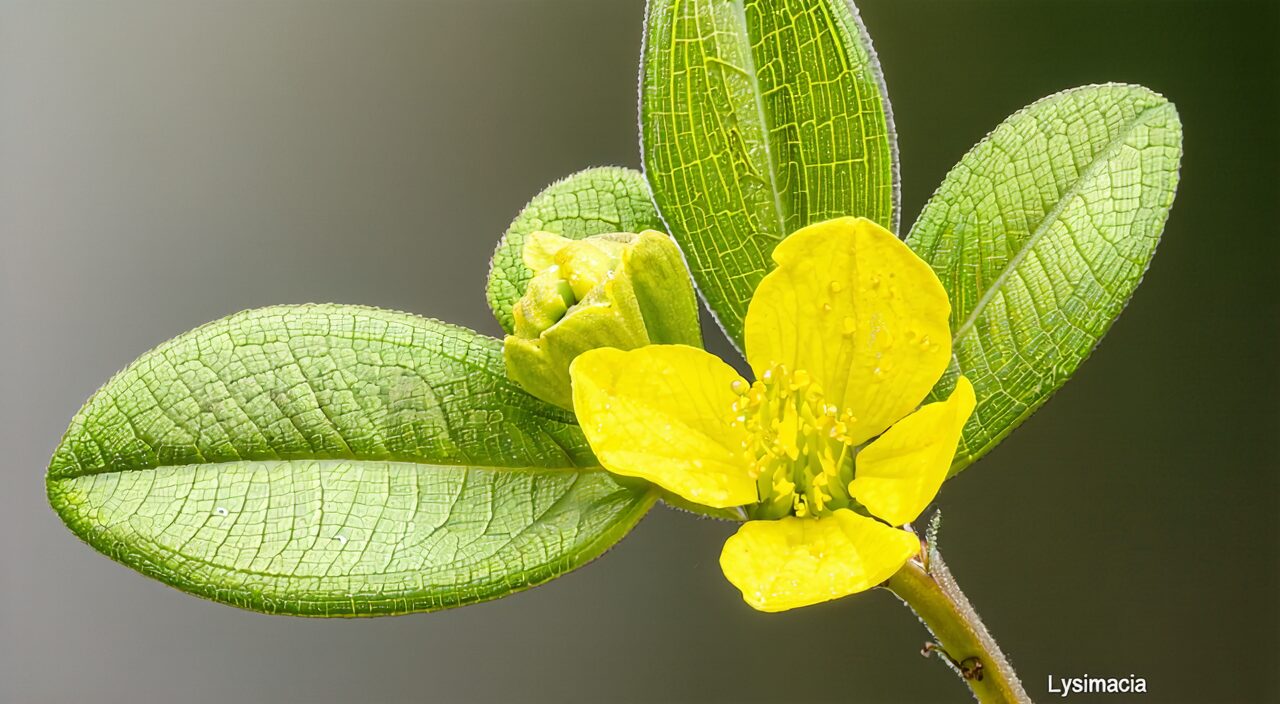
The original plant of Lysimachia christinae is a perennial creeping herb of the Primulaceae family, also known as Herba Lysimachiae. Its stems are slender and soft, often sprawling flat along the ground, rooting easily at the nodes and forming large green cushion-like colonies. The leaves are opposite, nearly round or heart-shaped, with a blunt apex, a shallowly cordate base, and entire margins. The upper leaf surface is green, the lower slightly paler, and both surfaces are hairless, but you can observe distinct net-like veins and a slight translucent feel when held up to light. During the flowering period, small yellow flowers appear singly or in pairs in the leaf axils; the corolla is usually five-lobed, bright yellow, contrasting beautifully with the green round leaves. The whole plant is only a few to over ten centimeters tall, and its prostrate, spreading habit makes it commonly found in moist grasslands, ditches, and mountain forest edges. Grasping these three features—creeping stems, opposite round leaves, and yellow flowers—is key to quickly identifying Lysimachia christinae in the wild.
What is the medicinal part of Lysimachia christinae?
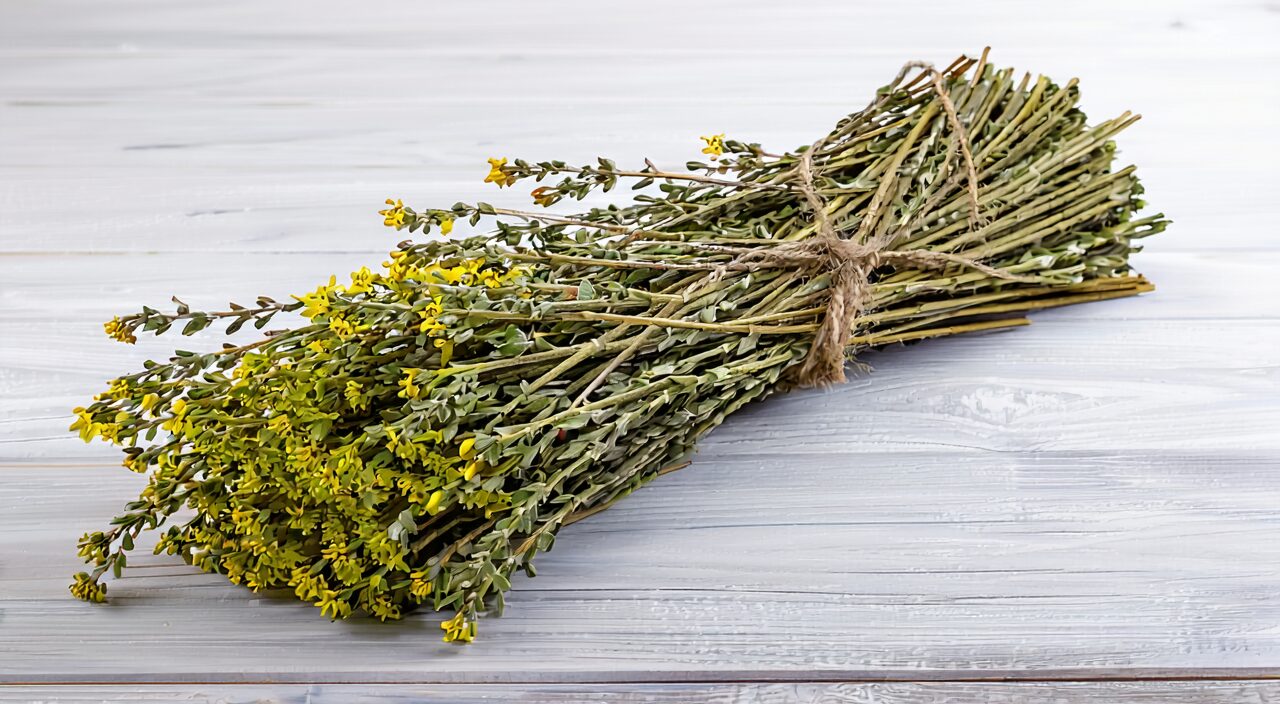
The medicinal part of Lysimachia christinae is the dried whole herb of Herba Lysimachiae, which includes the complete aerial parts or the entire plant with a few roots—meaning the roots, stems, leaves, and flowers. Harvesting usually takes place in summer and autumn when the plant is growing vigorously and the flowers are just beginning to bloom, as this is when the active components in the whole herb are relatively rich. After being gathered, it should be cleaned of mud and impurities and then sun-dried or dried at low temperature. The dried medicinal material typically appears in tangled clumps or long segments, with slender stems whose surfaces are grayish-green or dark brown. The leaves are crumpled and brittle, but when unfolded, you can still see traces of opposite round leaves. Using the whole herb, rather than only the leaves or roots, is a fundamental characteristic of Lysimachia christinae. Understanding this helps distinguish it more accurately from herbs that use only the aerial parts or only the roots.
How does Traditional Chinese Medicine view Lysimachia christinae?
From the perspective of Traditional Chinese Medicine theory, Lysimachia christinae is sweet, bland, and slightly cold in nature, and it mainly enters the Liver, Gallbladder, Kidney, and Bladder meridians. In traditional experience, it is commonly used for draining dampness to relieve jaundice, promoting urination and relieving stranguria, and resolving toxins to reduce swelling. The phrase “draining dampness to relieve jaundice” refers to addressing body yellowing and dark, turbid urine caused by damp-heat accumulating in the liver and gallbladder; Lysimachia christinae guides the damp-heat out through urination, helping restore a clear and comfortable state. “Promoting urination and relieving stranguria” mainly targets discomforts such as difficult urination, dribbling and painful urination caused by damp-heat pouring downward; traditionally, it has been regarded as a choice for clearing damp-heat from the lower burner. Additionally, for sores, swellings, and pain caused by heat toxins or insect and snake bites, fresh Lysimachia christinae is often crushed and applied externally. It must be emphasized that these are all conditioning approaches based on traditional experience. Whether it is suitable for a particular individual should be determined by a professional considering their constitution and symptoms.
What have modern studies found?
Modern phytochemical research has found that Lysimachia christinae contains flavonoids, phenolic acids, volatile oils, and various trace elements. Some experimental studies indicate that Lysimachia christinae extracts exhibit activities such as promoting bile secretion, relaxing the bile duct sphincter, increasing urine output, and showing certain anti-inflammatory and antioxidant effects in vitro or in animal models. These findings indirectly provide references for understanding its traditional uses, but they remain at the level of basic research and cannot be directly equated with confirmed effects in the human body. For readers who wish to combine modern information to understand Lysimachia christinae, these studies can be regarded as a supplementary cognitive perspective; they should not be interpreted as a “guarantee of efficacy” that can replace medical decision-making.
What are the differences between Lysimachia christinae, Desmodium styracifolium, and Glechoma longituba?
The herb most easily confused with Lysimachia christinae is Desmodium styracifolium (Guangjinqiancao), which comes from the dried aerial parts of the leguminous plant Desmodium styracifolium. Its original plant is a subshrub-like herb with erect or ascending stems. The leaves are palmately trifoliate compound leaves, with leaflets that are elliptic or ovate-lanceolate, distinctly different from the opposite, simple, round leaves of Lysimachia christinae. There is also another herb called Glechoma longituba (Lianqiancao), which comes from the whole herb of the labiate plant Glechoma longituba. Its leaves are also opposite, but their shape is more kidney-shaped or nearly round, with coarsely toothed margins and a distinctive aromatic odor, whereas Lysimachia christinae leaves have entire margins and no aroma. In the medicinal material market and in different regional usage habits, these three are sometimes used interchangeably. Therefore, understanding the differences in their plant origins, leaf shapes, and odors is very helpful for accurate identification and correct use.
Which formulas include Lysimachia christinae?
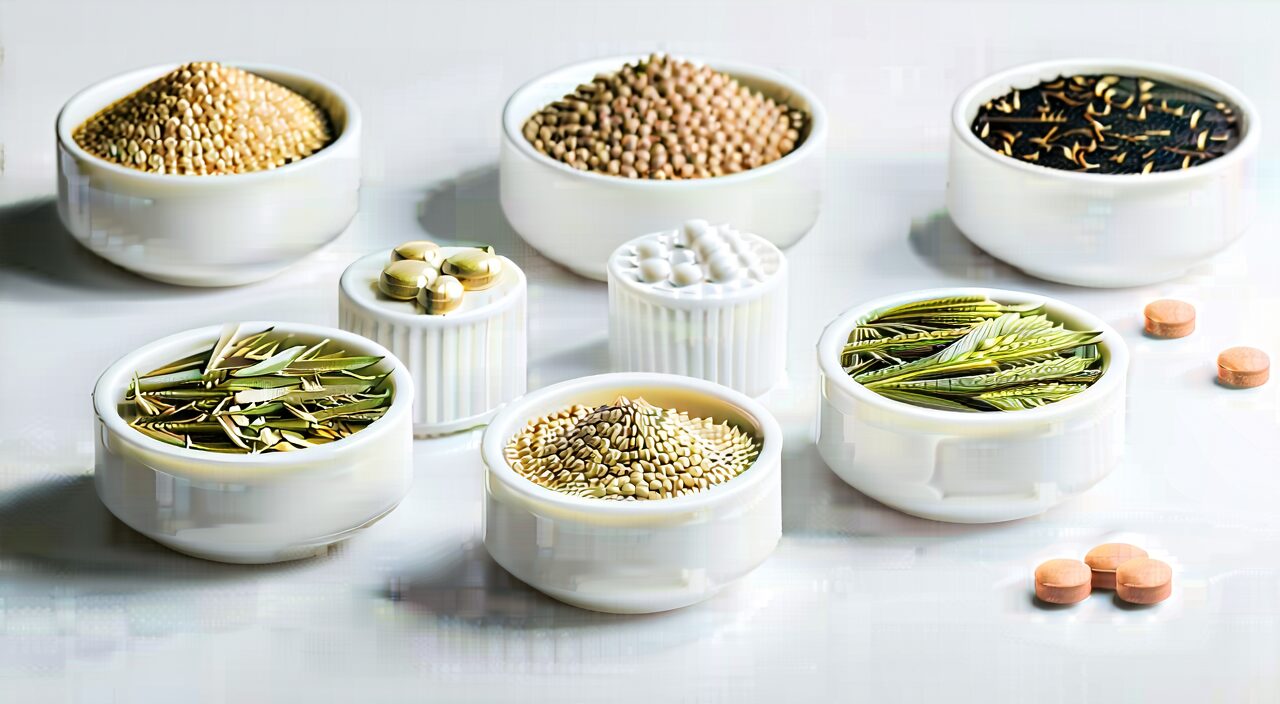
In traditional preparations oriented toward draining dampness, relieving stranguria, and expelling stones, Lysimachia christinae often appears as an important ingredient. Jinqiancao Granules (Lysimachia Granules) are granules made from a single-herb extract of Lysimachia christinae, traditionally used mainly for conditions such as short, reddish urine and dribbling and painful urination caused by damp-heat pouring downward. Sanjin Pian (Three Gold Tablets) is composed of multiple herbs including Lysimachia christinae, Lygodium japonicum (Jinshateng), and Rosa laevigata root (Jinyinggen), and is often seen in the conditioning approach for urinary discomfort related to damp-heat in the lower burner. Lidan Paishi Pian (Cholagogue and Stone-Expelling Tablets) is frequently combined with Yinchen (Artemisia scoparia), Dahuang (rhubarb), Chaihu (bupleurum), and others, used as an auxiliary conditioning approach for damp-heat in the gallbladder, hypochondriac pain, and inhibited bile excretion. It is important to specifically note that although these Chinese patent medicines contain Lysimachia christinae, their targeted constitutional patterns and specific applicable situations are not the same. Whether it is suitable for individual use must be weighed based on understanding the product instructions combined with professional judgment; one should not choose it on their own simply because they see the words “expel stones.”
What precautions should be taken when using Lysimachia christinae?
Although Lysimachia christinae is an herb with a long history of use, it does not mean it can be used indiscriminately for a long time or in large doses. First, if you suspect kidney stones, gallstones, or similar issues, it is necessary to first determine the specific location and size of the stones, whether there is urinary tract or bile duct obstruction, and conditions such as hydronephrosis through medical examinations. These assessments are a prerequisite for safe use; one should not manage the situation on their own solely based on the idea of “expelling stones.” Secondly, people with confirmed urinary tract obstruction, severe kidney dysfunction, or electrolyte imbalances are generally not suitable for using Lysimachia christinae and its preparations on their own. Additionally, the herb’s nature is somewhat cold, and long-term or high-dose consumption may damage the spleen and stomach, causing discomforts such as a cold sensation in the stomach, bloating, and decreased appetite. If symptoms fail to improve continuously during use, or if pain intensifies, hematuria, fever, or other symptoms appear, you should stop immediately and seek professional medical help as soon as possible.
Summary
Lysimachia christinae uses the whole herb of Herba Lysimachiae and has clear morphological features such as opposite round leaves, creeping stems, and small yellow flowers. These are distinctly different from the plant origins and forms of the commonly seen Desmodium styracifolium and Glechoma longituba. Traditional Chinese Medicine applies Lysimachia christinae from the angles of draining dampness to relieve jaundice, promoting urination and relieving stranguria, and resolving toxins to reduce swelling. Preparations such as Jinqiancao Granules, Sanjin Pian, and Lidan Paishi Pian are common representative formulas in these traditional directions. Regardless of the purpose for using Lysimachia christinae, it is recommended to fully understand its characteristics, emphasize the safety prerequisites such as stone assessment and kidney function status, and regard the content of this article only as scientific reference that cannot replace professional diagnosis or treatment advice.