
What Is Tinglizi? Medicinal Part, Identification Methods, and Common Formulas
Many friends interested in Chinese medicine culture often come across the name “Tinglizi” (Semen Lepidii/Semen Descurainiae) when reading formula books or encountering medicinal materials. What exactly is it? Which plant does it come from, and how do we identify it in practice? Sweet Tinglizi and bitter Tinglizi sound similar, but what differences lie behind them? With these questions in mind, this article has compiled some basic information about Tinglizi, hoping to provide a clear cognitive framework for interested readers.
What does Tinglizi look like? How to identify it?
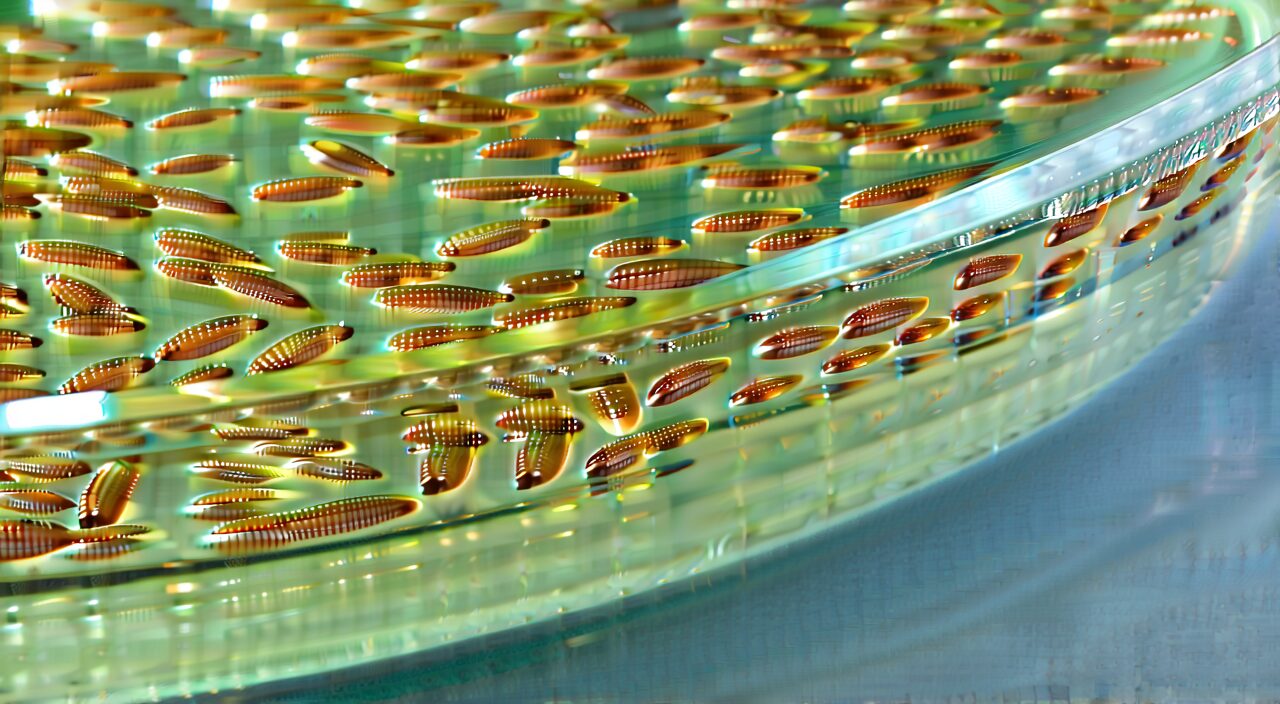
Tinglizi consists of very tiny seeds that require some patience to observe with the naked eye. The seeds are slightly flattened ovoid, resembling a compressed small water droplet, usually only about 1 to 1.5 millimeters in length and even narrower in width. In terms of color, they are commonly yellowish-brown, reddish-brown, or slightly dark brown. The surface is not smooth but shows very fine longitudinal striations, appearing as shallow grooves, which are particularly evident under a magnifying glass.
A distinctive identification feature is that when a few seeds are soaked in water for a short while, a transparent mucilage layer quickly forms on the surface, feeling slippery to the touch. This phenomenon of swelling and becoming mucilaginous upon contact with water is sometimes used to distinguish them from similar-looking seeds. Of course, more accurate identification still requires combining information about the source plant and microscopic characteristics; it is not advisable to draw conclusions based on the naked eye alone.
What is the medicinal part of Tinglizi?
The medicinal part of Tinglizi is its mature seed. In traditional harvesting and processing, the above-ground parts are typically cut when the fruits are ripe in summer but before the pods split open. After drying in the sun, the seeds are rubbed out and impurities are removed. Sometimes, further dry-frying is performed to make stir-fried Tinglizi; after stir-frying, the surface color deepens slightly, and a charred aroma develops. Traditionally, it is believed that stir-frying somewhat moderates its medicinal nature.
It should be noted that what are commonly called sweet Tinglizi and bitter Tinglizi in commerce do not necessarily mean an absolutely sweet or bitter taste but are more traditional names corresponding to different plant sources. Sweet Tinglizi generally comes from the seeds of Descurainia sophia (flixweed), while bitter Tinglizi mostly comes from the seeds of Lepidium apetalum (pepperweed). There are also some differences in appearance, color, size, and the degree of mucilaginous texture between the two.
How does Chinese medicine understand Tinglizi?
In traditional Chinese medicine theory, Tinglizi is considered a relatively drastic medicinal substance. Its nature and flavor are mainly acrid, bitter, and very cold, and it mainly enters the Lung and Bladder meridians. A common understanding is that it has the functions of draining the lungs to relieve asthma and promoting water metabolism to reduce edema. Specifically, when lung qi is obstructed and cannot properly diffuse and descend, leading to symptoms such as cough, asthmatic fullness, profuse phlegm and drool, and distension and fullness in the chest and hypochondrium, traditional thinking may consider using Tinglizi to help unblock lung qi and expel phlegm and fluids. Meanwhile, for edema and difficult urination caused by water-dampness accumulation, it can also be a directional choice for promoting water metabolism and reducing swelling.
However, Tinglizi is not a Chinese herb that can be used casually. Its purging and unblocking action is quite strong, and it is traditionally used more for excess patterns and stagnation. For deficiency patterns such as qi deficiency or yin deficiency, extreme caution is required. Therefore, Chinese medicine practitioners often decide whether to use it and how to combine it based on a comprehensive assessment of the individual’s constitution and disease pattern.
What are the focuses of modern research on Tinglizi?
Modern research has conducted some exploration into the chemical constituents of Tinglizi. Various components have been isolated so far, including cardiac glycosides, flavonoids, and fatty oils. The presence of cardiac glycosides has drawn some attention to Tinglizi in the field of heart-related research. Some experiments have observed that extracts of Tinglizi may exhibit effects such as enhancing myocardial contractility or promoting diuresis under specific conditions, but there is still a long way to go before clinical application.
It is especially important to warn that certain components contained in Tinglizi have potent effects. Unprocessed use or improper dosage may adversely affect cardiac and renal functions. Therefore, ordinary consumers must never use Tinglizi on their own as a daily diuretic or weight-loss ingredient for soaking in water or making soup. Any direction of use should be undertaken under the guidance of qualified personnel.
How to distinguish sweet Tinglizi, bitter Tinglizi, and Plantain seeds?
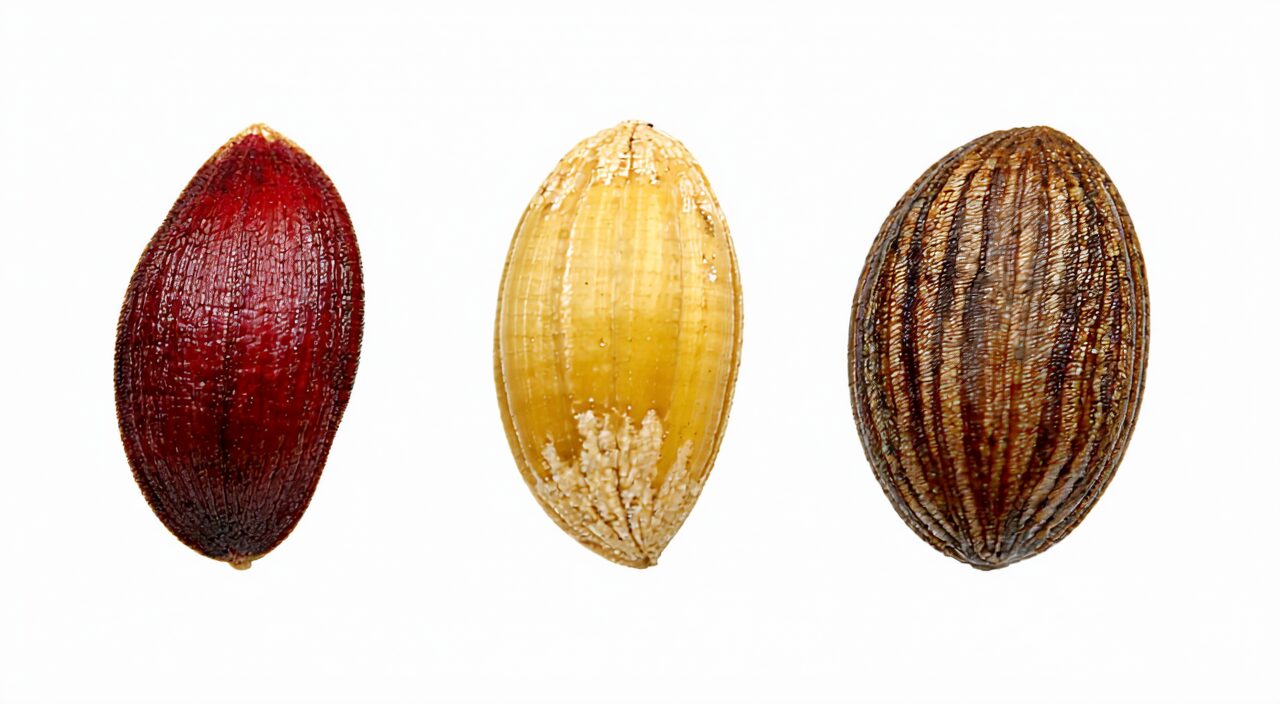
Although both sweet Tinglizi and bitter Tinglizi are used as Tinglizi, there are subtle differences in origin and appearance. Sweet Tinglizi seeds are mostly flattened ovoid, about 1.2 to 1.5 millimeters long, with a reddish-brown surface, and a relatively thicker mucilage layer after soaking in water. Bitter Tinglizi seeds are slightly smaller, with a yellowish-brown or dark brown surface, a slightly bitter taste, and a relatively thinner mucilage layer. Distinguishing between the two is not easy for general readers and serves more as basic knowledge for understanding commercial specifications.
Another easily confused herb is Plantain seed (Cheqianzi). Plantain seeds are also tiny, elliptical or irregularly oblong, yellowish-brown to blackish-brown. They also swell and produce abundant mucilage upon contact with water, with an even more pronounced slippery feel. The two differ in shape: Tinglizi is flatter, while Plantain seed is more oblong. In actual selection, it is necessary to carefully verify the plant source and characteristics to avoid misuse.
Which classic formulas use Tinglizi?
Tinglizi appears in multiple traditional formulas. The following are some relatively common examples to provide an understanding of its combination principles.
Tingli Dazao Xiefei Tang (Descurainiae and Jujube Decoction to Drain the Lungs) is a formula from the Essential Prescriptions of the Golden Cabinet (Jin Gui Yao Lue). The original formula only uses Tinglizi and jujubes. It has been traditionally used for conditions such as lung abscess and fluid retention manifesting as cough, asthmatic fullness of the chest, and profuse phlegm and drool. The jujubes in the formula help moderate the medicinal properties and alleviate the drastic nature of Tinglizi.
Jijiao Lihuang Wan (Stephania, Zanthoxylum, Descurainiae, and Rhubarb Pill) also originates from the Essential Prescriptions of the Golden Cabinet. It is composed of Stephania tetrandra (Fangji), Zanthoxylum seed (Jiaomu), Tinglizi, and rhubarb (Dahuang). This formula has been traditionally used for patterns of internal accumulation of water-rheum with abdominal fullness and dry mouth, among others, by promoting diuresis and purgation to expel water.
Daxianxiong Wan (Major Sinking into the Chest Pill) contains rhubarb, mirabilite (Mangxiao), kansui root (Gansui), and Tinglizi, among others, and has a relatively strong action. It is traditionally used for chest binding excess-heat patterns, with strict indications recorded in specialized ancient texts.
There are several different versions of Tingli Wan (Descurainiae Pill). Common combinations include Tinglizi, apricot kernel (Xingren), tangerine peel (Chenpi), etc., with directions mostly related to draining the lungs to expel water and transforming phlegm while regulating qi. The actions of these formulas are relatively clear, but their suitability still needs to be judged based on individual constitution, symptoms, and professional advice; self-administration is not advisable.
What precautions should be taken when using Tinglizi?
Tinglizi is drastic in nature, and there are some clear contraindications and points of caution regarding its use. First, it is generally not suitable for individuals with a cold-deficient constitution, lung-deficiency asthmatic cough, spleen-deficiency diarrhea, or insufficient body fluids. This is because its action of expelling water and draining the lungs may further damage the right qi and aggravate existing discomfort. Secondly, people with heart disease, kidney disease, or a risk of electrolyte imbalance should absolutely not use Tinglizi on their own as a diuretic or weight-loss material, as this may trigger adverse consequences.
Even when used under the guidance of an experienced Chinese medicine practitioner, dosage and combination are generally strictly controlled, and it is rarely used alone for a long time. If you are interested in Tinglizi, it is recommended to approach it as a matter of general knowledge. Any specific use should be decided after a comprehensive assessment of constitution and symptoms. For severe, persistent, or recurrent symptoms such as cough, edema, or chest tightness, medical attention should be sought first to rule out other potential problems.
Summary
Tinglizi is a traditional Chinese medicine derived from the mature seeds of Descurainia sophia or Lepidium apetalum. Sweet and bitter Tinglizi mainly correspond to different plant sources. Its tiny, flattened ovoid seeds and its mucilaginous property when wet can aid preliminary identification. In Chinese medicine, it is often understood from the perspectives of draining the lungs to relieve asthma and promoting water metabolism to reduce edema. Classic formulas such as Tingli Dazao Xiefei Tang and Jijiao Lihuang Wan all embody this direction. However, this substance has a relatively drastic action, and individuals with deficiency conditions, insufficient body fluids, or heart/kidney diseases must exercise special caution. Regardless of the purpose for which you encounter Tinglizi, it should be handled with professional advice. It is not advisable to use it on your own for a long time or in large doses. This article is for educational reference only and cannot replace professional diagnosis or treatment advice.