
What Is Jiang Can? Medicinal Parts, Identification, and Common Formulas
Many people encounter the name “Jiang Can” (Bombyx Batryticatus) in Chinese herbal formulas, but easily confuse it with silkworm chrysalis, silkworm excrement, or even ordinary dead silkworms. In fact, Jiang Can has a unique origin, appearance, and usage. Using it without proper identification may not achieve the desired effects and can introduce avoidable risks. This article provides a relatively comprehensive framework for overseas readers by covering its identification, medicinal parts, traditional understanding, relevant formulas, and usage precautions.
What Does Jiang Can Look Like? How to Identify It?
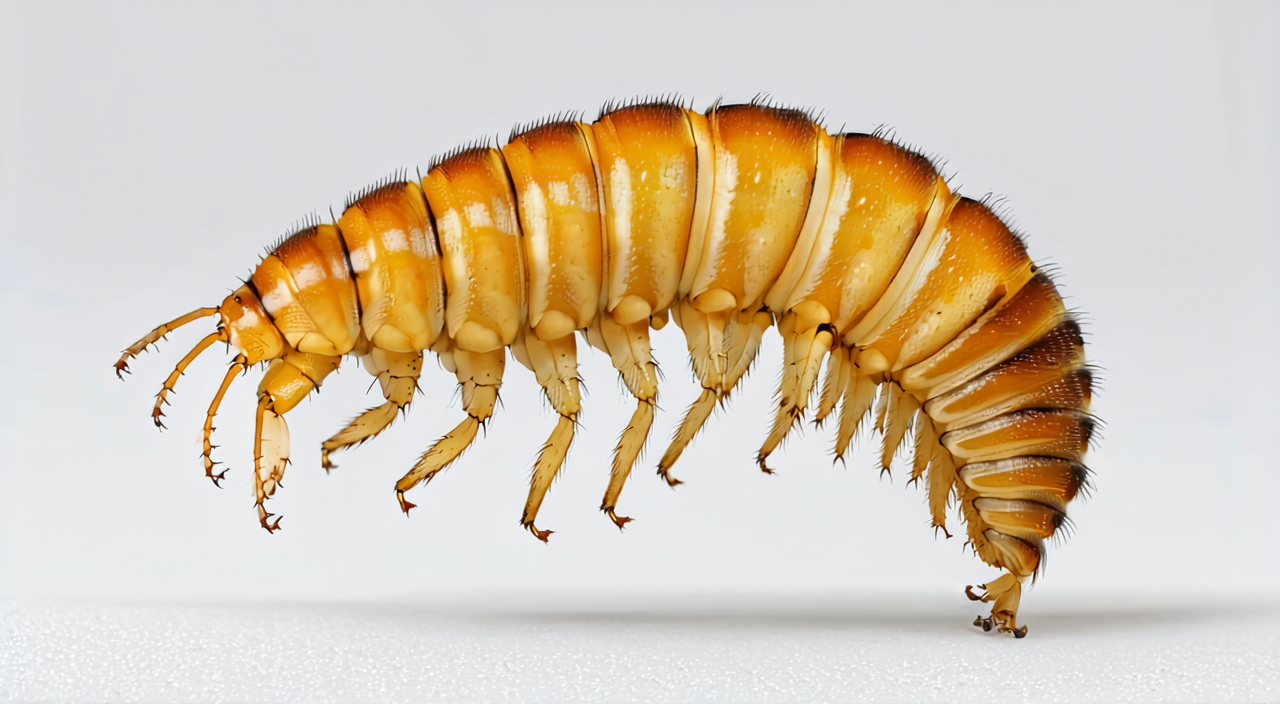
The typical characteristics of Jiang Can can be understood as follows. It is slightly curved and cylindrical, generally 2–5 cm in length and about 0.5–0.8 cm in diameter. The surface is covered with a fine, dense white powdery coating—this is the mycelium and conidia of Beauveria bassiana and one of the most important identifying features. If the white powder is largely lost, or if the body turns black, greenish, or feels slimy, it often indicates poor quality or spoilage.
After removing the powdery coating, the body appears grayish-white to pale yellowish-brown. The head is slightly rounded with ocelli on both sides. The thorax has three pairs of short legs, and the abdomen has four pairs of prolegs and one pair of anal prolegs; the crochets on the prolegs are clearly visible under magnification. Body segments are distinct, with annular lines visible on the dorsal side. The cross-section is flat; the outer layer is white or off-white, and a distinct brown or dark brown silk gland ring is present in the center, sometimes with remnants of the digestive tract. The texture is brittle and breaks easily. It has a slightly fishy odor and a mildly salty taste.
What Are the Medicinal Parts of Jiang Can?
The medicinal part of Jiang Can is the dried whole body of silkworm larvae infected with Beauveria bassiana, not the chrysalis, moth, or silkworm excrement. It is generally harvested in spring and summer when naturally or artificially infected silkworms become stiff and die. At the time the white powder appears on the surface, they are collected, cleaned of impurities, and dried in the sun or at low temperatures. In traditional processing, a “stir-fried Jiang Can” method is used, often stir-frying with wheat bran until the surface turns yellow to moderate the fishy smell and make it easier to pulverize and store.
It is worth noting that Jiang Can originates from an animal-fungus composite, so strict hygiene is required during collection, processing, and storage. Specimens that are moldy, insect-damaged, or have lost most of the powdery coating should generally not be used. In daily use, it usually appears as dried decoction pieces and is often wrapped in cheesecloth before boiling to avoid unwanted texture and impurities.
How Does Traditional Chinese Medicine Understand Jiang Can?
Within the theoretical framework of traditional Chinese medicine (TCM), Jiang Can is often classified as an herb that calms the liver and extinguishes wind. It is commonly used in several strategies. First, it is used to extinguish wind and stop spasms; it is traditionally considered for conditions such as convulsions, spasms, and facial deviation caused by internal liver wind. Second, it dispels wind and relieves pain; for headaches, sore throat, and swollen gums due to wind pathogens attacking the upper body, it is often combined with Chantui (Cicada Slough), Jingjie (Schizonepeta), Fangfeng (Saposhnikovia), etc. Third, it resolves phlegm and dissipates nodules; Jiang Can also appears in approaches addressing scrofula and phlegm nodules.
Overall, the traditional functions of Jiang Can are mostly related to “wind” and “phlegm.” However, it should be noted that these functions are largely summaries based on past empirical experience and syndrome differentiation systems. Responses can vary greatly depending on individual constitution; whether it is suitable should be determined according to personal circumstances and professional judgment.
What Has Modern Research Found?
Modern research on Jiang Can mainly focuses on the metabolites of Beauveria bassiana and the active components in the insect body. Some studies indicate that Jiang Can contains beauvericin, proteins, polypeptides, fatty acids, and other constituents. Certain in vitro studies suggest potential anticoagulant, anticonvulsant, and sedative activities, but current research is still mainly based on animal or cell experiments, and high-quality human clinical evidence remains relatively limited.
For the average consumer, such studies can serve as background reference for understanding the potential value of Jiang Can, but should not be directly equated with definite effects in everyday use. When using it, one should still rely primarily on traditional usage and product instructions.
How Does Jiang Can Differ from Silkworm Chrysalis and Scorpion?
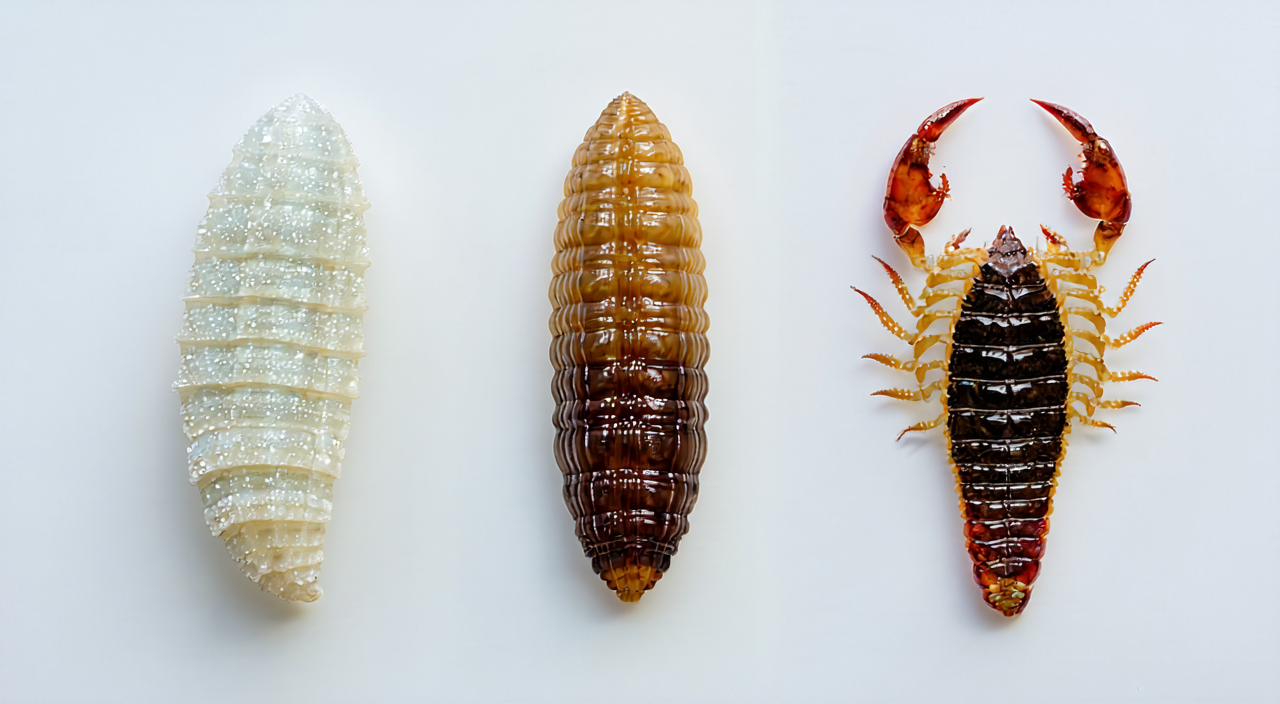
The origins of these three are completely different. Jiang Can is the dried body of silkworm larvae infected with Beauveria bassiana, an animal-fungus composite. Silkworm chrysalis is the normal pupal stage of the silkworm, an insect developmental stage mainly used as food or an auxiliary ingredient in a few formulas. Scorpion (Quanxie) is the dried whole body of Buthus martensii, an arachnid.
In terms of appearance, Jiang Can has a white powdery coating, eight pairs of legs, and a silk gland ring in the cross-section. The silkworm chrysalis is spindle-shaped, has no legs, lacks the white powder, and has a greasy cross-section. Scorpion has a distinct cephalothorax and abdomen, a tail stinger at the end, and completely different body segmentation. Their functions also differ: Jiang Can is mainly used to extinguish wind, stop spasms, dispel wind, resolve phlegm, and dissipate nodules. Scorpion, while also extinguishing wind and stopping spasms, is traditionally used for more stubborn spastic pain, attacking toxins and dissipating masses, with a stronger action. The silkworm chrysalis is generally not used as a wind-extinguishing herb. Therefore, the three cannot be substituted for one another.
Which Formulas Use Jiang Can?
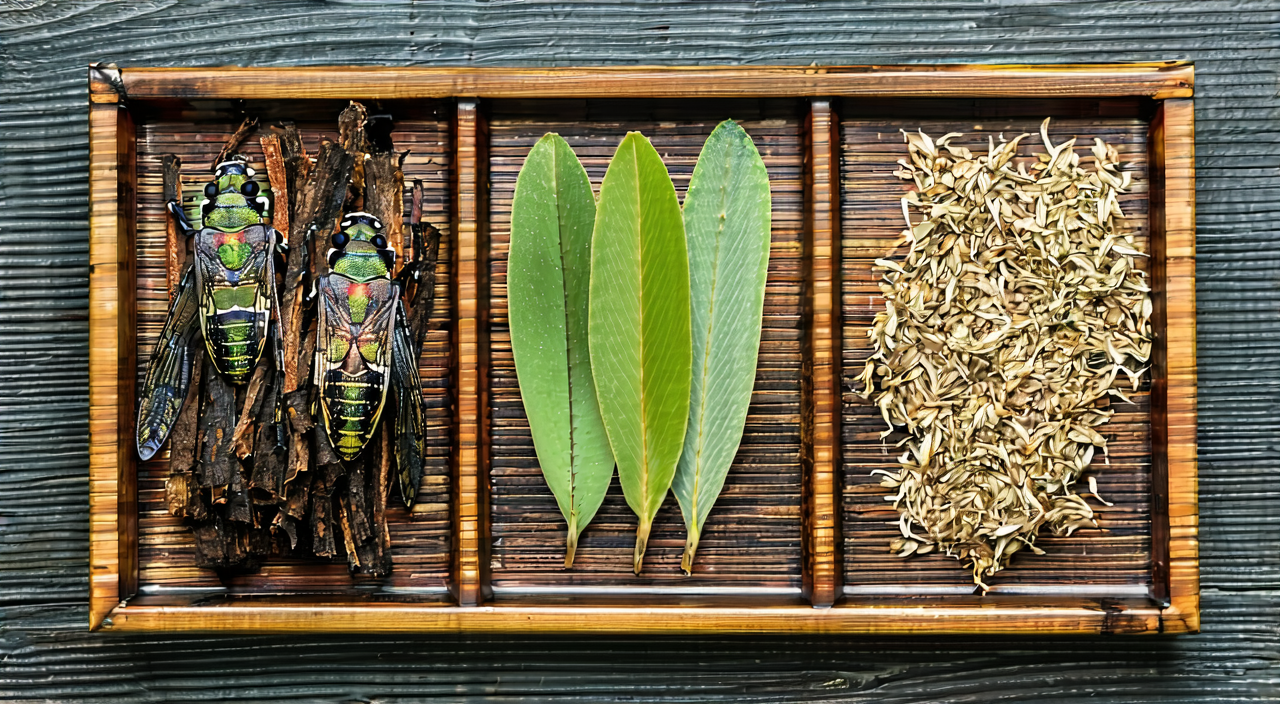
Several classic formulas include Jiang Can. Below is a brief list of some common directions for reference, not as usage recommendations.
Qianzheng San consists of Baifuzi (Typhonii Rhizoma), Jiang Can, and Quanxie (Scorpio), traditionally used for wind pathogens striking the collaterals causing facial deviation. Xiaofeng San includes Jiang Can, Chantui (Cicada Slough), Jingjie (Schizonepeta), Fangfeng (Saposhnikovia), etc., often used for skin itching and urticaria due to wind-heat or wind-dampness. Shengjiang San is composed of Jiang Can, Chantui, Jianghuang (Curcumae Longae Rhizoma), and Dahuang (Rhei Radix et Rhizoma), designed to ascend-descend qi dynamic, mentioned in approaches for warm diseases or qi dynamic disturbances. Baijiangcan San is named after Jiang Can and often combines with Tianma (Gastrodiae Rhizoma), Gouteng (Uncariae Ramulus cum Uncis), Fangfeng, etc., mostly for dizziness, headache, or facial twitching related to wind-phlegm upward disturbance.
Each of these formulas has its own emphasis. Formulas like Qianzheng San and Shengjiang San have relatively strong actions, so they should be used with caution. It is essential to understand their properties and pattern differentiation, combined with individual constitution and product instructions, and not to apply them mechanically on one’s own.
What Precautions Should Be Taken When Using Jiang Can?
First, there is the issue of allergies. Jiang Can contains foreign proteins, so individuals allergic to silkworm chrysalis, silk, or insect proteins have a relatively high risk of allergic reactions, which may include rash, itching, or even difficulty breathing. Special caution is advised before first contact. Second, Jiang Can is sometimes considered in traditional use to have a mild blood-activating tendency, so people with bleeding tendencies, heavy menstrual bleeding, or those taking anticoagulant medications should consult a professional before use.
In addition, Jiang Can from wild or non-standard sources may have issues such as microbial contamination or excessive mycotoxins. It is advisable to obtain it through proper channels and check the product’s origin, processing method, and storage conditions. If symptoms such as facial paralysis, deviation of the mouth and eyes, severe headache, convulsions, or recurrent spasms occur, one should not rely solely on a single herb for self-treatment but seek medical attention promptly. A doctor should make a clear diagnosis and formulate a treatment plan.
Summary
Jiang Can is a unique animal-fungus composite medicinal material. Its typical external features are a white mycelial powdery coating and intact larval body segmentation. The medicinal part is the dried whole body infected with Beauveria bassiana, not the chrysalis. In traditional Chinese medicine, it is primarily mentioned for extinguishing wind and stopping spasms, dispelling wind and relieving pain, and resolving phlegm and dissipating nodules. However, whether it is suitable for an individual should be determined based on constitution, symptoms, and professional advice. Blind self-prescription is not recommended. During use, attention must be paid to allergy risks and source reliability. If any related discomfort occurs, medical help should be sought in a timely manner.