
What Is Musk? Medicinal Parts, Identification, and Common Formula Introduction
Natural musk has a long history of use in traditional Chinese medicine. It is not a plant but a unique animal secretion. Because natural musk depends on the musk sac of male musk deer, and wild musk deer are nationally protected wildlife species in China, the use of natural musk is subject to extremely strict regulation. Today, legally approved synthetic musk has become the widely used substitute in clinical practice and over-the-counter proprietary Chinese medicines. This article will present a comprehensive picture of this special medicinal substance for overseas readers, covering its physical identification, medicinal parts, TCM understanding, formula examples, and precautions.
What Does Musk Look Like? How to Identify It
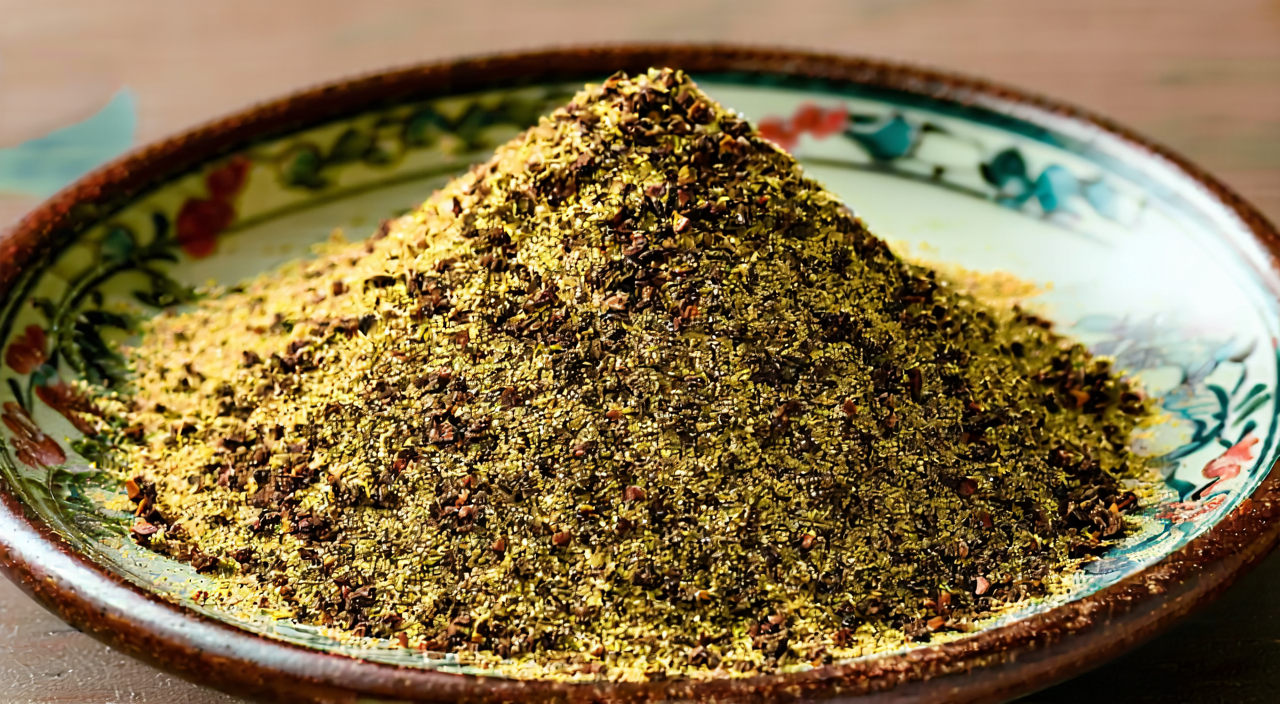
From the perspective of standardized medicinal material description, high-quality natural musk grains usually appear as aggregated granules, with a brownish-yellow or dark brown surface, glossy and oily appearance, and a relatively soft texture. When gently pressed with fingers, they can form a mass that does not stick to the hands and break down into a fine powder. The aroma is strong, distinctive, and long-lasting, while the taste is slightly bitter with a hint of acridity. Traditionally, the larger lumpy grains were called “Dangmenzi” (meaning “close to the opening”) and were considered superior in quality. It must be clarified that the above is merely an objective description of the material’s characteristics and is not intended as a technique for purchase or authenticity identification. Whether natural or synthetic musk, it should only be circulated through legal channels. Individuals should not attempt to identify or purchase products of unknown origin on their own.
What Is the Medicinal Part of Musk? From Scent Sac to Synthetic Musk
The medicinal part of natural musk comes from the dried secretion found in the abdominal musk gland sac of adult male musk deer such as the forest musk deer, alpine musk deer, or Siberian musk deer. The traditional collection method required killing the musk deer, which directly led to a sharp decline in wild populations. To address the conflict between conservation and medicinal demand, China began research on synthetic musk in the 1970s, and it was officially approved for marketing in 1994. Synthetic musk is a substitute prepared on the basis of the chemical structures of the main active components of natural musk through scientific formulation. Its preparation form is mostly powder or a specially processed physical form. Currently, the vast majority of oral and topical proprietary Chinese medicines already use synthetic musk and strictly comply with pharmaceutical standards.
How Does TCM View Musk? Opening Orifices, Reviving Spirit, Invigorating Blood, and Unblocking Menstruation
Traditional Chinese medicine defines musk very clearly. Its nature and flavor are acrid and warm, and it enters the Heart and Spleen meridians. In classical texts, it is commonly classified as an orifice-opening drug and a blood-activating drug. Its core effects focus on three aspects: first, opening the orifices and reviving the spirit, traditionally used for loss of consciousness and syncope caused by febrile diseases, stroke, or phlegm turbidity; second, invigorating blood and unblocking menstruation, indicated for amenorrhea, abdominal masses, and stabbing pain in the chest and abdomen due to blood stasis; third, reducing swelling and alleviating pain, providing relief for conditions such as carbuncles, sores, throat impediment, and traumatic injuries. Based on this understanding, formulas containing musk are mostly applied in regulating approaches related to orifices closure with spirit collapse, internal stagnation of blood stasis, and pain. However, whether such formulas are appropriate needs to be determined by an experienced practitioner based on an individual’s specific constitution and symptom presentation. One should never make a decision solely based on popular science articles.
Modern Research Focus: Regulation, Alternatives, and the Boundaries of Evidence
Modern attention to musk largely leans toward regulatory compliance and the reliability of alternatives. Natural musk is subject to dual constraints: the Wildlife Protection Law of the People’s Republic of China and the Convention on International Trade in Endangered Species of Wild Fauna and Flora. Any medicine containing natural musk must obtain special approval and faces severe restrictions during import and export. Therefore, modern preparations place greater emphasis on the quality consistency, safety, and comparability of synthetic musk. Some studies have observed that synthetic musk shows similar trends to natural musk in certain pharmacological indices, but high-quality clinical evidence applicable to all traditional uses remains limited, and the two should not be simply equated. The current professional consensus is that, while fully complying with wildlife protection regulations, using legally approved synthetic musk preparations is a practical and feasible direction, but it still needs to be carried out under medical guidance.
What Are the Differences Between Natural and Synthetic Musk?
The primary difference between the two lies in their origin. Natural musk comes directly from the glandular secretion of the animal’s scent sac, is extremely scarce and costly, and often appears as oily, glossy granules. Synthetic musk is a product of chemical synthesis, commonly presented as a powder or a processed mixture, with a similar aroma but not exactly the same chemical component ratios. From the product standard perspective, natural musk is tested in accordance with the Chinese Pharmacopoeia Volume I, while synthetic musk follows a specialized national drug standard. The package inserts of proprietary Chinese medicines generally indicate whether “musk” or “synthetic musk” is used, and the drug approval numbers may also differ. For ordinary users, what is most important to know is not how to visually distinguish the two, but that neither natural nor synthetic products without a valid drug approval number should ever be purchased or taken on one’s own.
Which Formulas Use Musk?
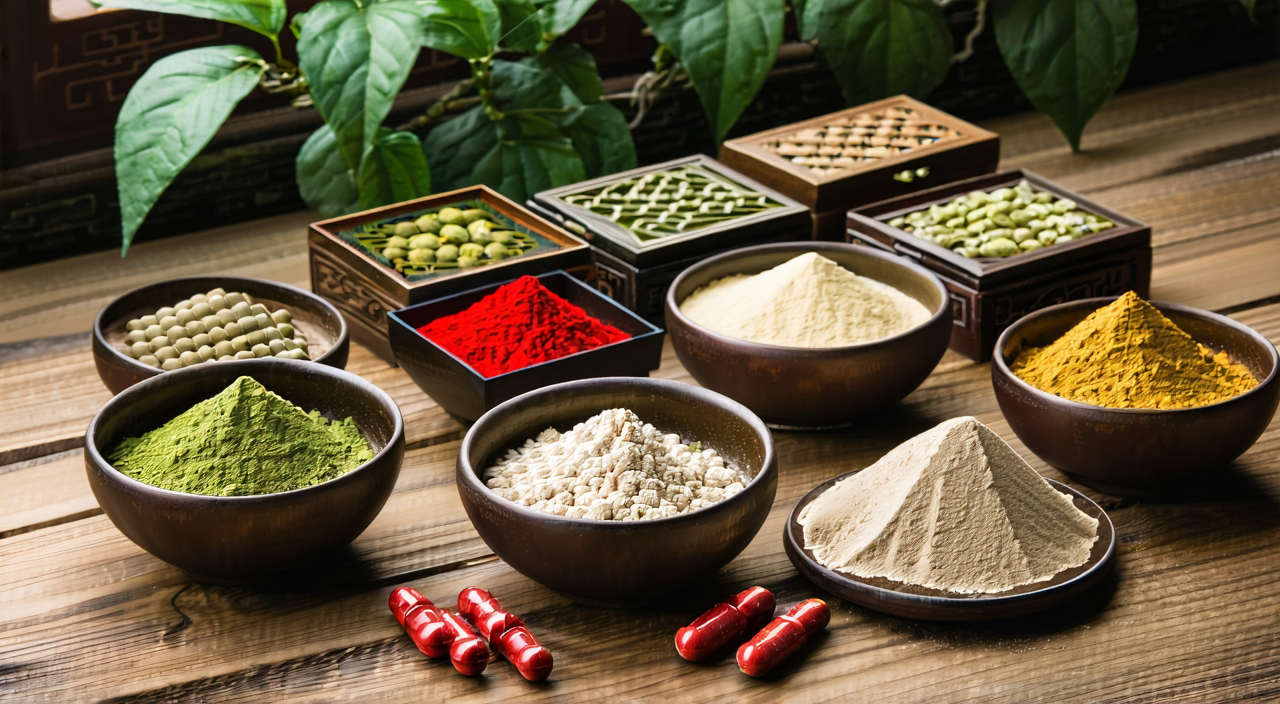
Musk appears as an important ingredient in many classic formulas. Today, most of these formulas have been manufactured into compliant proprietary medicines for convenient use, but all should be used under the guidance of a physician.
- Angong Niuhuang Pill: Traditionally used for febrile disease with pathogen entering the pericardium, high fever, restlessness, and coma with delirium. It contains niuhuang (calculus bovis), concentrated water buffalo horn powder, musk, and other ingredients, primarily to open the orifices and revive the spirit.
- Suhexiang Pill: Tends toward a warm opening effect, suitable for cold phlegm internal obstruction, stroke-induced syncope, chest oppression, and shortness of breath. Musk works in coordination with storax, borneol, and others.
- Shexiang Baoxin Pill: Commonly used for chest impediment and precordial stuffiness or pain caused by qi stagnation and blood stasis. It may provide rapid relief of related discomfort, but severe chest pain requires immediate medical attention.
- Qili San (Seven-Thousandths Powder): A commonly used powder in traumatology, traditionally applied externally or taken internally for traumatic injuries, fracture swelling and pain, and local blood stasis. Musk in it helps activate blood and relieve pain.
The application directions of these formulas vary, and each person’s constitution and specific condition differ greatly. Even if symptoms appear superficially similar, syndrome differentiation can vary in depth. Therefore, before use, decisions must be made by integrating the product instructions, personal medical history, and professional advice—never apply them mechanically on your own.
What Precautions Should Be Taken When Using Musk?
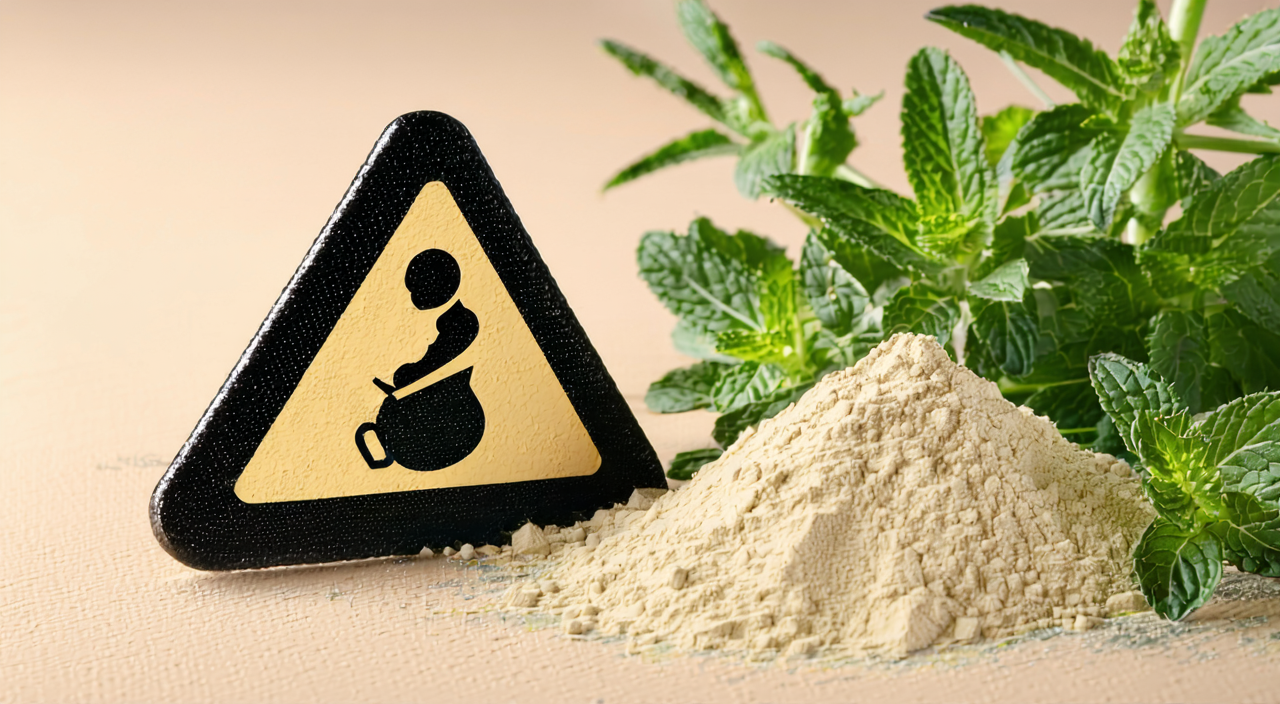
Musk is not a commonly used item for daily health maintenance; several key precautions must be clearly understood beforehand.
First, it is absolutely contraindicated during pregnancy. Musk’s effect of invigorating blood and unblocking menstruation is relatively intense. Both traditional understanding and modern drug labels list it as a pregnancy contraindication. Oral or topical use may lead to a risk of miscarriage.
Second, pay attention to regulations on protected animal products. Natural musk is a product of endangered animals. Without approval and permission from relevant national authorities, purchasing, collecting, or carrying it across borders without authorization is not only a violation of regulations but may even break the law. Overseas users should pay special attention to the laws and regulations regarding wildlife products in their country of residence.
Third, do not use it on your own in acute emergencies. In critical situations such as sudden collapse, severe chest pain, difficulty breathing, or massive bleeding, one must not rely on musk-containing pills or powders for emergency rescue and must immediately seek medical emergency services.
Fourth, only choose legally approved preparations. Whether it is a specially approved medicine containing natural musk or an ordinary Chinese patent medicine containing synthetic musk, one should always look for the drug approval number and reject products from unknown channels. Daily health care and mild discomfort do not require products containing musk. In most cases, there are more stable alternative approaches available.
Summary
Natural musk is strictly protected due to its rare animal source, while the most widely used today is legally approved synthetic musk. From its traditional understanding, musk primarily works in opening the orifices and reviving the spirit, invigorating blood and unblocking menstruation, and reducing swelling and alleviating pain. It often serves as a key ingredient in classic formulas such as Angong Niuhuang Pill, Suhexiang Pill, Shexiang Baoxin Pill, and Qili San. Nevertheless, safety and legality require special attention when using musk and its preparations—especially the absolute contraindication during pregnancy, the rule of not self-medicating in acute emergencies, and the necessity of selecting officially approved medicines. This article is for general science reference only and cannot replace professional diagnosis or treatment advice.