
What Is Chicken Gizzard Lining? Medicinal Parts, Identification, and Common Formulas
Many people encountering Chinese herbal medicine for the first time wonder what exactly “chicken gizzard lining” is, sometimes mistaking it for the muscle of the chicken gizzard. In fact, it comes from the dried inner wall of the chicken’s gizzard and is a traditional, commonly used digestive herb. Understanding its source, identifying features, and typical ways of use can provide an additional reference when considering related health approaches.
What does chicken gizzard lining look like? How to identify it?
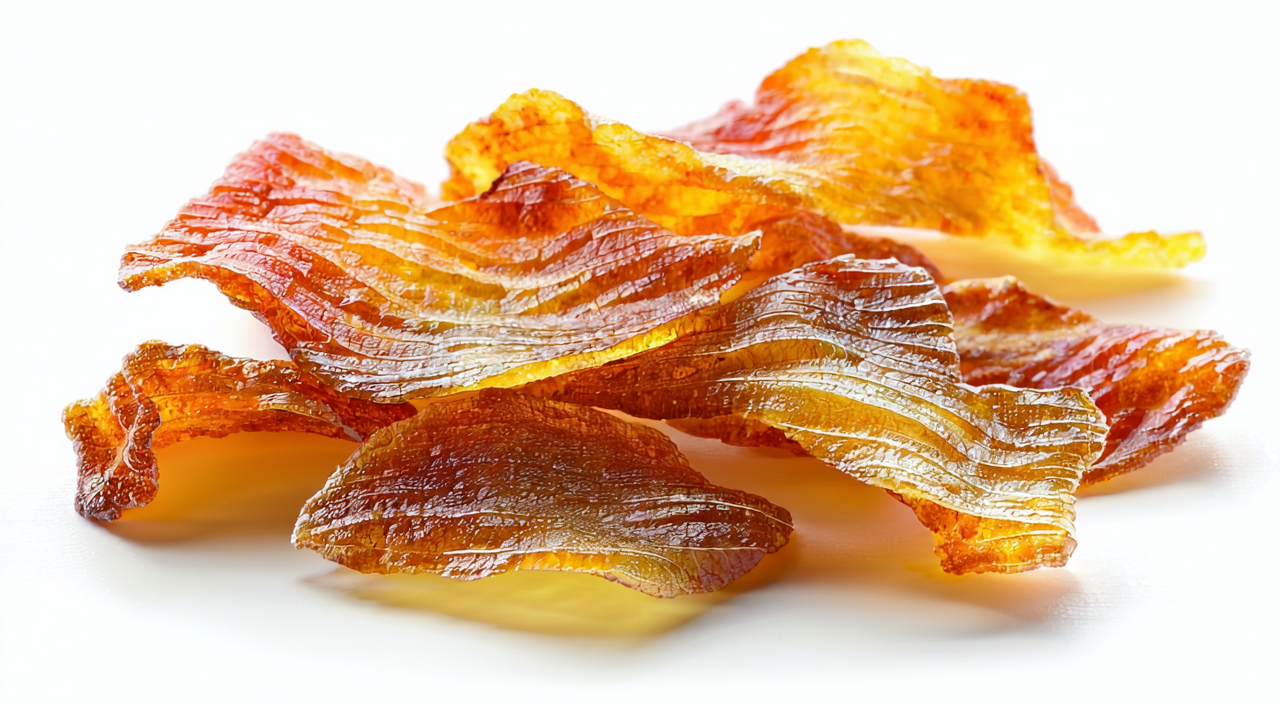
Chicken gizzard lining has a fairly distinctive appearance. It usually comes in irregular, pouch-like pieces that are slightly curled, about 1 to 2 millimeters thick. The surface color is mostly yellow, yellowish-green, or yellowish-brown, and upon close inspection, fine, natural wavy wrinkles can be seen. After drying, the texture becomes horn-like, semi-transparent, thin and brittle — it breaks easily, and the fractured surface is glossy. In terms of smell, it carries a faintly fishy odor, and the taste is slightly bitter.
If the color is too dark, the texture too thick, the odor abnormal, or if it crumbles into powder, it often indicates poor storage or inferior quality. Recognizing these basic features helps quickly distinguish it from duck gizzard lining and goose gizzard lining by appearance, reducing confusion.
What is the medicinal part of chicken gizzard lining?
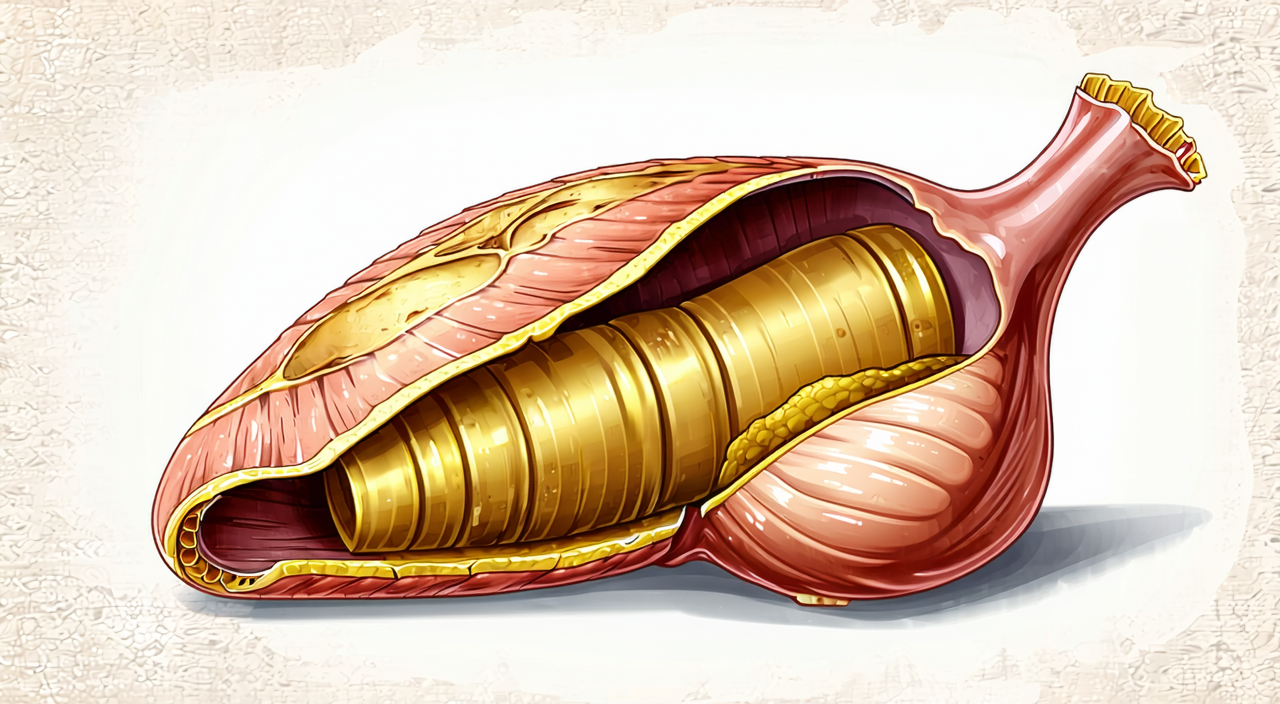
The medicinal part of chicken gizzard lining is very specific: it is the dried inner wall of the chicken’s gizzard — the horny membrane that adheres tightly to the muscle inside the gizzard. It is not the whole gizzard, nor is it the gizzard’s muscle tissue. During harvesting, the gizzard must be cut open, the inner membrane carefully peeled off, and any attached mud or residues cleaned away; then it is thoroughly dried before becoming a medicinal ingredient. Therefore, intact chicken gizzard lining usually appears as a thin, stiff horny sac wall, something completely different from everyday chicken meat products.
How does Traditional Chinese Medicine view chicken gizzard lining?
In the traditional Chinese medicine understanding, chicken gizzard lining is primarily seen as an important herb for promoting digestion and strengthening the stomach. It is sweet in flavor, neutral in nature, and enters the Spleen, Stomach, and Small Intestine meridians, as well as communicating with the Bladder. For conditions such as food accumulation with poor digestion, epigastric and abdominal fullness, vomiting, diarrhea, and childhood malnutrition (gan syndrome), many formulas consider it as a main or auxiliary ingredient. In addition, chicken gizzard lining is commonly used to astringe essence and stop seminal emission or enuresis; traditionally, it is applied in approaches addressing nocturnal emission and bedwetting. Another relatively unique application is promoting urination and dissolving stones. Clinical experience has found it helpful for urinary stones like sandy or stony stranguria (sha lin, shi lin) as well as gallstones.
Note that these understandings are based on traditional Chinese medicine thinking, focusing on adjusting the body’s transformation and transportation functions. They are not meant to replace modern medical management of acute abdominal conditions or severe obstructions. Whether it is suitable for an individual still requires comprehensive judgment that takes into account personal constitution, symptom characteristics, and professional advice.
What has modern research discovered about chicken gizzard lining?
Basic modern research suggests that chicken gizzard lining contains gastric hormones, keratin, pepsin, amylase, and various B vitamins. Some experiments have observed that it can promote gastric juice secretion and enhance gastrointestinal motility, thereby assisting digestive function. However, these findings have mostly remained at the stage of animal experiments and in-vitro studies; large-scale clinical evidence regarding its specific effects in the human body is lacking. Therefore, chicken gizzard lining can serve as a direction for further exploration but should not be extrapolated as a definitive conclusion for treating a particular disease.
What are the differences between chicken gizzard lining, duck gizzard lining, and Massa Medicata Fermentata (Liu Shen Qu)?
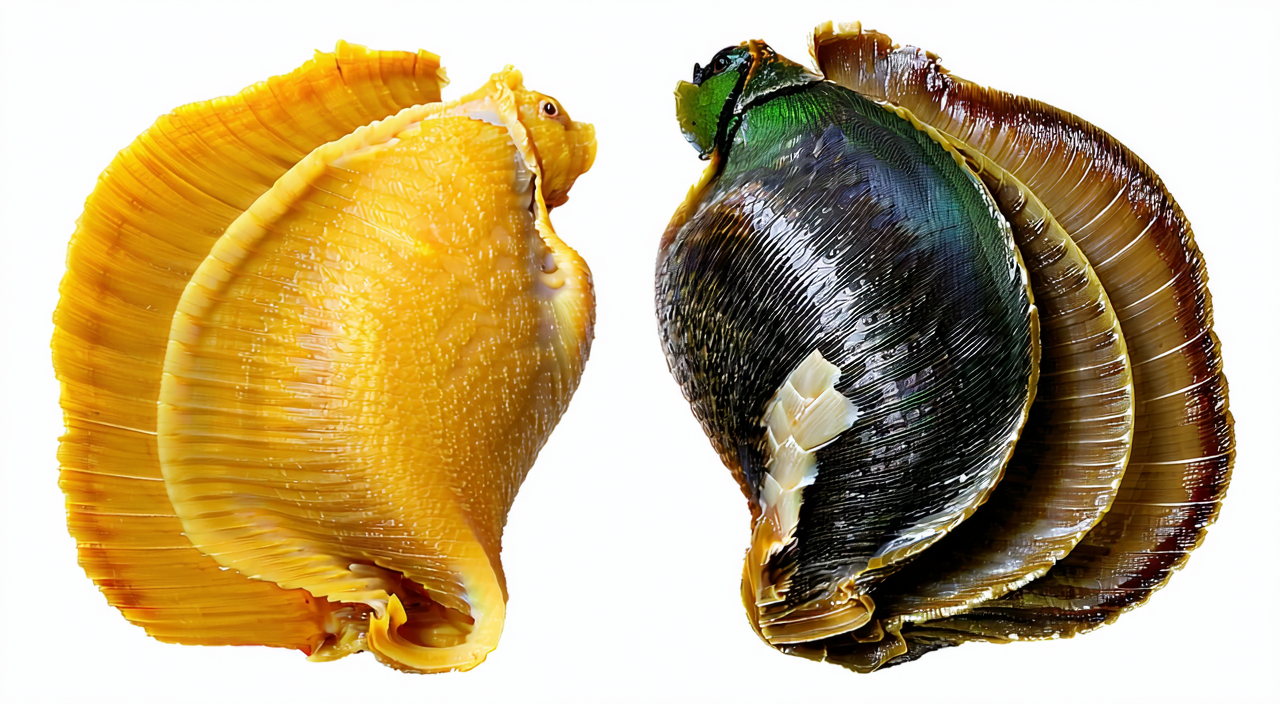
In the market, duck gizzard lining is sometimes used to adulterate chicken gizzard lining. Duck gizzard lining is the inner wall of the duck’s gizzard. Its shape is often a thicker dish-like piece, the color is dark green or purplish-black, the surface wrinkles are fewer and shallower than those of chicken gizzard lining, the texture is harder and stiffer, and the odor tends to be more fishy. In traditional use, although duck gizzard lining has similar applications, it is generally considered slightly less effective in promoting digestion than chicken gizzard lining.
Massa Medicata Fermentata (Liu Shen Qu) belongs to an entirely different category of herbs. It is a fermented processed product made from wheat flour, adzuki beans, apricot kernels, and a variety of fresh medicinal herbs fermented together; it is not of animal origin. Liu Shen Qu focuses on strengthening the spleen, harmonizing the stomach, and resolving food stagnation to regulate the middle burner. It is more suitable for chest oppression, abdominal distension, vomiting, and diarrhea caused by dietary stagnation, working through fermentation to assist transportation. Chicken gizzard lining tends more toward promoting digestion and removing stagnation, and it is more commonly used for stubborn food accumulation. The two have different therapeutic orientations and processing concepts and should not be simply interchanged.
Which formulas use chicken gizzard lining?
The practice of taking powdered chicken gizzard lining alone has a long history — the traditional Ji Nei Jin San (Chicken Gizzard Lining Powder), often used as an auxiliary approach for childhood food accumulation or indigestion. The pediatric compound Ji Nei Jin San adds ingredients such as hawthorn and malt to this base, strengthening the spleen-promoting and digestive effects, making it more suitable for children with poor appetite, abdominal distension, and loose stools. Ready-made formulas like Xiao Shi Jian Wei Pian (Digestion-Promoting and Stomach-Strengthening Tablets) typically contain chicken gizzard lining, hawthorn, and tangerine peel, overall tending to improve epigastric fullness and poor appetite. In addition, some spleen-strengthening and digestion-promoting formulas such as Jian Wei Xiao Shi Pian also use chicken gizzard lining as part of their composition.
These formulas and patent medicines are commonly seen in related health approaches. When actually choosing among them, it is advisable to read the product instructions carefully, taking into account differences in constitution and presentation. The causes of food accumulation disorders are diverse. If symptoms recur or are accompanied by notable pain or weight loss, seeking a professional diagnosis should be prioritized rather than relying solely on such preparations for self-management.
What precautions should be taken when using chicken gizzard lining?
Herbs of animal origin require particular attention to hygiene and processing quality. Chicken gizzard lining should come from healthy chickens, and the processing procedures need to comply with standards to avoid microbial contamination or spoilage from improper storage. People who are prone to allergies to animal proteins should take extra care before use. If symptoms such as rash, itching, or respiratory discomfort occur, use should be stopped immediately and a doctor consulted.
Furthermore, although chicken gizzard lining is traditionally believed to assist in promoting urination and dissolving stones, one should not rely on a single herb to manage complex stone disorders. Conditions such as gallstones and kidney stones can lead to acute obstruction, infection, and may even require urgent treatment. Do not delay medical attention because of misplaced faith in a single herb. People with a history of chronic stomach disease, ulcers, or gastrointestinal bleeding, as well as pregnant women and children, should consult a professional before considering its use.
Summary
Chicken gizzard lining, derived from the inner wall of the chicken’s gizzard, is a traditional herb widely used in the field of digestion promotion and stomach fortification. Its appearance characteristics, medicinal parts, and differences from duck gizzard lining and Massa Medicata Fermentata help reduce confusion in daily identification. Formulas and preparations containing chicken gizzard lining are commonly used in approaches to food accumulation and indigestion, but actual use should be based on individual circumstances and information obtained from reliable sources. This article is for informational reference only and cannot replace professional diagnosis or treatment advice.