
What Is Cuttlebone? Medicinal Parts, Identification, and Common Formulas
Haipiaoxiao may sound unfamiliar to many overseas readers, but the term cuttlebone may ring a bell for those who have encountered Chinese medicine. Haipiaoxiao is not an ordinary bone retrieved from the sea; it is the dried internal shell of specific cuttlefish species. As a common ingredient in traditional Chinese pharmacies, it is neither as conspicuous as plant-based herbs nor as well-known as precious medicinal substances, yet it is frequently used in a variety of health management contexts, including women’s leukorrhea, gastric discomfort, and external bleeding. Understanding its source, how to identify it, and how it differs from similar medicines can provide an objective reference for those who may need it.
What does Haipiaoxiao look like? How to identify it?
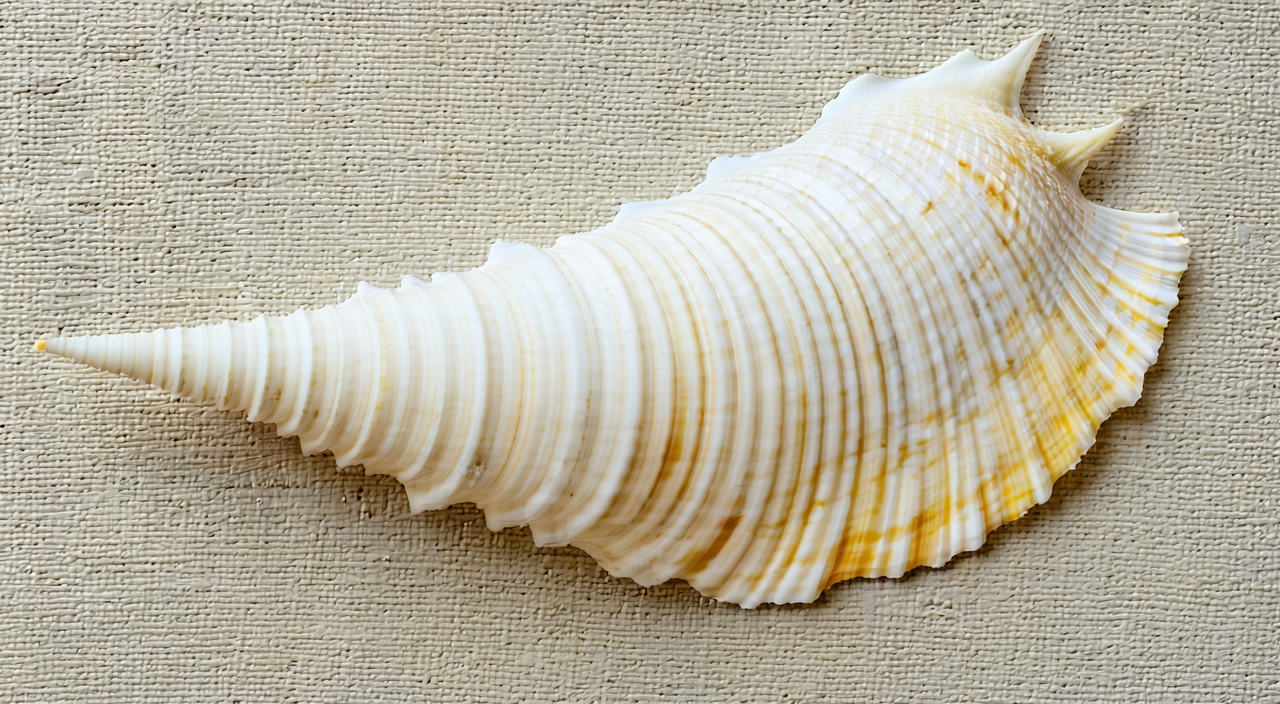
The original animals of Haipiaoxiao are mainly cuttlefish species such as Sepiella maindroni and Sepia esculenta, and what we see as the medicinal material is their internal shell. In appearance, Haipiaoxiao is a flat, elongated oval shape, somewhat like a squeezed boat – thicker in the middle and thinner at the edges. The colour is mostly white or yellowish-white, with a brittle and hard surface texture. On the dorsal side, a distinct porcelain-like layer is visible, and it feels relatively smooth to the touch. On the ventral side, fine longitudinal wavy textures with strong layering can be seen, which is one of the key characteristics for judging the quality of Haipiaoxiao. The entire shell also carries a faint fishy odour. It is very lightweight, able to float on water, and easily breaks into a powdery, porous fracture when bent. Commercially, Haipiaoxiao is also available in finely ground powder form, which is greyish-white and feels fine to the touch. When identifying it, keeping in mind the features of “flat elongated oval shape, hard dorsal and textured ventral surfaces, light weight and porosity” will generally distinguish it from other similar materials.
What is the medicinal part of Haipiaoxiao?
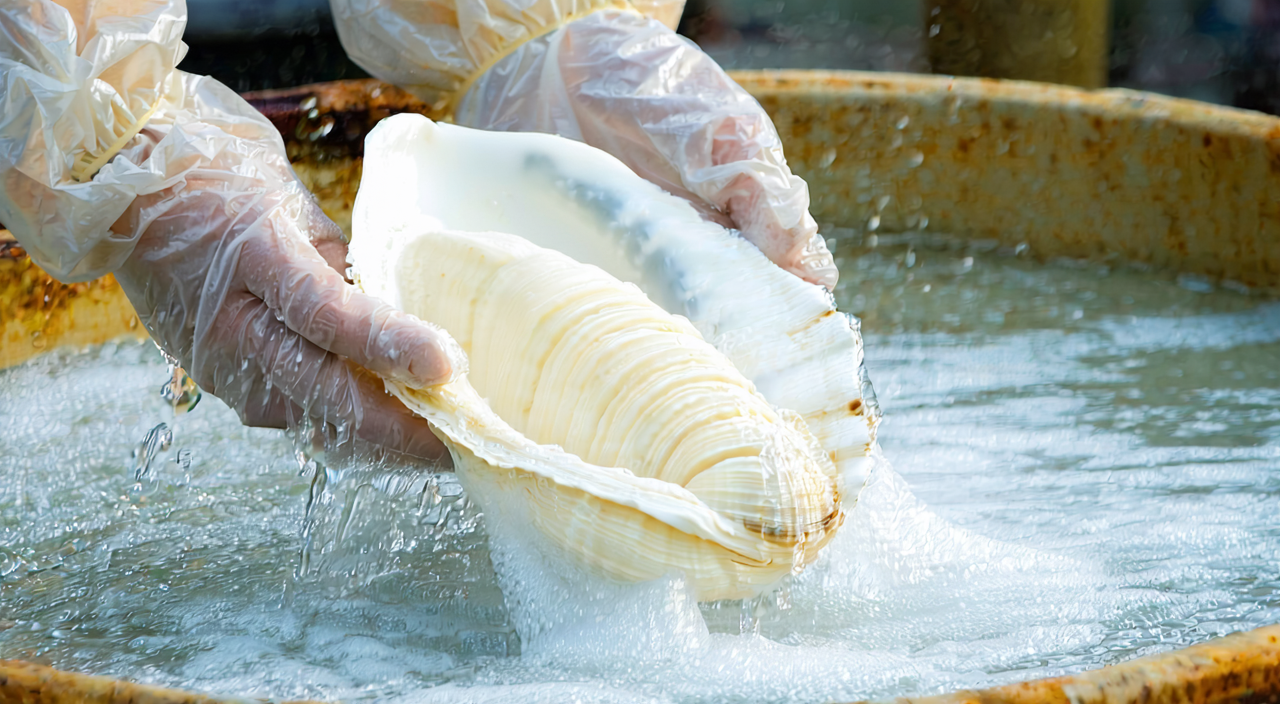
The medicinal part of Haipiaoxiao is the dried internal shell of the cuttlefish, not the flesh or bones of the animal. After catching the cuttlefish, the internal shell needs to be completely removed, with adhering soft tissues and sand rinsed away using repeated clean water washes, and then dried in the sun or at low temperature. When used externally, it is often ground into a very fine powder for sprinkling or mixing into pastes. For decoctions, the whole shell is usually crushed into pieces or coarsely ground. During processing, it may also be stir-fried with wheat bran or calcined to alter some physical properties – for example, calcined Haipiaoxiao has stronger astringent action and is easier to pulverise. Proper cleaning and drying are important for hygiene and safety, as the shell can easily retain salt and microorganisms, and improper handling may affect its use.
How is Haipiaoxiao understood in traditional Chinese medicine?
According to traditional Chinese medicine theory, Haipiaoxiao is salty and astringent in flavour, warm in nature, and mainly enters the Liver and Kidney meridians. Long-term clinical experience recognises several prominent therapeutic directions for it. First, it astringes and stops bleeding: for conditions such as uterine bleeding (metrorrhagia), bleeding from the lungs and stomach, Haipiaoxiao is often used as an astringent supplementary choice. Second, it secures essence and stops vaginal discharge: in patterns characterised by “slipping and loss of consolidation”, such as seminal emission in men and excessive leukorrhea in women, it can help secure essence, reduce urination, and arrest discharge. Third, it neutralises acid and alleviates pain: this is also one of its more common modern applications. For discomforts like stomach pain, acid reflux, and epigastric upset resembling hyperacidity, Haipiaoxiao may relieve symptoms by neutralising gastric acid. Fourth, it dries dampness and astringes sores: traditionally, the powder is sprinkled on non-healing sores or weeping eczema to absorb exudate and promote healing. All these actions stem from the TCM principle of warming and astringing to secure collapse, and whether it is suitable must be determined based on individual pattern differentiation.
What do modern component studies say?
Modern analysis has found that Haipiaoxiao mainly contains calcium carbonate, along with small amounts of calcium phosphate, sodium chloride, magnesium salts, and various trace elements. Its relatively high calcium content partly explains its ability to neutralise gastric acid. Some in vitro experiments have also observed that Haipiaoxiao powder can form a protective coating over damaged gastric mucosa and may mildly promote blood clotting. However, most of these data come from basic research or animal experiments and can only help explain traditional uses; they cannot directly infer therapeutic effects on specific diseases. When facing recurrent stomach pain or unexplained bleeding, professional medical examination should be a priority, and one should not rely solely on Haipiaoxiao for management.
What are the differences between Haipiaoxiao, Sangpiaoxiao, and Walengzi?
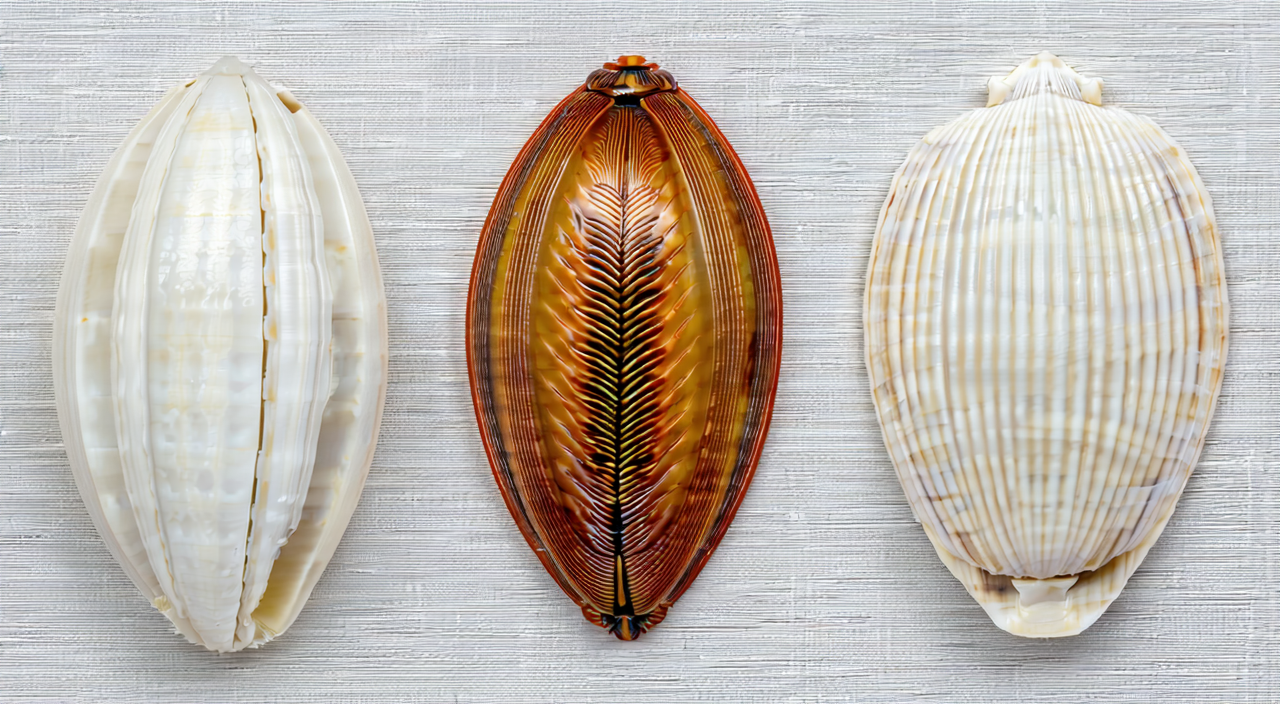
Because the names sound similar or their appearances can be confusing, overseas readers often ask about the differences between Haipiaoxiao, Sangpiaoxiao, and Walengzi. Sangpiaoxiao is the dried ootheca (egg case) of mantises, an insect product, appearing as a lumpy or cylindrical mass, yellowish-brown in colour, and relatively tough in texture; it is mainly used to secure essence and reduce urination. By contrast, Haipiaoxiao is the internal shell of cuttlefish, white and brittle, primarily used to astringe and stop bleeding, arrest leukorrhea, and neutralise acid. Walengzi refers to the shells of bivalve molluscs such as the blood cockle or hairy cockle, with radiating ribs on the surface and a harder, heavier texture; traditionally it is used to neutralise acid, alleviate pain, resolve phlegm, and reduce stasis. In simple terms, these three medicinal substances come from entirely different origins—cuttlefish internal shell, insect ootheca, and mollusc shell—and although their names share similar characters, their practical effects and emphases differ greatly. They must never be used interchangeably. Recognising their origin and texture can effectively prevent misuse.
Which formulas contain Haipiaoxiao?
Haipiaoxiao appears in quite a few classical formulas. Below are several common examples for reference.
Guchong Decoction is a commonly used TCM formula for treating uterine bleeding and heavy menstruation caused by instability of the Chong vessel in women. In addition to Haipiaoxiao, it contains ingredients such as fossilised bone (Longgu), oyster shell (Muli), and Cornus fruit (Shanzhuyu). Traditionally, it works by astringing and consolidating to reduce bleeding volume. This formula is usually suitable for patterns of qi deficiency and sinking, with instability of the Chong and Ren vessels. If the bleeding stems from blood heat or blood stasis, however, it would not be the appropriate choice.
Wubei Powder is another well-known modern formula, mainly composed of Haipiaoxiao and Fritillaria thunbergii bulb (Zhebeimu). Traditionally, it is used for stomach pain, acid reflux, and the epigastric upset and heartburn associated with gastric or duodenal ulcers. The thinking behind this formula combines neutralising acid and relieving pain with clearing heat and dispersing masses, but it is only suitable for people with excess stomach acid; those with weak gastric motility or cold stomach patterns may need to be cautious.
Haipiaoxiao Powder, with cuttlebone as the main ingredient combined with various haemostatic and anti-inflammatory herbs, is traditionally used for external problems such as traumatic bleeding, skin ulceration, and non-healing wounds. It is ground into a fine powder and applied dry or mixed with oil.
Furthermore, in formulas for arresting vaginal discharge, Haipiaoxiao is often combined with ingredients such as Euryale seed (Qianshi) and Angelica dahurica root (Baizhi), targeting chronic conditions with thin, profuse leukorrhea. When applying these formulas in practice, it is necessary to take into account the individual’s constitution, the severity of symptoms, and professional judgement. They should not be used indiscriminately without guidance.
What precautions should be taken when using Haipiaoxiao?
Although Haipiaoxiao is relatively gentle, there are several key points to keep in mind when learning about or using it on your own. First, Haipiaoxiao has an astringent nature. In individuals with a tendency toward constipation, internal use may worsen bowel movements, so this needs to be assessed beforehand. Second, the causes of stomach pain, bloating, and other symptoms are very complex. If conditions such as gastric ulcers, gastric bleeding, or Helicobacter pylori infection have not been ruled out, relying solely on Haipiaoxiao to neutralise acid may mask the condition and delay diagnosis; in such cases, medical evaluation must be sought first. Third, commercially available Haipiaoxiao powder may be contaminated by microorganisms during processing, so products from reliable sources that have undergone proper processing should be chosen, and when used externally, the wound area should be kept clean. Fourth, since Haipiaoxiao comes from marine animals, people allergic to seafood such as shrimp, crab, or shellfish may be at risk of cross-reactivity and need to exercise special caution before use. If gastric symptoms are chronic and recurrent, or accompanied by signs such as black stools, weight loss, or difficulty swallowing, one should stop self-treatment and seek professional examination as soon as possible.
Summary
As a Chinese medicine derived from cuttlefish internal shell, Haipiaoxiao has traditionally been used to astringe and stop bleeding, neutralise acid and relieve pain, and dry dampness to heal sores. It can be identified by its flat elongated oval shape, wavy ventral texture, lightweight and porous nature, distinguishing it from Sangpiaoxiao and Walengzi. Formulas containing Haipiaoxiao, such as Guchong Decoction and Wubei Powder, represent some traditional therapeutic approaches for specific constitutions, but their suitability still needs to be judged based on actual conditions. Individuals with constipation, seafood allergies, or undiagnosed gastric conditions should exercise caution, and when persistent or severe symptoms occur, professional help should be sought.