
What Is Cao Wu? Medicinal Parts, Identification, and Common Formulas
On some overseas Chinese forums, it is not uncommon to see people asking “What is Cao Wu?” or wondering about its uses in Chinese medicine. Cao Wu is a potent yet high-risk medicinal substance in traditional Chinese medicine, derived from the dried root tubers of several Aconitum species in the Ranunculaceae family (primarily Aconitum kusnezoffii and related species). Raw Cao Wu is extremely toxic, and countries around the world strictly regulate Aconitum plants. In formal Chinese medicine practice, clinically only the properly processed product, Zhi Cao Wu, is used; the raw form is almost never administered directly. Below, we address the most common concerns step by step, covering the source, appearance, medicinal parts, traditional Chinese medicine thinking, modern research focus, and the safety boundaries that must be remembered.
What Does Cao Wu Look Like? How to Identify It
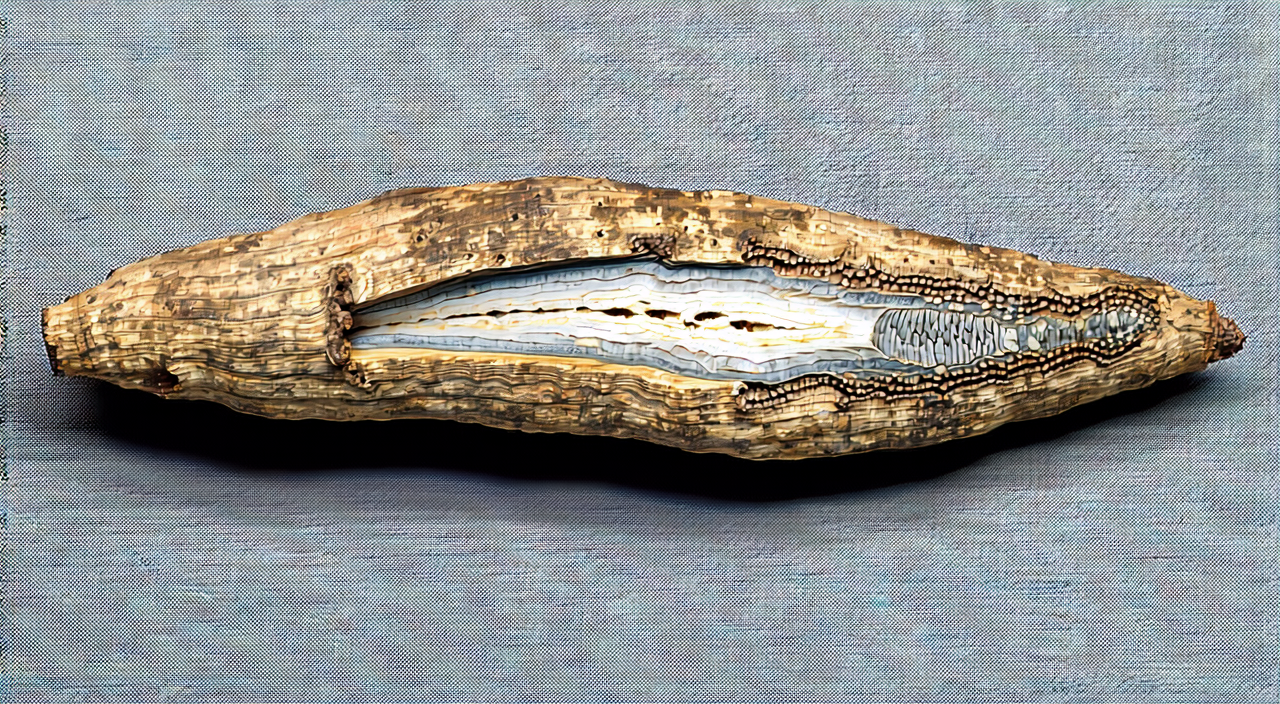
The medicinal part of Cao Wu is the root tuber. The dried product is irregularly long-conical, slightly curved, generally about 2–7 cm in length and 0.6–2 cm in diameter. The surface is mostly greyish-brown or blackish-brown, sometimes tinged with yellowish-brown, with obvious longitudinal wrinkles and raised rootlet scars. On the sides there are often wart-like protrusions marking lateral root scars—traditionally called “nail angles” by experienced identifiers—which are an important morphological feature. The texture is hard and difficult to break. When cut, the cross-section is greyish-white or dark grey; the outer bark layer is relatively thin, and a polygonal cambium ring can be seen inside, with xylem vessels arranged in dots, while the pith often contains some fissures. The odour is mild, but tasting produces a strong acrid sensation and numbing of the tongue—something a layperson should never try, because aconitine can be rapidly absorbed through the oral mucosa.
Most Cao Wu pieces on the market are processed Zhi Cao Wu, which tends to be darker in colour, slightly crisper in texture, and with markedly reduced tongue-numbing sensation. However, this does not mean the toxicity has been completely eliminated; it must still be used under strict dosage control and with suitable combinations. If you cannot confirm by appearance alone whether a product has been properly processed, do not purchase or use it.
What Is the Medicinal Part of Cao Wu?
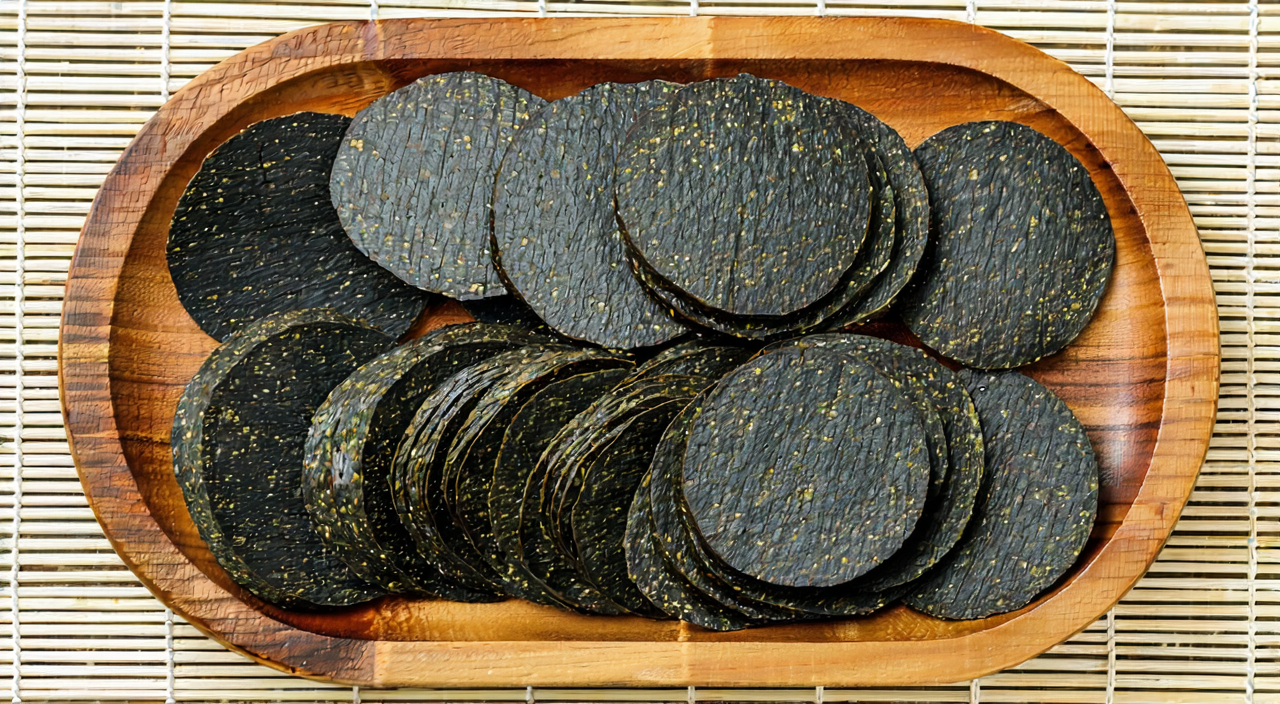
The medicinal part of Cao Wu is clearly defined as the dried root tuber of Aconitum kusnezoffii and other species in the same genus of the Ranunculaceae family. Harvesting takes place in autumn when the stems and leaves wither; the rootlets and soil are removed, and the tubers are washed to obtain the fresh material. Because the raw product contains high levels of toxic constituents, Chinese medicine almost never uses raw Cao Wu directly. Instead, it must undergo complex traditional processing methods such as soaking, rinsing, boiling, or steaming to reduce the levels of aconitine-type compounds, yielding Zhi Cao Wu (processed Cao Wu) before it can be dispensed in internal formulas.
In simple terms, when we talk about “medicinal Cao Wu” in everyday context, we are almost always referring to Zhi Cao Wu. The processed root tubers largely retain their original shape, but the colour and texture change, and although toxicity is greatly reduced, they still fall within the category of toxic Chinese medicinals. Dispensing, decocting, and using them must all comply strictly with regulations, and they must never be handled independently.
How Does Chinese Medicine Understand Cao Wu?
In traditional Chinese medicine theory, Cao Wu is acrid and bitter in flavour, hot in nature, and enters the Heart, Liver, Kidney, and Spleen meridians; it is considered to have strong toxicity. Physicians throughout history have used it with great caution, mainly for its actions of dispelling wind and dampness, warming the channels and dispersing cold, and unblocking collaterals to relieve pain. In classical texts, Cao Wu was often used for cold pain in the joints, spasms and contractures of the limbs, heaviness in the lower back and legs, and certain stubborn pain conditions caused by wind-cold-dampness invading the channels. However, all such applications rest on one prerequisite: it must be processed, and it is usually combined with other medicinals such as licorice, honey, and fresh ginger to restrain its toxicity.
From a modern perspective, Cao Wu’s effects in these areas may be related to its influence on sensory nerves and local circulation, but Chinese medicine places greater emphasis on holistic regulation and syndrome differentiation. For example, if joint pain presents as cold pain that worsens with cold, with a pale, slippery tongue coating and a deep, tight pulse, this may traditionally be seen as a situation suitable for such channel-warming and cold-dispersing medicinals; if, instead, there is red, swollen, hot pain indicating damp-heat, then Cao Wu would be completely contraindicated. This again illustrates that Cao Wu is absolutely not a simple remedy to use based on symptoms alone—the accuracy of the syndrome differentiation directly determines safety.
Key Focus of Modern Research: Aconitine Compounds and Safety Risks
Modern pharmacological research has isolated aconitine, hypaconitine, mesaconitine, and other diterpenoid alkaloids from Cao Wu. These constituents exhibit some analgesic, local anaesthetic, and anti-inflammatory activities, but at the same time they are highly toxic to the heart and nervous system, with the cardiac effects being the most alarming. Aconitine can act on sodium ion channels in cardiac muscle cells, causing arrhythmias that may progress from ventricular premature beats and ventricular tachycardia to ventricular fibrillation, and can be fatal within a short time. Moreover, the margin between a safe dose and a toxic dose is very narrow, individual variation is considerable, and even slightly exceeding the tolerable dose can be dangerous.
For this reason, pharmacopoeias and Chinese medicine regulatory rules in various countries impose strict requirements on the processing, dosage, and method of use of Cao Wu. Unprocessed raw Cao Wu is classified as a potent toxic medicinal and is strictly prohibited for self-directed internal use, external application, or circulation as a “health supplement”. Any practice of privately using Cao Wu in “traditional wine infusions” or “folk remedies” may lead to fatal consequences. Such risks fall not within the realm of gentle, tonic regulation, but rather represent a serious toxicological issue that must be approached with utmost seriousness.
What Are the Differences Between Cao Wu, Chuan Wu, and Fu Zi?
Many people interested in Chinese medicine often confuse Cao Wu with Chuan Wu and Fu Zi. All three come from Aconitum plants in the Ranunculaceae family and all contain aconitine-type compounds, but they differ in their source plants and specific plant parts. Chuan Wu is the processed main (mother) root of Aconitum carmichaelii, whereas Cao Wu comes from the root tubers of Aconitum kusnezoffii and other species in the same genus—different plant origins. Fu Zi is the daughter root of the Aconitum carmichaelii plant, usually processed into forms such as Yan Fu Zi, Hei Shun Pian, or Bai Fu Pian. Among the three, Cao Wu often has a higher aconitine content and is generally considered more toxic.
In terms of usage, both Chuan Wu and Cao Wu appear in traditional formulas, but Cao Wu tends to be used more for dispelling wind, draining dampness, dispersing cold, and stopping pain, while Chuan Wu is often combined with Cao Wu to enhance the effect. Although Fu Zi also possesses toxicity, after proper processing and decoction it is a commonly used medicinal for warming yang and rescuing collapse, with a richer body of clinical experience. However, regardless of which one is used, it must be under the direction of a qualified Chinese medicine professional and must be properly processed; the different parts of the same plant cannot be mixed up, let alone substituted at will.
Which Formulas Use Cao Wu?
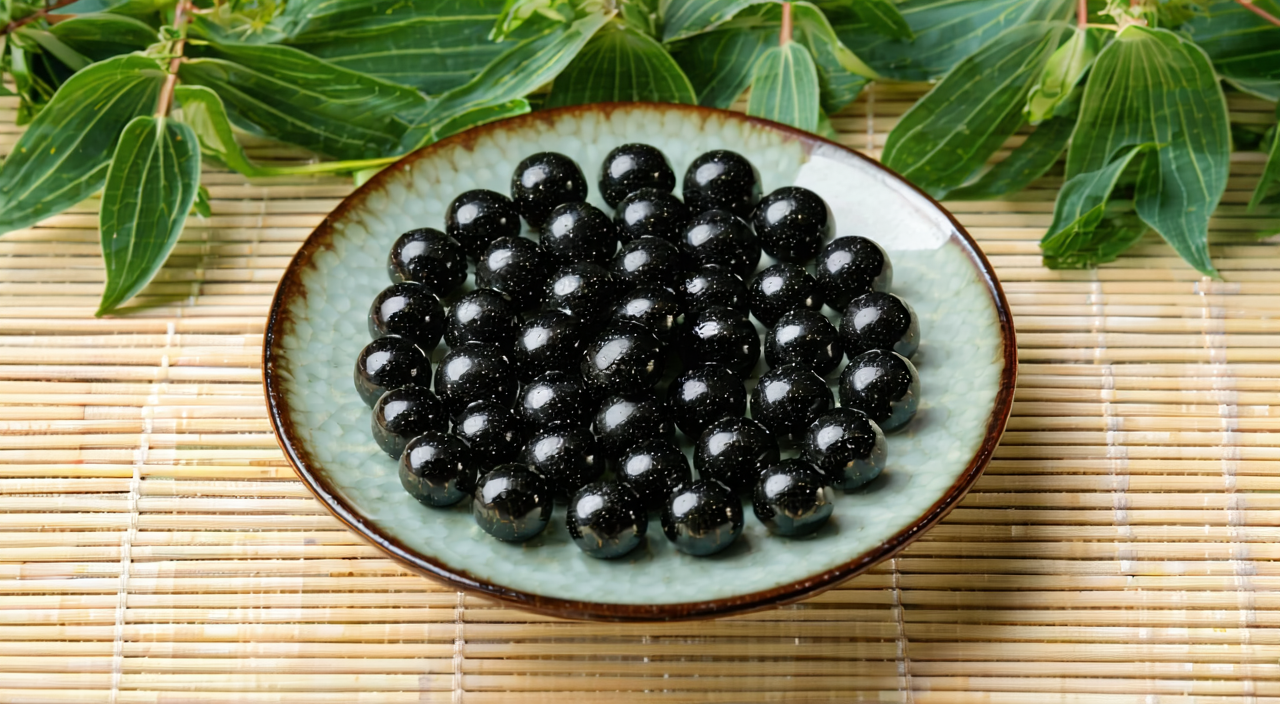
Most traditional formulas that contain Zhi Cao Wu are aimed at severe bi-syndrome pain, numbness, and muscle contractures caused by significant wind-cold-dampness. A representative example is Xiao Huo Luo Dan, which contains both Zhi Chuan Wu and Zhi Cao Wu together with Di Long, Ru Xiang, and Mo Yao; it is traditionally used for wind-cold-damp bi, cold pain in the limb joints, and difficulty flexing and extending. Zhui Feng Tou Gu Wan and Shu Feng Ding Tong Wan are also commercially available patent medicines containing Zhi Cao Wu, often used as supportive management for joint pain that worsens with cold, and soreness and heaviness in the sinews and bones.
In addition, some standardized products developed through modern preparation technology may also include Zhi Cao Wu as one of the wind-dispelling and pain-relieving components. Whatever the form, these products are prescription-only or strictly regulated medicines and must be taken according to the labelled dosage and under the guidance of a physician or pharmacist. One must never independently select a medicine, increase the dose, or take it long-term based on other people’s recommendations. The principle of “same disease, different treatment” in Chinese medicine requires selecting formulas according to constitution and syndrome pattern; the same symptom can have a completely different underlying syndrome, and the wrong choice can be detrimental. Therefore, self-judgement and direct application of a formula are inadvisable.
What Precautions Should Be Taken When Using Cao Wu?
In light of what has been discussed above, the following points must be kept in mind for the safe use of Cao Wu. First, self-administration of raw Cao Wu internally is strictly forbidden, as is using raw Cao Wu for wine infusions or grinding into powder for ingestion. Folk practices of using Cao Wu wine to treat rheumatism can easily lead to severe poisoning and must never be imitated. Second, even Zhi Cao Wu must be used under the prescription and supervision of a Chinese medicine practitioner; you should not purchase “decoction pieces” to boil at home on your own, because the strength of the decoction, the cooking time, and the combination ratios all directly affect toxicity. Third, external application should also avoid broken skin and mucous membranes; prolonged, large-area external application can also lead to absorption and poisoning. Fourth, if after taking a Cao Wu-containing medicine you experience numbness or tingling of the mouth, tongue, or limbs, nausea and vomiting, palpitations, dizziness, chest tightness, blurred vision, or even convulsions and impaired consciousness, aconitine poisoning should be highly suspected. You must immediately call emergency services or go to the emergency department to receive prompt gastric lavage, anti-arrhythmic treatment, and other interventions.
Additionally, the traditional “Eighteen Antagonisms” record that Cao Wu should not be used together with medicinals such as Ban Xia, Gua Lou, Bei Mu, Bai Ji, and Bai Lian, which must also be strictly observed during dispensing. Pregnant and breastfeeding women, children, and the elderly and frail are generally not suitable candidates for its use. Readers are urged to treat these safety points as mandatory knowledge, not optional suggestions.
Summary
Cao Wu is a Chinese medicinal with powerful actions and a very narrow safety margin. When used correctly, it can offer certain therapeutic ideas for conditions like wind-cold-damp bi, but all of this rests on proper processing, accurate syndrome differentiation, and professional guidance. Whether identifying its medicinal parts or learning about formulas containing Zhi Cao Wu, one should always approach the subject with a “safety first” mindset and never attempt self-medication, internal use, or homemade wine infusions. This article is intended solely as a popular science reference on Chinese medicinal materials and cannot substitute for the professional diagnosis and treatment advice of a doctor or pharmacist. If you have related health concerns, please consult a locally licensed professional in a timely manner.