
What Is Wu Zhu Yu? Medicinal Parts, Identification, and Common Formulas
Many people have heard of Wu Zhu Yu (Evodia), but often confuse it with Shan Zhu Yu (Cornus) or are unsure of its specific appearance and uses. This article will guide you through the source, visual characteristics, and medicinal parts of this traditional Chinese herb, the differences between it and Shan Zhu Yu (Cornus) and Sichuan peppercorn, and introduce several classic formulas that contain Wu Zhu Yu, helping you gain a basic understanding when encountering such products.
What Does Wu Zhu Yu Look Like? How to Identify It?
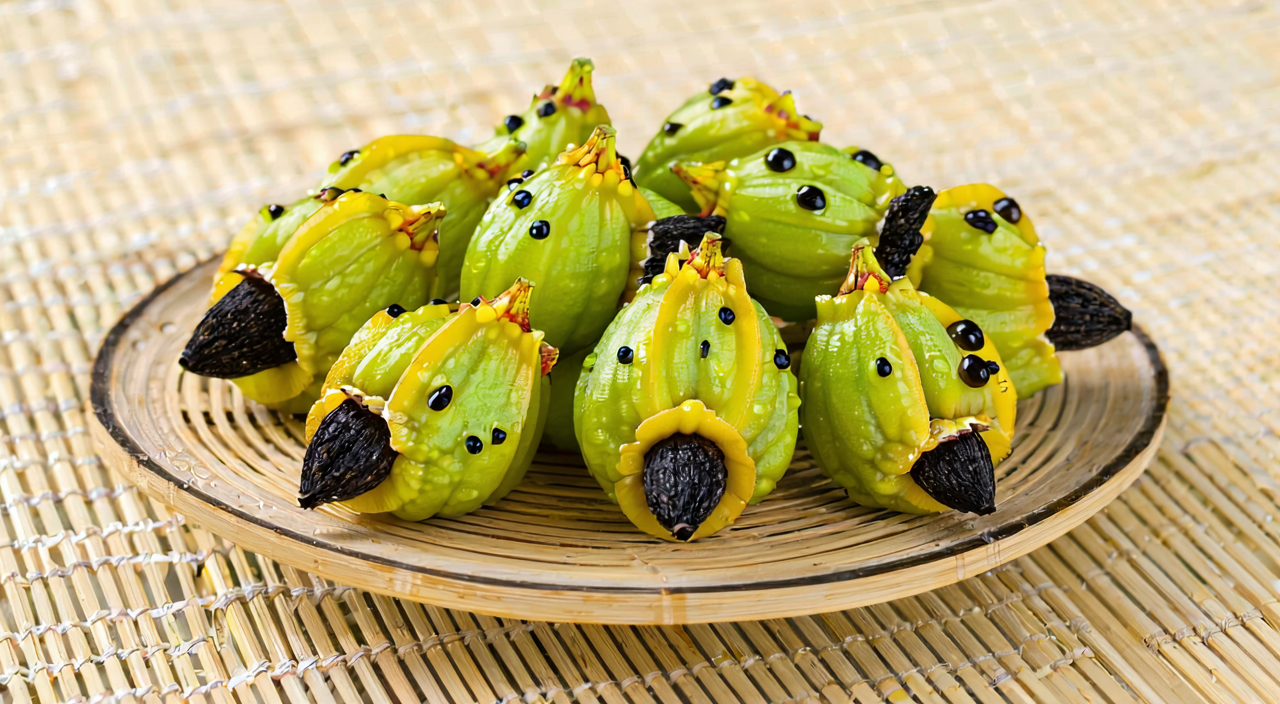
Wu Zhu Yu comes from the nearly ripe fruit of Rutaceae plants, including Evodia rutaecarpa, E. rutaecarpa var. officinalis, or E. rutaecarpa var. bodinieri. After drying, the fruit is spherical or slightly flattened, about 2–5 mm in diameter, with a dark yellowish-green or brownish-green surface and rough, wrinkled texture. Close observation reveals many tiny oil spots, which are volatile oil glands, giving off a strong aroma. At the top of the fruit, traces of five-lobed valves are often visible, and sometimes the fruit splits open to reveal black seeds. The texture is hard and brittle, and the interior has an aroma when broken open. The odor is distinctive, and the taste is acrid and bitter, producing a numbing sensation on the tongue when chewed—its pungent, aromatic character is a key identifying feature. Sometimes older stock appears on the market, with a darker color, weaker smell, and lower quality; when selecting, fruits that are green, plump, and strongly aromatic are preferred.
What Is the Medicinal Part of Wu Zhu Yu?
The medicinal part of Wu Zhu Yu is the nearly ripe fruit. It is generally harvested from August to November, when the fruit has not yet fully opened and the color changes from green to yellow-green; at this stage, the volatile oil content is higher and quality is better. After harvesting, leaves, stems, and other impurities are removed, and the fruit is dried in the sun or at low temperatures. Traditional processing sometimes involves soaking in licorice water or stir-frying with ginger juice to reduce its harsh, irritating nature; this is called “processed Wu Zhu Yu.” Unprocessed, raw Wu Zhu Yu has a stronger drying nature and is mostly used externally or in powders, while preparations of processed Wu Zhu Yu are more commonly used in decoctions. It is important to note that the medicinal part is only the nearly ripe fruit, not the mature, split seeds, nor the leaves or roots of the plant—this differs from some other similar herbs.
How Does Traditional Chinese Medicine Understand Wu Zhu Yu?
In TCM theory, Wu Zhu Yu is hot in nature, with acrid and bitter flavors, and enters the Liver, Spleen, Stomach, and Kidney meridians. Therefore, its actions are often understood in terms of dispelling cold to relieve pain, directing rebellious qi downward to stop vomiting, and warming yang to check diarrhea. Traditionally, it is considered adept at warming and dispersing cold pathogens from the Liver channel, making it suitable for vertex headache, abdominal pain, and hernia pain caused by cold stagnation and qi constraint. At the same time, it can warm the stomach and descend rebellious qi, used for vomiting due to stomach cold, acid regurgitation, and hiccups—such as when there is cold in the stomach with nausea after eating. It can also warm the yang of the Spleen and Kidney to stop diarrhea, offering reference value for early morning diarrhea caused by Spleen-Kidney yang deficiency. However, Wu Zhu Yu is acrid, hot, and drying, and can easily consume qi and damage yin, so it is not suitable for all constitutions. It requires comprehensive assessment based on tongue coating and pulse conditions. It is commonly used for patterns of cold-damp encumbrance or internal cold due to yang deficiency, and should not be used in cases of yin deficiency with heat, marked by dry mouth and throat, a red tongue with little coating.
What Does Modern Research Suggest?
Modern research has found that Wu Zhu Yu contains evodiamine, rutaecarpine, volatile oils, limonoids, and other constituents, which have certain effects on the digestive tract, cardiovascular system, and central nervous system. At the same time, it also indicates significant irritant properties and potential liver toxicity risks. Experiments show that certain components in Wu Zhu Yu, at higher doses or with long-term use, may cause liver cell injury, elevated transaminases, and other problems, especially in individuals with pre-existing liver dysfunction. In addition, raw Wu Zhu Yu applied externally may irritate the skin and cause blistering, while internal use can easily cause burning sensations in the stomach, nausea, and abdominal pain. Therefore, when using products containing Wu Zhu Yu, both dosage and duration must be approached with extra caution; you should never arbitrarily increase the dose or take it for extended periods. If you have chronic liver disease or unexplained abnormal liver function, you should avoid exposure to high-concentration Wu Zhu Yu preparations altogether.
Don’t Get Them Wrong: Differences Between Wu Zhu Yu, Shan Zhu Yu, and Sichuan Peppercorn
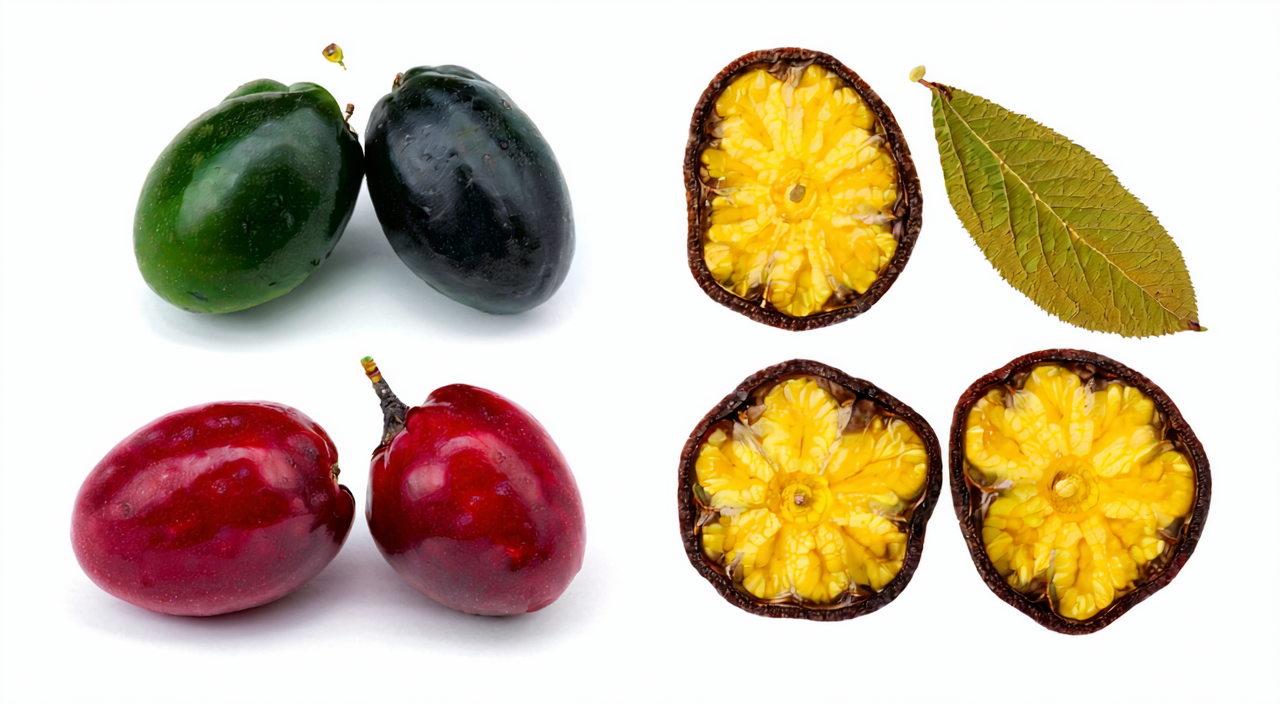
Although their names both contain “Zhu Yu” or their appearances may seem similar, Wu Zhu Yu and Shan Zhu Yu are two completely different herbs. Shan Zhu Yu (Cornus) is the dried mature fruit pulp of Cornus officinalis, appearing as irregular slices or sac-like pieces with a purplish-red to purplish-black, wrinkled surface and a sour, astringent, slightly bitter taste. Traditionally, the fruit pulp is used to tonify the Liver and Kidney and to astringe and secure prolapse. Wu Zhu Yu, on the other hand, is the nearly ripe fruit of Rutaceae plants, small, spherical, yellowish-green, with a strong aroma and acrid taste, excelling at warming and dispersing. One is for tonifying, the other for dispersing, and they cannot be used interchangeably. Additionally, Sichuan peppercorn (Hua Jiao) also belongs to the Rutaceae family and has similar-looking fruits, but its fruits are larger, with wart-like raised oil glands on the surface, turning red when mature, with a fragrant, numbing character. It is mainly used to warm the middle burner and stop pain, kill parasites, and relieve itching, differing from Wu Zhu Yu in nature, flavor, meridian tropism, and application. Recognizing the fruit shape and aroma helps avoid confusion.
Which Herbal Formulas Use Wu Zhu Yu?
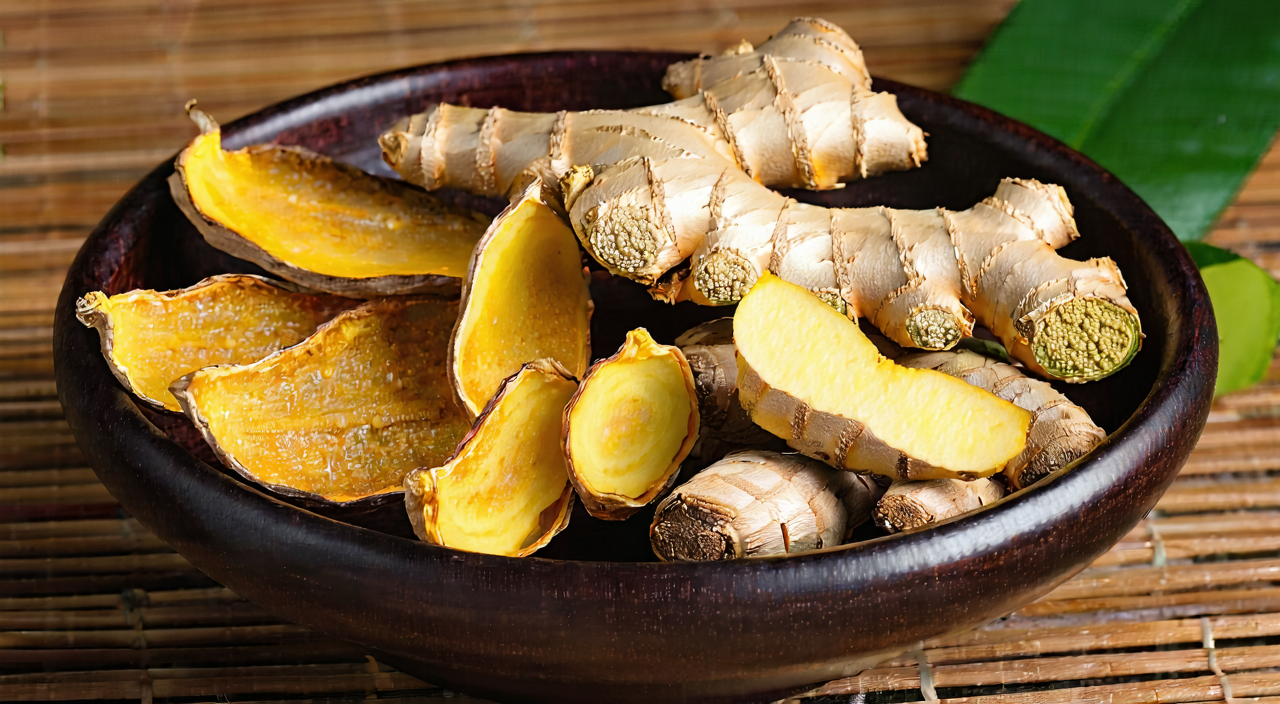
Wu Zhu Yu appears in many classic formulas; here are several common examples for reference. Wu Zhu Yu Tang combines Wu Zhu Yu with Ren Shen (ginseng), Sheng Jiang (fresh ginger), and Da Zao (jujube). Traditionally, it is used for patterns of Liver-Stomach deficiency cold with turbid yin rising counterflow, manifesting as vertex headache, vomiting of thin fluids, and similar symptoms. Zuo Jin Wan contains only two herbs: Huang Lian (coptis) and Wu Zhu Yu in a 6:1 ratio. It is commonly used for Liver fire invading the Stomach, causing hypochondriac pain, acid regurgitation, and epigastric noise; Wu Zhu Yu acridly opens Liver constraint and guides Huang Lian into the Liver meridian. Wen Jing Tang also contains Wu Zhu Yu, combined with Gui Zhi (cinnamon twig), Dang Gui (Chinese angelica), Chuan Xiong (Sichuan lovage root), A Jiao (donkey-hide gelatin), and others. It is used for menstrual irregularities and lower abdominal cold pain due to deficiency cold in the Penetrating and Conception Vessels and blood stasis. Si Shen Wan pairs Wu Zhu Yu with Bu Gu Zhi (psoralea), Rou Dou Kou (nutmeg), and Wu Wei Zi (schisandra), mainly targeting early morning diarrhea caused by Spleen-Kidney yang deficiency. Each formula has a different rationale and addresses different patterns and constitutions. Whether a formula suits an individual must be considered together with specific symptoms and professional pattern differentiation.
What Should You Pay Attention to When Using Wu Zhu Yu?
Although widely used, Wu Zhu Yu’s warm, hot, and drying nature and potential toxicity require serious attention. First, individuals with yin deficiency and fire hyperactivity, who commonly present with warm palms, dry mouth and throat, and a red tongue with little moisture, should avoid using it to prevent aggravating heat and damaging yin. Second, it should not be used casually during pregnancy because of its strong acrid, dispersing, and penetrating properties. Furthermore, those with a history of chronic liver disease, abnormal liver function, or unexplained elevated transaminases are generally advised against self-administering Wu Zhu Yu preparations. If an ordinary user experiences discomfort such as burning pain in the stomach, nausea, or diarrhea, they should discontinue use and observe. At the same time, Wu Zhu Yu should not be taken in excessive doses—the traditional oral decoction dosage is usually 1.5–4.5 grams, and external use should be in appropriate amounts and not applied for prolonged periods. Whether it is a finished product or raw herb, it should not be used long-term as a health tea; it needs to be used short-term and symptomatically under professional guidance. If discomfort persists or worsens, seek medical attention promptly rather than relying on a single herb to solve the problem.
Summary
Wu Zhu Yu is a distinctly warm-natured, potent herbal medicine from the Rutaceae family, using the nearly ripe fruit as its medicinal part. Its appearance is characterized by small, dark yellowish-green berries with five-lobed fruit valves and a strong acrid aroma. It is mainly applied in traditional medicine to dispel cold and relieve pain, direct rebellious qi downward to stop vomiting, and warm yang to check diarrhea. However, because of its irritant properties and potential liver toxicity, its use requires strict attention to constitutional and dosage requirements. In particular, those with yin deficiency and fire hyperactivity, pregnant women, and individuals with liver disease need to exercise extra caution. It is significantly different from Shan Zhu Yu and Sichuan peppercorn and must not be used incorrectly. This article is for general knowledge only; if you are experiencing health issues, you should seek professional evaluation and never self-prescribe or self-medicate.