
What Is Sumu (Sappanwood)? Medicinal Parts, Identification, and Common Formulas
Many people’s first impression of Sumu comes from its vivid reddish-yellow wood—historically, Sumu was also used as a red dye. In traditional Chinese medicine, however, Sumu is a traditional herb for invigorating blood and dispelling blood stasis, and it is especially common in approaches for trauma, bruises, and blood-stasis-related conditions. If you encounter Chinese medicinal herbs overseas and want to know what Sumu looks like, which part is used medicinally, how it differs from herbs such as Spatholobus stem, and which formulas use it, this introduction will help you build a basic overall understanding.
What Does Sumu Look Like? How to Identify It
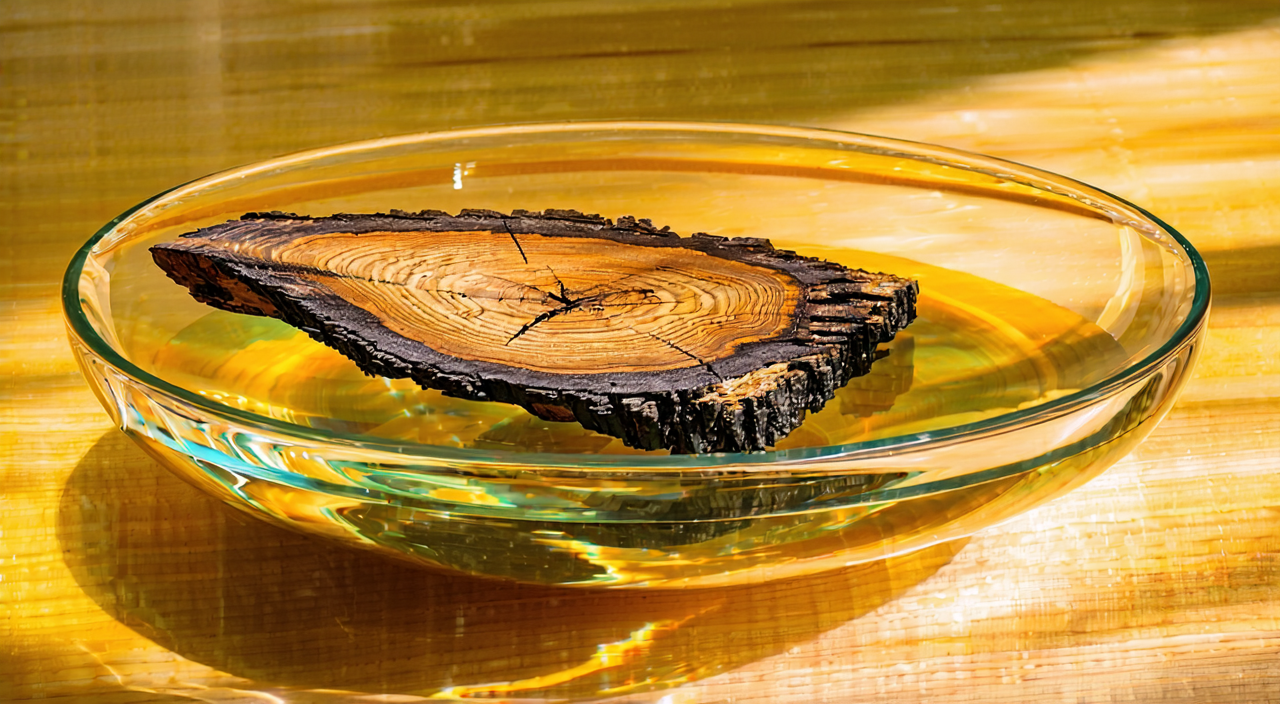
The medicinal form of Sumu is not the whole trunk or branch, but the processed heartwood. Sumu commonly seen on the market is usually irregular long strips or thin slices; some pieces are slightly curved, and the edges often show cutting marks. Its color is mainly yellowish-red to reddish-brown, and some pieces may become slightly darker brownish-red after prolonged storage. On a relatively flat cut surface, you can observe fine longitudinal grain. The texture is hard and heavy, with a strongly fibrous fracture surface that is not easy to break.
A relatively intuitive identification method is to soak Sumu in water. Place a small piece in cold or warm water, and you will soon notice the water gradually turning pale yellow or golden yellow, sometimes with a slight orange-red tone. This comes from the water-soluble pigments contained in Sumu. This color-change property is sometimes used to distinguish it from other woods with a similar appearance but different pigment behavior. It should be noted that everyday soaking and color change is only an auxiliary method for observing characteristics and cannot replace professional identification. When purchasing, it is still recommended to choose medicinal materials from reliable sources.
What Is the Medicinal Part of Sumu?
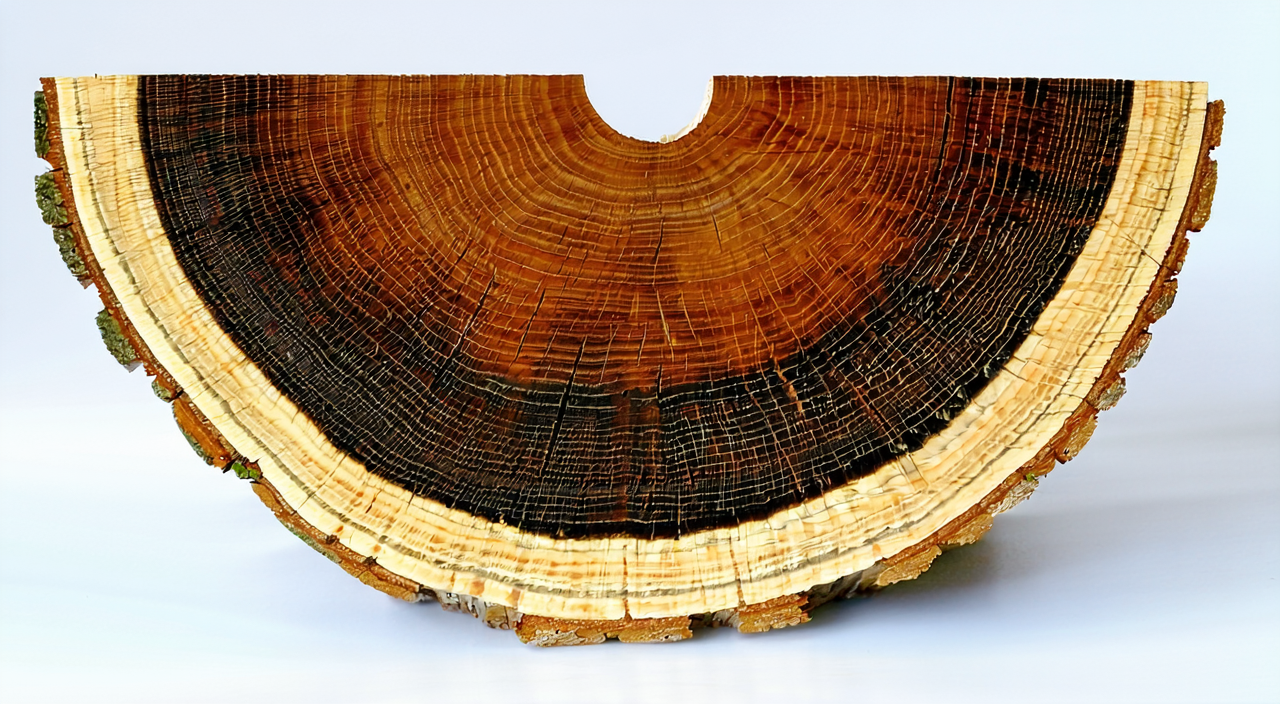
The medicinal part of Sumu is clear—it is the dried heartwood of the legume plant Caesalpinia sappan. After the trunk is harvested, the outer sapwood is removed, and only the darker inner heartwood is retained. It is then cut into slices, pieces, or split into thin strips and dried to become the commonly seen Chinese medicinal herb Sumu. The sapwood is lighter in color, and its texture and chemical composition differ greatly from the heartwood, so it is traditionally not included in the medicinal part.
Therefore, when you obtain a piece labeled as “Sumu,” pay attention to whether it is heartwood: the heartwood is darker, ranging from reddish-brown to yellowish-red, while the sapwood is mostly pale yellowish-white. If a trunk contains too much sapwood and very little heartwood, it is usually not regarded as high-quality Sumu. As for products dyed to imitate heartwood using whole wood, the appearance may be unusually uniform, and the color may release too quickly or show an abnormal red after soaking, so extra caution is needed.
How Is Sumu Understood in Traditional Chinese Medicine?
In traditional Chinese medicine theory, Sumu is often understood from the perspective of invigorating blood, dispelling blood stasis, reducing swelling, and relieving pain. It is considered able to “move blood and break stasis.” For pain, swelling, and irregular menstruation caused by blood stagnation and obstruction, it may be used as one herb within a treatment direction. Compared with some stronger blood-invigorating herbs, Sumu is described as having the strength to invigorate blood while, with appropriate combinations, causing less excessive disturbance to the blood level. Therefore, it is commonly seen in certain traumatology and gynecology formulas.
In addition, traditional views hold that Sumu can “harmonize the blood,” meaning it helps dissipate stasis without excessive aggressive action. Because of this characteristic, it is often included in compound formulas for post-traumatic blood stasis, swelling and pain, or postpartum blood stasis and menstrual pain. However, whether it is suitable for a particular pattern still needs to be assessed according to the overall constitution and stage of illness; it cannot be judged based on a single herb alone.
What Are Some Modern Research Perspectives Worth Knowing?
Modern research on Sumu mainly focuses on its chemical constituents and preliminary pharmacological experiments. Compounds in Sumu such as brazilin, protosappanin, volatile oils, and flavonoids have shown potential antioxidant, anti-inflammatory, and hemorheology-improving effects in laboratory studies. Some animal experiments also suggest that Sumu extracts may have a positive influence on microcirculation and the absorption of local blood stasis.
However, most of these studies are still at a basic stage, and there is still a long way to go before they can be translated into clear evidence for human clinical use. Therefore, a more appropriate current view is that traditional use experience and modern experimental data can be cross-referenced, but modern research results should not simply be equated with clinical efficacy. For severe, chronic, or recurrent blood-stasis-related discomfort, especially when accompanied by obvious pain, limited movement, or a bleeding tendency, you should seek professional diagnosis promptly rather than relying on any single herb on your own.
How Does Sumu Differ from Spatholobus Stem and Dalbergia Odorifera?
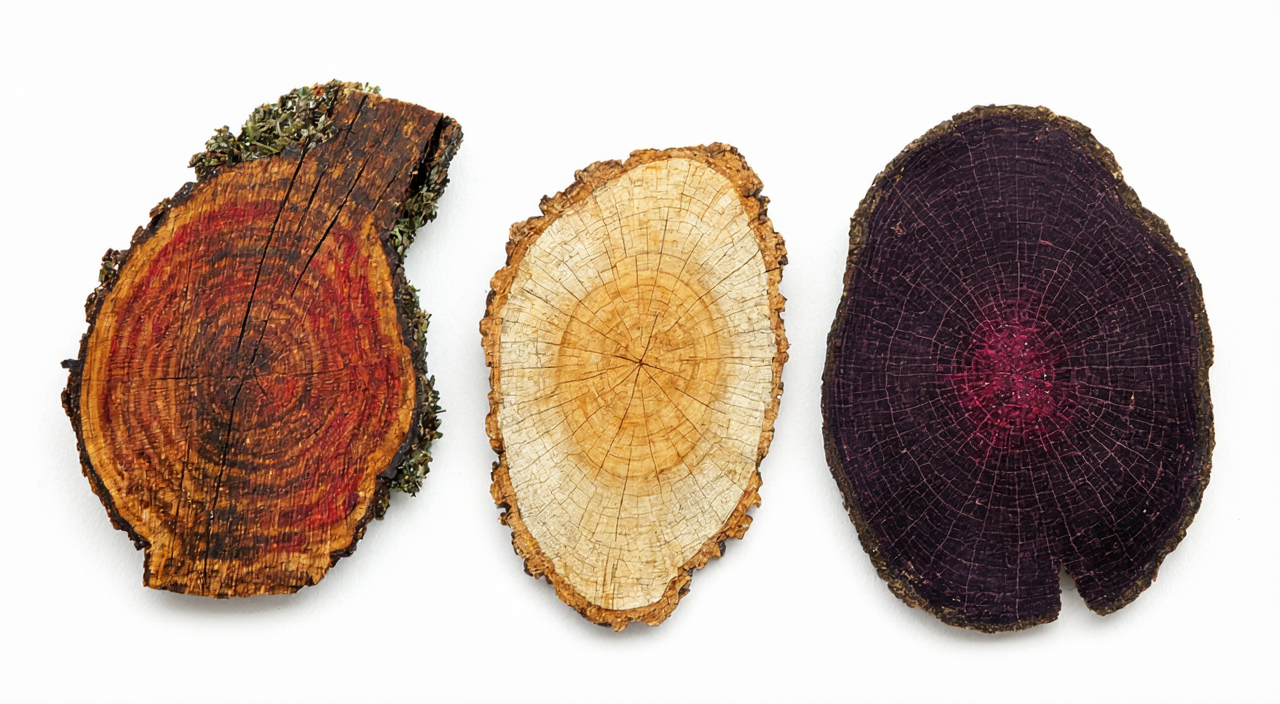
Sumu, Spatholobus stem, and Dalbergia odorifera often overlap in the direction of invigorating blood and resolving blood stasis, but their sources, medicinal parts, and physical characteristics are clearly different. Understanding these differences helps avoid confusion.
First, the sources and medicinal parts differ: Sumu uses the dried heartwood of the legume plant Caesalpinia sappan and belongs to the wood-type medicinal herbs. Spatholobus stem is the dried vine stem of the legume plant Spatholobus suberectus; its cross-section often shows reddish-brown ring patterns and exudates, and its texture is relatively tough and moist. Dalbergia odorifera comes from the heartwood or root heartwood of the legume plant Dalbergia odorifera; its color tends toward purplish-red or dark purplish-red, and the wood is hard and relatively oily.
Second, there are differences in appearance and water test results: the cut surface of Sumu is yellowish-red to reddish-brown with obvious longitudinal grain, and it releases a relatively bright yellow tone after soaking. The cross-section of Spatholobus stem shows ring-like patterns and blood-red sap-like traces, but water soaking may not cause obvious staining. Dalbergia odorifera is darker, purplish-red to brownish-red, releases pigment more slowly in water, and often has an agarwood-like aroma.
Finally, in terms of traditional use, Sumu is more focused on invigorating blood, reducing swelling, and harmonizing blood, and is commonly used for traumatic injuries. Spatholobus stem is used more for nourishing and invigorating blood and relaxing sinews and activating collaterals. Dalbergia odorifera is often associated with regulating qi and relieving pain, as well as resolving stasis and stopping bleeding. Although the three herbs look similar, each has its own emphasis and they cannot be used interchangeably.
Which Formulas Use Sumu?
Sumu appears frequently in formulas that invigorate blood, dispel blood stasis, and reduce swelling, especially in traumatology formulas. The following are several common formula names and their traditional uses, provided as a reference for interested readers.
Sumu Tang (Sappanwood Decoction): This is a formula in which Sumu serves as the chief herb. It is often combined with blood-invigorating herbs such as Danggui (Chinese angelica), Chishao (red peony root), Taoren (peach kernel), and Honghua (safflower). Traditionally, it is used for blood stasis, swelling, and pain with impaired movement after trauma. This formula reflects Sumu’s characteristics of invigorating and harmonizing blood while also reducing swelling.
Ba Li San (Eight-Li Powder): One of the classic traumatology formulas. It contains Sumu, dragon’s blood (Xuejie), frankincense (Ruxiang), myrrh (Moyao), and other ingredients, and is often used for obvious blood stasis and pain after traumatic injuries, fractures, or sinew damage. It should be emphasized that such formulas are mostly designed for acute trauma and are not suitable for daily health conditioning.
Dieda Wan (Trauma Pill): A common patent Chinese medicine for trauma on the market. It often combines Sumu with Danggui, Chuanxiong (Sichuan lovage root), Xuduan (dipsacus root), and others, and is traditionally used to relieve acute or chronic sprains, bruises, blood stasis, and swelling. When choosing it, follow the product instructions and professional judgment, and avoid using it beyond its intended scope.
Bone-setting formulas: In some empirical bone-setting and sinew-repairing formulas, Sumu is also included in compound prescriptions together with Qianhu (Peucedanum root), Gusuibu (Drynaria rhizome), Zirantong (pyrite), and others. However, for severe fractures or cases accompanied by open wounds or nerve injury, modern medical evaluation and standardized treatment must be prioritized; such formulas alone should not be relied upon.
What Precautions Should Be Taken When Using Sumu?
Although Sumu is well recognized in traditional use, there are still several clear precautions and safety boundaries to keep in mind.
Pregnant women should avoid using Sumu, because its strong blood-invigorating action may adversely affect pregnancy. People with excessive menstrual bleeding or heavy menstrual flow are also not advised to use Sumu alone or blood-invigorating formulas containing Sumu, to avoid aggravating bleeding tendency. For individuals with bleeding disorders, thrombocytopenia, or those using anticoagulant drugs, extra caution is needed before use, and it is best to weigh the benefits and risks under a physician’s guidance.
In addition, there are products on the market made from Sumu sapwood or dyed miscellaneous wood that are passed off as heartwood, and some Sumu fragments used for dyeing may enter non-medicinal channels. Such materials often lack effective quality control of active components and may introduce other chemicals during processing, so they cannot be used as medicinal material. When purchasing, choose clearly labeled medicinal materials from reliable channels, and pay attention to whether the color, texture, and odor are normal.
Summary
Sumu is a traditional Chinese medicinal herb prepared from dried heartwood. It can be understood from the perspective of invigorating blood, dispelling blood stasis, reducing swelling, and relieving pain, and is commonly seen in traumatology and some blood-stasis-related treatment approaches. When using it, note that its source must be heartwood with the sapwood removed, and distinguish it from similar herbs such as Spatholobus stem and Dalbergia odorifera. Although formulas involving Sumu, such as Sumu Tang and Ba Li San, have a certain traditional basis, whether they are suitable for an individual still needs to be judged according to constitution, symptoms, and professional advice. In particular, pregnant women, people with heavy menstrual bleeding, and those with bleeding tendencies should avoid using it or use it with extreme caution. This article is for educational reference only and cannot replace professional diagnosis or treatment advice.