
What Is Wulingzhi? Medicinal Parts, Identification, and Common Formulas
If you encounter Chinese medicinal materials overseas, you may come across a medicinal material whose name contains “Lingzhi” but whose source is very unusual—Wulingzhi. Many people are curious when they first hear about it: what exactly is Wulingzhi? In fact, it is the dried feces of animals such as Trogopterus xanthipes, and it is used as a medicinal material after standardized collection, cleaning, and processing. Understanding its source, appearance characteristics, traditional uses, and safety points helps to view this item more rationally. This article will discuss it from several angles, including morphological identification, medicinal parts, traditional understanding, and modern research, and will introduce several common formulas containing Wulingzhi for the reference of overseas Chinese readers.
What does Wulingzhi look like? How is it identified?
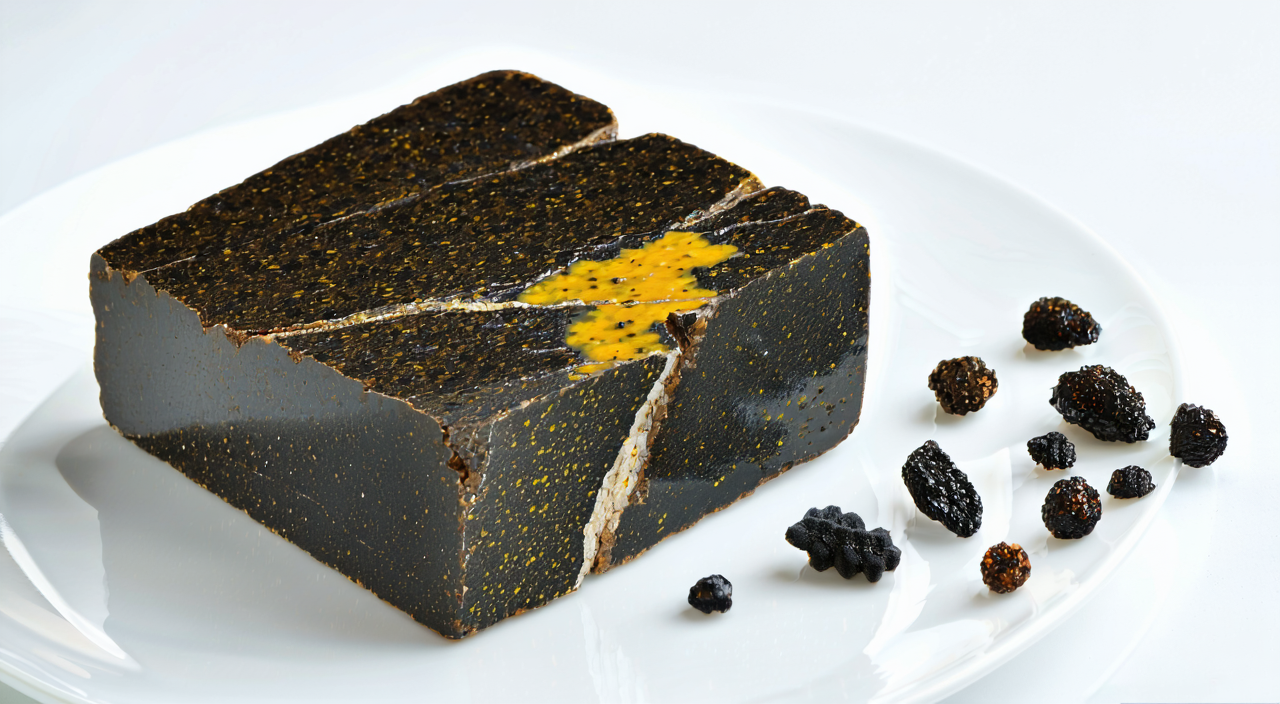
Wulingzhi is mainly divided into two major commercial types: Wulingzhi lumps and Wulingzhi grains, which differ markedly in appearance.
Wulingzhi lumps are formed by the coagulation of many feces, appearing as irregular masses of varying sizes. The surface is black-brown or brown-black, rough and uneven, sometimes with small granular protrusions. The texture is relatively hard, and the fractured surface is often slightly lighter than the surface, with visible yellow-brown resin-like material and an obvious oily, moist feeling; this is traditionally considered one of the features of better quality.
Wulingzhi grains are long oval granules with slightly pointed ends, rough surfaces, and black-brown or gray-brown color. The granules are relatively loose and do not easily stick together; they are similar in size to mouse feces but slightly larger. They are light in weight, loose in texture, and break easily.
Odor is an important reference for identification. Wulingzhi has a special rank smell, traditionally described as “fishy,” somewhat like mouse urine or a stale odor, but it should not have a foul or rancid smell. When tasted, it is bitter with a sweet aftertaste and has a gritty sensation when chewed. Traditionally, Wulingzhi lumps that are oily and have a strong rank smell are considered best. When purchasing, choose products with clear sources and standardized processing, and avoid confusion with the feces of other animals.
What is the medicinal part of Wulingzhi?
The medicinal part of Wulingzhi is the dried feces of Trogopterus xanthipes and related animals. It can be collected all year round, mostly from the rocky caves where flying squirrels inhabit. After removing sand, stones, soil, and other impurities, it is dried in the sun. Depending on the degree of coagulation, it naturally forms two commercial specifications: Wulingzhi lumps and Wulingzhi grains.
After cleaning, Wulingzhi often requires further processing, and vinegar-processed Wulingzhi is relatively common. During processing, cleaned Wulingzhi is mixed thoroughly with vinegar, covered briefly until the vinegar is absorbed, then placed in a pot and stir-fried over gentle heat until slightly dry, removed, and cooled. Traditional experience holds that vinegar processing can enhance its blood-activating and pain-relieving effects and reduce its unpleasant odor. Unprocessed raw material has a stronger rank smell and may also carry more microorganisms, so it is not suitable for direct use in prescriptions. It must also be emphasized that people should not collect suspected Wulingzhi feces in the wild for medicinal use; raw materials that have not been tested and standardized pose serious hygiene and safety risks.
How does traditional Chinese medicine understand Wulingzhi?
In traditional Chinese medicine theory, Wulingzhi is bitter and sweet in taste and warm in nature, and enters the Liver and Spleen meridians. Its main actions can be summarized as activating blood and relieving pain, and resolving stasis and stopping bleeding.
From the perspective of activating blood and relieving pain, Wulingzhi is often used for various pain conditions caused by internal blood stasis. For example, in traditional treatment approaches, Wulingzhi may be considered in formulas for fixed stabbing pain in the chest and epigastric region, menstrual abdominal pain, postpartum abdominal pain, and other presentations related to blood stasis.
Resolving stasis and stopping bleeding is another characteristic of Wulingzhi. For some bleeding conditions accompanied by stasis, traditional practice does not simply stop bleeding; instead, it resolves stasis to restore smooth blood flow, allowing bleeding to stop naturally. For example, when used together with Puhuang, it forms the basic combination of Shixiao San. This idea of “stopping bleeding without retaining stasis” is a common approach in Chinese medicine for related problems.
These understandings are based on traditional syndrome differentiation. Whether they are suitable for an individual situation still needs to be judged by professionals based on constitution, symptoms, and signs, and should not be applied mechanically on one’s own.
What aspects do modern studies focus on?
Modern discussions of Wulingzhi focus largely on safety and quality control. Because the medicinal material is derived from animal feces, improper collection, storage, or cleaning may result in contamination with microorganisms, parasite eggs, or other harmful residues. Therefore, pharmacopoeias and drug regulations in various countries impose corresponding requirements on Wulingzhi quality standards, including microbial limit testing and impurity control.
Some studies focus on resin, flavonoid, and other components in Wulingzhi, but overall research on its pharmacologically active substances is still relatively limited. For overseas users, it is more important to choose products that have undergone strict standardized processing and meet the hygiene standards of the importing country, and to avoid raw materials of unknown origin or that have not been treated. From both traditional application and modern management perspectives, the standardized source and hygienic quality of Wulingzhi are the primary prerequisites for safe use.
What are the differences between Wulingzhi, Puhuang, and Cansha?
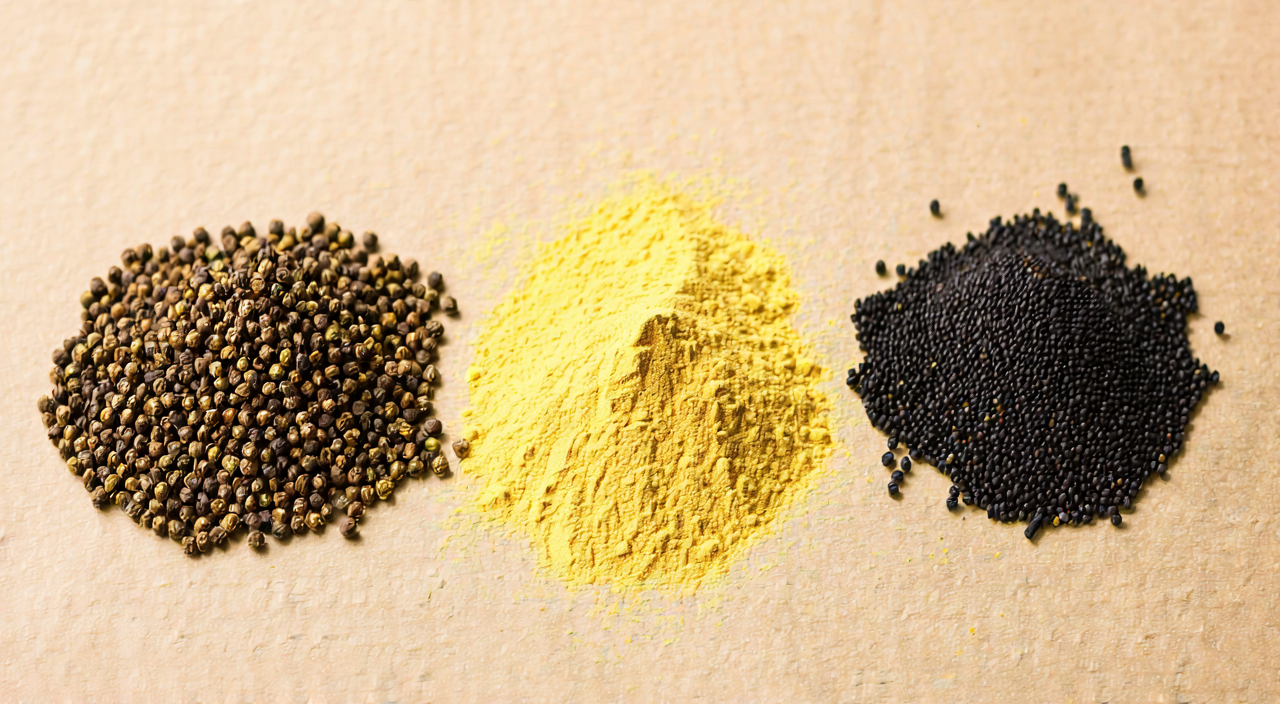
Wulingzhi, Puhuang, and Cansha are occasionally confused in name or appearance, but they are three medicinal materials with completely different sources.
Wulingzhi is the dried feces of Trogopterus xanthipes and related animals, appearing as black-brown lumps or granules with a rank smell. Puhuang is the dried pollen of plants such as Typha angustifolia in the Typhaceae family; it is a bright yellow powder, light in texture, slippery when rubbed between the fingers, floats on water, and has little odor and a bland taste. It is mainly used to resolve stasis, stop bleeding, and promote diuresis and relieve strangury. Cansha is the dried feces of silkworm larvae, appearing as short cylindrical small granules with a gray-black or black rough surface, little odor, and a bland taste. It is commonly used to dispel wind and dampness, harmonize the stomach, and transform turbidity.
The three can be distinguished by form, color, and odor. In simple terms, Puhuang is a yellow fine powder, Cansha consists of short black granules, and Wulingzhi granules are slightly larger and have a special rank smell. Using the wrong one not only fails to correspond to its traditional actions but may also affect the direction of treatment, so they must be clearly distinguished when used.
Which formulas use Wulingzhi?
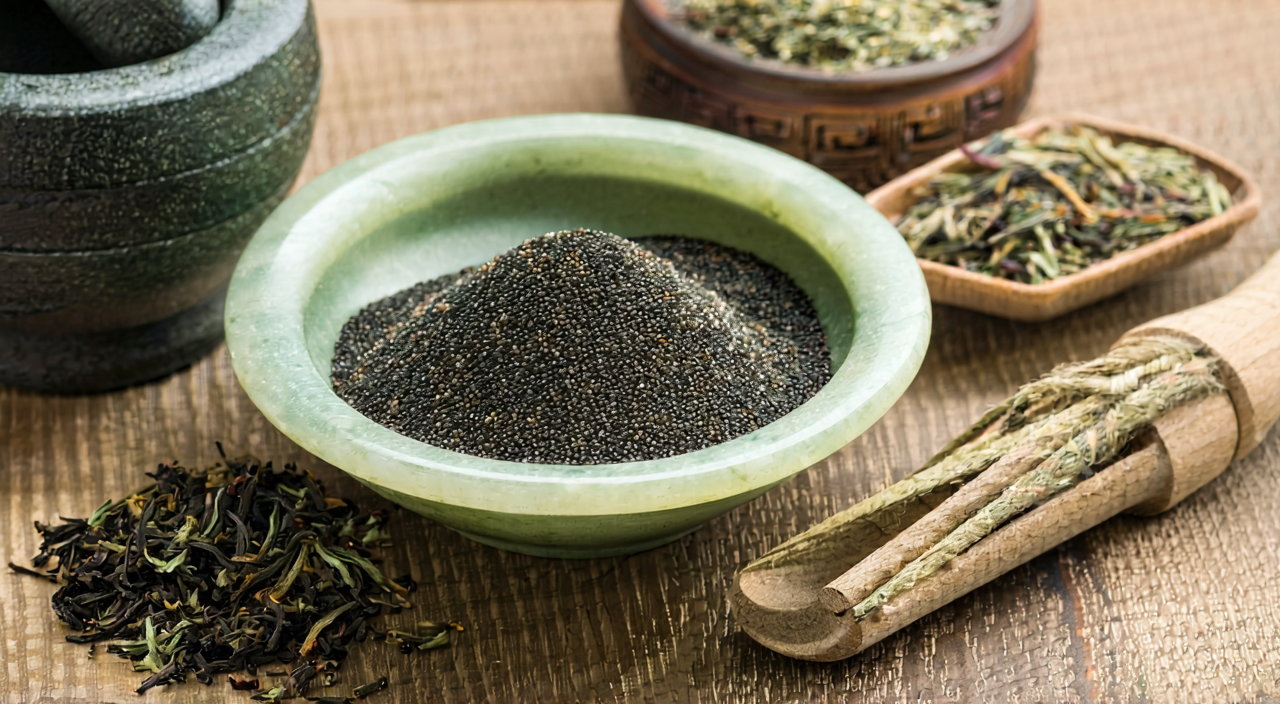
In historical formularies, Wulingzhi often appears in formulas related to activating blood, resolving stasis, and relieving pain. The following are several relatively common traditional formula directions for understanding and reference.
Shixiao San is composed of Wulingzhi and Puhuang, and is a classic basic formula for activating blood and resolving stasis. Traditionally, it is used for stabbing pain in the chest and heart, urgent pain in the lower abdomen, menstrual irregularities, or postpartum lochia that is not discharging smoothly due to blood stasis.
Shou Nian San contains Wulingzhi, Yanhusuo, Myrrh, Caoguo, and others, and is usually used for epigastric and abdominal pain caused by stagnation of qi and blood, with fixed pain location and aggravation upon exposure to cold as reference characteristics.
Shaofu Zhuyu Tang is composed of Fennel, Dried Ginger, Yanhusuo, Myrrh, Angelica Sinensis, Chuanxiong, Red Peony, Puhuang, Wulingzhi, and other ingredients, with an emphasis on warming the meridians and activating blood. In traditional applications, it may be considered for lower abdominal pain, delayed menstruation, and dark menstrual blood with clots caused by cold congealing and blood stasis.
Wulingzhi Wan is recorded in ancient formulary books, with Wulingzhi as the main ingredient combined with other medicinal materials. It is often used for conditions where blood stasis obstructs the interior and new blood is not generated.
The above formulas were all formed under specific historical backgrounds and syndrome differentiation approaches, and are not universal protocols. Which direction is more suitable needs to be comprehensively analyzed according to individual constitution and symptom presentation, together with product instructions and professional judgment, and should not be selected on one’s own.
What precautions should be taken when using Wulingzhi?
When using Wulingzhi, several traditional contraindications and safety matters deserve particular attention.
Prohibition during pregnancy is one of the more clear-cut rules. The blood-activating and stasis-resolving action of Wulingzhi may affect pregnancy, so pregnant women should not use products containing Wulingzhi. People without signs of stasis should not use it blindly, to avoid consuming qi and blood. For people with heavy menstrual bleeding or bleeding tendencies, it is generally not recommended to use it alone, to avoid aggravating the risk of bleeding.
Among traditional incompatibilities, there is a saying that “Renshen fears Wulingzhi,” meaning Wulingzhi should not be used together with ginseng at the same time. Although there are occasional cases of combined use in modern clinical practice, based on conservative and safety principles, if you are taking ginseng products, consult a professional before deciding whether it is appropriate to add Wulingzhi.
Finally, a special reminder: never collect suspected flying squirrel feces in the wild to use as medicine. Raw materials that have not been cleaned and tested may contain large numbers of pathogenic microorganisms and may also be contaminated with heavy metals. When purchasing Wulingzhi, choose products from formal channels that have undergone standardized processing and testing. If discomfort such as abdominal pain, diarrhea, or allergic reactions occurs after taking it, stop use immediately and seek professional help promptly.
Summary
Although Wulingzhi has a special source, it does play a certain role in traditional Chinese medicine. Its core value lies in relieving pain or bleeding problems caused by blood stasis through activating blood and resolving stasis. When using it, one should accurately distinguish between the lump and granular forms and fully understand its processing requirements. Regardless of the dosage form or formula direction chosen, priority should be given to the standardization of the source and hygiene safety, and traditional contraindications such as pregnancy, bleeding tendency, and concurrent use with ginseng should be avoided. This article provides only general educational reference and cannot replace professional diagnosis or individualized advice. If you have related concerns, please consult a doctor or qualified Chinese medicine practitioner.