
Leech: What It Is, Medicinal Parts, Identification, and Common Formulas
Leech is not unfamiliar in Chinese medicine, but for those who seldom deal with animal-derived medicinals, it is easy to confuse it with field leeches or bloodsucking worms. This article provides a basic introduction to what leech is, what it looks like, its medicinal part, and common formulas that contain leech.
What Does a Leech Look Like? How to Identify It?
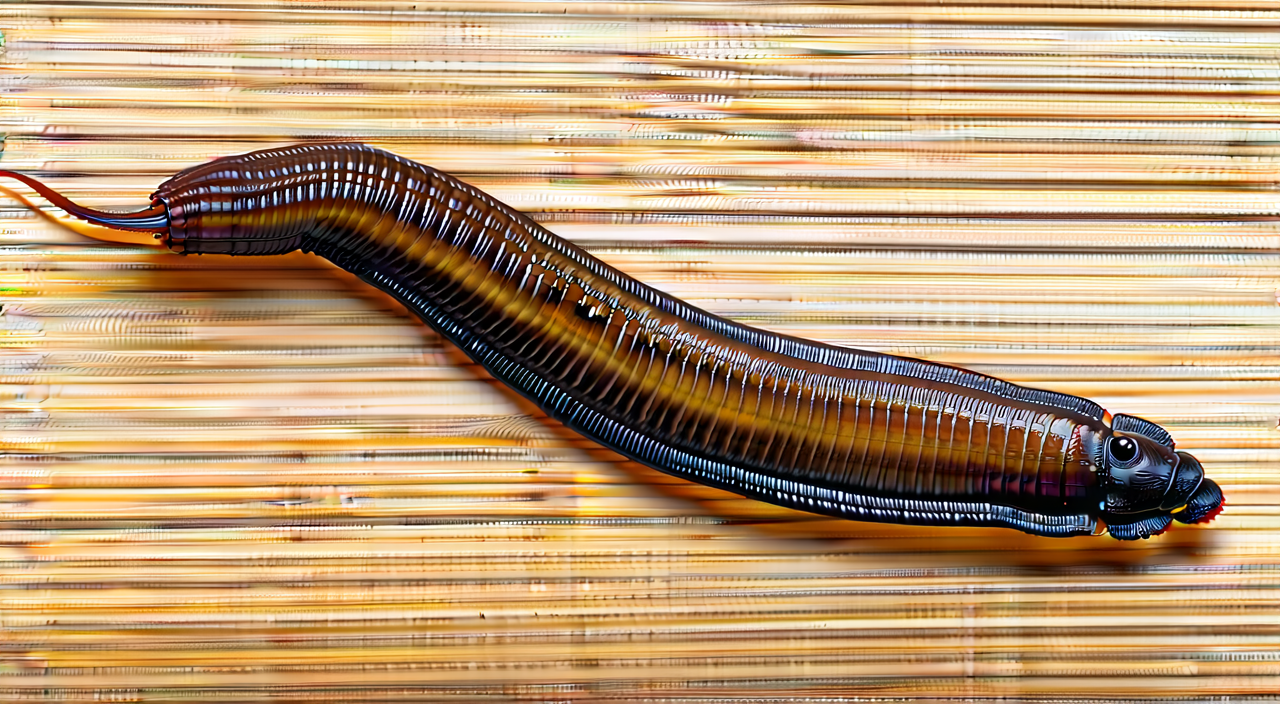
Medicinal leech is usually derived from the dried whole bodies of leeches of the family Hirudinidae, including Whitmania pigra, Hirudo nipponica, or Whitmania acranulata. The common folk term is broader and generally refers to blood-sucking annelids found in paddy fields and streams, whereas the Chinese medicine name ‘Shuizhi’ is more a standardized name for the processed medicinal material from specified source species.
Its body is mostly flattened and elongated or slightly cylindrical, with a slightly raised back and a flatter ventral surface. The surface has ring-like annulations, and the whole body is composed of many segments. There is a sucker at each end; the anterior sucker is smaller, and the posterior sucker is more obvious, which is one of the easier features to observe when identifying a leech.
After drying, the surface of leech medicinal material is usually dark brown, brownish-brown, or yellowish-brown, and the texture is relatively brittle; the cut surface may appear gelatinous or horn-like. The appearance varies among different source species: Whitmania pigra has a broader and flatter body, while Whitmania acranulata is more slender and elongated. Live leeches are soft and highly flexible, but after drying they become markedly shortened and stiff. These changes can also make identification more difficult.
The length of the medicinal material varies depending on the source and processing method. Generally, intact, dry, and whole strips are the common reference. Traditionally, identification of medicinal materials emphasizes appearance, color, texture, and other aspects, so it is not recommended to collect and use leeches on your own based on a single characteristic.
What Is the Medicinal Part of Leech?
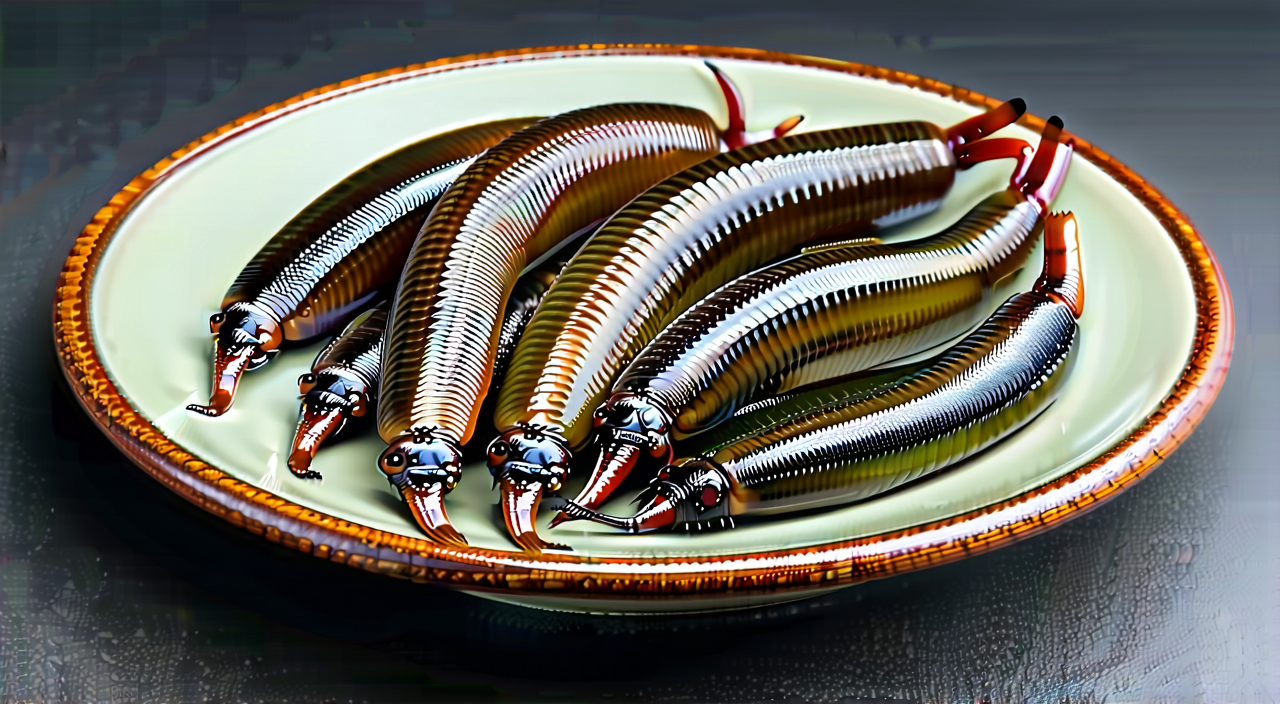
The medicinal part of leech is the dried whole body of the animal, not an isolated structure or secretion. In other words, the medicinal part is the entire leech obtained after standardized collection, processing, and drying.
Proper processing usually includes removing silt and foreign matter, cleaning, and drying by scalding or other methods. The purpose of scalding and drying is to bring the medicinal material into a state suitable for storage and later use, while also changing its texture and odor. Leech processed through these steps is not equivalent to a live leech captured directly from the wild without treatment.
It should be emphasized that collecting, drying, or processing leeches on your own involves many uncertainties, such as unclear source, contamination with parasites or bacteria, and incomplete processing. It is generally not recommended as a daily do-it-yourself practice.
How Does Traditional Chinese Medicine Understand Leech?
In traditional Chinese medicine theory, leech is usually classified among medicinals that invigorate blood and resolve stasis, unblock menstruation, and reduce masses. Ancient texts often describe its actions as ‘breaking blood,’ ‘expelling stasis,’ and ‘unblocking menstruation.’ According to traditional records, leech is mostly salty and bitter in nature and enters the Liver meridian. These understandings form the basis for understanding its medicinal properties.
Among them, ‘expelling stasis and reducing masses’ is a common key phrase in understanding the traditional use of leech. In Chinese medicine, ‘blood stasis’ does not refer to a specific modern medical blood parameter, but to a comprehensive judgment related to poor movement, local obstruction, and difficulty in menstrual flow. The traditional understanding of leech’s ‘breaking blood and unblocking menstruation’ is also mostly applied to conditions with this ‘stasis’ tendency.
However, prescribing Chinese medicine usually requires consideration of constitution, symptoms, and overall pattern differentiation. Leech is not suitable as a daily health product or for self-directed use to unblock menstruation or invigorate blood. Whether it is appropriate should be determined by a professional after fully understanding the individual situation.
Modern Research: Hirudin and Bleeding Risk
Modern research on leech pays considerable attention to hirudin, a component found in leeches. Hirudin has been reported to have anticoagulant-related activity in in vitro studies, and some research has explored its mechanism of action. However, this does not mean that taking leech medicinal material can replace anticoagulant therapy, nor should anyone adjust an anticoagulation regimen based on this information.
At the same time, because leech is traditionally associated with ‘breaking blood’ and ‘expelling stasis,’ improper use may carry a risk of bleeding. For people with a bleeding tendency, those taking anticoagulants, or those before and after surgery, this risk requires particular caution.
In addition, as an animal-derived medicinal, leech may also cause allergic reactions. People with different constitutions may respond differently to animal protein components. If rash, itching, respiratory discomfort, or other symptoms occur, use should be stopped promptly and a doctor should be consulted. It is also important to understand that research on hirudin mostly focuses on extracts or specific components, which is not fully equivalent to ordinary leech medicinal material under processing, decoction, and dosage conditions.
How Does Leech Differ from Earthworm and Gadfly?
Leech, earthworm, and gadfly are all animal-derived Chinese medicinals, but their sources are completely different, and their appearances are also clearly distinct.
Earthworm comes from annelid worms. Its body is also elongated and segmented, but it lacks the obvious anterior and posterior suckers seen in leeches. After drying, the body wall of earthworm is relatively thin, with visible annulations and a clitellum; the overall shape is more like a slender cylinder, and the color is mostly grayish-brown or brownish-brown.
Gadfly comes from insects and has the basic characteristics of insects; some species have visible wings, compound eyes, and a relatively hard exoskeleton. It is even more different in appearance from the annelid leech and earthworm, so it is not easily confused with them.
In traditional use, although earthworm, gadfly, and leech may all appear in formula approaches related to ‘unblocking collaterals’ and ‘expelling stasis,’ each has its own emphasis. Medicinal selection should not be based on similar names or common folk substitutions, but should be based on the specific formula and identification results.
Which Formulas Use Leech?
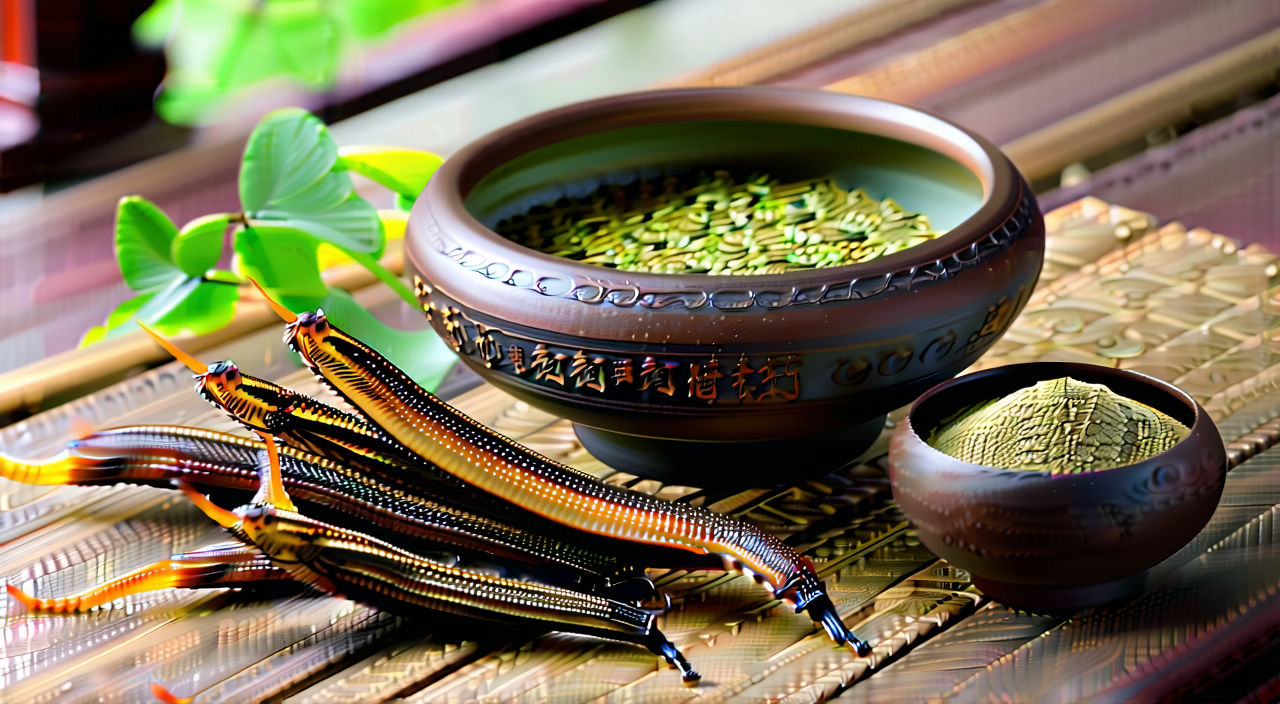
Leech appears as one ingredient in some classical formulas, most commonly Didang Decoction, Didang Pill, and Dahuang Zhechong Pill. These formulas are mostly from ancient literature and tend to be relatively strong in ‘attacking and expelling’ and ‘breaking stasis,’ so they are not options for daily health maintenance.
In traditional discussions, Didang Decoction and Didang Pill are often used for patterns described as stasis-heat binding and blood amassment in the lower energizer. Dahuang Zhechong Pill is more often discussed in the directions of ‘moderating the middle and supplementing deficiency’ and ‘invigorating blood and resolving masses.’ Their specific composition, dosage, and indications are strictly defined. Different formulas cannot simply be substituted by matching individual medicinals, and decisions should be based on the specific pattern differentiation.
In addition, there are some modern standardized preparations containing leech. Regardless of which type of product is used, it is necessary to understand its dosage form characteristics, package insert information, and scope of indications. Formulas or patent Chinese medicines containing animal-derived medicinals should be used under professional guidance. It is not recommended to choose medication solely based on an article or online information.
What Precautions Should You Take When Using Leech?
The contraindications and risks of leech must be given priority. It should be avoided during pregnancy. People with bleeding disorders, marked platelet abnormalities, heavy menstrual bleeding, or those using anticoagulant or antiplatelet drugs should avoid using leech or leech-containing products on their own.
Before and after surgery, in cases of severe liver or kidney dysfunction, during breastfeeding, and in other special situations, a doctor or pharmacist should be consulted before use. If you need to know whether a leech-containing product is suitable for you, provide a complete medical history and current medication list so a professional can make a comprehensive assessment.
If the body shows long-term, recurrent, or unexplained discomfort, such as persistent abdominal pain, black stools, skin bruising, or abnormal bleeding, do not try to ‘regulate’ the condition with leech on your own; seek medical attention as soon as possible.
Also avoid collecting leeches on your own for raw consumption, soaking in alcohol, or using leeches of unknown origin. Wild leeches may carry pathogens, and the safety of medicinal material that has not been properly processed cannot be guaranteed.
Summary
Leech is a Chinese medicinal derived from the dried whole body of an animal. Identification should focus on its annulations, anterior and posterior suckers, and overall shape, but ordinary users should not collect and process it on their own based on appearance. In traditional Chinese medicine, it is mainly understood from the directions of breaking blood and unblocking menstruation, expelling stasis, and resolving masses. Although modern research involves hirudin, bleeding and allergic risks need to be taken seriously. In particular, pregnant women, people with bleeding disorders, and those using anticoagulants should avoid it. This article is for informational reference only and is not a substitute for professional diagnosis or treatment advice.