
What Is Walnut Kernel? Medicinal Part, Identification, and Common Formulas
Walnut kernel is a common nut and also a traditional Chinese medicinal material. Many overseas Chinese readers may easily confuse it with peach kernel, and some also want to understand its appearance, medicinal part, traditional uses, and precautions. For readers who want to gain a preliminary understanding through appearance and formula directions, the following aspects can be helpful.
What Does Walnut Kernel Look Like? How to Identify It?
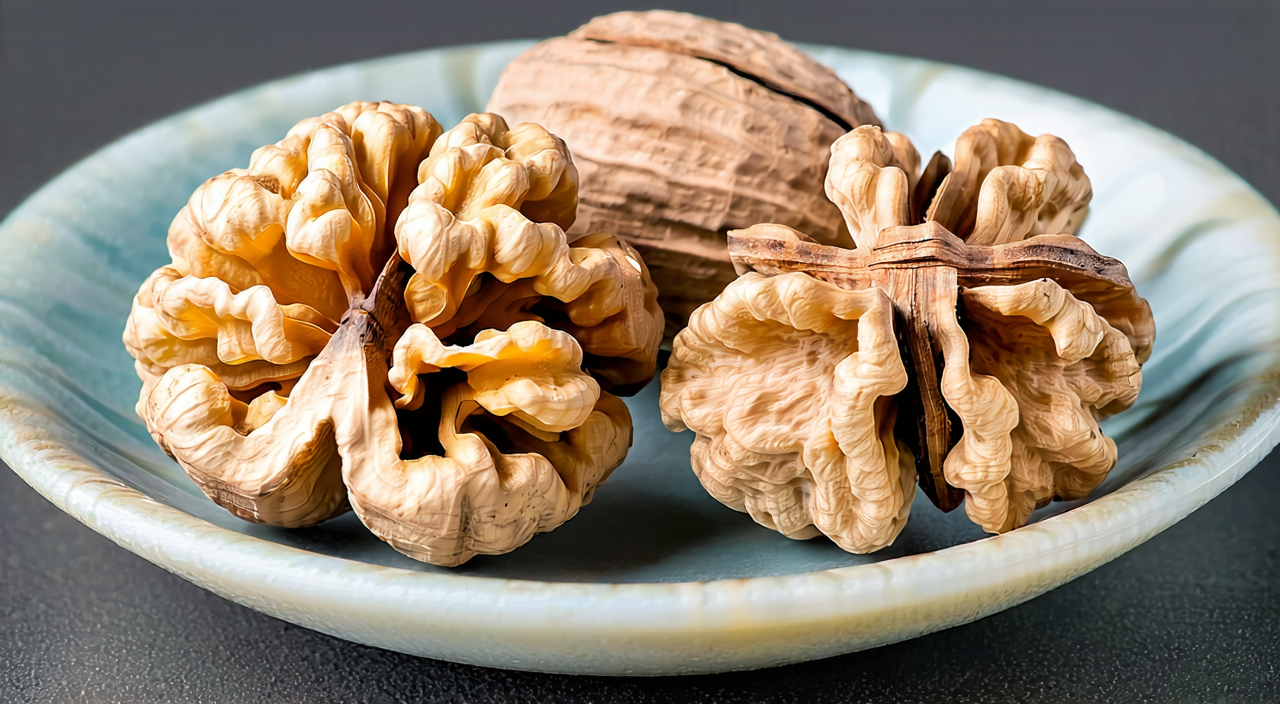
Dried walnut kernel usually consists of two thick cotyledons. The two cotyledons are often connected by a membranous seed coat, and the surface has deep, curved grooves resembling brain convolutions, making the whole kernel look like a miniature cerebral hemisphere. The color is mostly yellowish-white to light brown. The outer layer may have a very thin seed coat that is translucent or light brown; some products have the seed coat removed, exposing a milky-white cut surface.
Walnut kernel has an oily, moist texture. When broken open, it feels oily, and the cut surface is fine and glossy. The odor is not strong, with a faint nutty aroma, and the taste is mild or slightly sweet. Traditional experience generally considers large, full, yellowish-white, oily kernels without oil exudation, musty odor, or insect damage to be best. If the color darkens, or if a rancid oil smell or mold spots appear, it is no longer suitable for use.
What Is the Medicinal Part of Walnut Kernel?
The medicinal part of walnut kernel is the mature seed kernel of the walnut plant in the Juglandaceae family. At harvest, the fleshy outer pericarp is removed, the hard shell is cracked open, and the seed kernel is taken out and dried. The walnut kernel eaten daily and the medicinal walnut kernel come from the same source, but the medicinal material places more emphasis on maturity, dryness, cleanliness, and freedom from mold and oil seepage. In modern commercial products, walnut kernel also comes in different forms such as whole kernels, half pieces, or broken fragments, and specifications and quality requirements may vary.
It is important to note that walnut kernel and peach kernel have similar names, but their sources are completely different. Peach kernel comes from the mature seed of the peach or mountain peach in the Rosaceae family and must not be confused with walnut kernel.
How Does Traditional Chinese Medicine Understand Walnut Kernel?
Traditional Chinese medicine generally understands walnut kernel from the perspectives of tonifying the kidney, warming the lung, and moistening the intestines to relieve constipation. Classical materia medica generally regard walnut kernel as sweet in flavor and warm in nature, entering the kidney, lung, and large intestine meridians, with a warm and moistening quality.
For lower back and knee soreness, weakness, and frequent nighttime urination caused by kidney qi deficiency, walnut kernel may be used as an auxiliary in the approach of tonifying the kidney and consolidating essence. For chronic cough and deficiency-type wheezing caused by dual deficiency of the lung and kidney, it may traditionally be combined with qi-tonifying and qi-grasping herbs. Because of its oily, lipid-rich nature, it may be selected as part of a bowel-moistening approach for dry intestine constipation, especially in those with a weak constitution or elderly people with intestinal dryness. In actual practice, walnut kernel is rarely used alone as the only medicinal ingredient; it is more often combined with other tonic or bowel-moistening products to balance its warm, moistening nature.
However, these are only traditional experiences. Whether walnut kernel is suitable for an individual still needs to be judged based on constitution, symptoms, and advice from professionals. Walnut kernel is warm and moistening, and it is not suitable for everyone to use in large amounts.
What Can We Learn from Modern Research?
Modern research mainly focuses on the nutritional components of walnut kernel, such as unsaturated fatty acids, protein, vitamin E, phospholipids, and trace elements. Some studies suggest that these components may be associated with oxidative stress, blood lipid metabolism, and intestinal lubrication. For example, some studies examine the proportion of polyunsaturated fatty acids in walnut kernel oil, but this does not mean that directly eating walnut kernel will produce the same effects. Experimental doses and daily consumption amounts differ greatly, and different origins and storage methods can also affect the components. Research conclusions should not be directly equated with confirmed effects in humans. This part can be used as background information and should not be used to infer specific effects.
What Are the Differences Between Walnut Kernel, Peach Kernel, and Hemp Seed?
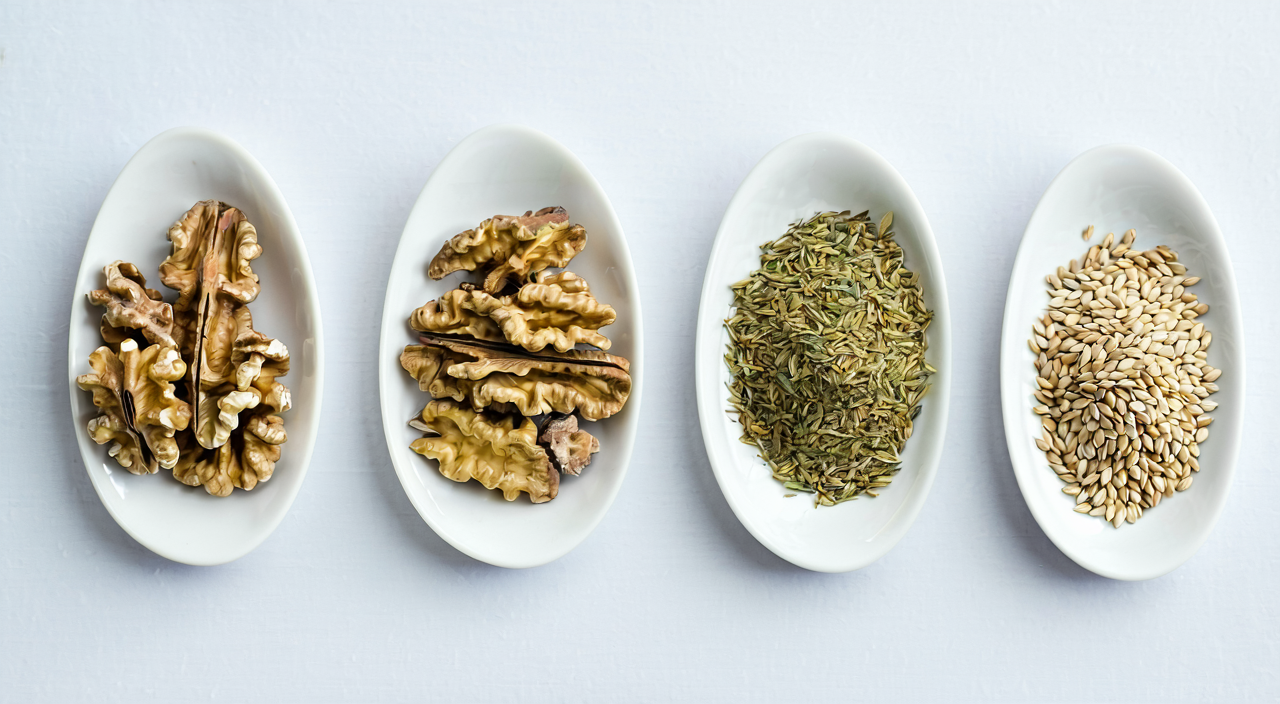
The most obvious differences among the three lie in their sources, appearance, and traditional use emphasis.
In terms of source, walnut kernel comes from walnut in the Juglandaceae family; peach kernel comes from peach or mountain peach in the Rosaceae family; and hemp seed comes from hemp in the Moraceae family. In terms of appearance, walnut kernel is larger, with two brain-like cotyledons, yellowish-white to light brown, and oily; peach kernel is flat and small, somewhat pointed at one end, with longitudinal ridges and a slightly bitter taste; hemp seed is small, oval, with fine reticulation on the surface, grayish-green to yellowish-brown, and glossy. Both walnut kernel and peach kernel yield relatively more oil, but peach kernel has a more noticeable bitter taste.
In terms of traditional use, walnut kernel tends to tonify the kidney, warm the lung, and moisten the intestines to relieve constipation; peach kernel tends to invigorate blood, resolve stasis, and moisten the intestines to relieve constipation; hemp seed mainly moistens the intestines and relieves constipation. All three can appear in bowel-moistening approaches, but they cannot be used interchangeably. When purchasing or using them, one should carefully check the name and appearance.
Which Formulas Commonly Use Walnut Kernel?
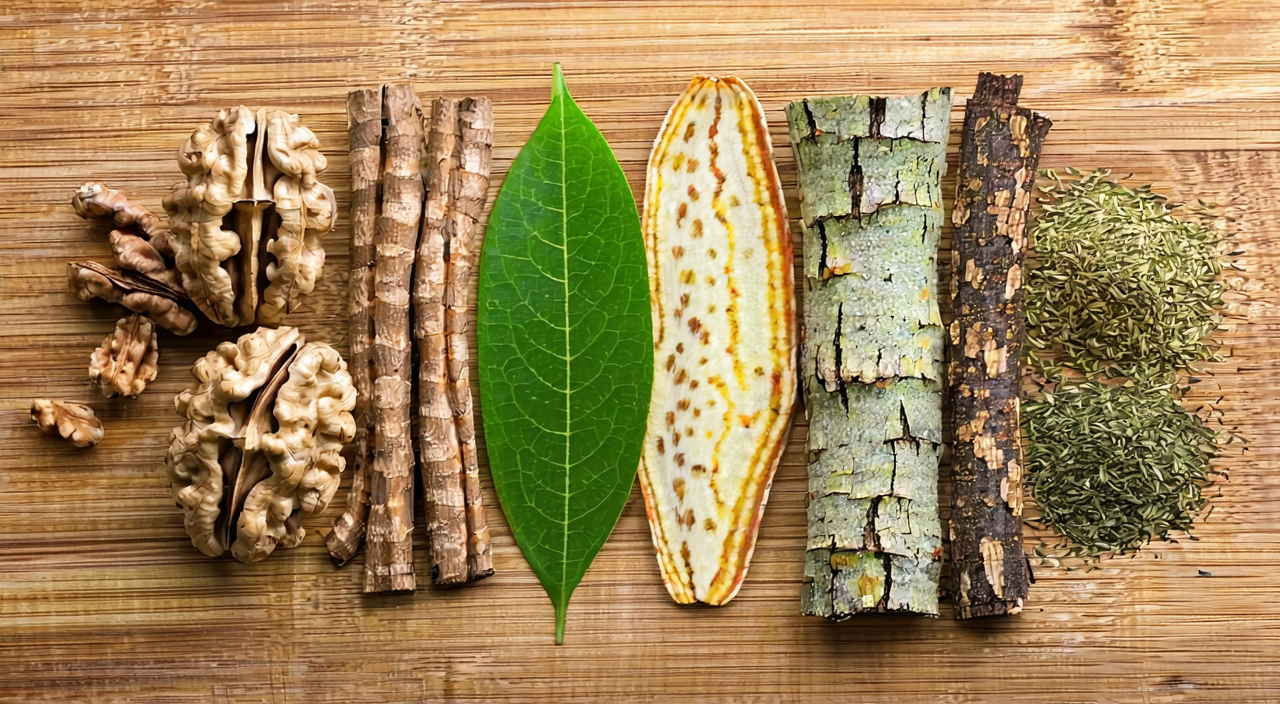
In traditional formulas, walnut kernel is commonly found in combinations related to tonifying the kidney and grasping qi, warming the lung and relieving wheezing, and moistening the intestines to relieve constipation. The following content is only a traditional use direction and should not be taken as a treatment plan.
Qing’e Wan is often used for conditioning related to kidney deficiency with lower back and knee soreness and weakness; walnut kernel is combined with psoralea fruit, eucommia bark, and others to provide a warm, moistening, tonifying effect. Renshen Hutao Tang often combines ginseng with walnut kernel for traditional conditioning of lung and kidney insufficiency with deficiency-type wheezing and cough. Gecko-based wheezing-relief formulas may also include walnut kernel, combined with ginseng, gecko, and others for chronic cough and deficiency-type wheezing with a deficiency pattern. In bowel-moistening formulas, walnut kernel is often combined with hemp seed, Chinese angelica, and others for dry intestine constipation, especially in people with a weak constitution and intestinal dryness.
These formulas differ greatly in composition and applicable situations. Whether they are suitable for an individual needs to be judged comprehensively based on constitution, symptoms, product instructions, and professional advice. Self-use by simply copying a formula is not recommended.
What Precautions Should Be Taken When Using Walnut Kernel?
First, walnut is a nut. People who are allergic to walnut or other nuts should avoid using it. If allergic symptoms such as skin rash, lip swelling, or breathing discomfort occur, stop contact immediately and seek help.
Second, walnut kernel is high in fat and calories. Daily consumption should not be excessive, and people who need to control energy intake or have abnormal blood lipids should use it in moderation. Even if you only eat a small amount occasionally, it should be included in the total daily fat sources.
Third, during periods of loose stools, diarrhea, or pronounced dampness stagnation in the spleen and stomach, traditional views generally consider it inappropriate to use walnut kernel alone in large amounts.
Fourth, walnut kernel is rich in oil and prone to oxidation, oil seepage, and mold. After mold develops, harmful substances may be produced. If discoloration, bitterness, mold spots, or a rancid oil smell appear, it should no longer be used. It should be stored in a cool, dry place away from light.
Finally, medicinal use differs from daily consumption. Medicinal materials have relatively clear dosage and combination principles, and snack walnut kernel cannot casually replace a medicinal or dietary dosage. If chronic or recurrent symptoms such as long-term cough, wheezing, constipation, or diarrhea occur, or if accompanied by obvious chest tightness, weight loss, or mood changes, consult a doctor or professional.
Summary
Walnut kernel comes from the mature seed kernel of the walnut plant. When identifying it, focus on the brain-like two cotyledons, the yellowish-white to light brown appearance, and the oily texture, and distinguish it from peach kernel and hemp seed. In traditional formulas, it is mostly used around the directions of tonifying the kidney, warming the lung, and moistening the intestines to relieve constipation, but attention should be paid to nut allergy, oil oxidation, calorie content, and diarrhea. This article is for educational reference only and cannot replace professional diagnosis or treatment advice.