
What Is Mulberry Fruit? Medicinal Parts, Identification, and Common Formulas
What is mulberry? At fruit stands, dried fruit shelves, and Chinese herbal medicine counters, mulberry appears in different forms: fresh fruits are deep purple and full of moisture; dried fruits are wrinkled with a more concentrated sweetness; medicinal decoction pieces place more emphasis on the integrity and dryness of the mature fruit cluster. Although all three share the same source, their uses, storage methods, and quality requirements for decoction pieces are not exactly the same. This article provides a basic introduction to mulberry’s appearance and identification, medicinal part, differences from common look-alikes, traditional use directions, and precautions.
What Does Mulberry Look Like? How Is It Identified?
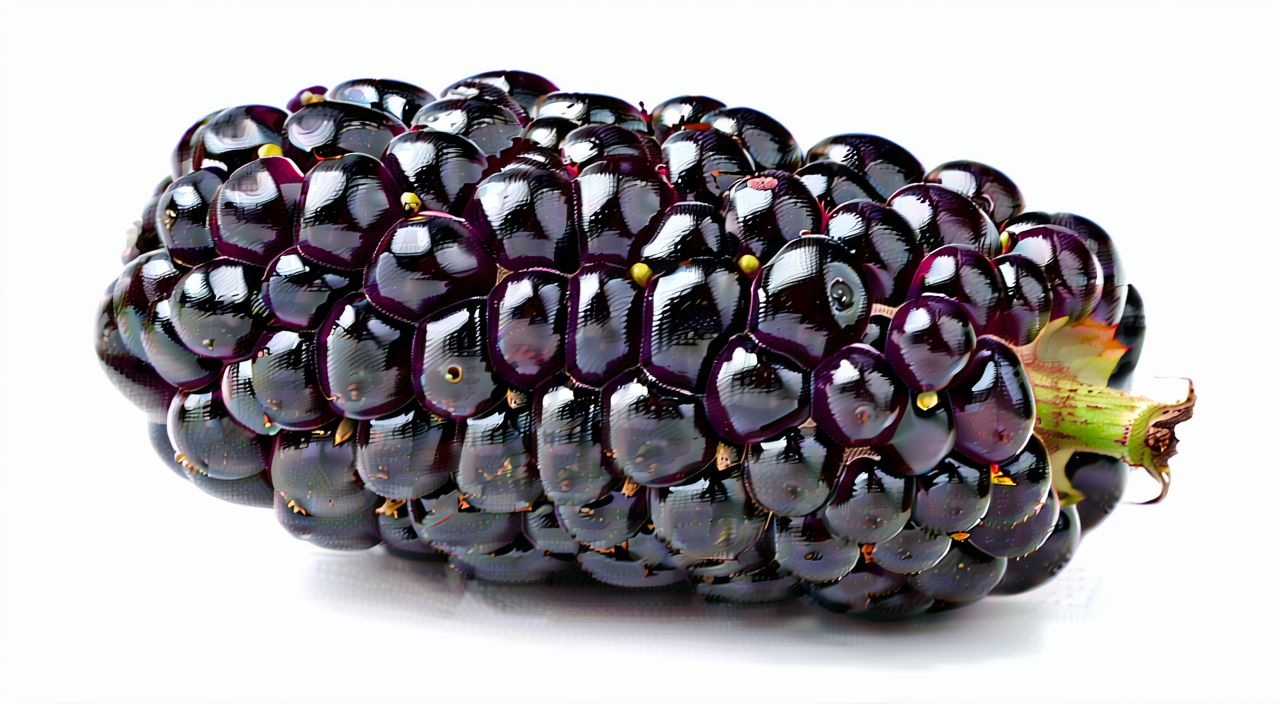
Mulberry comes from the mature fruit cluster of the mulberry plant in the Moraceae family, not from a single berry. Its shape is usually cylindrical or oblong as an aggregate fruit cluster, generally about 1 to 2 cm long, with a relatively small diameter; dried products are wrinkled due to water loss. In color, fresh fruits range from reddish purple to purplish black, approaching black-purple when fully ripe. On the surface, many granular small drupelets are tightly packed into a cluster; the fruit stem is generally short, and some dried products may have a pale brown stem. In texture, fresh mulberries are soft and juicy, while dried mulberries are tougher and more brittle. In aroma, fresh fruits are sweet and slightly sour; dried products may have a more obvious sourness and a more concentrated sweetness.
When identifying it, start from three points: first, check whether the shape is an aggregate fruit cluster rather than a single berry; second, check whether the color is purplish red or purplish black and whether the small granules are clearly visible; third, check whether the fruit stem is short and small. If the whole fruit is not made up of many small granules packed together, it may not be mulberry and should be distinguished from common dark berries such as blackberries and black currants. When purchasing, pay attention to whether the fruits are intact and free of obvious mold and off odors.
What Is the Medicinal Part of Mulberry?
The medicinal part is the mature fruit cluster of mulberry. It is usually harvested when the fruit turns purplish red and the texture softens. The mature fruit clusters are picked, the fruit stems and impurities are removed, and they are dried or lightly steamed before drying. Fresh fruits contain a lot of water and are easily bruised and moldy, so dried products are more commonly used as medicinal decoction pieces.
Differences Between Fresh Fruit, Dried Fruit, and Decoction Pieces
Fresh mulberry is suitable for short-term consumption but is not easy to store; dried fruit is often used as food, with concentrated sugar and a sweet-sour taste; medicinal decoction pieces require a clear source, few impurities, appropriate dryness, and no mold. Dried fruit for daily consumption cannot automatically be equated with mulberry decoction pieces sold in pharmacies.
How Does Traditional Chinese Medicine Understand Mulberry?
Traditional Chinese medicine often understands mulberry from the perspective of nourishing yin, tonifying blood, generating fluids, and moistening dryness. It is commonly used as a supportive approach for patterns related to insufficiency of yin and blood and deficiency of body fluids, such as dry mouth, dry eyes, relatively dry stools, dizziness, tinnitus, and premature graying of hair. In terms of nature and flavor, mulberry is traditionally considered sweet and sour, slightly cold, and enters the Heart, Liver, and Kidney meridians. “Meridian entry” here is a conceptual framework within TCM theory and is not equivalent to modern pharmacological conclusions.
Role in Traditional Regulation
In traditional formulas or dietary therapy recipes, mulberry more often appears in combinations that nourish yin, nourish blood, and moisten dryness, usually paired with herbs such as prepared rehmannia root, goji berry, glossy privet fruit, and prepared fleeceflower root. Whether it is suitable for an individual needs to be judged based on constitution, symptom presentation, and professional advice. One should not consume mulberry in large amounts or over a long period simply because it is a traditional tonic herb.
What Does Modern Research Say About Mulberry?
Modern research mainly focuses on components in mulberry such as polyphenols, anthocyanins, flavonoids, organic acids, and polysaccharides. Laboratory studies suggest that these components may have research value in areas such as antioxidant activity and regulation of glucose and lipid metabolism, but most of this comes from extract studies or cell and animal experiments, and is not equivalent to saying that eating fresh mulberry or drinking mulberry water daily produces the same effects. Modern research findings can be used as a direction for understanding, but should not be treated as functional claims for preventing or treating disease.
How Does Mulberry Differ from Glossy Privet Fruit and Black Goji Berry?
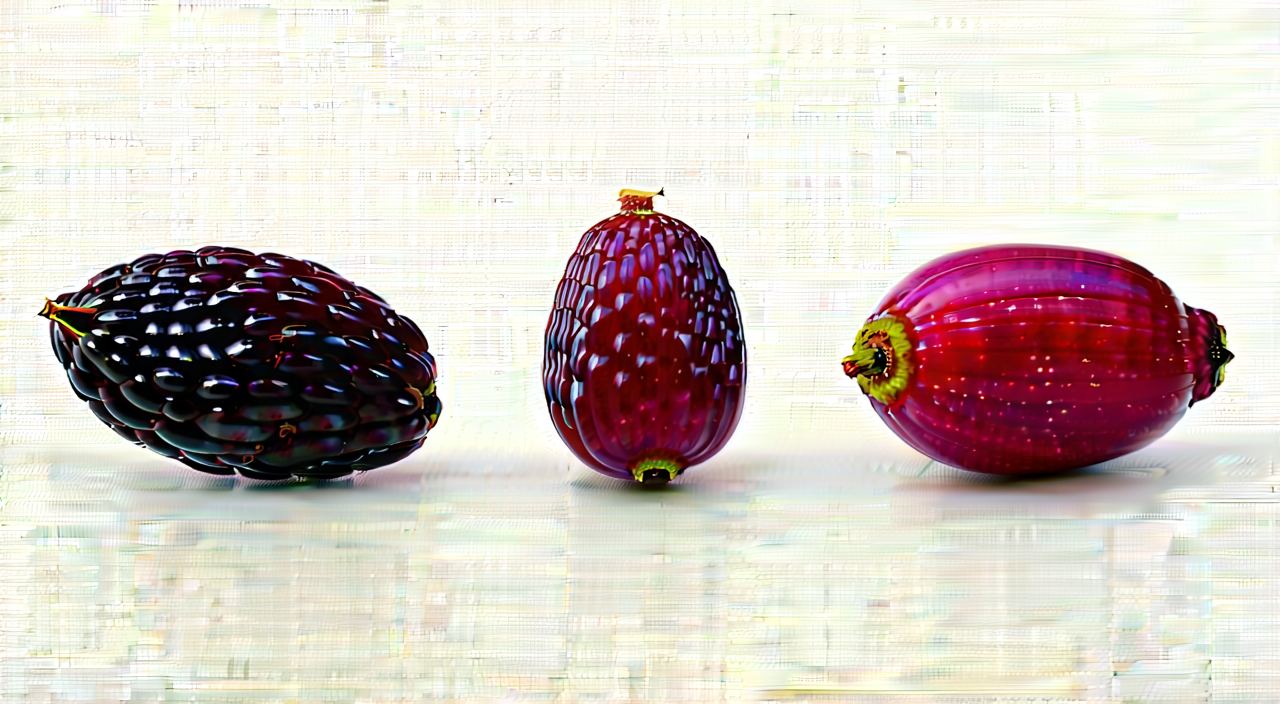
Mulberry, glossy privet fruit, and black goji berry all have dark colors and are easily compared with one another, but their sources and forms are quite different.
Mulberry is the aggregate fruit cluster of the mulberry plant in the Moraceae family. It is long and cylindrical in shape and is formed by many small drupelets densely packed together, with visible granules over the whole surface; the flesh is soft, and dried products are wrinkled but still retain the cluster shape. Glossy privet fruit comes from Ligustrum lucidum in the Oleaceae family. Its fruits are usually smaller, kidney-shaped or oval, with a black-purple or gray-black wrinkled surface and a relatively hard texture, unlike the aggregate fruit cluster form of mulberry. Black goji berry is the fruit of Lycium ruthenicum in the Solanaceae family; it is usually a relatively small, nearly round or oval berry, and dried products are more obviously wrinkled, not a long spike-like structure made up of many small drupelets.
From the perspective of traditional use, glossy privet fruit is often associated with supplementing the liver and kidneys, improving vision, and darkening hair; black goji berry is also commonly regarded among the public as a relatively nourishing fruit; mulberry places more emphasis on nourishing yin, tonifying blood, generating fluids, and moistening dryness. The choice among them depends on the specific purpose and individual constitution, and they cannot be used interchangeably simply because of their similar dark color.
Which Formulas Use Mulberry?
In traditional use, mulberry is both prepared alone in paste and wine forms, and often included in formulas that nourish yin and blood.
Mulberry Paste
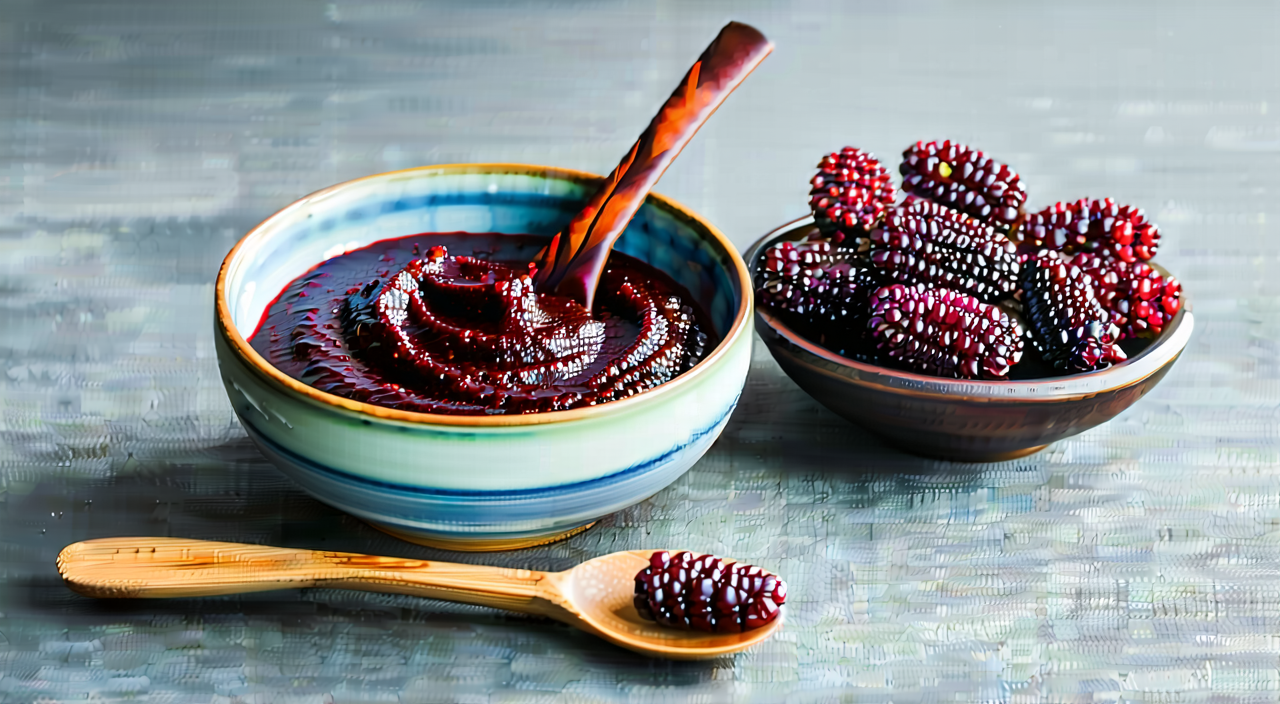
Mulberry paste is one of the traditional paste formulas. It is usually made by simmering mulberry, sometimes with honey or other herbs that nourish yin and moisten dryness. Traditionally, it is used for directions related to insufficiency of yin and blood and dryness due to fluid deficiency. Paste formulas tend to be relatively rich and cloying, so whether they are suitable should be judged according to the state of the spleen and stomach and individual constitution.
Mulberry Wine
Mulberry wine is a traditional dietary therapy alcohol preparation. A common method is to soak mulberry in wine. Alcohol preparations contain ethanol, so they are not suitable for people who are sensitive to alcohol, have abnormal liver function, or should not consume ethanol. Traditional use emphasizes moderation, and it should not be consumed in large amounts as a daily health product.
Formulas That Nourish Yin and Blood
In formulas that nourish yin and blood, mulberry may appear as one of the ingredients, combined with prepared rehmannia root, goji berry, glossy privet fruit, prepared fleeceflower root, and others. Its action tends toward moistening and nourishing, but it may not be suitable for people with spleen and stomach cold deficiency or loose stools. Different formulas vary greatly in composition and indication, so before use, one should make a comprehensive judgment based on product instructions, personal circumstances, and professional advice.
What Precautions Should Be Taken When Using Mulberry?
Although mulberry is common, several aspects still require special attention when using it.
People with Abnormal Glucose Metabolism
Ripe mulberry has a relatively high sugar content, especially dried fruit and paste formulas. People with abnormal glucose metabolism may affect their blood sugar management if they eat large amounts of dried mulberry or mulberry paste. Whether it is suitable and how much to consume should be discussed with a doctor or nutrition professional.
Diarrhea and Spleen-Stomach Cold Deficiency
In traditional experience, mulberry tends to be cooling and moistening, so people with loose stools, easy diarrhea, or a tendency toward spleen-stomach cold deficiency should not use it in large amounts. If abdominal discomfort or worsening diarrhea occurs after consumption, stop eating it and promptly find out the cause.
Mold and Hygiene
Both fresh and dried mulberry are prone to absorbing moisture and becoming moldy. Moldy mulberry may contain mycotoxins and should not be eaten or used for infusion. If there is an off odor, stickiness, abnormal color, or visible mold spots on the surface, it should be discarded promptly.
Alcohol Products and Population Restrictions
Mulberry wine contains ethanol. Pregnant women, children, people with abnormal liver function, people taking certain medications, and those who are sensitive to alcohol should avoid it. Do not ignore ethanol intake just because it is a “fruit wine.”
Differences Between Fresh Fruit and Medicinal Material Dosage
Fresh mulberry has high water content, while dried products have higher sugar and component concentrations after losing water. At the same weight, dried and fresh products cannot simply be equated. When making homemade paste or infused wine, do not arbitrarily increase the dosage based on experience alone; refer to relevant standards and professional advice.
Summary
What is mulberry? It can be understood from three aspects: source, appearance, and medicinal part. It comes from the mature fruit cluster of mulberry, appears as a purplish red or purplish black aggregate fruit cluster, and its medicinal part is the dried product of that mature fruit cluster. It differs from glossy privet fruit and black goji berry in appearance and source. Traditionally, it is mostly used in directions such as nourishing yin, tonifying blood, generating fluids, and moistening dryness. During use, attention should be paid to abnormal glucose metabolism, diarrhea, mold, alcohol products, and dosage differences between fresh and dried products. This article is for informational reference only and cannot replace professional diagnosis or treatment advice.