
What Is Yitang? Medicinal Source, Identification, and Common Formulas
When encountering Chinese medicinal materials overseas, many people see “yitang” listed among the ingredients of Jianzhong-type formulas but are not quite sure what it actually is. Some confuse it with everyday maltose syrup or honey, while others want to understand how its medicinal source should be interpreted. This article centers on “what is yitang,” introducing its appearance and identification, medicinal source, differences from similar sugars, common formulas, and precautions for use, to help establish a basic understanding.
What does yitang look like? How is it identified?
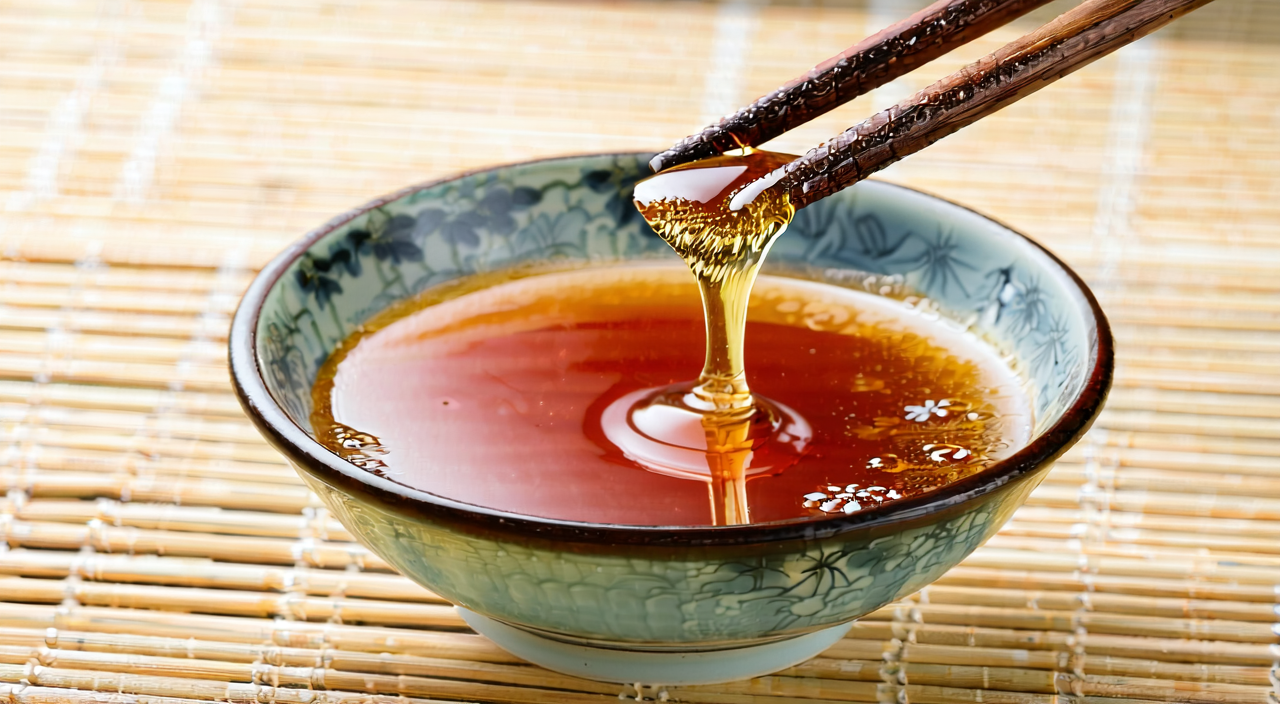
Traditional yitang is usually pale yellow to yellowish brown, sticky in texture, and often appears as a semi-fluid or soft solid. At lower temperatures it may become relatively hard, while it gradually softens after slight heating or when placed in the mouth, and it has obvious stickiness. Its sweetness is generally mild, not the sharp sweetness of white granulated sugar, but rather carries an aroma of malt or grain. When identifying it, first observe whether the color is pale yellow to yellowish brown, then check whether the texture is sticky and whether it can be stretched into strands. Traditional yitang in a warm state can often be pulled into long sugar strands, while it tends to become thick after cooling. Different raw materials and degrees of concentration can cause differences in color and hardness, so it cannot be judged by color alone. It is important to note that some food syrups also appear transparent or pale yellow, but their texture, aroma, and traditional yitang are not exactly the same, and they cannot simply be equated.
What is the medicinal source of yitang?
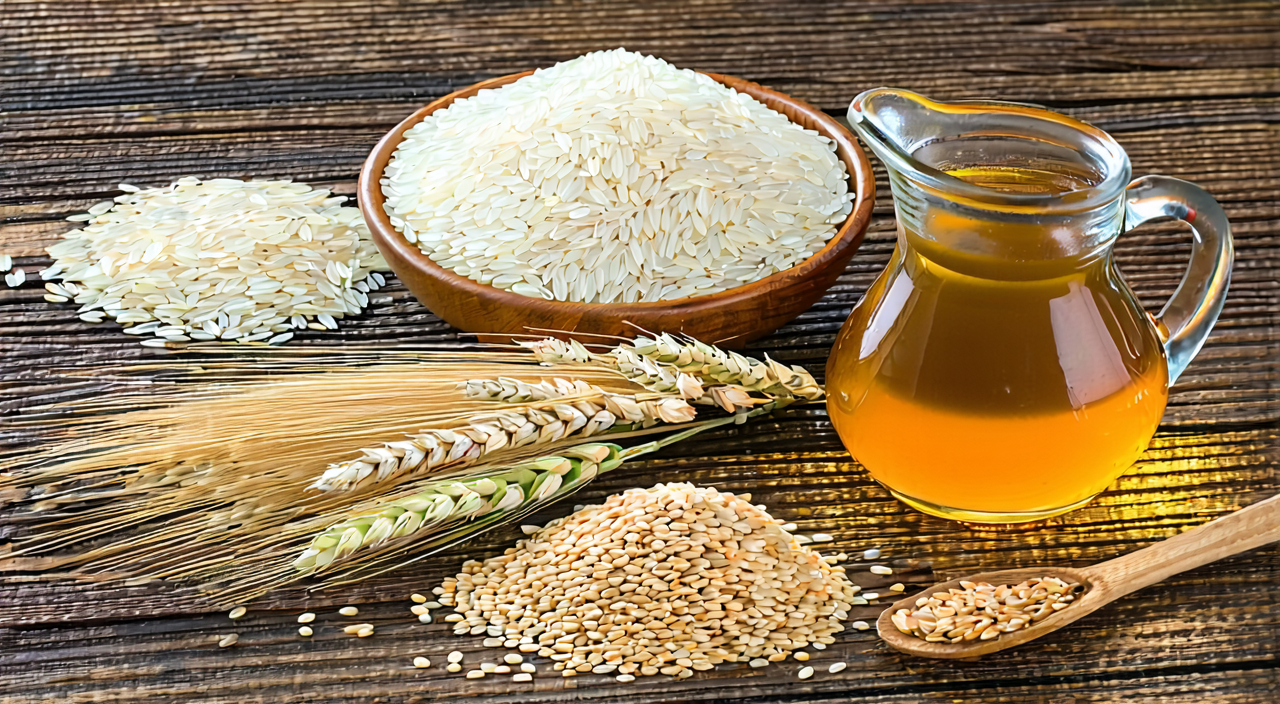
From a botanical medicinal perspective, yitang does not have a specific plant part such as root, stem, leaf, flower, or fruit. Its medicinal source can be understood as a saccharified processed product of grains. Traditionally, starchy raw materials such as rice, wheat, and glutinous rice are used, and they are saccharified through germination or by adding malt and other methods, then concentrated into a sticky sugar product. The term “jiaoyi” in some literature emphasizes its glue-like, thick nature. Therefore, the medicinal source is better expressed as a “saccharified processed product of grains” rather than a specific part of a plant. When assessing quality, common considerations include whether the raw materials are clean, whether saccharification is sufficient, whether the finished product is appropriately sticky and thick, and whether there is obvious scorched bitterness or impurities. Although maltose syrup produced by modern food industry is similar in composition, it may not always meet the standards of traditional medicinal yitang, and it should be judged according to product information and actual use.
How does TCM understand yitang?
Traditional Chinese medicine often understands yitang from the perspectives of supplementing the center and relieving spasms, and moistening the lungs to stop cough. The phrase “supplementing the center and relieving spasms” does not target a specific disease but refers to its possible use in formulas for directions such as deficiency cold of the middle burner, abdominal cramping and discomfort, and obvious fatigue. In ancient formulas, yitang is usually not used alone but combined with Cinnamon twig, White peony, fresh ginger, jujube, licorice, and other medicinals to exert a moderating, supplementing, and harmonizing effect. In compound formulas for moistening the lungs and stopping cough, yitang may also be used as an excipient or shaping ingredient to help improve taste and preparation state. This usage is part of traditional formulation thinking; whether it is suitable still needs to be judged according to individual constitution, symptoms, and professional advice, and one should not interpret a formula containing yitang as directly treating cough or stomach pain.
How does modern research view yitang?
From a modern compositional perspective, yitang mainly contains sugar substances, primarily maltose, glucose, and a small amount of dextrin, and is relatively high in calories. It can provide energy for the body and also serves to increase viscosity, improve taste, and stabilize preparation form in traditional formulas. Modern research generally does not regard yitang as an active ingredient with independent therapeutic effect; it focuses more on its nutritional properties and food-processing characteristics. Therefore, the “effects” of yitang should not be over-interpreted, nor is it advisable to consume large amounts simply because it appears in certain traditional formulas. For people who need to control sugar intake, it should be considered as part of total sugar intake.
What is the difference between yitang, maltose syrup, and honey?
The three are easily confused, but they differ in raw materials, processing, and composition. Traditional yitang is mostly made from grain starch such as rice and wheat through saccharification and concentration; maltose syrup is usually produced industrially from starch under standardized conditions through enzymatic or acid hydrolysis; honey is a natural product made by bees after collecting nectar and brewing it. In composition, yitang is mainly maltose and contains a certain amount of dextrin, with a sticky texture and grain aroma; maltose syrup may have a higher maltose content and smaller batch-to-batch variation; honey is mainly glucose and fructose, and its flavor comes from the nectar source plants. The usage scenarios are also different: the “jiaoyi” mentioned in traditional formulas usually should not be directly replaced with ordinary maltose syrup or honey, because their properties, composition, and traditional uses are not exactly the same. If replacement is truly needed, it should be judged according to product information and professional advice.
Which formulas use yitang?
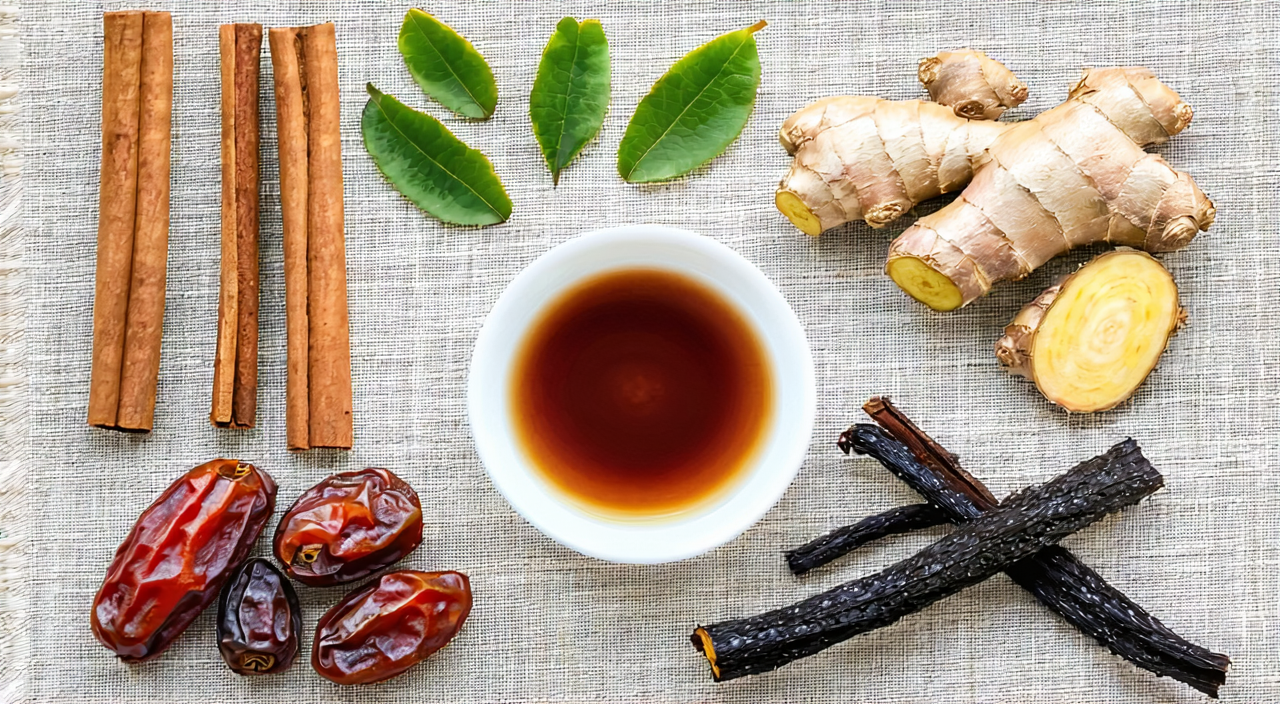
Among classical formulas, yitang is more commonly seen in Jianzhong-type formulas. Xiao Jian Zhong Tang is a common example, traditionally used for regulating directions such as deficiency cold of the middle burner, cramping pain in the abdomen, and fatigue. Huang Qi Jian Zhong Tang adds astragalus to the approach of Xiao Jian Zhong Tang and is often used for people with more obvious qi deficiency and fatigue, but it still requires pattern differentiation. Da Jian Zhong Tang leans toward the traditional regulation direction of severe cold in the middle burner and severe abdominal pain; its yitang dosage and combination differ from those of Xiao Jian Zhong Tang. Dang Gui Jian Zhong Tang focuses on simultaneous blood deficiency and middle deficiency, traditionally used for postpartum or constitutional deficiency-related abdominal pain and other directions. It should be explained that all these formulas should be understood and used under TCM pattern differentiation guidance, and people with different constitutions and symptoms are not all suitable. Whether to select them and how to modify them should be determined comprehensively according to individual constitution, symptoms, product instructions, and professional advice, and they should not be self-applied merely by formula name or the word “Jianzhong.”
What precautions should be taken when using yitang?
Although yitang comes from grains, it is still essentially a high-sugar food or excipient. People with diabetes or those who need strict blood sugar control should be especially cautious and should not relax total sugar control just because it is a traditional medicinal material. People prone to dental caries need to pay attention to oral hygiene after consumption to reduce sugar remaining in the mouth. Traditional Chinese medicine holds that people with severe dampness, heat, and phlegm stagnation may experience increased discomfort if they consume large amounts of sticky, sweet foods, so intake should also be moderate. It is also necessary to note that ordinary food-grade maltose syrup should not automatically be used as medicinal yitang, especially in compound formulas, because the concentration, composition, and processing of syrup may differ. When using formulas containing yitang, yitang should be counted toward total daily sugar intake. If recurrent abdominal pain, black stools, weight loss, obvious palpitations or chest tightness, persistent vomiting, or other conditions occur, a doctor or professional should be consulted promptly rather than using yitang or Jianzhong-type formulas to self-treat.
Summary
What is yitang? It is a traditional processed product made by saccharifying starchy raw materials such as rice and wheat, also called jiaoyi. It has a sticky appearance and mild sweetness, and is commonly found in Jianzhong-type formulas. Understanding its medicinal source and precautions for use can help avoid confusion with ordinary maltose syrup and honey. This article is for informational reference only and cannot replace professional diagnosis or treatment advice.