
What Is Seahorse? Medicinal Parts, Identification, and Common Formulas
Seahorse is a traditional animal-derived medicinal material often mentioned in approaches for tonifying the kidney and dispersing nodules. However, many people are not clear about what seahorse specifically is, what it looks like, which part is used medicinally, and whether its sourcing is compliant. Especially for overseas Chinese readers, species protection and cross-border trade regulation are also involved. This article provides an educational overview from the perspectives of animal origin, appearance characteristics, traditional Chinese medicine understanding, modern research, common formulas, and usage precautions.
What does seahorse look like? How to identify it?
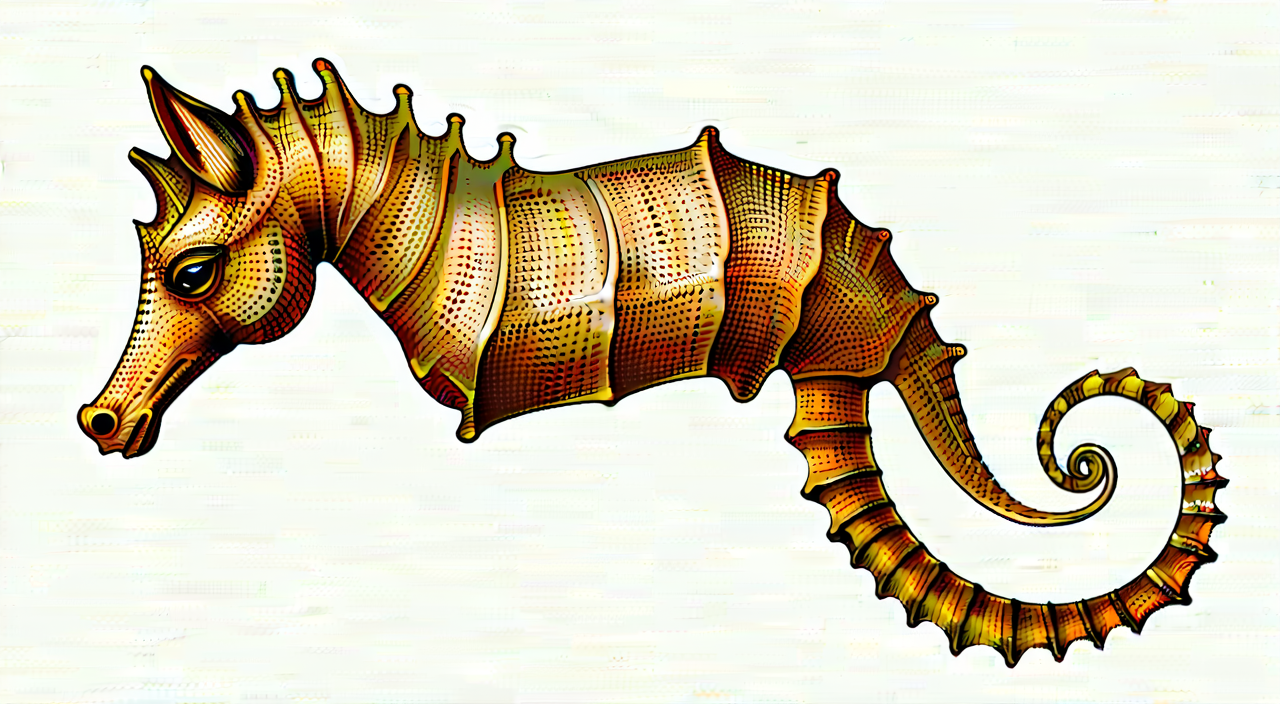
Seahorse comes from animals in the Syngnathidae family, and the traditional medicinal part usually involves the dried bodies of various seahorse species. In appearance, the seahorse has a horse-like head, a curved trunk, a body composed of multiple bony rings, a tail that often curls inward, relatively visible dorsal fin traces, and a comparatively wide thoracic and abdominal area. Its overall shape is distinctive and very different from common terrestrial animal-derived medicinal materials.
Different seahorse species may vary in body size, color depth, and number of bony rings. For general educational purposes, understanding the appearance is enough; it is not advisable to identify or trade them based on appearance alone. If species and source need to be determined, standardized identification information should be consulted and professional institutions should verify it.
What is the medicinal part of seahorse?
The medicinal part of seahorse is the dried whole body, usually dried after removing internal organs. Traditionally, as an animal-derived medicinal material, seahorse is considered similar to deer antler, gecko, and others in that the whole body is used. However, the species origin of seahorse is relatively complex and involves multiple species in the Syngnathidae family.
Because global seahorse resources are increasingly protected, many seahorse species have been included in protection lists, and some regions have strict restrictions on fishing and trade. Therefore, medicinal seahorse should be sourced from farmed origins with legal source certificates and comply with import and export regulations. Overseas users especially need to confirm local laws and should not purchase dried seahorse of unknown origin.
How does traditional Chinese medicine understand seahorse?
Traditional Chinese medicine generally understands seahorse from the perspectives of warming the kidney and strengthening yang, and dispersing nodules and reducing swelling. Its nature and flavor are mostly recorded as sweet and warm, and it enters the liver and kidney meridians. In traditional usage, seahorse may be suitable for patterns such as kidney yang deficiency, soreness and weakness of the lower back and knees, and aversion to cold with cold limbs. It is also often used in traditional approaches for dispersing nodules and reducing swelling, such as certain masses, scrofula, and traumatic injuries.
It should be noted that these are traditional experiential summaries and are not equivalent to modern medical proof. Whether it is suitable for individual use should be determined based on constitution, symptoms, and professional judgment; it should not be used as a self-directed treatment plan.
What does modern research say about seahorse?
Modern research has paid some attention to the components and pharmacological activities of seahorse, but high-quality clinical evidence is still relatively limited. Some studies have explored its lipids, amino acids, trace elements, and possible anti-fatigue, anti-inflammatory, and immunomodulatory effects, but most remain at the experimental stage.
At the same time, seahorse resource protection deserves more attention. Overfishing and habitat destruction have placed many seahorse populations under pressure. Therefore, a modern perspective places greater emphasis on sustainable sourcing, legal trade, and species protection, and seahorse should not be treated as an ordinary health supplement for casual use.
What are the differences between seahorse, sea dragon, and gecko?
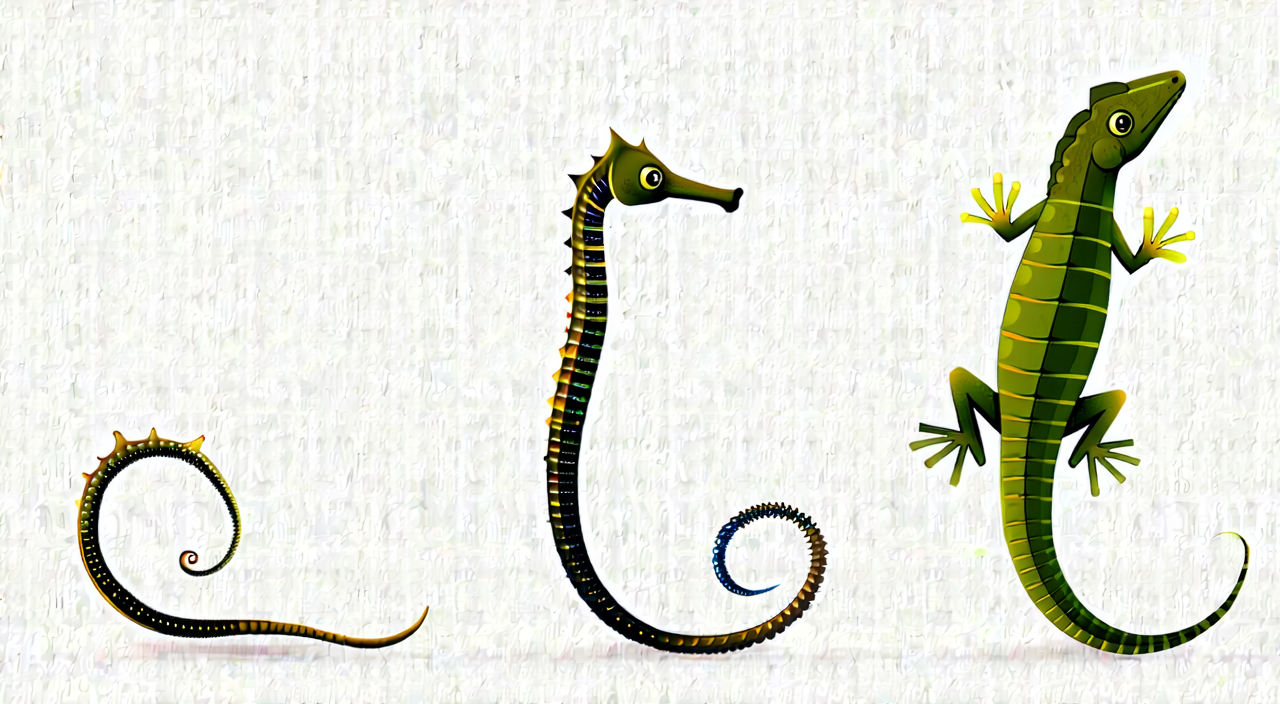
Although they may all be used in traditional warming and yang-tonifying approaches, their animal origins are different. Seahorse and sea dragon both belong to the Syngnathidae family and are both dried fish bodies, but the sea dragon has a slender, whip-like body, its trunk is not as strongly curved as that of the seahorse, and its tail is not as typically coiled as that of the seahorse. The seahorse has a horse-like head, a curved trunk, and a coiled tail. The gecko is a reptile in the Gekkonidae family, usually used as a dried whole body, with four limbs and more distinct head, trunk, and tail structures, which differ greatly from the fish-like appearance of seahorse.
In traditional usage, gecko places more emphasis on supplementing the lung and kidney and grasping qi to relieve wheezing, while seahorse emphasizes warming the kidney and strengthening yang and dispersing nodules and reducing swelling. Sea dragon falls between them, and its medicinal nature is often considered milder. Because their sources and appearances differ, they should not be used interchangeably.
Which formulas may use seahorse?
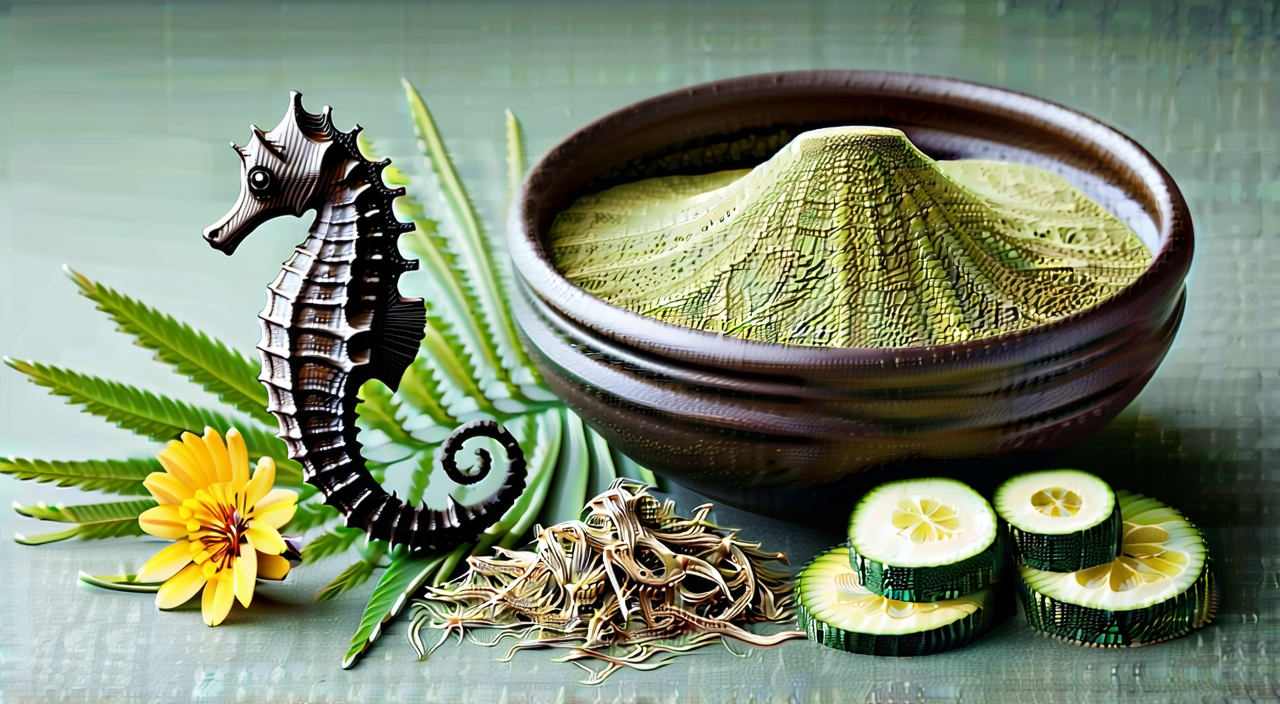
Some traditional formulas and Chinese patent medicines may use seahorse, such as Hai Ma Bu Shen Wan, Hai Ma San, and some formulas for warming the kidney and grasping qi. Hai Ma Bu Shen Wan is often cited as an example of a traditional Chinese patent medicine for tonifying the kidney and replenishing essence, while Hai Ma San appears in traditional literature and is used for dispersing nodules, reducing swelling, warming yang, and relieving pain. Formulas for warming the kidney and grasping qi may be used for patterns such as kidney failing to grasp qi and deficiency-type wheezing.
It should be emphasized that the specific composition, dosage, and indications of these formulas vary greatly, and different products also differ in quality. Whether use is appropriate should be judged comprehensively based on individual conditions, product instructions, and professional advice. This article only introduces traditional usage directions and does not constitute a medication recommendation.
What precautions should be taken when using seahorse?
First, pregnant women, breastfeeding women, children, and people with a heat-leaning constitution or yin deficiency with exuberant fire are generally not advised to use seahorse on their own. Second, people allergic to animal-derived medicinal materials should avoid contact. Third, the source of seahorse must be legal; some species are protected, and cross-border carrying or mailing may be restricted.
When choosing products, pay attention to whether they have legal source certification and avoid purchasing wild or unknown-origin seahorse. As an animal-derived medicinal material, seahorse may carry risks such as heavy metals and environmental pollutants, so information should be obtained through proper channels. Before use, consult a physician, pharmacist, or traditional Chinese medicine professional, and do not use it long-term or in large doses on your own.
Summary
Seahorse is the dried body of various species in the Syngnathidae family, with a distinctive appearance. In traditional Chinese medicine, it is often used in directions such as warming the kidney and strengthening yang and dispersing nodules and reducing swelling. Modern research evidence is limited, and greater attention should be paid to species protection and legal sourcing. Formulas containing seahorse, such as Hai Ma Bu Shen Wan and Hai Ma San, should only be used as references for understanding traditional medication ideas and are not suitable for self-application. Before use, one should make a comprehensive judgment based on individual constitution, local regulations, and professional advice.