
What Is Yangqishi? Medicinal Parts, Identification, and Common Formulas
Yangqishi is a mineral medicine in traditional Chinese medicine that is rarely used alone but appears in some formulas for warming the kidneys and supporting yang. Many overseas Chinese-language users searching for “What is Yangqishi?” often encounter fragmented mineral images or formula names, which can easily cause confusion about its source, appearance, and risks of use. This article provides a basic overview from several perspectives: mineral source, identification points, traditional understanding, modern quality control, differences from similar minerals, and precautions for use.
What Does Yangqishi Look Like? How Is It Identified?
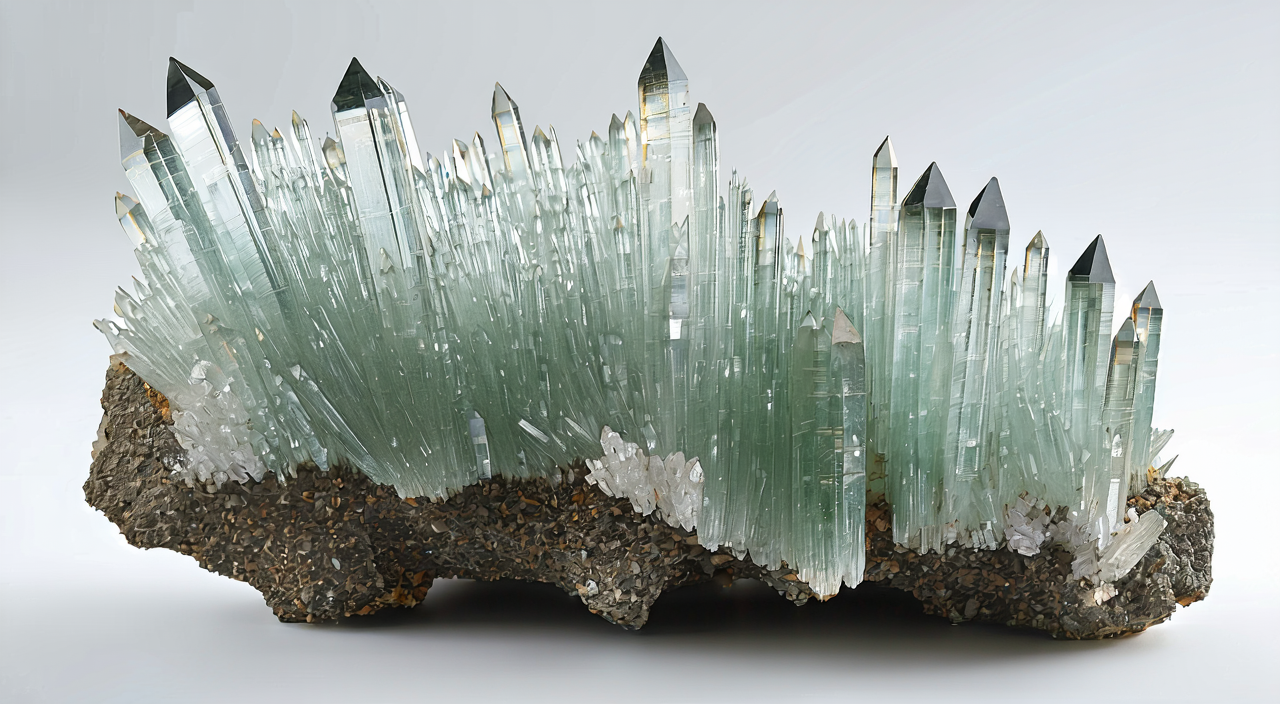
Yangqishi raw mineral often occurs as long columnar, needle-like, or fibrous aggregates. Its color is commonly grayish white, light gray-green to light green, sometimes with a silky luster. It shows obvious longitudinal cleavage, with parallel fibrous bundles, a relatively brittle texture, and a fibrous fracture surface. Actual medicinal material may vary in color or texture due to different associated minerals. When identifying it, attention should be paid to distinguishing it from similar minerals such as tremolite and Yinqishi. Without mineralogical experience, it is not advisable to make a judgment based only on pictures. Traditional medicinal experience often regards strip-shaped, light-colored, lustrous specimens that split easily along their length as common, but this is not equivalent to modern quality standards. Field-collected specimens or raw mineral fragments cannot replace medicinal material from a standardized source.
What Is the Medicinal Part of Yangqishi?
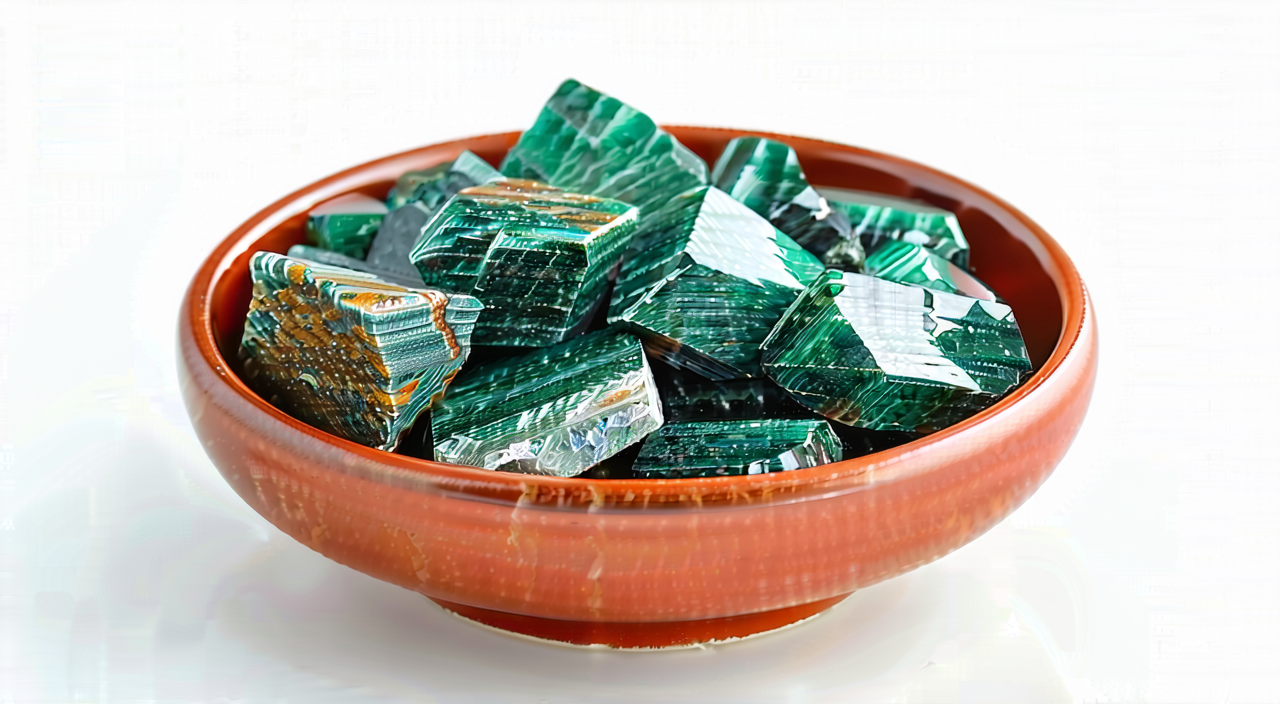
The medicinal part of Yangqishi is not the root, stem, or leaf of a plant, but the mineral aggregate of actinolite, an amphibole-type mineral. As a mineral medicine, determining its source depends more on mineral composition and geological background than on simple appearance. In traditional processing, there are concepts of cleansing and calcining: cleansing mainly removes surface impurities, rock debris, and mud; calcining uses high-temperature treatment to change the mineral properties and is traditionally considered to make it easier to use in subsequent formulation. The calcining process requires professional equipment and experience and should not be performed at home. Marketed medicinal material should be judged by its standardized source, quality standards, and packaging information. Raw mineral material from unknown channels should not be purchased and processed on your own.
How Does Traditional Chinese Medicine View Yangqishi?
Traditional Chinese medicine generally classifies Yangqishi as a warming kidney and supporting yang medicine, holding that it is warm in nature, salty in flavor, and enters the kidney channel. In classical texts, it was often used for patterns related to insufficient kidney yang, such as cold sensations in the lower back and knees, aversion to cold, and erectile dysfunction in men. However, this understanding is based on traditional syndrome differentiation rather than modern clinical efficacy evaluation. In modern use, Yangqishi appears more often in compound formulas or historical prescriptions and is rarely used alone as a daily health product. Whether it is suitable depends on the individual’s constitution and symptoms and should be judged by a professional. It is not appropriate to decide based only on a self-assessed “yang deficiency.” For long-term or recurrent fatigue, lower back soreness, or fear of cold, consult a doctor rather than treating mineral medicines as a first-choice approach.
Modern Research Focus: Mineral Fiber Dust, Impurities, and Quality Control
Modern research focuses more on the safety of Yangqishi. Yangqishi belongs to amphibole-type minerals, and some samples may have a fibrous form. During processing, crushing, or grinding, inhalable mineral fiber dust may be produced. Long-term inhalation of such dust may place an additional burden on the respiratory system, so it is not advisable to crush, grind, or directly prepare powders yourself. Quality control also needs to address heavy metals, arsenic, and other harmful elements, as well as associated mineral impurities. Medicinal material from a standardized source should have testing information, but this does not mean it can be considered absolutely safe. For overseas users, knowing the origin and testing status is more important than pursuing “wild” or “raw mineral” products. If you have a history of respiratory disease or risk of dust exposure, you should evaluate use even more carefully.
What Are the Differences Between Yangqishi, Yinqishi, and Magnetite?
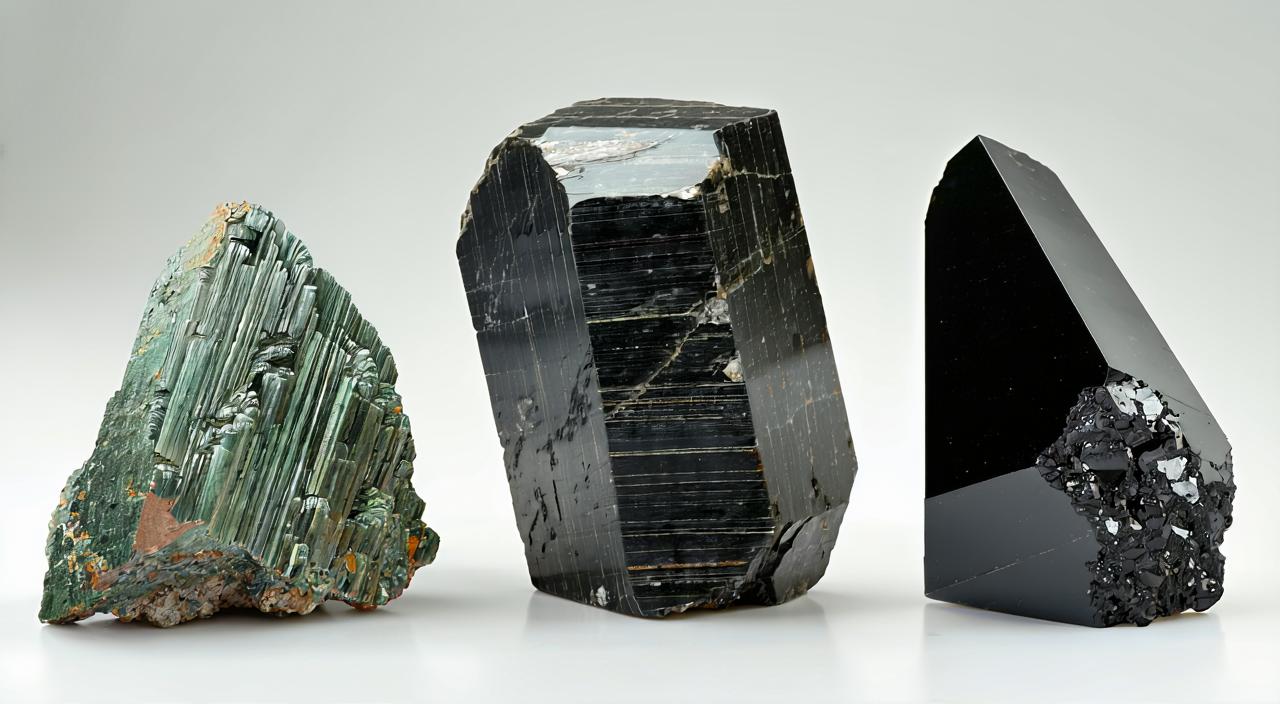
Yangqishi and Yinqishi have opposite-sounding names, but their mineral sources and colors differ. Yangqishi is mostly grayish white to light green, fibrous, with a silky luster; Yinqishi is often gray-black, dark green, or dark in color, with a flaky or slippery texture, and in some cases belongs to talc schist types. Magnetite is an iron ore type, usually black, dense, and sometimes magnetic. In traditional use, there are also differences: Yangqishi tends to warm the kidneys and support yang, Yinqishi tends toward astringing and stopping vaginal discharge, while magnetite is often used for calming the heart and mind. In actual medicinal material, confusion can easily occur due to historically mixed names. When purchasing or using these minerals, verify the mineral source and quality standards rather than judging only by name.
Which Formulas Contain Yangqishi?
Yangqishi appears as an auxiliary ingredient in some traditional formulas, such as Yangqishi Wan (Yangqishi Pill) and Yangqishi San (Yangqishi Powder). Yangqishi Wan is commonly encountered in approaches for insufficient kidney yang, while Yangqishi San is used in some classical texts for skin or local problems. Formulas that warm the kidneys and support yang may combine Yangqishi with ingredients such as dodder seed, Cistanche, and Morinda root. It should be noted that these formulas belong to traditional directions of use and should not be self-prescribed. Different individuals vary greatly in constitution, symptoms, and tolerance, so suitability needs to be judged comprehensively based on product instructions, personal circumstances, and professional advice. Overseas users in particular should not purchase raw minerals to prepare formulas on their own. If you are interested in formula names, consult standard Chinese medicine classics or a qualified TCM practitioner rather than attempting to use them by yourself.
What Precautions Should Be Taken When Using Yangqishi?
First, avoid crushing, grinding, or preparing powders yourself to prevent inhaling mineral dust. Second, mineral medicines may contain heavy metals or associated mineral impurities, so choose products with quality testing and a standardized source. Third, Yangqishi is traditionally considered warming, so it may not be suitable for people with yin deficiency with fire hyperactivity or obvious internal heat; this needs further confirmation. Pregnant and breastfeeding women, children, and people with respiratory, liver, or kidney problems should be even more cautious. If symptoms such as chest tightness, cough, skin discomfort, or abdominal pain occur during use, stop using it promptly and consult a doctor. If there are obvious symptoms such as anxiety, depression, palpitations, chest tightness, or pain, first seek professional medical help rather than relying on mineral medicine. For severe, long-term, or recurrent discomfort, especially with marked weight loss, black stools, or persistent vomiting, seek medical attention as soon as possible.
Summary
Yangqishi is a traditional mineral medicine. Identification should focus on its fibrous appearance, grayish white to light green color, and silky luster, but its mineral source and quality control are more important than appearance. It is commonly found in some traditional formulas for warming the kidneys and supporting yang, but modern use should pay more attention to mineral dust, impurities, and individual suitability. It should not be processed or prepared according to formulas on your own. This article is for informational reference only and cannot replace professional diagnosis or treatment advice.