
Luoshiteng: What It Is, Medicinal Parts, Identification, and Common Formulas
As a common vine-based medicinal material, Luoshiteng (Star Jasmine Stem) is frequently mentioned when learning about traditional medicinal directions such as dispelling wind, freeing the collaterals, cooling blood, and reducing swelling. When many people search “What is Luoshiteng,” they often see names such as Haifengteng and Qingfengteng at the same time, which can easily cause confusion. Luoshiteng comes from the leafy stems of the plant luoshi (Trachelospermum jasminoides), and its source differs from that of Haifengteng and Qingfengteng. This article sorts out the matter from the perspectives of appearance identification, medicinal parts, common formulas, and precautions to help readers form a clearer understanding.
What Does Luoshiteng Look Like? How Is It Identified?
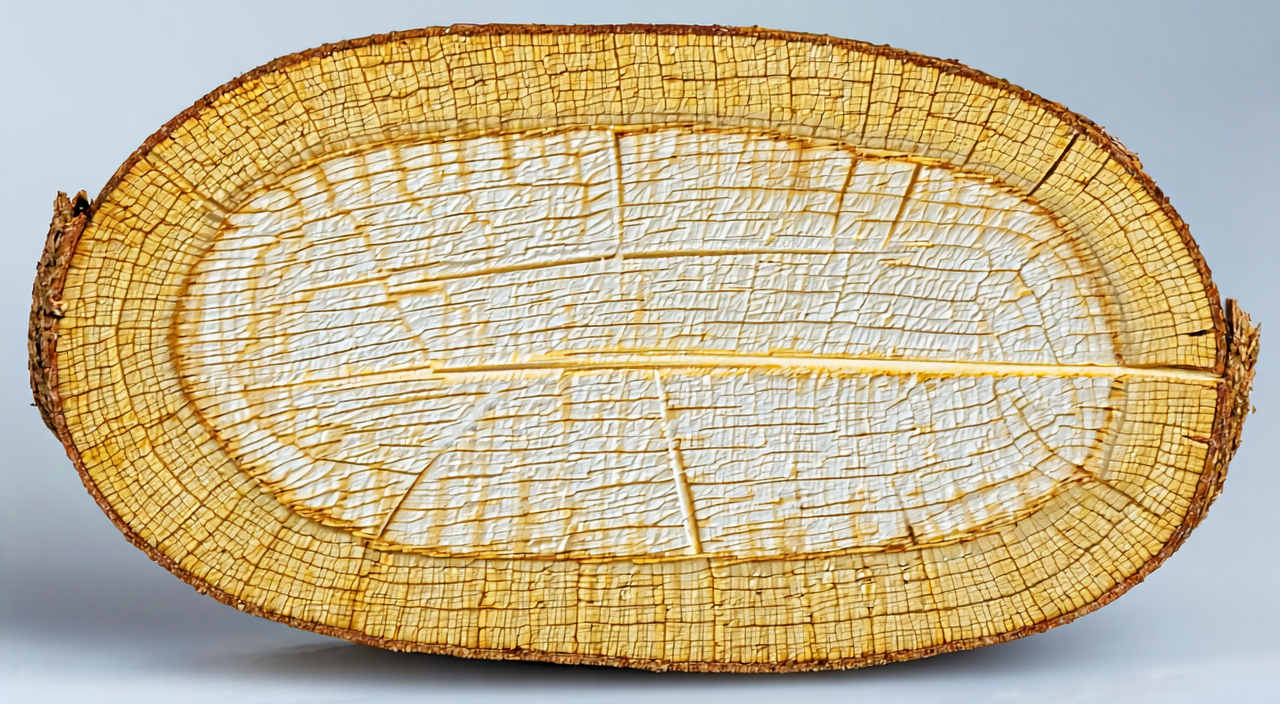
The original plant of Luoshiteng, luoshi (Trachelospermum jasminoides), is an evergreen climbing shrub that often grows on rocks or tree trunks. The medicinal material mainly uses its leafy stems. After drying, they are slender cylindrical and slightly curved, with a grayish-brown or grayish-green surface; some show longitudinal striations, fibrous root scars, or small branches. Some samples may show grayish-white latex-like traces, which is related to the white latex contained in luoshi as a plant in the Apocynaceae family.
For identification, look at the leaves. The leaves of Luoshiteng are opposite, leathery, mostly ovate or ovate-lanceolate, dark green or brownish-green on the upper surface and slightly lighter on the lower surface. When the stem is cut, the woody part is mostly yellowish-white, forming a certain contrast with the grayish-brown surface. However, dried leaves are easily broken, and relying on only one or two features may not be reliable. In practice, it is still recommended to combine the complete plant, leaves, and cut surface for a comprehensive judgment.
What Is the Medicinal Part of Luoshiteng?
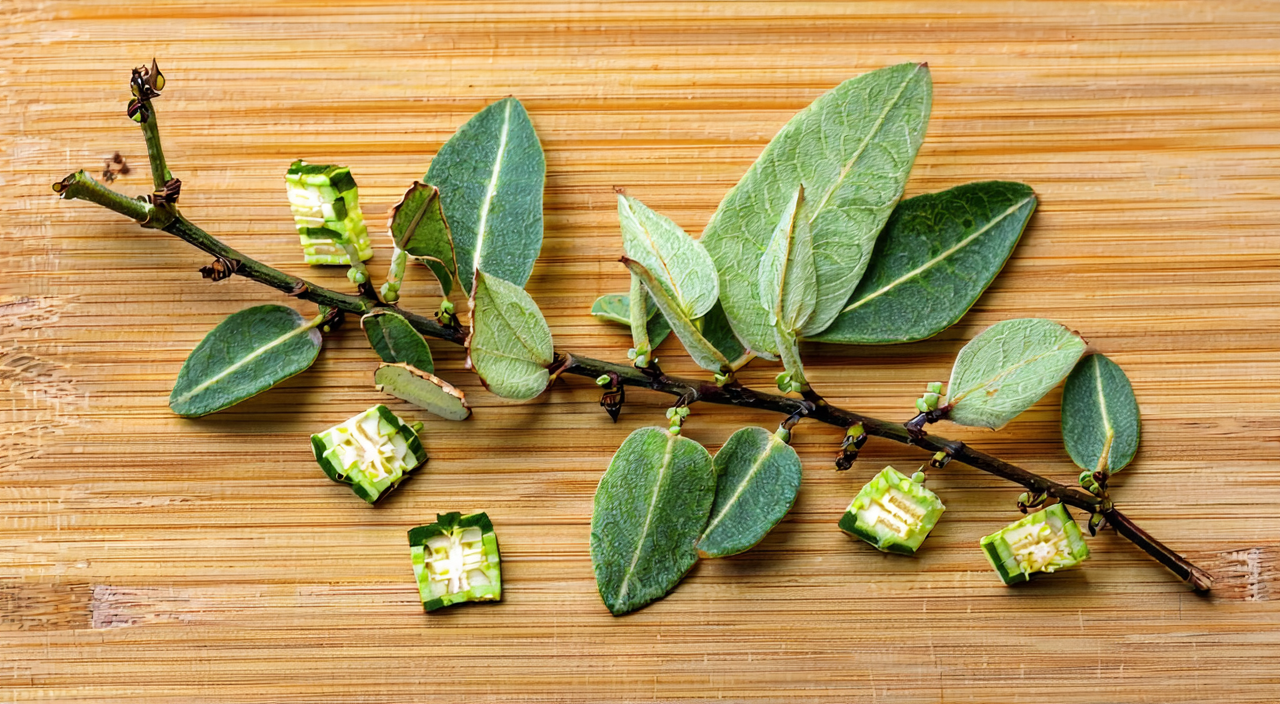
The medicinal part of Luoshiteng is the leafy stem of the luoshi plant, not the root alone or the defoliated stem. Traditionally, it is mostly harvested in late autumn or early winter and dried after removing impurities. The leaves and stems are used together as medicine, which distinguishes it from some medicinal materials that only use the stem.
After drying, Luoshiteng is usually cut into sections for storage. The leaves easily fall off or break, so commercial products sometimes appear to have more stems than leaves. When distinguishing it, in addition to observing the stem surface and cut surface, one should also pay attention to the characteristics of any remaining leaves. If the leaves have already largely fallen off, judging the source only by the stem can easily cause confusion with Haifengteng, Qingfengteng, and similar materials, so more identification information is needed.
How Does Traditional Chinese Medicine Understand Luoshiteng?
Traditional Chinese medicine usually understands Luoshiteng from the perspectives of dispelling wind, freeing the collaterals, cooling blood, and reducing swelling. It is often used in regulating approaches related to wind-dampness painful obstruction, muscle and vessel spasm, and poor limb mobility, which are associated with wind, dampness, and impaired collateral circulation. It is also sometimes discussed for sore throat, sores and abscesses, and other presentations with a heat pattern.
It should be noted that whether this type of medicinal material or related regulating approach is suitable still depends on individual constitution, symptom presentation, and professional judgment. For chronic joint problems, recurrent redness, swelling and pain, or accompanying symptoms, it is not advisable to manage the condition on one’s own with a single medicinal material alone.
What Does Modern Research Say About Luoshiteng?
Modern research on Luoshiteng mainly focuses on its flavonoids, lignans, triterpenoids, and other constituents. Some experimental studies have explored the possible anti-inflammatory, analgesic, and antioxidant activities of Luoshiteng extracts, but most are still at the stage of basic research or component screening.
These studies can serve as references for understanding traditional uses, but they cannot be directly equated with clinical efficacy. For modern applications of Luoshiteng, more high-quality research is still needed for verification, and the public should remain rational when learning about it.
How Does Luoshiteng Differ from Haifengteng and Qingfengteng?
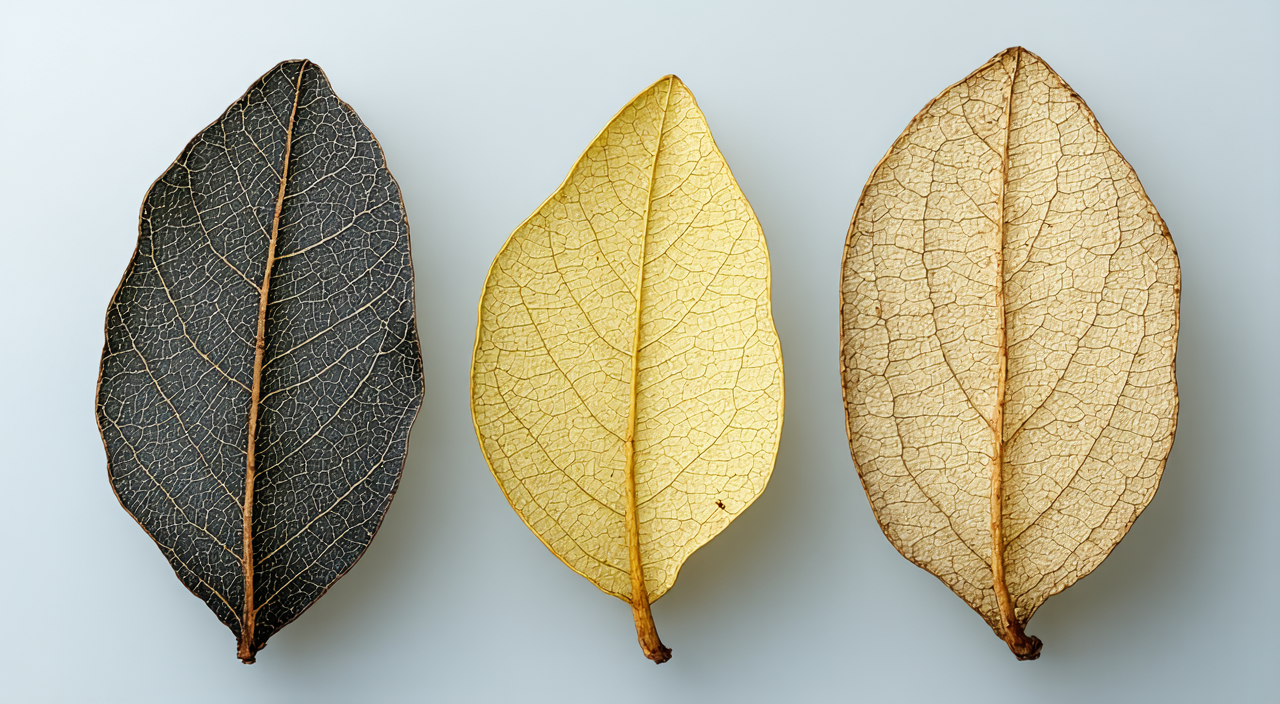
All three are vine-based medicinal materials, but they have different sources. Luoshiteng comes from the leafy stem of luoshi (Trachelospermum jasminoides) in the Apocynaceae family; Haifengteng comes from the stems of plants such as Piper kadsura in the Piperaceae family; and Qingfengteng comes from the stems of Sinomenium acutum or Sinomenium acutum var. cinereum in the Menispermaceae family.
In terms of leaves, Luoshiteng leaves are opposite and leathery, ovate or ovate-lanceolate; Haifengteng leaves are often alternate and papery, elliptical or nearly ovate, with a relatively pungent aromatic odor; Qingfengteng leaves are mostly alternate, papery or nearly leathery, and slightly different in shape. In terms of stem cross-section, the woody part of Luoshiteng is markedly yellowish-white; the cut surface of Haifengteng is off-white with a pungent aromatic odor; and the cut surface of Qingfengteng is grayish-yellow or off-white with a bitter taste. Overall, odor difference is a relatively intuitive aspect, but the odor of dried products may be weakened, so it is advisable to combine leaf, cross-section, and source information for a comprehensive judgment.
Which Formulas May Include Luoshiteng?
In traditional formulas, Luoshiteng is often used as one of the ingredients for dispelling wind and freeing the collaterals, clearing heat, and reducing swelling. Luoshiteng Tang, named after Luoshiteng, is often used in regulating approaches for wind-dampness painful obstruction, muscle and vessel spasm, and related manifestations, but the composition may vary according to different regions or literature records.
Modified Juanbi Tang is another formula direction in which Luoshiteng is commonly seen. Because there are many modifications, Luoshiteng is not necessarily included in every version of Juanbi Tang; rather, it is added or removed in wind-dispelling and collateral-freeing formulas according to specific symptoms. In addition, some wind-dispelling and collateral-freeing formulas may also include Luoshiteng in the composition to enhance the actions of freeing the collaterals, clearing heat, and reducing swelling.
It should be emphasized that formula use requires comprehensive judgment based on individual constitution, symptom presentation, and formula composition, and it is not recommended to apply a formula on one’s own merely by its name.
What Precautions Should Be Taken When Using Luoshiteng?
First, people with spleen-stomach deficiency cold should use it with caution. Traditionally, Luoshiteng tends to dispel wind and cool the blood. If you are prone to diarrhea, poor appetite, or aversion to cold, it may not be suitable to use it in large amounts or for a long period on your own.
Second, use during pregnancy should be avoided unless directed by a professional. Pregnant women have special constitutions, and any Chinese medicine or herbal medicine should first be discussed with a doctor or qualified professional.
Third, the original plant of Luoshiteng belongs to the Apocynaceae family, and fresh plants or cut surfaces may secrete white latex-like fluid. Some people may experience skin irritation after contact. It is recommended to take protective measures when handling fresh material.
Finally, pay special attention to source misidentification. Luoshiteng, Haifengteng, and Qingfengteng have similar appearances, but their botanical origins are different and they cannot be used interchangeably. When purchasing or using them, it is recommended to confirm source information. If obvious pain, swelling, difficulty moving, skin ulceration, or other conditions occur, seek medical attention as soon as possible rather than changing or increasing the dosage of the medicinal material on your own.
Summary
Overall, Luoshiteng is a vine-based medicinal material used in the form of its leafy stems. It can be preliminarily identified by features such as slender cylindrical stems, opposite leathery leaves, a grayish-brown surface, and a yellowish-white woody part. In traditional Chinese medicine, it is often considered from the perspectives of dispelling wind, freeing the collaterals, cooling blood, and reducing swelling, and it may appear in formula approaches such as Luoshiteng Tang and modified Juanbi Tang. During use, attention should be paid to spleen-stomach deficiency cold, pregnancy, irritation from latex-like secretions, and source misidentification. This article is for informational reference only and cannot replace professional diagnosis or treatment advice.