
What Is Lei Gong Teng? Medicinal Parts, Identification, and Common Preparations
Introduction: Among Chinese medicinal materials, Lei Gong Teng (Tripterygium wilfordii) is a type with relatively high recognizability and high risk. Many overseas Chinese users first hear the name “Lei Gong Teng” because of discussions related to rheumatic and immune conditions or because of certain standardized preparations, but they are not familiar with its botanical origin, medicinal parts, and toxicity characteristics. Understanding what Lei Gong Teng is can help not only in grasping its place in traditional materia medica and modern research, but also in establishing necessary safety boundaries. This article discusses plant identification, medicinal parts, TCM understanding, modern research, differences from Tripterygium hypoglaucum, common preparations, and precautions for use. It is for educational reference only and does not constitute any usage advice.
What Does Lei Gong Teng Look Like? How Is It Identified?
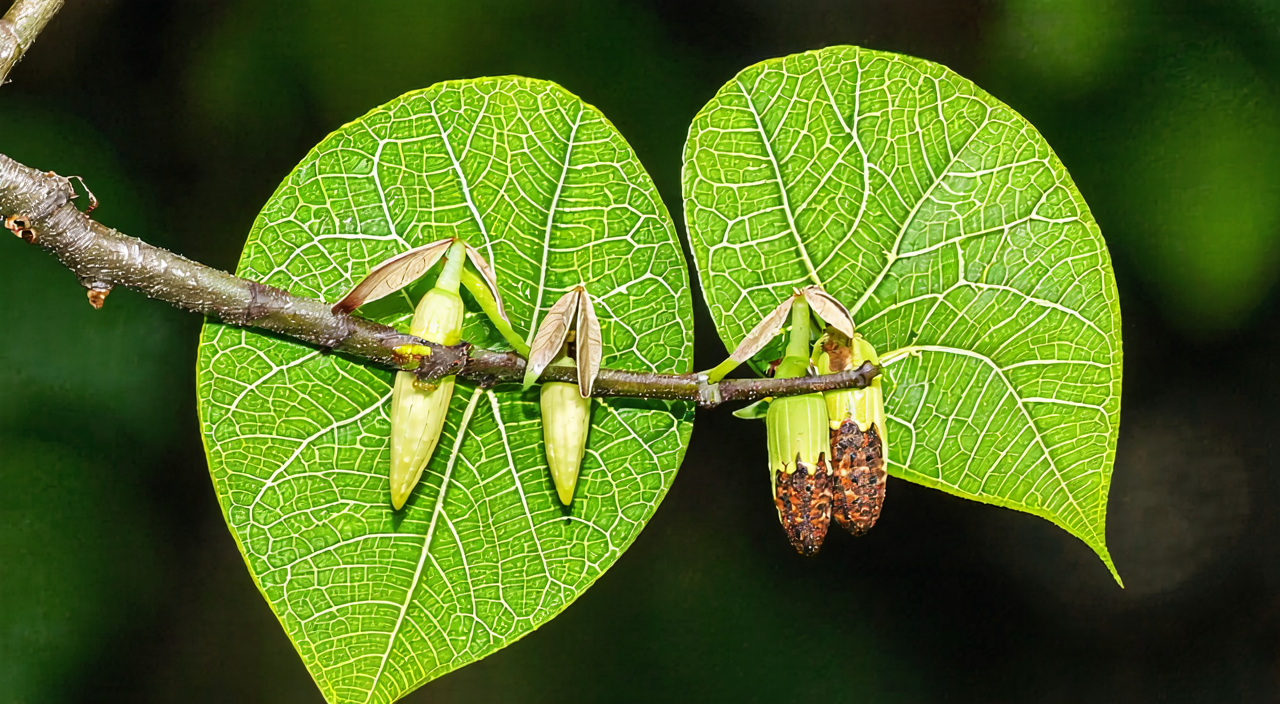
Lei Gong Teng is a woody vine of the genus Tripterygium in the family Celastraceae. It often climbs along forest edges, thickets, or rocky areas. The branchlets are nearly cylindrical or slightly ribbed, with small lenticels on the surface. The leaves are alternate, elliptic to broadly ovate, with acuminate tips, bases that are nearly rounded or broadly cuneate, and finely serrated margins. During the flowering period, yellowish-green or white small flowers can be seen; during the fruiting period, three-winged capsules form. When mature, the fruits are often yellowish-brown or reddish-brown, and the three membranous wings are relatively conspicuous, which is one of the more distinctive identification features of Lei Gong Teng. The roots are often cylindrical, with reddish-brown or orange-red root bark; a relatively clear boundary between the bark and the wood may sometimes be visible, and the root cross-section may show interwoven yellowish-brown and xylem textures. It must be emphasized that these morphological features are only provided as botanical education, and ordinary readers are not advised to collect, identify, and use the plant on their own. Lei Gong Teng shares similarities with some plants in the same genus or closely related genera, and judging by appearance alone is not safe.
What Are the Medicinal Parts of Lei Gong Teng?
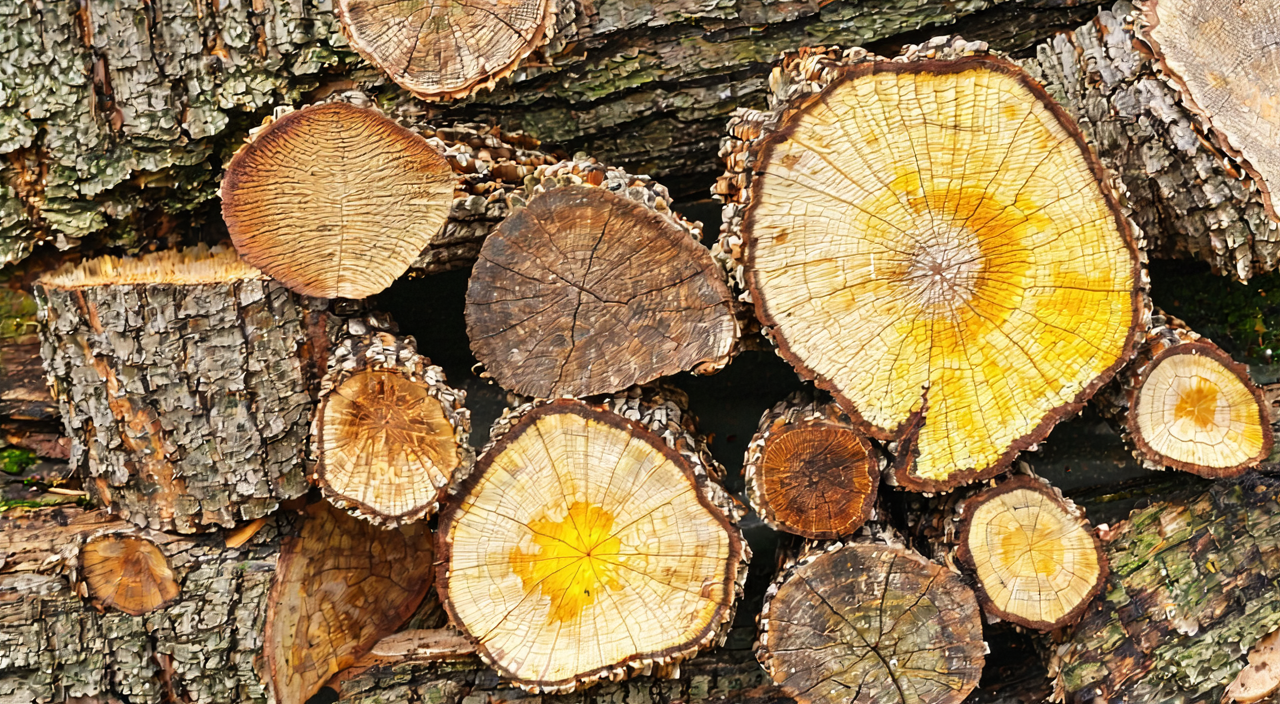
The medicinal part of traditional Lei Gong Teng is usually mainly the root. In some regions, the root bark or the root xylem after removing the bark has also been used. Different processing methods directly affect the composition and toxicity intensity, so modern drug standards pay more attention to source, medicinal part, and processing specifications. Generally speaking, the root and root bark of Lei Gong Teng are regarded as the traditional medicinal parts. The toxicity difference between root bark retained and root bark removed is often mentioned in the literature, but specific data need to be judged in combination with professional research. Preparations used in modern clinical practice, such as Tripterygium glycosides tablets and Tripterygium wilfordii tablets, generally use extracted and standardized raw materials, rather than allowing individuals to use the raw medicinal material directly. Understanding “what are the medicinal parts of Lei Gong Teng” is more about clarifying the source of the medicinal material and the background of the preparations, helping readers understand why the raw herb cannot simply replace standardized preparations. Traditionally, standardized processing was emphasized, but this article does not provide specific preparation or processing methods.
How Does TCM Understand Lei Gong Teng?
In the traditional Chinese medicine context, Lei Gong Teng is often classified among medicinals that dispel wind and eliminate dampness, invigorate blood and unblock collaterals, and reduce swelling and relieve pain. For manifestations such as wind-damp painful obstruction, joint swelling and pain, and certain skin lesions, traditional thinking may explain them from perspectives such as “wind, dampness, heat, and stasis,” and use it as one of the directions for regulation. It should be noted that ancient materia medica records on Lei Gong Teng are relatively limited, and modern TCM understanding has largely been formed on the basis of traditional experience and subsequent clinical observation. Because the medicinal nature of Lei Gong Teng is relatively potent, traditional application often emphasizes cautious use, short-term use, and constitution assessment. Whether it is suitable for use needs to be determined by qualified TCM or Western medicine professionals based on individual symptoms, constitution, medical history, and modern examination results. It should not be regarded as an ordinary herb that can be chosen and used on one’s own.
What Issues Does Modern Research Focus On?
Modern research on Lei Gong Teng mainly focuses on immunosuppressive effects and safety risks. In terms of immunosuppression, some components have shown certain activity in models of rheumatic and immune diseases, which is one reason why certain standardized preparations have been studied in related fields. In terms of safety, reproductive toxicity is one of the more prominent issues. Research suggests that Lei Gong Teng components may affect the reproductive system, including the ovaries and testes, so people with fertility plans usually need to avoid using it. The risk of liver and kidney injury is also a concern; some users may experience elevated transaminases, changes in renal function indicators, and other abnormalities. Bone marrow suppression may manifest as decreases in white blood cells, platelets, and so on, increasing the risk of infection or bleeding. Overall, Lei Gong Teng has a narrow therapeutic window, meaning the distance between an effective dose and a toxic dose may be relatively small. Therefore, modern clinical practice emphasizes using legally approved standardized preparations under monitoring conditions, with regular rechecks of blood routine, liver and kidney function, and other indicators, rather than self-administered long-term use.
What Are the Differences Between Lei Gong Teng and Kunming Shan Haitang?
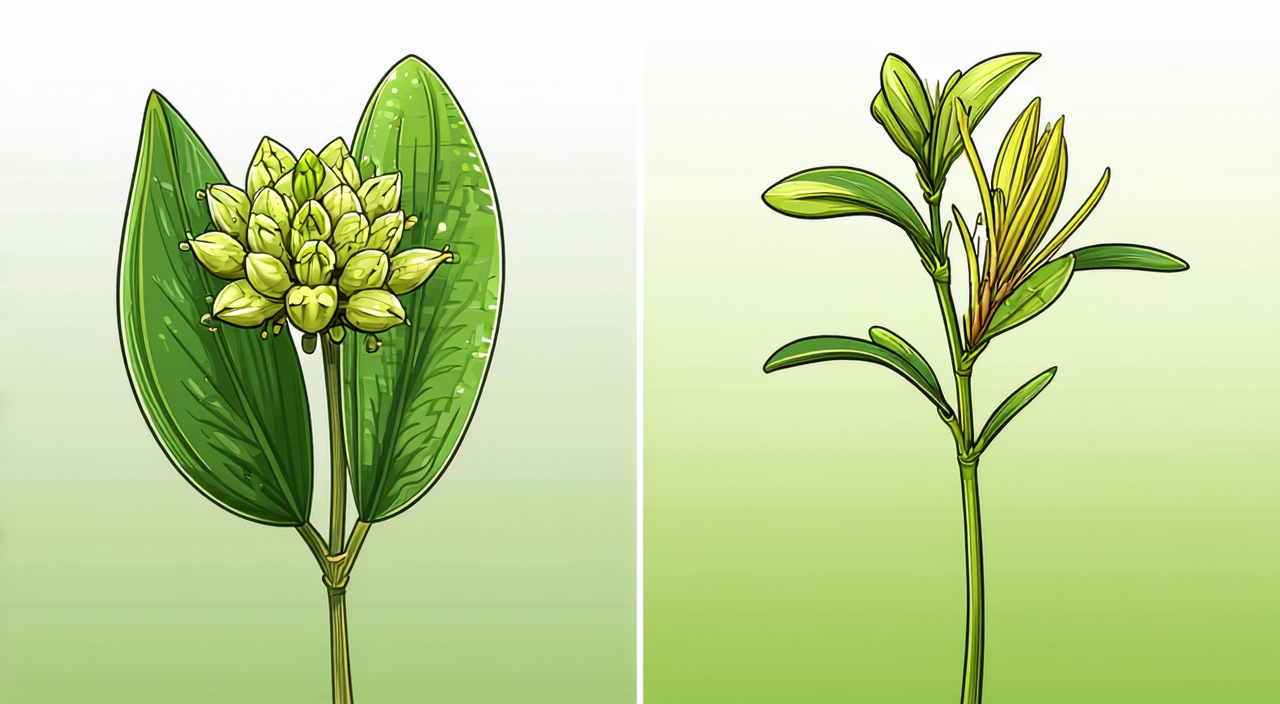
Lei Gong Teng and Kunming Shan Haitang both belong to the genus Tripterygium in the family Celastraceae and are closely related. In some regions, the two have often been mixed or substituted for each other in the past. The two have certain similarities in plant morphology, but the source plants are different. Kunming Shan Haitang is not exactly equivalent to Lei Gong Teng in terms of medicinal material name and preparation source. From the perspective of modern drug standards, preparations such as Tripterygium glycosides tablets and Tripterygium wilfordii tablets usually use Lei Gong Teng as the raw material, while preparations such as Tripterygium hypoglaucum tablets use Kunming Shan Haitang as the raw material. The two should not simply be regarded as equivalent. Because the component profiles and toxicity characteristics of plants from different sources may differ, attention should be paid to the source, specification, and indication direction in the specific preparation instructions, and one should not substitute or mix them based on folk sayings. For ordinary readers, distinguishing between the two is more about avoiding misjudgment caused by similar names, rather than serving as a basis for self-selection.
What Are the Common Preparations?
Currently, the more common Lei Gong Teng-related preparations include legally approved standardized preparations such as Tripterygium glycosides tablets and Tripterygium wilfordii tablets. These preparations are usually extracted, purified, and quality-controlled, but they still fall under high-risk drug management. Different preparations may differ in specifications, indication directions, and usage, and need to be used according to product labeling and professional guidance. This article does not provide dosage suggestions for self-use, nor does it recommend simply equating raw medicinal material with standardized preparations. If you do need to learn about related preparations, you should consult qualified medical and pharmaceutical professionals and judge whether use is appropriate based on liver and kidney function, blood routine, and other test results. Overseas users should also pay attention to local regulations on the import, sale, and use of related preparations. Any understanding of products should be based on legal channels and professional advice, and obtaining them through informal channels should be avoided.
What Precautions Should Be Taken When Using Lei Gong Teng?
The precautions for using Lei Gong Teng need special emphasis. First, it is prohibited to collect, decoct, soak in alcohol, or use it long-term on your own; the raw medicinal material is highly toxic, and self-processing carries high risks. Second, people who are pregnant, trying to conceive, breastfeeding, and men and women with fertility plans should usually avoid using Lei Gong Teng-related products. Third, people with a history of liver or kidney dysfunction, blood routine abnormalities, gastrointestinal diseases, and other conditions should proactively inform professionals. Fourth, even when using legally approved standardized preparations, blood routine, liver and kidney function, and other indicators should be monitored regularly. If symptoms such as fatigue, decreased appetite, mucocutaneous bleeding, menstrual abnormalities, nausea, or vomiting occur, follow-up medical attention should be sought in a timely manner. Fifth, Lei Gong Teng should not be regarded as a daily health or long-term conditioning product. Overall, Lei Gong Teng is a high-risk medicinal material and must be used cautiously under strict professional monitoring.
Summary
Lei Gong Teng is a Chinese medicinal material whose source and toxicity characteristics require great attention. Both its traditional use directions and modern research suggest that it has certain exploratory value in fields such as rheumatology and immunology, but its therapeutic window is narrow, and risks such as reproductive toxicity, liver and kidney injury, and bone marrow suppression are relatively prominent. For ordinary users, understanding what Lei Gong Teng is, its medicinal parts, common preparations, and precautions is more about building risk awareness than about trying it on one’s own. This article is for educational reference only and cannot replace professional diagnosis or treatment advice.