
What Is Scutellaria barbata? Medicinal Parts, Identification, and Common Formulas
Scutellaria barbata is a name many people encounter when learning about traditional Chinese medicinal herbs associated with clearing heat and detoxification. It comes from the dried whole herb of the Lamiaceae plant Scutellaria barbata and is commonly found in traditional herbal materials and compound formulas. Because Scutellaria barbata and Lobelia chinensis have similar Chinese names, their appearance and medicinal parts can easily be confused. Accurate identification requires examining features such as the stems, leaves, and flowers. It is important to note that results from cell or animal studies cannot be directly promoted as cancer treatment effects and cannot replace appropriate medical diagnosis and treatment.
What Does Scutellaria barbata Look Like? How Can It Be Identified?
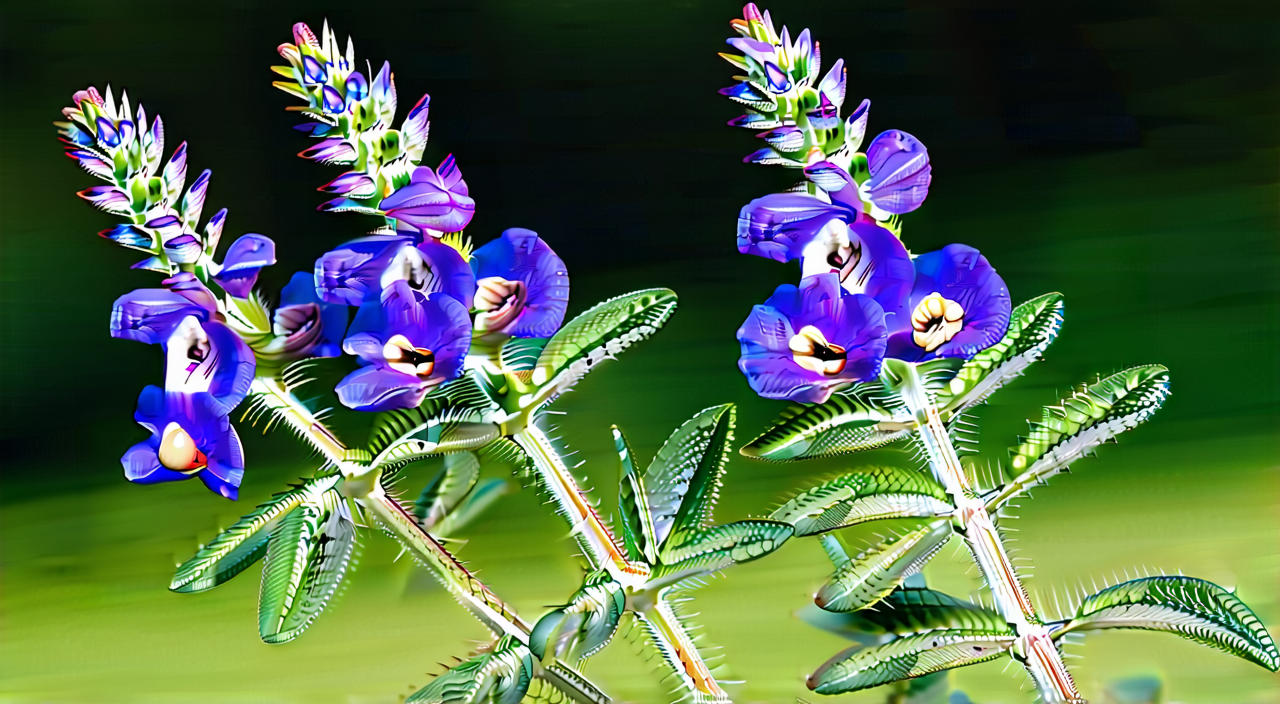
The scientific name Scutellaria barbata generally refers to a perennial herb in the mint family, or Lamiaceae. The plant is usually relatively short, and its stems are often square in cross-section, which is one of the more characteristic identification clues among plants in this family. The stems may grow upright, slant upward, or spread close to the ground. They are commonly green to purplish and have a somewhat hairy surface.
Key Features of the Stems, Leaves, and Flowers
The leaves of Scutellaria barbata are usually arranged oppositely, meaning that two leaves grow opposite each other at each node. The leaves are generally narrow, lance-shaped, or elliptic-lanceolate, and their margins may have shallow teeth. The petioles are relatively short. Leaf size and color may vary with the growing environment and harvesting period, so identification should not rely on a single feature.
The flowers are one of the important clues for identifying Scutellaria barbata. They are commonly purple-blue, blue-purple, or tinged with reddish purple, and have a bilabiate corolla typical of the mint family. The upper and lower lips of the corolla are relatively distinct, and the flowers often form inflorescences near the upper stems or leaf axils. During the flowering period, combining the purple-blue bilabiate flowers with the square stems and opposite narrow leaves can help with preliminary identification. When the fruit matures, small nutlets can be seen, although they are tiny and usually require close observation.
Wild plants may vary because of differences in variety, sunlight, soil, and growth stage. Digging up plants based only on online images or a single color feature carries a risk of misidentification. If the herb is intended for medicinal use, choose a product with a clear source that has been properly processed and labeled.
What Is the Medicinal Part of Scutellaria barbata?
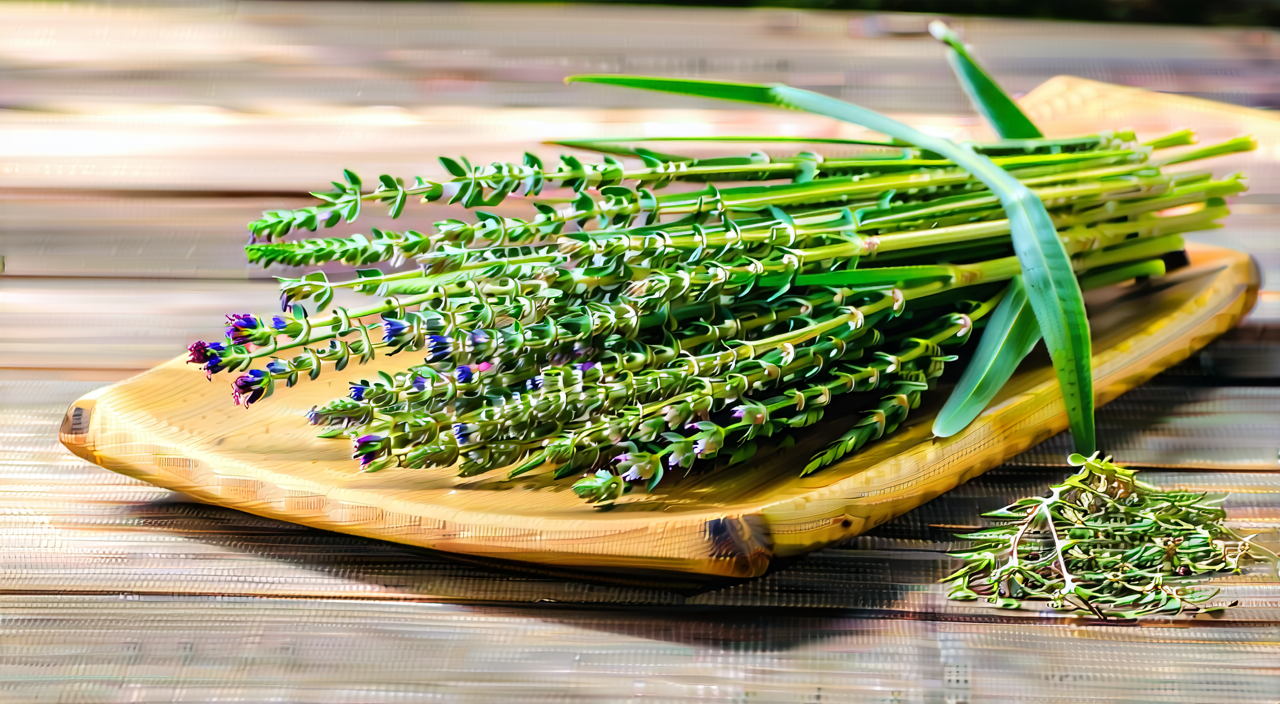
In traditional herbal medicine, Scutellaria barbata usually does not refer only to the flowers, leaves, or roots. Instead, the dried whole herb is used. The whole herb generally includes the above-ground stems, leaves, and flowers, and may sometimes contain a small amount of root. Its exact appearance depends on the place of origin and the commercial processing specifications.
Scutellaria barbata is commonly harvested during the flowering period. After harvesting, it is washed, cut into sections, and dried to produce a traditional herbal medicine that is convenient for storage and use in formulas. The stems of the dried product may be yellow-green, brown-green, or purplish. The leaves are often brittle, and the flowers may become darker during drying. When evaluating quality, attention is also generally paid to impurities, mold, insect damage, odor, and moisture content, rather than color intensity alone.
“Used as a whole herb” does not mean that dosage or method of use can be decided independently. Different specifications may apply to decoction pieces, granules, and proprietary compound preparations. Follow the product instructions and consider individual constitution, symptoms, and professional advice.
How Does Traditional Chinese Medicine Understand Scutellaria barbata?
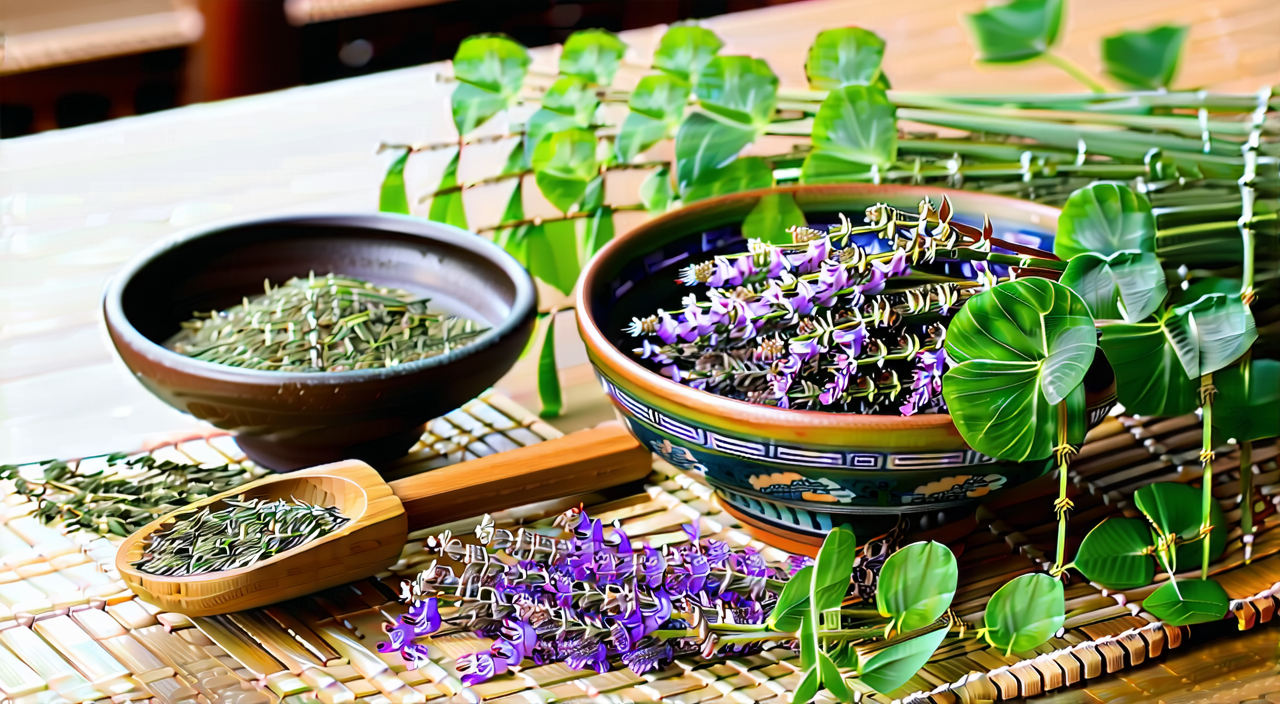
Traditional Chinese medicine commonly understands Scutellaria barbata in terms of clearing heat, detoxification, dispersing blood stasis, and promoting urination. In some traditional materia medica texts and formula applications, it is used within approaches addressing heat-toxin, blood stasis, or damp-heat patterns. It may also be combined with other herbs. These concepts belong to traditional theory and usage experience and are not equivalent to modern medical conclusions about disease mechanisms or treatment efficacy.
In actual pattern differentiation, practitioners of traditional Chinese medicine generally do not decide whether to use a particular herb based on a single symptom. They may also consider cold and heat, deficiency and excess, the tongue, the pulse, gastrointestinal tolerance, and other medicines currently being taken. Formulas with the same name may also differ in composition and proportions among practitioners, regions, or products. Therefore, Scutellaria barbata beverages, decoctions, or other heat-clearing and detoxifying formulas should be viewed only as traditional directions of use and subjects for further understanding. Whether they are appropriate still depends on the individual circumstances.
How Does Modern Research View Scutellaria barbata?
Modern research on Scutellaria barbata can generally be divided into several levels. The first is constituent research, which focuses on flavonoids, diterpenes, and other phytochemicals. However, differences in place of origin, harvesting period, and extraction method may lead to variations in constituents. Detecting a constituent does not mean that taking the herb alone will produce a definite clinical effect.
The second level involves cell studies, in which researchers observe the effects of extracts on specific cellular pathways or cell-growth behavior in vitro. The third level involves animal studies, which examine changes under specific models, dosages, and administration conditions. These findings can help suggest directions for further research, but experimental concentrations, metabolism, and animal models are not exactly the same as use in humans.
The fourth level is clinical evidence. Clinical research needs to consider sample size, study design, control methods, preparation standards, and adverse-event reporting. Even if some studies produce positive findings, they do not justify promoting Scutellaria barbata as a cancer treatment, nor should it replace surgery, radiotherapy, chemotherapy, targeted therapy, or other standard treatments prescribed by a doctor. People with severe, persistent, or recurrent symptoms should consult a doctor or qualified professional first.
What Is the Difference Between Scutellaria barbata, Lobelia chinensis, and Hedyotis diffusa?
Scutellaria barbata, Lobelia chinensis, and Hedyotis diffusa are different plants. Their names may be similar, or they may all commonly appear in heat-clearing and detoxifying formulas, but they should not be used interchangeably. Identification should involve a combined examination of the corolla, stems, and leaves.
Scutellaria barbata generally has purple-blue bilabiate flowers, square stems, and mostly opposite, relatively narrow leaves. Lobelia chinensis usually refers to a plant in the Campanulaceae family. Its corolla has a distinctive two-lipped or one-sided spreading form, with flowers commonly light purple, blue-purple, or nearly white. Its stems are slender and generally do not have the prominent square shape seen in Scutellaria barbata. Its leaves are usually alternate, small, and narrow.
Hedyotis diffusa generally refers to a plant in the Rubiaceae family. Its flowers are usually white, with a relatively small corolla, and commonly emerge from the leaf axils. Its stems are slender and highly branched, while its leaves are narrow and usually opposite. Its appearance differs clearly from the purple-blue bilabiate flowers of Scutellaria barbata. Because different commercial products may be cut into sections or processed as mixtures, identifying features become less obvious in dried form. Identification should not rely only on the name or the appearance of fragments.
Which Formulas Contain Scutellaria barbata?
In traditional use, Scutellaria barbata may appear in compound formulas based on the principles of clearing heat, detoxification, dispersing blood stasis, or promoting urination. Scutellaria barbata beverage and Scutellaria barbata decoction are formula names found in some references or clinical traditions, but their ingredients, dosages, preparation methods, and appropriate uses may not be completely standardized. A formula should not be used independently simply because its name seems familiar.
In addition, some heat-clearing and detoxifying formulas combine Scutellaria barbata with other herbs according to the identified pattern. The overall effects and precautions of a compound formula depend on all of its ingredients, not on a single herb. People who are already taking prescription medicines, receiving chronic disease management, or undergoing standard cancer treatment should tell their doctor or pharmacist about the ingredients of any decoction pieces, granules, or proprietary Chinese medicines they plan to use, in order to avoid adding treatments independently.
Users outside China should also pay attention to product labels, source, batch information, dosage units, and local regulations. Herbal products may be classified differently and subject to different quality requirements in different countries. Before purchasing or using one, confirm that the information is complete, and do not treat the name of a traditional formula as a disease diagnosis or treatment recommendation.
What Precautions Should Be Taken When Using Scutellaria barbata?
Traditionally, Scutellaria barbata is considered to have properties associated with clearing heat, detoxification, and dispersing blood stasis. Some people may be particularly sensitive to the nature of this herb or to its use in compound formulas. Those with a cold or deficient digestive system, a tendency toward diarrhea, poor appetite, or discomfort after taking cooling herbs should consult a practitioner of traditional Chinese medicine or a doctor first and should not use it independently for an extended period. People who are pregnant, planning to become pregnant, or breastfeeding should make this decision under professional guidance and should not rely solely on information found online.
People with abnormal liver or kidney function, chronic diseases, or long-term medication use should pay particular attention to potential drug interactions and individual tolerance. Those taking anticoagulants, immune-modulating medicines, blood sugar-lowering medicines, or blood pressure medicines should consult a doctor or pharmacist before adding herbs or compound formulas. If persistent diarrhea, nausea, a rash, marked fatigue, jaundice, or any other abnormal symptom develops after use, stop using the product independently and seek professional advice promptly.
Scutellaria barbata cannot replace cancer screening, pathological diagnosis, or standard treatment. Anyone experiencing unexplained weight loss, persistent pain, recurrent fever, black stools, severe abdominal pain, persistent vomiting, chest tightness, palpitations, abnormal breathing, or significant anxiety or depression should consult a doctor as soon as possible. This article is for general educational reference about traditional Chinese medicinal herbs and cannot replace professional diagnosis or treatment advice.
Summary
Scutellaria barbata generally refers to a traditional Chinese medicinal herb used as dried whole grass. Identification can involve examining its square stems, opposite narrow leaves, purple-blue bilabiate flowers, and small nutlets. It is not the same plant as Lobelia chinensis or Hedyotis diffusa, and related formulas must be considered in light of their full composition, individual constitution, and medication use. Modern experimental research cannot be directly equated with human clinical efficacy and cannot replace appropriate medical care. This article is provided for educational reference only.