
What Is Hedyotis Diffusa? Medicinal Parts, Identification, and Common Formulas
Hedyotis diffusa is a commonly discussed medicinal plant in traditional Chinese medicine. Many people become interested in it because of its name, appearance, or claims found online. It is derived from the dried whole herb of Hedyotis diffusa, which traditional Chinese medicine generally understands in terms of clearing heat, removing toxins, promoting urination, and relieving urinary difficulty. It is important to note that online claims directly associating Hedyotis diffusa with concepts such as anticancer effects cannot replace sound medical evidence. Such claims should not be used as a basis for self-treatment or for delaying appropriate medical care. The following sections explain how to identify it, which parts are used medicinally, its traditional applications, and important precautions.
What Does Hedyotis Diffusa Look Like?
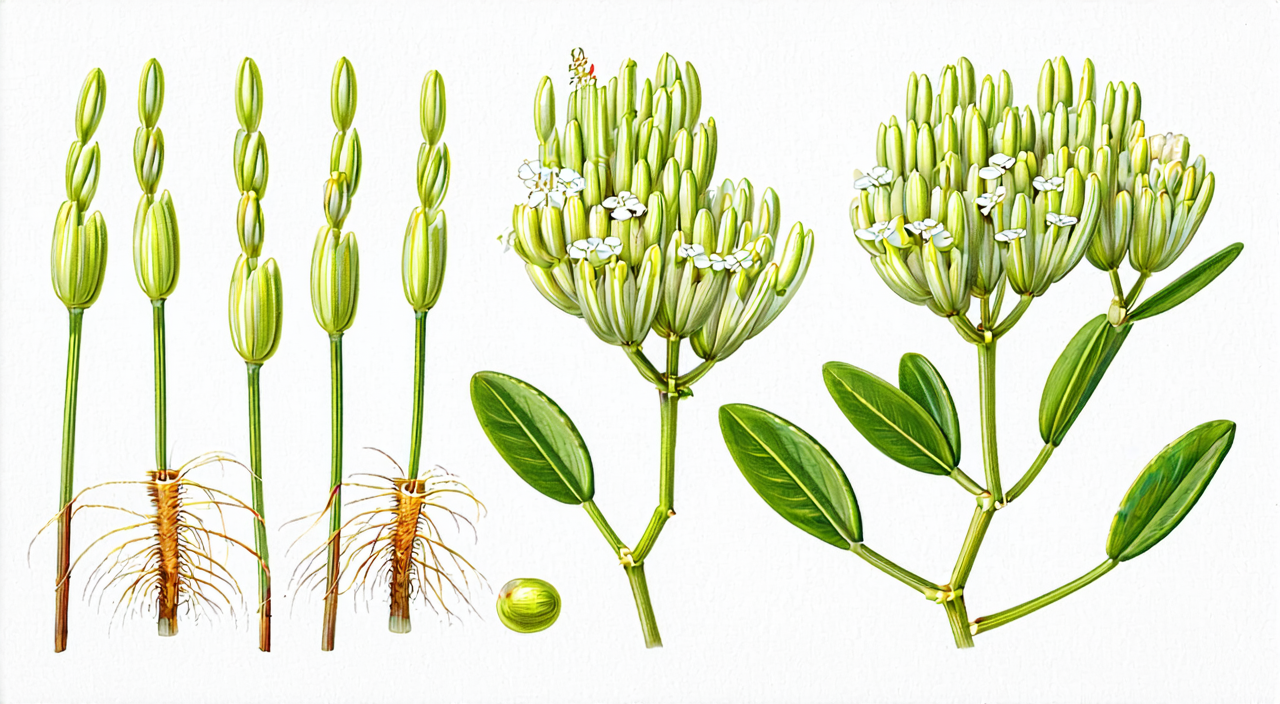
Hedyotis diffusa is generally an annual herbaceous plant. It is usually slender and grows along field edges, roadsides, ditches, or in relatively moist grassland. Its appearance can vary according to the growing region, harvest time, and drying method. Therefore, identification based solely on a single image or its name is unreliable. When purchasing or identifying it, consult information from reputable medicinal herb sources.
Key Botanical Features
Hedyotis diffusa has slender stems that often branch outward from the base, giving the plant a low-growing, spreading appearance. Its leaves are usually opposite, relatively narrow, and linear or narrowly lanceolate. Leaf length and width may vary with growing conditions. The flowers are small and generally white, often occurring singly in the leaf axils, with a tubular or nearly funnel-shaped corolla. The fruit is generally a paired capsule containing small seeds when mature.
Its roots are fine. After drying, the entire plant may appear yellowish green, grayish green, or brownish green, with stems, leaves, flowers, and fine roots often mixed together. High-quality dried material should generally retain a relatively recognizable plant structure. Its smell and taste may also provide supporting clues, but these characteristics cannot replace professional identification. In particular, when collecting plants in the wild, do not identify Hedyotis diffusa solely by its small white flowers or slender leaves, because many weeds have a similar appearance.
What Part of Hedyotis Diffusa Is Used Medicinally?
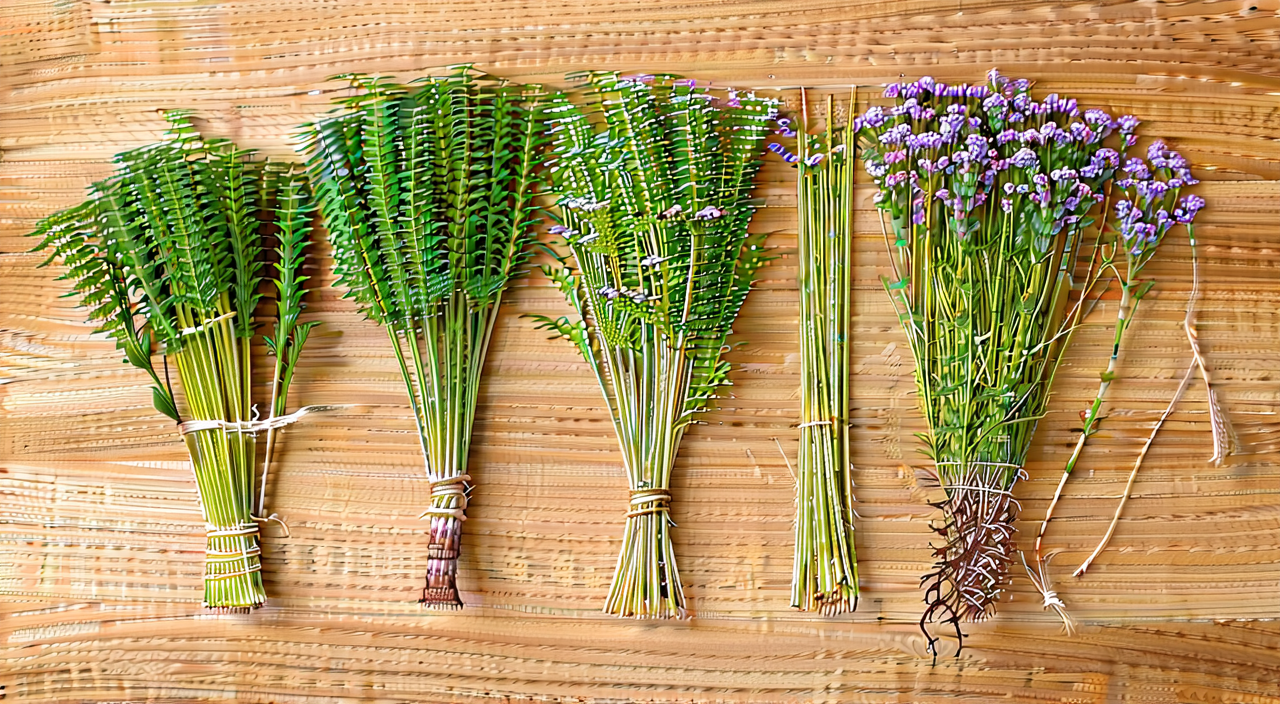
The medicinal part of Hedyotis diffusa is the whole herb, meaning that the complete plant, including both the above-ground portion and the roots, is used. The herb is generally harvested at an appropriate time, cleaned, separated from impurities, cut into sections or otherwise prepared, and then dried to produce Chinese herbal slices or other legally processed raw materials. Unlike herbs that use only the leaves or roots, the traditional medicinal name of Hedyotis diffusa itself emphasizes its use as a whole herb.
How to Examine the Dried Whole Herb
Common dried Hedyotis diffusa may contain slender stems, narrow leaves, small amounts of flowers or fruit, and fine roots. Color, length, and moisture content may vary between batches. Store it in a dry, dark place and protect it from moisture and mold. If it develops an obvious moldy odor, insect damage, signs of moisture absorption, or unusual discoloration, it should not be used. For users outside China, also check the product label for the botanical name, medicinal part, place of origin, batch number, and testing information. This can help prevent the mixing of similarly named herbs or plant materials from unknown sources.
How Does Traditional Chinese Medicine Understand Hedyotis Diffusa?
Traditional Chinese medicine commonly considers Hedyotis diffusa within treatment approaches focused on clearing heat, removing toxins, promoting urination, and relieving urinary difficulty. “Clearing heat,” “removing toxins,” and “promoting urination” are functional descriptions within traditional Chinese medicine theory. They are not equivalent to modern medical diagnoses or treatment conclusions for infections, cancer, or other diseases. In practical use, assessment generally also considers symptoms, the appearance of the tongue and pulse, constitution, and whether the herb is combined with other medicinal ingredients.
In traditional formulas, Hedyotis diffusa may sometimes be used for patterns associated with damp-heat or heat-toxin, and it may be combined with herbs traditionally used to clear heat, resolve dampness, invigorate blood, or support the body’s vital energy. The composition, dosage, and intended applications of different formulas vary. The fact that a formula contains Hedyotis diffusa does not mean that it is suitable for everyone with similar symptoms. Chinese herbal medicine is not assessed by the name of a single herb alone; diagnostic pattern identification, processing methods, and duration of use may all influence the decision.
Do Not Equate Traditional Use with Proven Disease Treatment
Claims commonly seen online about “anticancer” effects, “shrinking tumors,” or replacing conventional treatment should be approached with caution. Research on Hedyotis diffusa may involve cell studies, animal studies, constituent analysis, or pharmacological mechanisms, but experimental findings cannot be directly equated with actual effects in humans. People with cancer, infections, urinary tract problems, or other persistent symptoms should first undergo medical evaluation. Herbal medicine should not be used to replace surgery, radiation therapy, chemotherapy, targeted therapy, or other evidence-based treatment plans without medical guidance.
What Does Modern Research Say About Hedyotis Diffusa?
Modern research generally examines Hedyotis diffusa at the levels of chemical constituents, in vitro experiments, animal studies, and clinical research. Some experiments may investigate the effects of its extracts on inflammation-related pathways, oxidative stress, or cellular activity. However, the extraction methods, concentrations, and administration conditions used in experiments are not necessarily the same as those involved in everyday drinking or decoction.
Determining whether an herbal medicine is appropriate for human use also requires consideration of study design, sample size, controls, dosage, pharmacokinetics, and adverse effects. Laboratory research alone cannot establish definite conclusions about its effectiveness in treating disease. This is especially important for people with chronic conditions or cancer, or those taking multiple medicines. Such individuals should regard related herbal research as information requiring professional assessment, not as a treatment plan to add on their own.
How Does Hedyotis Diffusa Differ from Scutellaria Barbata and Plantago?
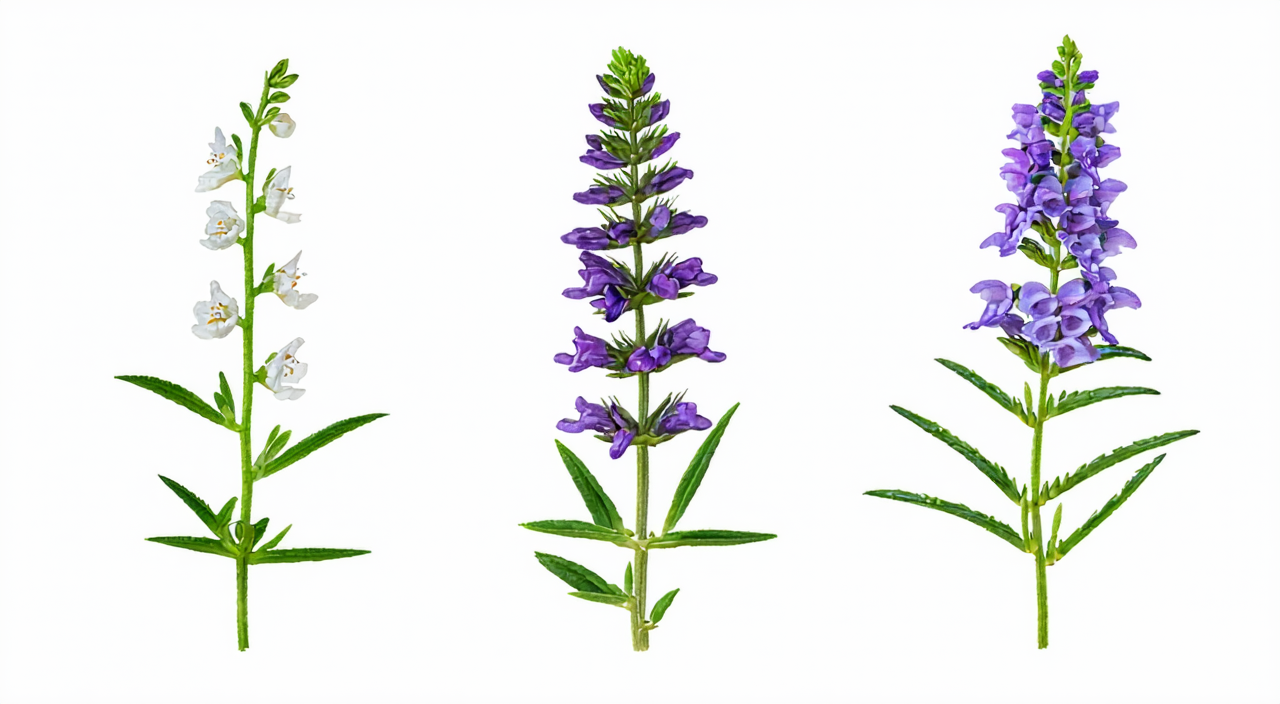
Hedyotis diffusa, Scutellaria barbata, and Plantago may all appear in discussions of Chinese herbs traditionally used to clear heat or resolve dampness. However, they are different plants, with distinct appearances, medicinal parts, and traditional applications.
Hedyotis diffusa has slender stems, narrow leaves, small white flowers, and paired capsules. The medicinal part is the dried whole herb. Scutellaria barbata generally has four-angled stems, relatively broader leaves, and mostly blue-purple or purple flowers. Its traditional medicinal part is also primarily the whole herb. Plantago is more readily identified by its basal leaves, which grow in a cluster from the root, often with distinct petioles and arched veins. Its inflorescence is a slender spike. The medicinal parts may include the whole herb or the seeds, but Plantago seeds and the Plantago herb are not exactly the same medicinal material.
These three herbs also differ in their traditional classifications and combination strategies. They should not be substituted for one another simply because all may be described as clearing heat, resolving dampness, or removing toxins. Accurate identification should take into account the flowers, fruit, leaves, stems, roots, and source of the medicinal material. If necessary, consult a pharmacist or qualified identification professional.
Which Formulas Contain Hedyotis Diffusa?
In traditional formula references and modern Chinese herbal applications, Hedyotis diffusa may appear in Hedyotis diffusa decoctions, formulas focused on clearing heat and resolving dampness, and certain legally approved related preparations. The ingredients may vary between regions, medical texts, and products. Formulas with identical or similar names do not necessarily have exactly the same combinations or directions for use.
Hedyotis diffusa Decoction may be used as an example for understanding traditional combination principles, but it should not be used solely on the basis of its name or information found online. Formulas for clearing heat and resolving dampness are often adjusted with other herbs according to the specific presentation. Actual use requires consideration of heat and cold, deficiency and excess, digestive function, and how long the symptoms have persisted. For legally approved related preparations, read the product information carefully and pay attention to the ingredients, directions and dosage, contraindications, and interaction warnings.
If you are taking anticancer medicines, immunomodulators, anticoagulants, diuretics, or other prescription medicines, whether they can be used together should be assessed by a doctor, pharmacist, or another appropriately qualified healthcare professional. Formulas, proprietary Chinese medicines, and single herbs should not be combined casually. If discomfort occurs, stop self-experimentation and seek professional advice promptly.
What Precautions Should Be Taken When Using Hedyotis Diffusa?
Hedyotis diffusa is not suitable for long-term or excessive use without pattern identification or professional guidance. Traditionally, herbs considered relatively clearing and draining may require assessment according to individual constitution. People with a cold or weak digestive system, a tendency toward diarrhea, poor appetite, or sensitivity to cooling herbs should consult a traditional Chinese medicine practitioner or doctor first. Pregnant or breastfeeding people, children, older adults, and those preparing for surgery should also avoid using it on their own.
People with liver or kidney disease, or those receiving cancer treatment, immune-related treatment, anticoagulant therapy, or other long-term medication, should proactively tell their doctor about all medicines and supplements they are taking before using Hedyotis diffusa. If persistent diarrhea, abdominal pain, nausea, rash, breathing difficulties, dizziness, or any other unusual reaction occurs, stop using it without professional guidance and seek help.
For severe, long-lasting, or recurrent symptoms, as well as situations involving marked anxiety, depression, palpitations, chest tightness, pain, abnormal breathing, severe abdominal pain, persistent vomiting, black stools, or unexplained weight loss, consult a doctor or qualified professional as soon as possible. Do not rely solely on Hedyotis diffusa or other herbal medicines to manage these conditions.
Summary
Hedyotis diffusa is a medicinal plant used as a dried whole herb. When identifying it, look for features such as slender branching stems, opposite narrow leaves, small white flowers, paired capsules, and fine roots. Traditional Chinese medicine generally understands it in terms of clearing heat, removing toxins, promoting urination, and relieving urinary difficulty. Modern experimental research does not directly establish its effectiveness in humans. It differs clearly from Scutellaria barbata and Plantago, and related formulas and preparations should be assessed according to individual constitution, current medications, and professional advice. This article is for educational reference only and does not replace professional diagnosis or treatment recommendations.