
What Is Dictamni Cortex? Its Medicinal Part, Identification, and Common Formulas
What is Dictamni Cortex? It is not a type of tree bark medicinal material, but the dried root bark of Dictamnus, a plant in the Rutaceae family. Because its name contains the word “bark,” it can easily be confused with tree-bark herbs such as Cortex Phellodendri when first encountered. In traditional herbal literature and Chinese medicine practice, Dictamni Cortex is often considered in approaches addressing skin discomfort associated with damp-heat and wind pathogens. The following sections introduce its appearance, medicinal part, traditional understanding, similar herbs, and common formulas to help readers build a clearer basic concept.
What Does Dictamni Cortex Look Like? How Is It Identified?

Dictamni Cortex is usually rolled, trough-shaped, or片状 in form, and comes from the bark peeled from the outer layer of the root. The surface of the herb is generally grayish white, grayish yellow, or pale yellowish white. It is relatively brittle and may have fine longitudinal lines on the surface. Differences in origin, processing methods, and storage time can affect its color, degree of curling, and cross-sectional appearance, so authenticity should not be judged by color alone.
Surface and Cross-Section Characteristics
The outer surface of Dictamni Cortex is relatively coarse, while the inner surface often displays prominent longitudinal lines. When broken or cut open, the cross-section may appear layered, fibrous, or slightly stratified, making the structural difference between the bark and woody portions relatively easy to observe. Dried material usually has a distinctive odor, which some people describe as pungent, strong, or similar to camphor wood. Odor is one feature considered in traditional identification, but the herb should not be held too close when smelling it, and a single odor should never be used as the sole basis for purchase or use.
In practical identification, the herb’s source, packaging labels, sliced-herb form, and the reliability of the supply channel should also be considered. Material with an unusually bright color, mold, insect damage, or an obvious musty odor from moisture exposure should not be used without professional advice.
What Is the Medicinal Part of Dictamni Cortex?
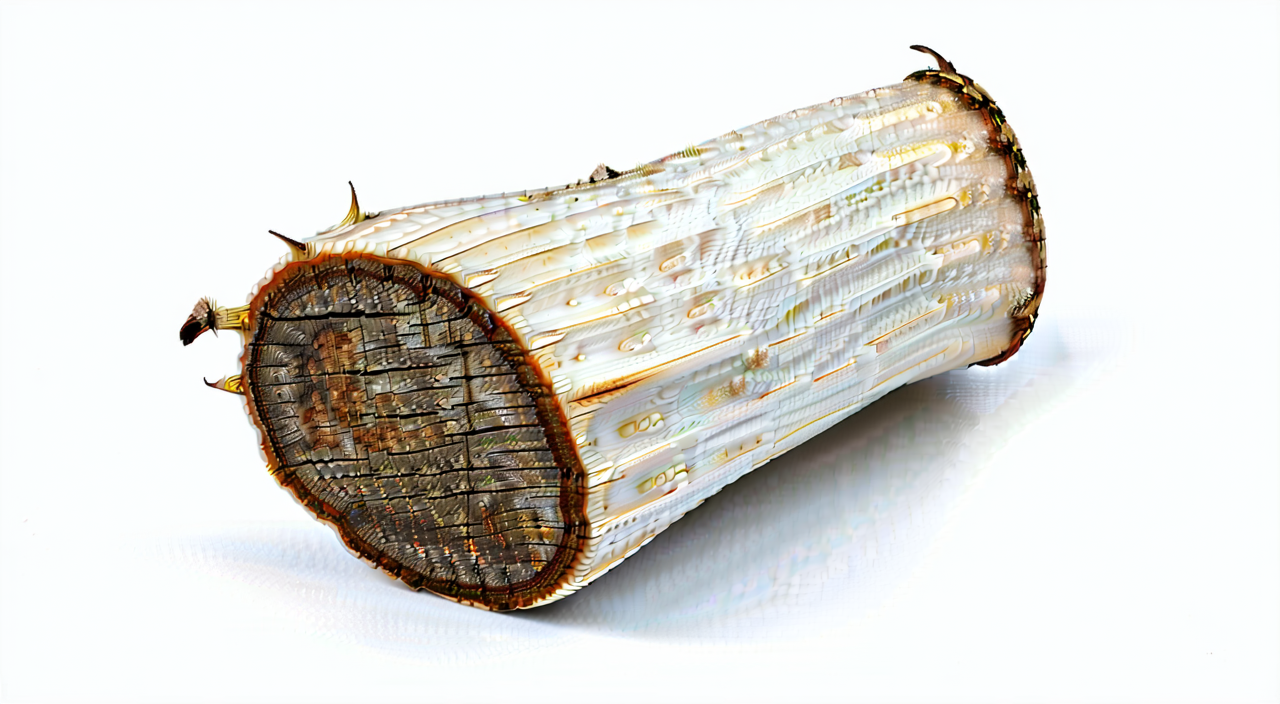
The medicinal part of Dictamni Cortex is the dried root bark of Dictamnus, meaning the bark layer on the outside of the root. It is not the entire root and is not the outer bark of a tree trunk. After harvesting, the woody core or central wood is usually removed, followed by peeling, cutting, and drying to produce the rolled or trough-shaped slices commonly seen in clinical use or prepared herbal products.
Distinguishing root bark from tree bark is important. The tissue structure, odor, and traditional medicinal classification of root bark differ from those of herbs such as Cortex Phellodendri, which comes from tree bark. Prepared herbal pieces on the market may appear as thin slices, long strips, or irregular pieces depending on the cutting specifications. Identification should consider both the inner and outer surfaces as well as the cross-section; consult a pharmacist or qualified professional when necessary.
How Does Traditional Chinese Medicine Understand Dictamni Cortex?
Traditional Chinese medicine commonly understands Dictamni Cortex from the perspectives of clearing heat, drying dampness, dispelling wind, and relieving toxicity. It is also used in traditional pattern-based approaches involving damp-heat, wind-dampness, or itchy skin. In this context, “dampness,” “heat,” and “wind” are pattern concepts in Chinese medicine theory and do not correspond to a single disease diagnosis in modern medicine.
In traditional herbal combinations, Dictamni Cortex may sometimes be used with herbs associated with dispelling wind, clearing heat, nourishing blood, or promoting dampness drainage. The specific combination depends on the symptoms, tongue and pulse characteristics, constitution, and the practitioner’s assessment. Skin redness, exudation, scaling, or itching may result from allergies, infection, inflammation, contact irritation, or various other factors. These symptoms should not be matched to a Chinese herbal approach solely on the basis of their outward appearance.
How Should Modern Research Be Viewed?
Modern studies have analyzed various chemical constituents in Dictamni Cortex and explored its potential anti-inflammatory, antimicrobial, and immunomodulatory properties through in vitro research, animal studies, and preliminary clinical observations. Such research helps clarify the material basis of the herb, but experimental conditions, extraction methods, and evaluation criteria vary among studies. Research findings cannot be directly equated with the effects an individual may experience.
At present, it is more appropriate to regard these studies as supplementary information for understanding Dictamni Cortex, rather than as a basis for determining dosage or treatment duration or replacing standard medical care. If a skin problem persists or recurs, or if it involves significant pain, pus, fever, or rapid spreading, consult a doctor first to clarify the cause before considering other approaches.
What Are the Differences Between Dictamni Cortex, Cortex Phellodendri, and Lycii Cortex?
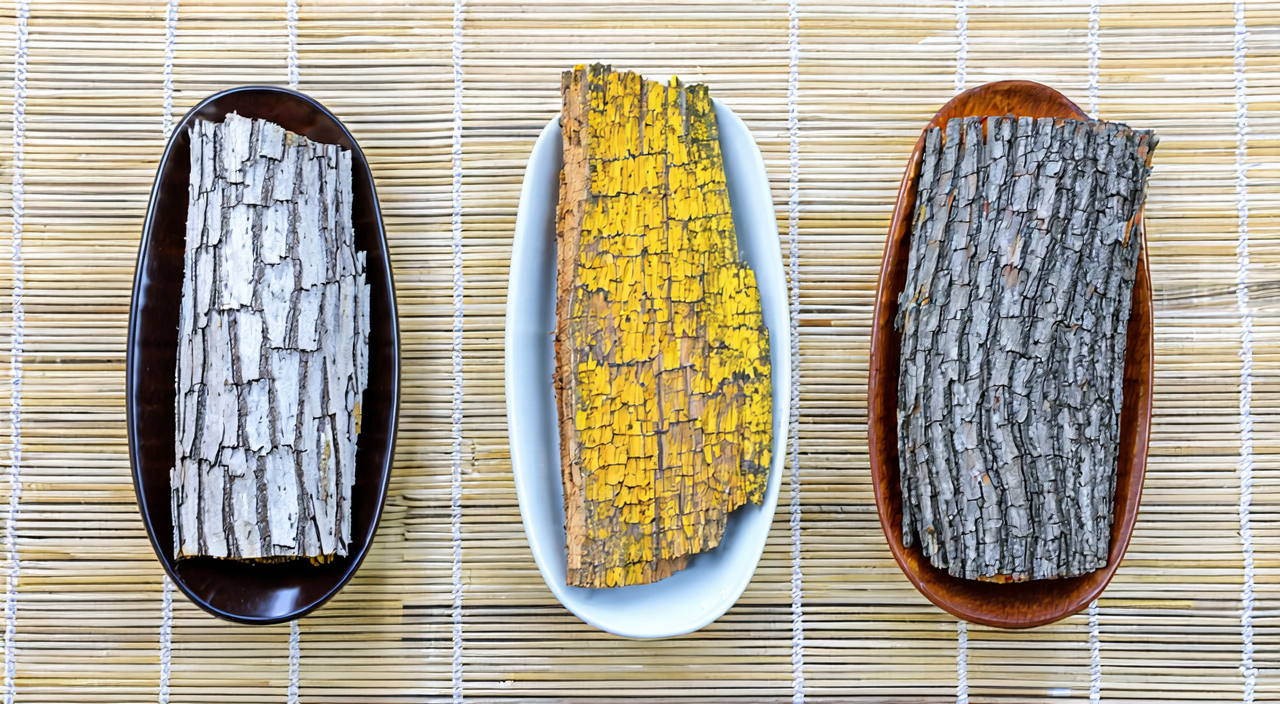
Dictamni Cortex, Cortex Phellodendri, and Lycii Cortex may all be associated with the term “bark” in discussions of traditional medicinal materials, but their botanical sources and medicinal parts differ. Dictamni Cortex comes from the root bark of Dictamnus and is commonly grayish white or pale yellowish white, with a distinctive odor. Cortex Phellodendri comes from the tree bark of plants such as Phellodendron amurense or Phellodendron chinense and is usually yellowish brown or bright yellow, with a clearly yellow inner surface. Lycii Cortex comes from the root bark of plants in the Lycium genus and is often tubular or trough-shaped, with an outer surface ranging from grayish yellow to brownish yellow. Its texture and odor also differ from those of Dictamni Cortex.
From the perspective of traditional Chinese medicine, Cortex Phellodendri is commonly understood in terms of clearing heat, drying dampness, and purging fire. Lycii Cortex is often associated with clearing heat, cooling the blood, and relieving deficiency heat. Dictamni Cortex is more closely associated with clearing heat, drying dampness, dispelling wind, and relieving toxicity. The three should not be substituted for one another simply because they are all “bark” herbs or are all discussed in relation to “heat.” Practical identification should also consider the botanical origin, cross-section, odor, specifications, and testing information.
Which Formulas Contain Dictamni Cortex?
Many formulas contain Dictamni Cortex, and it is commonly found in traditional formulas and modified applications. However, the same formula name does not mean that it is suitable for everyone. Actual use should be determined according to the pattern and with professional guidance.
Dictamni Cortex Decoction
Dictamni Cortex Decoction is one traditional formula approach named after Dictamni Cortex as its central herb. Its ingredients and dosages may vary across historical medical texts and different clinical applications. It may generally be understood as a formula arranged around traditional pattern-based approaches involving damp-heat, wind pathogens, or skin discomfort. It should not be used simply by following the formula name without professional advice.
消风散 (Xiaofeng San)
Xiaofeng San is traditionally used in approaches addressing skin manifestations associated with wind-dampness or wind-heat. Its classic composition generally includes herbs directed toward dispelling wind, clearing heat, nourishing blood, and promoting dampness drainage. Some modified applications may consider adding Dictamni Cortex, but whether it is needed and how the formula should be adjusted must be determined by a professional based on the presentation and constitution.
Modified Danggui Yinzi
Danggui Yinzi is commonly understood from the perspectives of nourishing blood and dispelling wind. Traditionally, it is often used for skin itching associated with blood deficiency and wind-dryness. When the presentation is complex, a practitioner may modify the formula according to the specific situation. Whether Dictamni Cortex is appropriate is not a fixed answer. When using formulas, prepared herbs, or proprietary Chinese medicines, read the product information carefully and make an overall judgment based on personal circumstances and professional advice.
What Precautions Are Needed When Using Dictamni Cortex?
Dictamni Cortex is a Chinese medicinal herb that requires pattern-based assessment and proper use. It should not be taken long term without professional guidance simply because a certain skin symptom is present. People with a weak, cold digestive system, a tendency toward diarrhea, poor appetite, or sensitivity to bitter, cold, and dampness-drying herbs should consult a Chinese medicine practitioner or pharmacist first. Pregnant or breastfeeding individuals, children, older adults, and people taking multiple medications should also seek professional guidance.
People with abnormal liver function, a history of drug-induced liver injury, or chronic liver disease should be especially cautious before use and should inform their doctor about their medical history and current medications. If nausea, fatigue, unusual urine color, yellowing of the skin, or yellowing of the whites of the eyes occurs after use, stop self-medication and seek medical attention promptly.
Topical use of Dictamni Cortex or products containing it may also cause irritation or allergic reactions in some individuals. Before first use, confirm appropriate use with a professional, and avoid applying it to broken, bleeding, or clearly infected skin. If redness and swelling worsen or burning pain, blisters, or breathing difficulties occur, stop using the product immediately and seek medical help. Severe, long-lasting, or recurrent skin problems, as well as problems accompanied by fever, significant pain, pus, or rapid spreading, should be evaluated by a doctor as a priority.
Summary
Dictamni Cortex is the dried root bark of Dictamnus. It commonly appears in rolled or trough-shaped pieces, ranges from grayish white to pale yellow, and has a layered cross-section with a distinctive odor. It differs from Cortex Phellodendri, which comes from tree bark, and Lycii Cortex, which also comes from root bark, in botanical origin, appearance, and traditional application. Dictamni Cortex Decoction, Xiaofeng San, and modified Danggui Yinzi can serve as examples for understanding traditional herbal combinations, but suitability still depends on individual constitution, symptoms, product information, and professional advice. This article is for educational reference only and does not replace professional diagnosis or treatment advice.