
What Is Citron? Medicinal Parts, Identification, and Common Formulas
Citron is a distinctive type of aromatic fruit used in traditional Chinese medicine. Many people first want to know what citron looks like, while others want to understand whether it is the same as fingered citron, which part of the mature fruit is used medicinally, and which formulas contain citron. Traditional materia medica sources generally identify citron as the mature fruit of Citrus medica or xiangyuan, both plants in the Rutaceae family. Different botanical sources and processing methods may result in variations in the size, peel thickness, fruit pulp ratio, and sliced form of commercial products. This article introduces citron from the perspectives of herbal identification and traditional use. It cannot replace individualized advice from a doctor or qualified traditional Chinese medicine practitioner.
What Does Citron Look Like? How Is It Identified?
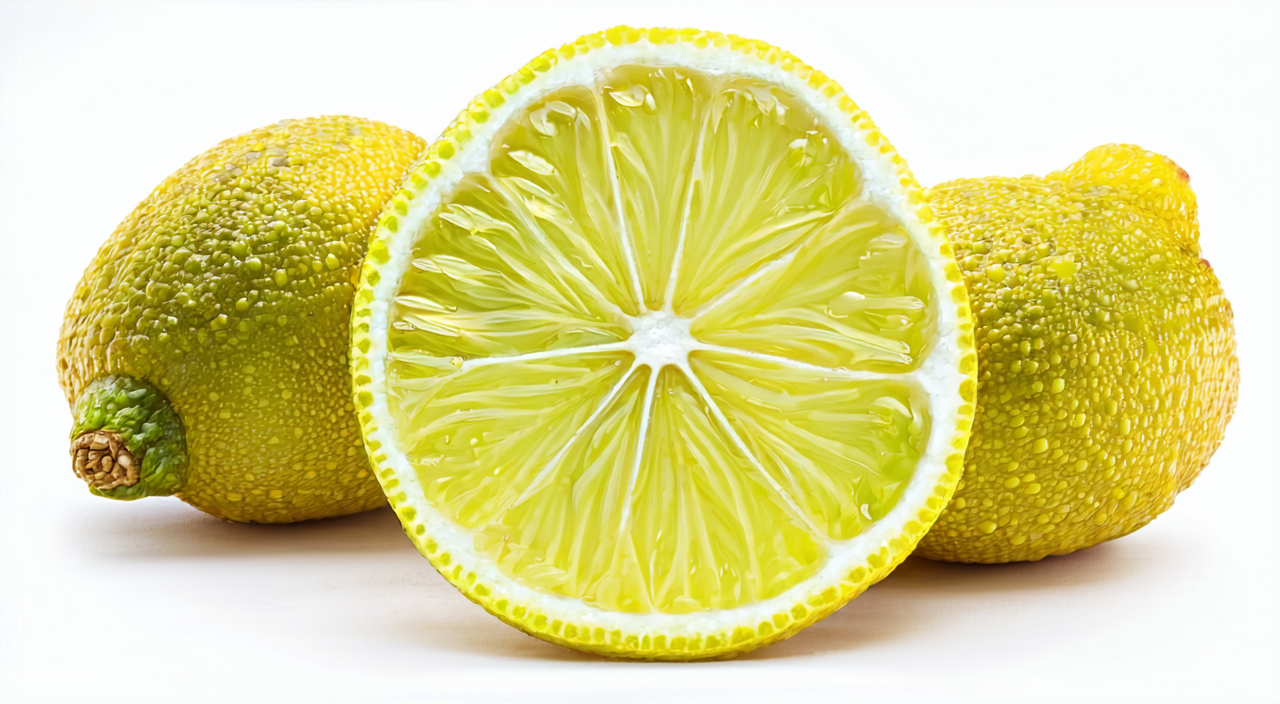
Appearance and Aroma
Fresh citron is a citrus fruit. It is commonly round, oval, or oblong in shape and relatively large, with a surface that is usually yellow, yellowish-green, or greenish-yellow. Its color may vary according to maturity, growing region, and processing method. The peel is generally thick, with fine oil glands visible on the surface. A distinct citrus-like fragrance can usually be detected near the peel.
Medicinal citron is commonly sold as slices or cut pieces. The dried cross-section often shows a yellow or light yellowish-brown outer peel, a relatively thick white spongy inner layer, and a small or indistinct amount of pulp. Slice sizes vary, and the edges may curl slightly inward. The texture is generally firm or somewhat tough. Properly dried citron usually has a natural aromatic fragrance and should not have a pronounced moldy odor, rancid sour smell, or unusually pungent chemical odor.
Color Alone Cannot Determine Quality
When identifying citron, color alone should not be used to draw conclusions. A more yellow color does not necessarily indicate better quality. Excessive bleaching, dyeing, or prolonged storage may alter its appearance. The source information, slice structure, aroma, degree of dryness, and package labeling should all be considered together. Herbal material that has become damp, moldy, insect-damaged, or severely discolored should not be used without professional guidance. Overseas buyers of dried Chinese herbal materials should also pay attention to the product batch, processing information, and local import requirements.
What Is the Medicinal Part of Citron?
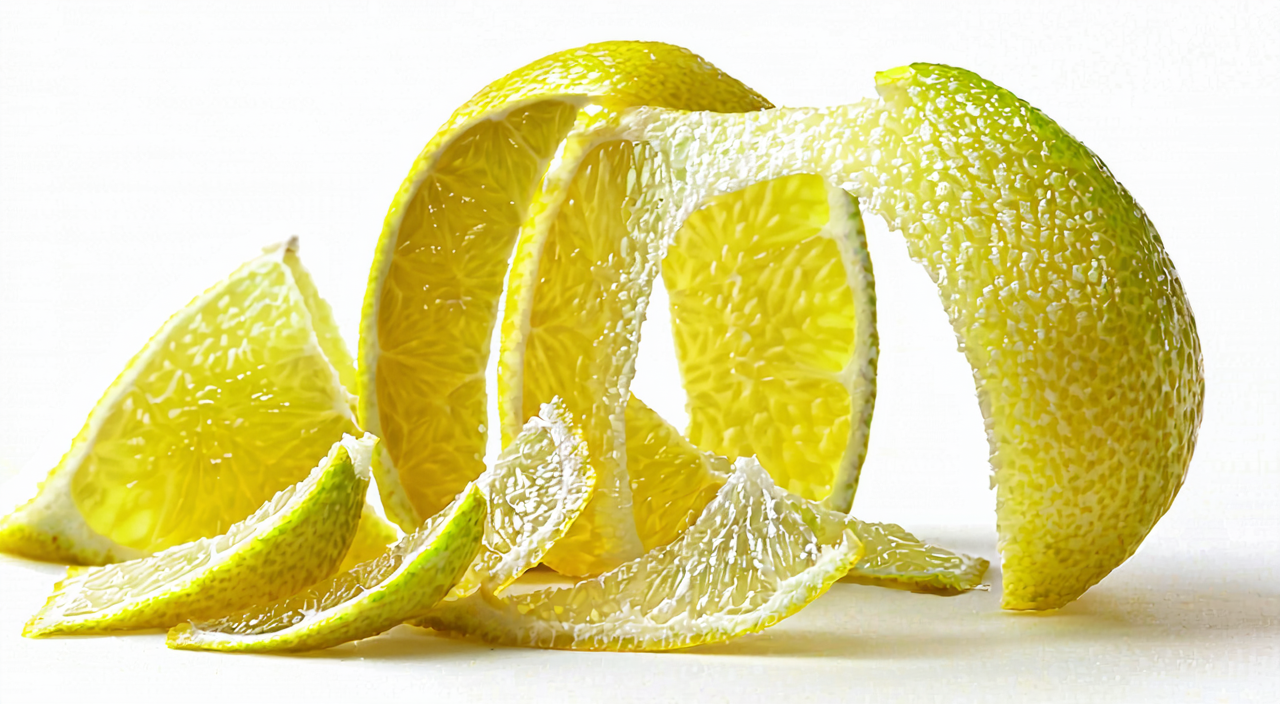
The traditional medicinal part of citron is the mature fruit of Citrus medica or xiangyuan, not the young leaves, flowers, or immature fruit. After harvesting, it is usually sliced and dried, producing the citron slices, citron pieces, and other dried forms commonly found on the market. The peel and the thick white inner layer are generally retained in the slices, so citron does not look exactly the same as herbs made solely from citrus peel.
Processed citron slices should be kept dry and clean and stored in a cool, dry, well-ventilated place. They should be protected from moisture and kept separate from strongly scented items. Specific processing methods and slice specifications may vary by region, pharmacy, or product standard. For compound Chinese patent medicines or herbal tea products, follow the ingredients and directions shown on the product label rather than attempting to identify the herb solely by its appearance.
How Is Citron Understood in Traditional Chinese Medicine?
Traditional Chinese medicine commonly views citron from the perspectives of soothing the Liver and regulating qi, harmonizing the middle and supporting the Stomach, and transforming phlegm. In this context, regulating qi primarily describes the movement of qi according to TCM theory and is not equivalent to a specific disease diagnosis in modern medicine. Because of its aromatic nature, citron has traditionally been included in approaches for symptoms such as a feeling of fullness or discomfort in the chest, ribs, or upper abdomen, poor appetite, and belching. Some sources also discuss its use in combinations for patterns involving phlegm and qi constraint, as well as coughing with abundant phlegm.
It is important to note that traditional Chinese medicine generally considers differences in heat and cold, deficiency and excess, qi and blood, and the condition of the Spleen and Stomach. Abdominal discomfort or coughing may have different causes in different people, and citron is not suitable for every situation. If symptoms persist or recur, or if they are accompanied by significant pain, abnormal breathing, persistent vomiting, black stools, unexplained weight loss, or other concerning signs, consult a doctor promptly rather than relying solely on citron or any other single herb.
What Can Modern Research Tell Us?
Modern research commonly examines Citrus plants in relation to volatile compounds, flavonoids, essential oils, and antioxidant activity. Some studies have investigated extracts of related plants in laboratory or animal experiments. However, experimental findings cannot be directly equated with the actual effects of dried citron slices in humans, nor can they be used to make claims about treating or preventing disease.
The constituents of citron may be affected by its botanical source, maturity, growing region, harvest time, drying method, and storage conditions. The raw materials used in different products may not be identical, so the findings from one experiment should not be automatically applied to all citron products. People who take prescription medicines, are pregnant or breastfeeding, or have chronic medical conditions should explain their circumstances to a doctor, traditional Chinese medicine practitioner, or pharmacist before using products containing citron.
How Does Citron Differ from Fingered Citron and Zhiqiao?
Citron, fingered citron, and zhiqiao may all be discussed in connection with qi-regulating Chinese herbs, but they are not the same medicinal material.
Difference from Fingered Citron
Citron generally comes from the mature fruit of Citrus medica or xiangyuan. Its fruit is usually round, oval, or oblong, and its slices commonly contain a relatively thick white inner layer. Fingered citron comes from the mature fruit of Buddha’s hand citron. Its most recognizable feature is that the top of the fruit is often divided into several finger-like sections, making its fresh appearance clearly different from that of citron. Dried fingered citron may also appear in slices or strips and has a similarly aromatic fragrance, but its slice texture and fruit structure should not be confused with those of citron.
Difference from Zhiqiao
Zhiqiao comes from the immature fruits of sour orange or related cultivated varieties. Traditional commercial products are often sold as hemispherical or nearly round longitudinal slices. The outer peel is commonly greenish-brown, yellowish-brown, or brown, and the texture is relatively firm. Citron, by contrast, uses the mature fruit as its medicinal part. It commonly has a yellow or yellowish-green outer peel, a thick white inner layer, and a different aromatic profile. Since commercial products may vary according to processing, storage, and origin, actual identification should still be based on reliable herbal information.
Which Formulas Contain Citron?
Traditional formulas or patent medicines containing citron are often designed around the principles of regulating qi, harmonizing the middle, and transforming phlegm. Names such as Citron Pill and Citron Powder can be found in traditional sources, and some qi-regulating and middle-harmonizing formulas also include citron as one of their ingredients. Formulas with the same name may differ in composition, dosage, preparation, and directions across classical texts, regions, and manufacturers. Their specific effects should not be inferred from the formula name alone.
Citron Pill generally refers to a pill preparation, while Citron Powder refers to a powdered preparation. In traditional use, they may be intended for different patterns and combination strategies. Whether a product is appropriate depends on the product instructions, the person’s symptoms, constitution, and other medications. If a formula also contains multiple qi-regulating, phlegm-transforming, warming, or drying herbs, people with yin deficiency, dry cough, or a sensitive stomach should exercise particular caution. The presence of citron in a formula name is not a reason to increase the dose, extend the duration of use, or replace proper medical evaluation.
What Precautions Should Be Taken When Using Citron?
First, people with yin deficiency and dry cough or pronounced throat dryness should be cautious with aromatic, relatively drying qi-regulating herbs. Whether such products are appropriate should be determined by a qualified professional based on an individualized TCM assessment. Second, people with excessive stomach acid, reflux, or stomach discomfort should stop self-directed use and consult a doctor if symptoms worsen after consuming or using aromatic citrus materials. Not all stomach discomfort can be simply attributed to constitution, and citron should not replace evaluation for recurrent acid reflux or pain.
People who are allergic to citrus fruits, essential oils, or related plants should read ingredient lists carefully and be especially cautious when trying such products for the first time. If a rash, swelling of the lips, wheezing, or other suspected allergic symptoms occurs, seek medical attention promptly. Pregnant or breastfeeding people, children, older adults, and those taking medications should consult a doctor, pharmacist, or qualified traditional Chinese medicine practitioner before using dried citron, citron tea, or Chinese patent medicines containing citron.
Finally, pay attention to product origin and potential pesticide residues. Fruit-based herbal materials may be affected by growing conditions, pesticide use, harvesting, and processing practices. Choose products with clear information, intact packaging, and appropriate quality testing. Do not use material that is moldy, damp, unusually scented, or from an unknown source. If symptoms are severe, long-lasting, or recurrent—especially when accompanied by marked anxiety, depression, palpitations, chest tightness, persistent vomiting, black stools, or weight loss—seek professional medical evaluation as a priority.
Summary
Understanding what citron is involves three key points. It generally comes from the mature fruit of Citrus medica or xiangyuan and is commonly sliced and dried. Its typical features include a thick white inner layer, a yellow or yellowish-green outer peel, and a natural aromatic fragrance. It differs from fingered citron and zhiqiao in botanical source, fruit shape, and slice characteristics. Citron Pill, Citron Powder, and some qi-regulating and middle-harmonizing formulas represent traditional formulation approaches, but suitability still depends on personal constitution, symptoms, product instructions, and professional advice. This article is provided for educational reference only and cannot replace professional diagnosis or treatment advice.