
What Is Rose Flower? Medicinal Parts, Identification, and Common Formulas
Rose flowers are commonly found in traditional Chinese medicine slices, flower teas, and traditional herbal products. Many people are familiar with ornamental roses but may not know what medicinal rose flower is, which parts of the flower are used medicinally, or whether it is the same as Chinese rose or the flowers used in edible flower teas. Generally speaking, the medicinal material known as rose flower comes from newly opened roses or rose buds, although differences may exist depending on the variety, place of origin, processing method, and intended use. This article introduces the subject from the perspectives of appearance, medicinal parts, traditional applications, and precautions to help readers develop a basic understanding.
What Does Rose Flower Look Like? How Can It Be Identified?
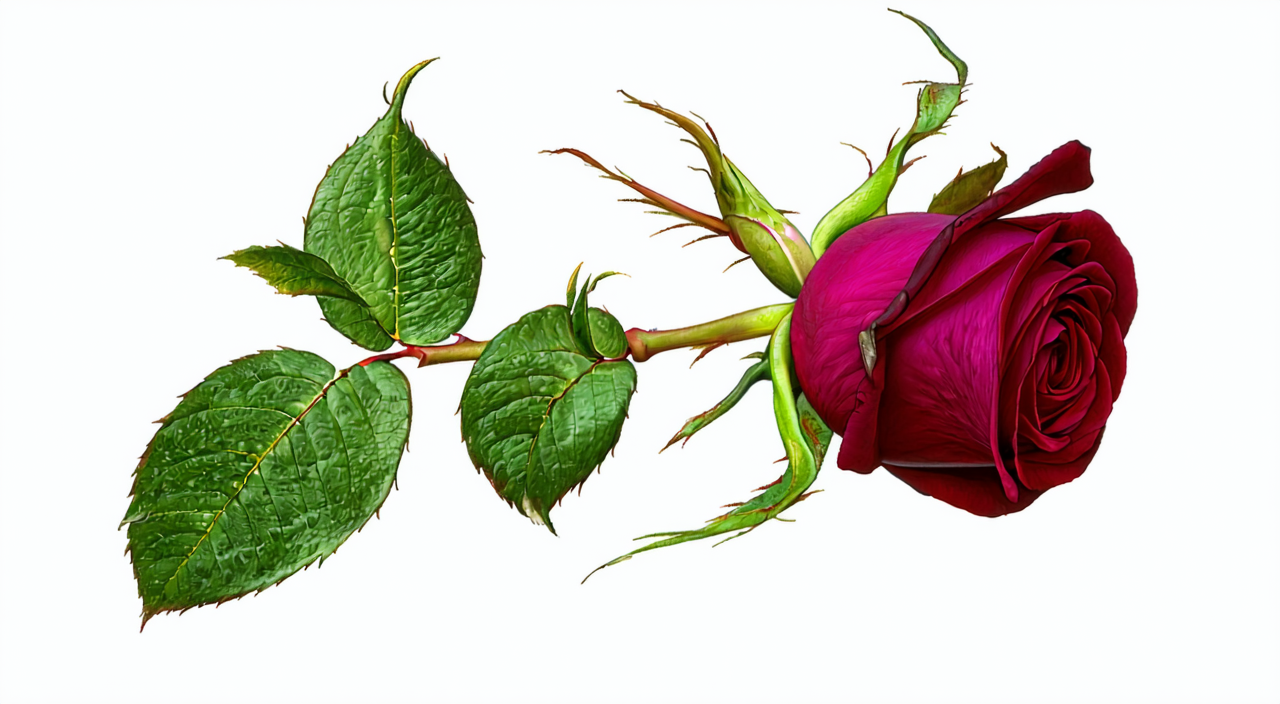
Medicinal rose flowers are often semi-spherical buds, although newly opened flowers may also be seen. The petals are usually purplish-red, red, or dark red. They are layered around one another, relatively thin, and may become somewhat shrunken in color after drying. The base of the flower is attached to a relatively prominent urn-shaped receptacle, with sepals visible around the outside. The sepals are generally green or yellowish-green and have fine structures along their edges.
Fragrance is also a representative feature when identifying rose flower. High-quality dried buds usually have a rich and distinct rose aroma. The scent should not be excessively pungent or have an obvious moldy or rancid odor. The size of the buds, depth of color, and strength of the fragrance can be affected by the variety, harvest time, and drying method, so color alone should not be used for identification.
It is important to note that ornamental roses, horticultural roses, edible flower teas, and traditional Chinese medicine slices do not necessarily meet the same standards. Ornamental plants may have been treated with pesticides or horticultural chemicals, while flowers intended for food must meet relevant food safety requirements. Medicinal materials are also subject to standards concerning their botanical source, harvesting, and processing. If the flowers are to be brewed or used medicinally, first confirm the product labeling, intended use, and source. Flowers purchased from a florist should not be used directly as a substitute for medicinal rose flower.
Which Parts of Rose Flower Are Used Medicinally?
The medicinal parts of rose flower are primarily the flowers or flower buds. Traditionally, they are mostly harvested when the flowers have just begun to open, although some practices involve picking them before the buds have fully opened. After harvesting, the flowers are generally sorted promptly and dried at a suitable low temperature or away from direct light to preserve their color and fragrance as much as possible. The actual processing temperature, drying time, and storage conditions can all affect their appearance and aroma.
In terms of structure, complete medicinal material may contain petals, the receptacle, and sepals. Products consisting mostly of crushed flowers, severely faded material, moisture-damaged clumps, or material with an unusual odor should be identified with caution. During storage, keep the flowers dry and away from light, and avoid storing them next to strongly scented items for long periods. Overseas users should also pay attention to the plant name, intended use, batch information, and compliance details on the packaging to avoid confusing essential oil, edible flower tea, and traditional Chinese medicine slices.
How Does Traditional Chinese Medicine View Rose Flower?
Traditional Chinese medicine commonly understands rose flower from the perspectives of regulating qi, relieving constraint, and harmonizing the blood. Because of its aromatic nature, relevant herbal texts and formula principles often associate it with approaches for regulating qi when its movement is obstructed and addressing patterns involving emotional constraint. It is also traditionally associated with harmonizing the blood, relieving pain, and easing discomfort in the chest and abdomen. These descriptions belong to traditional Chinese medicine theory and traditional usage experience; they do not constitute a modern medical diagnosis or a confirmed treatment conclusion.
In practical use, traditional Chinese medicine practitioners generally do not consider a single herb in isolation. They assess constitution, symptom patterns, the tongue and pulse, and the compatibility of other herbs. For example, people with emotional tension, discomfort in the chest and hypochondriac region, or stomach discomfort may differ in terms of cold and heat, deficiency and excess, or qi and blood patterns, leading to different approaches to care. Therefore, rose flower is not a single solution suitable for every situation. Relevant formulas or proprietary Chinese medicines should be assessed according to the individual’s circumstances.
What Can Modern Research Tell Us?
Modern research has examined the volatile compounds, flavonoids, and other phytochemicals found in plants of the Rosa genus. Research areas include the analysis of aromatic compounds, antioxidant-related indicators, and emotional perceptions. However, experimental studies, animal studies, traditional experience, and actual human use cannot be treated as equivalent. Research findings may also be influenced by factors such as plant variety, extraction method, dosage, and sample size.
Therefore, when a study mentions a particular compound or potential effect of rose flower, it should not be directly interpreted to mean that drinking rose flower tea or taking a related preparation will produce the same result. People who are taking medication, are pregnant, or have chronic diseases should regard modern research information as a way to understand the topic, rather than adjusting medication themselves or replacing professional advice.
What Are the Differences Between Rose Flower, Chinese Rose, and Plum Blossom?
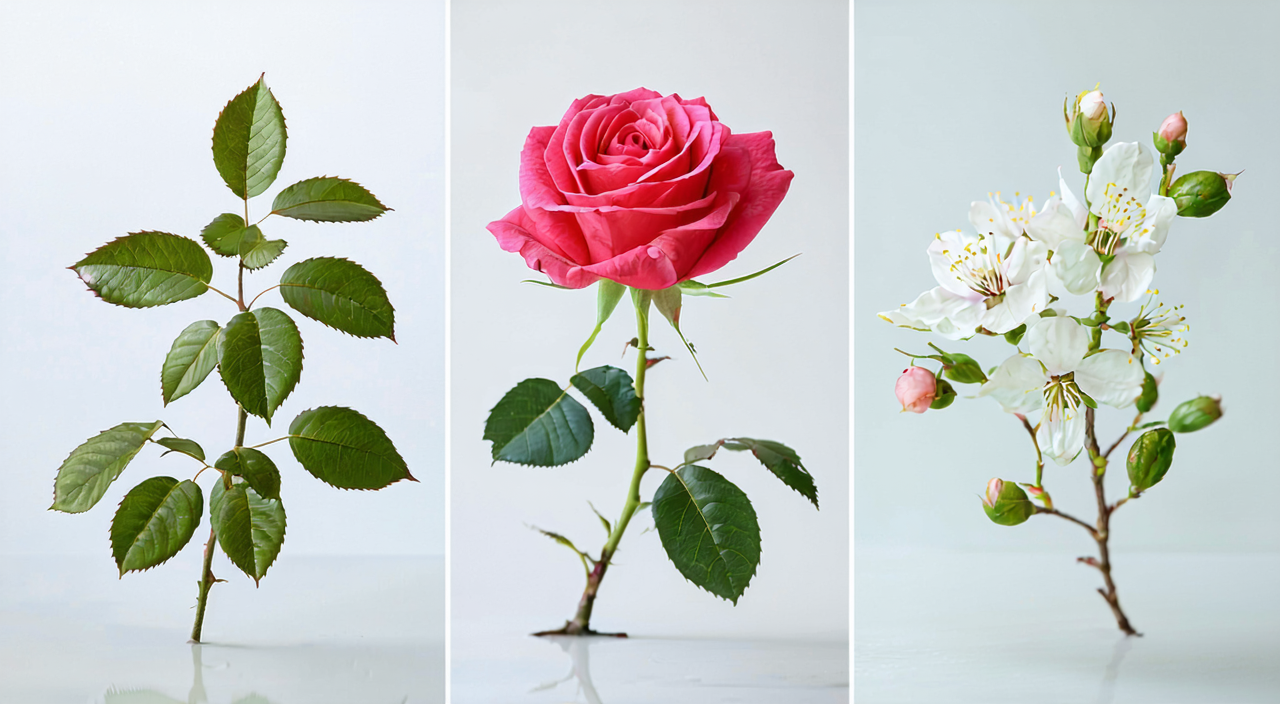
Rose flower and Chinese rose have similar appearances and can easily be confused. Traditional identification of medicinal materials generally involves observing the receptacle, petals, sepals, flower stalk, fragrance, and overall structure together. The receptacle of a rose is often urn-shaped or nearly urn-shaped. Its petals are relatively layered, usually purplish-red or red, and generally have a strong fragrance. Chinese roses come in a wider range of colors, and their flower shapes and receptacle structures also differ. Their fragrance varies according to the variety. Accurate identification is often difficult based solely on a photograph or petal color.
The difference between rose flower and plum blossom is usually more apparent. Plum blossom petals are commonly white, pink, or red, and the flower structure is relatively simple. Its receptacle, flower stalk, and overall fragrance differ from those of rose flower. Rose flower, by contrast, often has multiple layers of petals and a clearly urn-shaped receptacle. Its appearance may change after drying. When medicinal material identification is required, it is best to refer to reliable packaging information or consult a professional rather than relying only on the name or fragrance.
Which Traditional Formulas Contain Rose Flower?
Traditional applications include preparations such as Rose Flower Pills and Rose Flower Paste, which use rose flower as a primary name or formulation direction. Some formulas traditionally used to soothe the liver and harmonize the stomach may also include rose flower according to their compatibility principles. The ingredients, dosage forms, directions, dosages, and suitable users of different products are not the same. Even products with similar names should not be assumed to have exactly the same uses.
These formulas or proprietary Chinese medicines are often used within traditional approaches to care for related concerns, but their suitability should still be assessed according to personal constitution, symptoms, product instructions, and professional advice. In particular, if discomfort persists for a long time or recurs frequently, or is accompanied by marked anxiety, depression, palpitations, chest tightness, pain, abnormal breathing, persistent vomiting, black stools, or weight loss, do not rely solely on flower tea or purchase formulas for self-treatment. Consult a doctor or a qualified traditional Chinese medicine practitioner promptly.
What Precautions Should Be Taken When Using Rose Flower?

First, people who are pregnant, preparing for pregnancy, or experiencing heavy menstrual bleeding should consult a professional before using rose flower slices or related preparations. Avoid drinking them regularly for long periods based solely on information found online. People who are taking medication, have a tendency to bleed, or have chronic diseases should also disclose these circumstances so they can be assessed comprehensively.
Second, people who are allergic to pollen, fragrances, or plants in the rose family should stop using or drinking rose flower if they develop a rash, itching, throat discomfort, wheezing, or other symptoms after contact or consumption. Seek medical help according to the severity of the symptoms. Pay particular attention to personal reactions when trying it for the first time, and do not overlook the possibility of an allergy simply because the product is plant-based.
Third, edible flower tea requires attention to its source, processing, and pesticide residue information. Do not brew and drink ornamental flowers that have not been processed according to food standards or flowers from unidentified bulk sources. When purchasing packaged products, check the ingredients, production information, storage instructions, and consumption guidance. Rose essential oil is a highly concentrated aromatic product and cannot be treated as equivalent to rose flower tea. It should not be taken orally without professional guidance, and applying it directly over large areas of skin is not recommended. If severe or persistent discomfort occurs, consult a doctor or other professional promptly.
Summary
Understanding what rose flower is depends on confirming its botanical source, medicinal parts, and processing purpose. Traditional Chinese medicine commonly views rose flower from the perspectives of regulating qi through its fragrance, relieving constraint, and harmonizing the blood. However, it cannot be substituted for Chinese rose, plum blossom, or ordinary ornamental flowers based on the name alone. When considering Rose Flower Pills, Rose Flower Paste, or formulas traditionally used to soothe the liver and harmonize the stomach, assess the product instructions, personal circumstances, and professional advice together. This article is provided for general educational reference only and cannot replace professional diagnosis or treatment advice.