
What Is Sandalwood? Medicinal Parts, Identification, and Common Formulas
What is sandalwood? For many overseas Chinese readers, sandalwood may refer to wood slices found in a traditional Chinese medicine cabinet, or to an ingredient used in fragrances, incense sticks, or essential oils. Different uses involve different processing methods, applications, and precautions. In traditional Chinese medicine, sandalwood generally refers to the dried heartwood of the sandalwood tree and should not simply be equated with every product that has a sandalwood scent. The following sections introduce its appearance, medicinal part, traditional Chinese medicine perspective, common formulas, and precautions.
What Does Sandalwood Look Like? How Can It Be Identified?
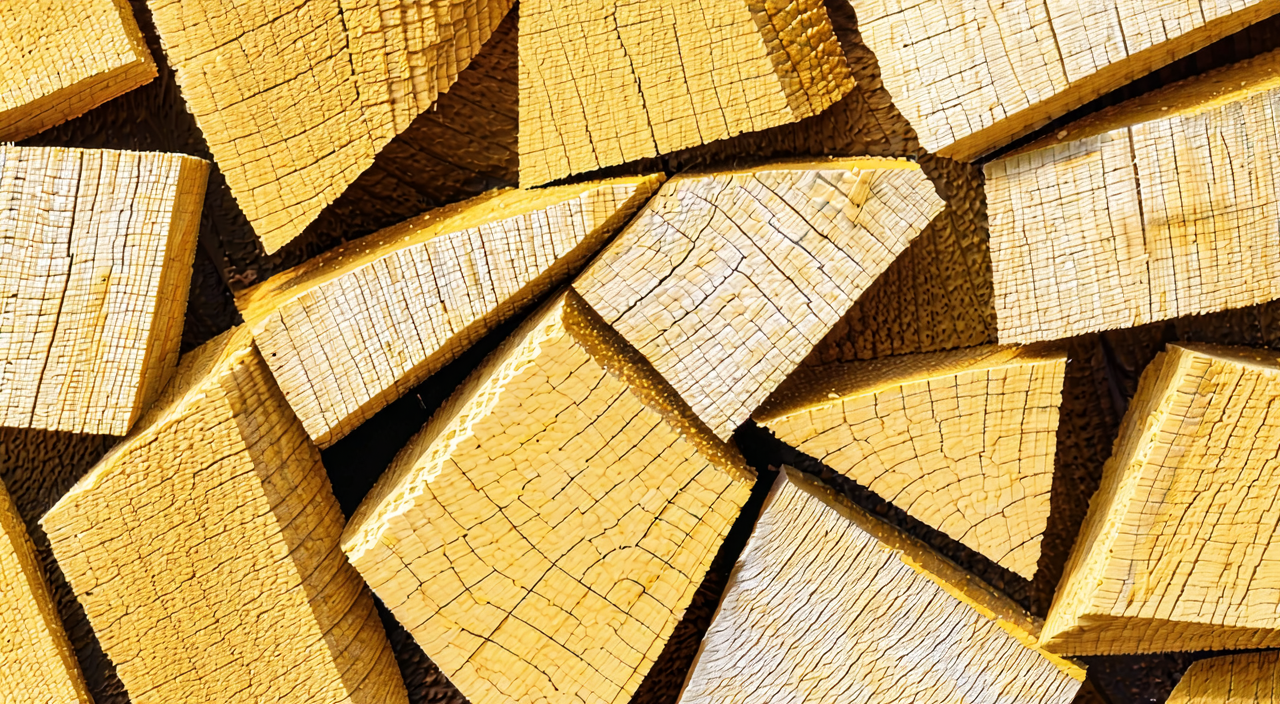
Appearance and Scent Characteristics
Medicinal sandalwood is commonly found in irregular slices, strips, or blocks. Its size and thickness vary according to how it has been cut. The color is usually yellowish-brown to brownish-yellow. When the cut surface is relatively smooth, fine wood grain can be seen. The texture is fairly dense and may feel somewhat oily, although color and luster can vary according to the source, part of the tree, and storage time.
The most distinctive identifying feature of sandalwood is its scent. It is generally warm, sweet, and distinctly woody, with a degree of persistence. The aroma may be clearer when a fresh cut surface is scraped or broken. After prolonged storage, exposure to moisture, or the loss of volatile compounds, the scent may become weaker. Scent alone is not a reliable way to identify sandalwood; its source, shape, cut surface, and packaging information should also be considered.
How It Differs from Incense Products
Sandalwood incense sticks, coil incense, incense powder, essential oils, and aromatherapy products sold on the market may contain sandalwood, but they may also include other wood powders, plant powders, or fragrance ingredients. Their main purpose is to provide a fragrance or be used in a space, and they are not equivalent to traditional Chinese medicine slices intended for decoction or herbal combination. When purchasing or identifying these products, check the product category, ingredient information, processing method, and directions for use. Incense products should not be used directly as medicinal materials.
What Is the Medicinal Part of Sandalwood?
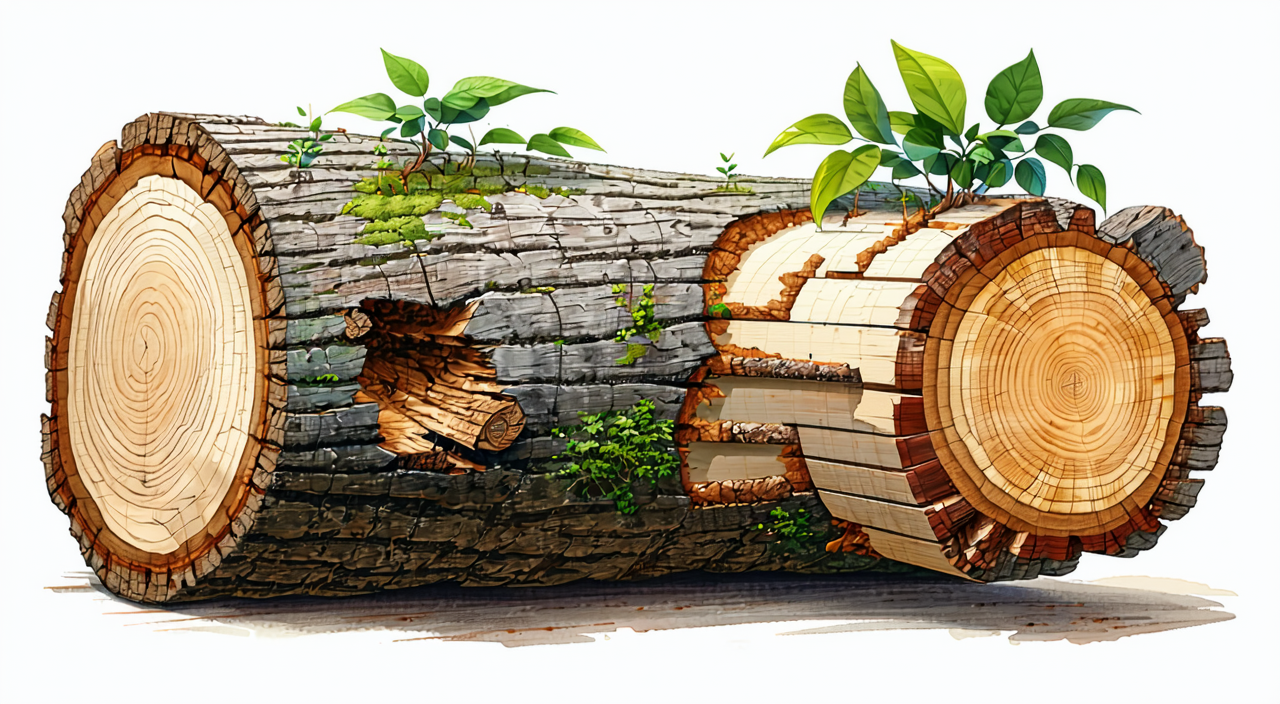
In traditional medicinal use, sandalwood mainly refers to the heartwood that remains after the outer sapwood of the sandalwood tree has been removed. It is dried and cut into pieces. The heartwood is located inside the trunk, and its color, density, and scent generally differ from those of the surrounding sapwood. Therefore, the “medicinal part of sandalwood” usually specifically means the processed heartwood, rather than an entire section of the trunk or every sandalwood product.
As a medicinal material, sandalwood may appear in slices, strips, or blocks. In practical use, the material’s source, specifications, cleanliness, and storage conditions are all important. Sandalwood contains volatile aromatic compounds, and prolonged exposure to high temperatures, sunlight, or air may gradually weaken its scent. When used as a traditional Chinese medicinal material, it should be stored and used according to the advice of a reputable pharmacy or qualified professional. Quality should not be judged solely by appearance.
Three concepts should also be distinguished: sandalwood slices used in traditional herbal combinations, sandalwood used to make incense tools, and sandalwood essential oil used for aromatherapy. Their concentrations, processing methods, and applications differ, so they cannot be substituted for one another.
How Does Traditional Chinese Medicine Understand Sandalwood?
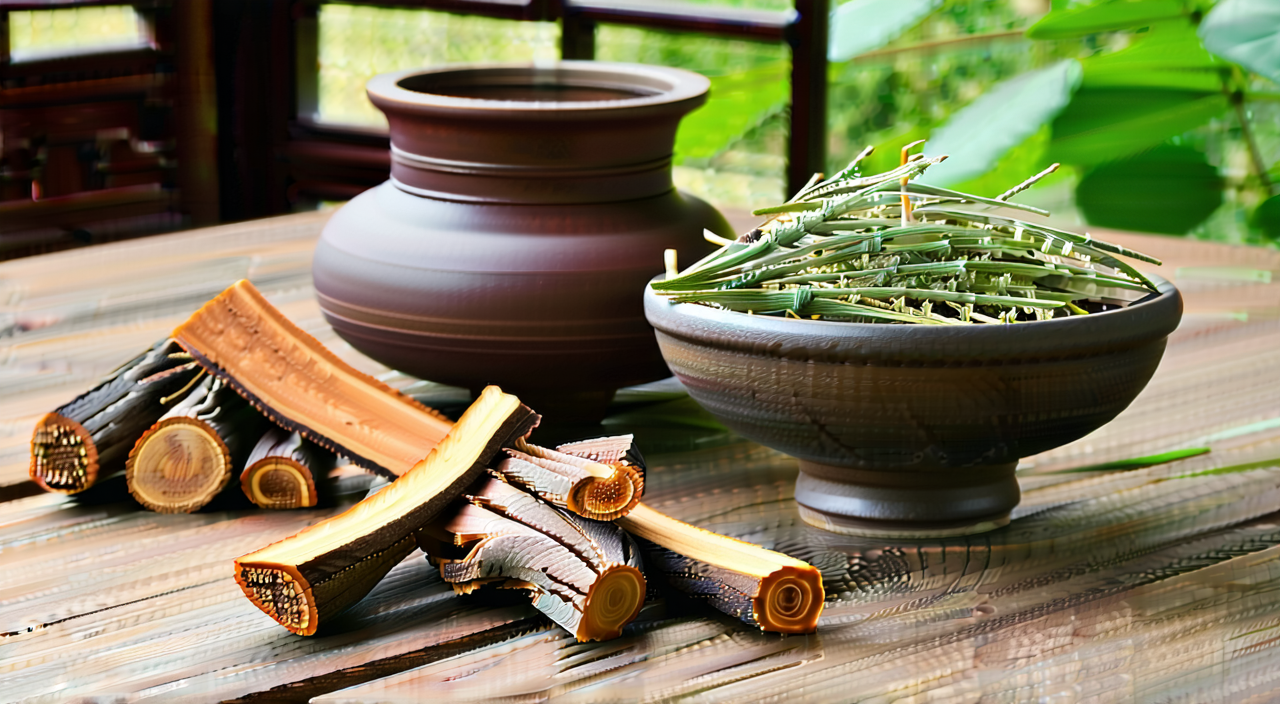
Traditional Chinese medicine commonly understands sandalwood in terms of “promoting the movement of qi, warming the middle, stimulating the appetite, and relieving pain.” Sandalwood is aromatic, and traditional theory holds that aromatic medicinal materials may help promote the movement of qi. Its warming nature is also commonly considered in approaches related to cold accumulation and qi stagnation. In some traditional combinations, sandalwood is used together with herbs associated with regulating qi, invigorating blood, or warming the middle, particularly when considering manifestations such as impaired qi movement in the chest or abdomen and discomfort in the epigastric region.
“Relieving pain” here describes a function in traditional Chinese medicine theory and traditional use. It does not represent a diagnosis or treatment promise for any specific disease. People with chest pain, persistent abdominal pain, or significant stomach pain, especially when accompanied by abnormal breathing, sweating, vomiting, black stools, or other symptoms, should not rely solely on fragrance or self-administer formulas containing sandalwood. They should consult a doctor or qualified professional as soon as possible.
Traditional use of sandalwood generally emphasizes herbal combinations and individual constitution. People who tend toward dryness and heat, experience dry mouth or throat, or show signs associated with yin deficiency and excessive internal heat should be assessed carefully before use. The amount of sandalwood in a formula, its processing method, and its combination with other herbs can also affect the overall therapeutic approach. The traditional functions of a single herb should therefore not be applied directly to everyone.
How Can Modern Research Be Understood?
Modern research commonly examines sandalwood and its extracts from the perspectives of volatile compounds, aroma molecules, antioxidant-related indicators, or experimental models. Such studies can help clarify sandalwood’s chemical composition and the sources of its scent. However, laboratory findings, animal studies, or personal experiences with fragrance cannot be directly equated with confirmed therapeutic effects in humans.
The scent of sandalwood is often used in aromatherapy, meditation, and the creation of a particular atmosphere. People can respond very differently to the same scent, and excessively high concentrations may cause dizziness, nausea, or respiratory discomfort. Essential oils require particular attention to dilution, ventilation, and the method of contact. They should not be taken orally or applied directly to damaged skin. Readers interested in modern research should consider the study subject, dosage, and scope of the evidence, rather than treating promotional language as a medical conclusion.
What Is the Difference Between Sandalwood, Agarwood, and Dalbergia Odorifera Heartwood?
Sandalwood, agarwood, and Dalbergia odorifera heartwood may all appear as wood or wood slices, but they come from different sources and are formed through different processes. Sandalwood mainly uses the heartwood of the sandalwood tree. Its wood is relatively uniform, its color is generally yellowish-brown to brownish-yellow, and its scent is warm, sweet, and persistent. Agarwood is resin-containing wood formed when certain plants in the Thymelaeaceae family are damaged. It commonly has contrasting light and dark grain, and its scent is more complex and strongly influenced by its resin content.
Dalbergia odorifera heartwood generally refers to the heartwood of Dalbergia odorifera and related materials. Traditional medicinal material is often reddish-brown or purplish reddish-brown, and its grain and scent differ from those of sandalwood. In simple terms, the main differences among the three can be considered by examining their botanical sources, whether they contain distinctive resins, the color of the heartwood, grain density, and scent characteristics.
It is important to note that color and scent can be affected by origin, storage, slicing, and processing, so no single feature is sufficient for identification. In particular, names used in the fragrance market may not correspond exactly to names used for traditional Chinese medicinal materials. Identification should therefore be guided by formal labeling and professional appraisal.
Which Traditional Formulas Contain Sandalwood?
In traditional formulas and patent medicines, sandalwood often appears as an aromatic herb used to promote the movement of qi. The following information is provided only to explain traditional combination principles and does not mean that individuals can select formulas for themselves.
Danshen Decoction
Danshen Decoction is a traditional formula frequently mentioned in relation to combinations commonly understood from the perspective of chest and abdominal discomfort associated with qi stagnation and blood stasis. Sandalwood reflects the formula’s aromatic qi-moving approach. Whether it is appropriate depends on the symptoms, individual constitution, and professional pattern differentiation.
Suhexiang Wan and Guanxin Suhe Wan
Suhexiang Wan and Guanxin Suhe Wan are names of traditional Chinese patent medicines. Their formulation principles involve approaches such as using aromatic substances to open the orifices and regulate qi. Products may differ according to the manufacturer, specifications, and package instructions, so the official product information should be checked before use. If sudden chest pain, chest tightness, difficulty breathing, fainting, or similar symptoms occur, seek emergency medical assistance first rather than relying on self-administered patent medicine.
Sandalwood Powder
Sandalwood Powder is named after sandalwood and is traditionally understood from the perspective of promoting the movement of qi, harmonizing the stomach, and easing discomfort associated with qi stagnation. The ingredients recorded in classical texts, modern preparations, and formulas used by different schools may vary. Its specific use therefore cannot be inferred from the formula name alone. Children, older adults, pregnant people, and those taking other medications should consult a qualified professional first.
What Precautions Should Be Taken When Using Sandalwood?
First, people with yin deficiency and excessive internal heat, a tendency toward dry mouth or throat, tidal fever, or other signs of dryness and heat should have their constitution assessed before using formulas containing sandalwood. Pregnant or breastfeeding people, children, older adults, and those with chronic diseases or taking medication should not use it on their own for extended periods. They should consider the advice of a doctor or qualified traditional Chinese medicine practitioner.
Second, oral use of the medicinal material differs from burning incense or applying essential oil externally. Keep the area ventilated when burning incense, and avoid inhaling smoke for long periods in an enclosed space. People with asthma, allergic rhinitis, or other respiratory sensitivities should be cautious. Essential oils must be diluted according to the product instructions. If redness, itching, stinging, dizziness, or breathing discomfort occurs, stop using the product immediately and seek help as appropriate.
Third, sandalwood also raises issues concerning resource sustainability. When choosing medicinal materials, incense tools, or essential oils, consider the botanical source, legal harvesting, supply-chain transparency, and sustainability certification. Avoid products of unknown origin or those suspected of contributing to the destruction of wild resources. Reputable channels, clear labeling, and reasonable amounts are more important than simply pursuing a stronger scent.
If related discomfort is severe, persistent, or recurrent, or if it is accompanied by marked anxiety, depression, palpitations, chest tightness, pain, abnormal breathing, severe abdominal pain, persistent vomiting, black stools, unexplained weight loss, or other symptoms, consult a doctor or qualified professional promptly. This article is intended only as educational information about traditional Chinese medicinal materials and cannot replace professional diagnosis or treatment advice.
Summary
Sandalwood generally refers to the dried heartwood obtained after the sapwood of the sandalwood tree has been removed. Common features include irregular slices or blocks, a yellowish-brown to brownish-yellow color, fine grain, a somewhat oily texture, and a persistent fragrance. It is not the same medicinal material as agarwood, which forms through resin accumulation, or Dalbergia odorifera heartwood. Formulas containing sandalwood should be considered in light of individual constitution, symptoms, product instructions, and professional advice. This article is for educational reference only; people with persistent or significant discomfort should consult a qualified professional promptly.