
What Is Sophora Fruit? Medicinal Parts, Identification, and Common Formulas
What is Sophora fruit? Simply put, Sophora fruit is the mature fruit of the legume species Sophora japonica. Like Sophora flowers and Sophora flower buds, it comes from the Sophora tree, but its medicinal part and traditional applications are different. When learning about Chinese medicinal herbs, many people confuse Sophora fruit with Sophora flowers or mistake it for cassia seeds because of their somewhat similar appearance. The following sections introduce its appearance, medicinal part, traditional Chinese medicine perspectives, common formulas, and usage precautions to help overseas readers of Chinese medicine information make a basic identification.
What Does Sophora Fruit Look Like?

Bead-Like Pods Are the Main Feature
Sophora fruit usually refers to the mature pods of the Sophora tree. It is not a round fruit but a slender, slightly curved pod. The surface often has constrictions at regular intervals, making it look like a string of beads. This is an important identifying feature. Depending on the degree of maturity, place of origin, and drying method, its color may gradually change from yellow-green or yellow-brown to brown or dark brown.
Sophora fruit is generally firm, and the outer skin may appear slightly shriveled. When broken or cut open, the pulp and seeds inside can be seen. The pulp usually has a certain degree of stickiness and may retain a moist, adhesive texture after drying. The seeds inside the pod are mostly kidney-shaped or nearly kidney-shaped, with colors ranging from yellow-brown to black-brown. Identification should consider the pod shape, color, internal seeds, and aroma together rather than relying on a single feature.
Points to Note When Distinguishing Similar Herbs
Commercial medicinal materials may be cut into sections, flattened, or dried to different degrees, so their appearance may differ from that of fresh mature fruit. If the material has an unusually bright color, shows signs of moisture or mold, has an obvious abnormal odor, or lacks clear source and labeling information, it should not be identified solely by comparing online images. Accurate identification of Chinese medicinal materials generally requires information about the plant source, physical characteristics, microscopic features, and quality testing.
What Is the Medicinal Part of Sophora Fruit?
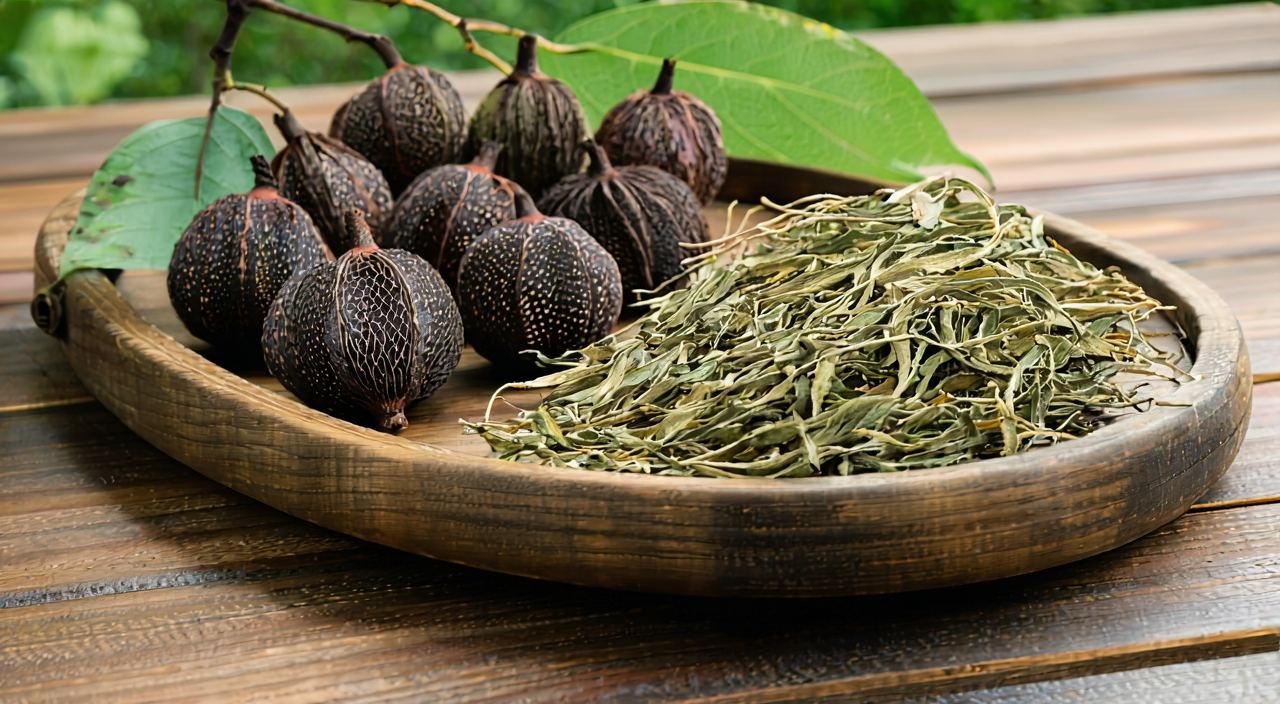
The medicinal part of Sophora fruit is the mature fruit of the Sophora tree. It is usually harvested after the fruit matures and changes color, followed by processes such as removing impurities and drying. Its primary difference from Sophora flowers and Sophora flower buds lies in the harvesting period and medicinal part: Sophora fruit refers to the mature fruit, Sophora flowers generally refer to opened flowers, and Sophora flower buds usually refer to unopened buds or the flower buds in an inflorescence.
In traditional herbal literature and the context of prepared Chinese medicinal slices, Sophora fruit may appear as whole pods or as cut medicinal pieces. The actual commercial product may have a different appearance depending on processing, slicing, and packaging methods. When choosing the product, pay attention to its reputable source, name and labeling, place of origin, degree of dryness, and storage conditions. Herbal materials exposed to moisture can discolor, develop mold, or change in odor. They are generally stored in a dry, dark, well-ventilated place and kept separate from strongly scented items.
How Does Traditional Chinese Medicine Understand Sophora Fruit?
Traditional Chinese medicine commonly understands Sophora fruit from the perspectives of clearing heat, purging fire, cooling the blood, and stopping bleeding. In this context, “heat” and “blood heat” are pattern concepts in traditional Chinese medicine and do not correspond directly to a specific disease or measurement in modern medicine. Sophora fruit may be included as part of a formula for traditional approaches related to bleeding, bloody stool, or hemorrhoids, but whether it is appropriate depends on the cause of the bleeding, symptoms, constitution, and an overall pattern assessment.
Traditional applications of Sophora fruit may also involve descriptions such as liver fire and red eyes. However, eye discomfort, recurrent bleeding, or long-term changes in bowel movements may have many possible causes. Using a herb described as “clearing heat” should not delay medical evaluation. Bloody stool in particular may result from a local anal problem or from other digestive tract conditions, so the specific cause should first be clarified.
How to Understand Traditional Efficacy Descriptions
The nature, flavor, meridian associations, and effects of Chinese medicinal materials are summarized within the theoretical system of traditional medicine. When reading information about herbs, these descriptions should be treated as references for understanding traditional formulation and usage principles, rather than equating them directly with modern medical effects. Formulas or patent medicines related to Sophora fruit may provide directions for further learning, but actual use should be assessed comprehensively according to the product instructions, individual circumstances, and advice from qualified professionals.
What Areas Does Modern Research Explore?
Modern research has examined flavonoids, triterpenes, saponins, and other compounds found in Sophora plants. Some studies have explored areas such as antioxidant activity, inflammatory responses, and vascular-related activity. This research helps improve understanding of the chemical composition and possible biological effects of Sophora herbs, but laboratory and animal studies may not directly reflect actual use in humans.
Therefore, a study of a particular compound cannot by itself establish that Sophora fruit has a definite effect on a specific disease, and research findings should not replace clinical diagnosis. People with long-term bleeding, chronic digestive symptoms, or current use of anticoagulant or antiplatelet medicines should consult a doctor or pharmacist before use and avoid combining herbs or formulas with potentially overlapping effects on their own.
What Is the Difference Between Sophora Fruit, Sophora Flowers, and Cassia Seeds?
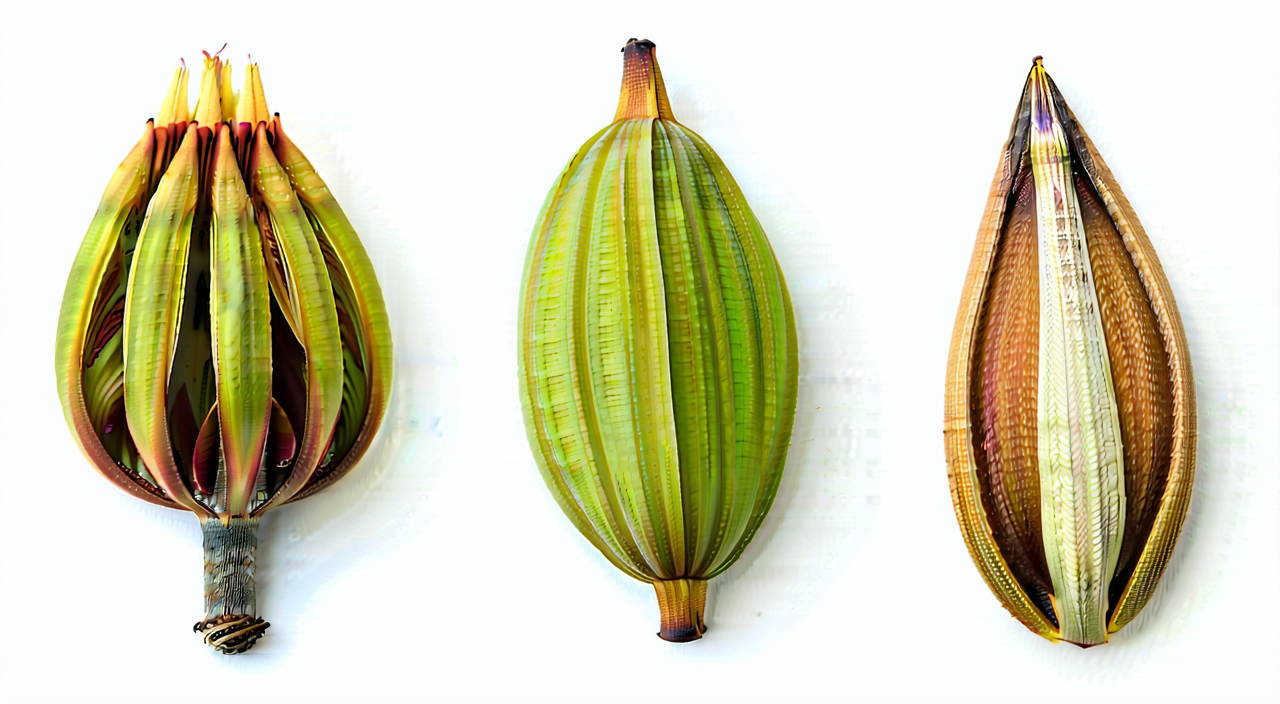
Although Sophora fruit, Sophora flowers, and cassia seeds may all be mentioned in discussions of traditional Chinese medicine approaches related to clearing heat, improving vision, or stopping bleeding, they come from different sources and medicinal parts.
| Herb | Plant Source or Part | Common Appearance | Traditional Perspective |
|---|---|---|---|
| Sophora fruit | Mature fruit of the Sophora tree | Bead-like pods containing kidney-shaped seeds | Commonly understood from the perspectives of clearing heat, purging fire, cooling the blood, and stopping bleeding |
| Sophora flowers or flower buds | Flowers or flower buds of the Sophora tree | Flowers or granular flower buds, usually yellow-white to yellow-brown | Commonly understood from the perspectives of cooling the blood, stopping bleeding, and clearing liver heat |
| Cassia seeds | Mature seeds of Cassia obtusifolia or Cassia tora | Mostly rhomboid or short cylindrical seeds with a glossy surface | Commonly understood from the perspectives of clearing liver heat, improving vision, and moistening the intestines to relieve constipation |
In terms of medicinal parts, Sophora fruit uses the fruit, Sophora flowers use the flowers or flower buds, and cassia seeds use the seeds. In terms of appearance, Sophora fruit has a distinct segmented pod structure, while cassia seeds are individual seeds and generally do not form a bead-like string. These three herbs should not be substituted for one another merely because their traditional descriptions appear similar. Actual dispensing and use should be based on the herb name, quality standards, and professional judgment.
Which Formulas Contain Sophora Fruit?
Huai Jiao Wan
Huai Jiao Wan is one of the names of traditional patent medicines or formulas containing Sophora fruit. Common ingredients may include Sanguisorba root, Scutellaria root, immature bitter orange, Saposhnikovia root, and Angelica root, although the composition may vary between manufacturers, dosage forms, and product standards. Traditionally, it is often used in approaches related to bloody stool or hemorrhoids associated with wind-heat, damp-heat, or blood heat. Whether it is suitable for an individual cannot be determined solely from the symptom name. The color of the blood, bowel movements, duration of symptoms, and constitution should also be considered, and the product should be used according to its instructions.
Huai Hua San
Huai Hua San uses Sophora flowers as one of its principal herbs. Common ingredients include Schizonepeta spikes, immature bitter orange, and Platycladus leaf. It is not the same formula as Huai Jiao Wan, and its medicinal part and formulation principles are also different. Traditionally, it is understood from the perspectives of cooling the blood, stopping bleeding, dispelling wind, and regulating qi downward. Anyone seeking information about Huai Hua San should first distinguish whether Sophora flowers or Sophora fruit are being used and should check the composition and directions of the specific preparation.
Variations of Zang Lian Wan
Zang Lian Wan is the name of a traditional formula. Some approaches involving modifications may adjust the ingredients according to signs such as damp-heat, bloody stool, or abdominal discomfort. Its specific composition should not be applied without professional guidance. Differences may exist among historical texts, medical schools, and preparations. Therefore, a formula that contains Sophora fruit is not automatically suitable for everyone. People with recurrent bloody stool, abdominal pain, diarrhea, or changes in bowel habits should first determine the cause and then consult a qualified professional about whether a traditional Chinese medicine approach is appropriate.
What Precautions Should Be Taken When Using Sophora Fruit?
Sophora fruit is a traditional Chinese medicinal material. Before use, confirm the identity, source, and condition of the herb. People with a cold or weak digestive system who are prone to loose stools or diarrhea should generally be more cautious with related formulas that have a clearing, descending, bitter, or cold tendency. Those with low blood pressure or dizziness, as well as people taking blood pressure medication, should inform a doctor or pharmacist first and should not take it long term or increase the dosage without guidance.
People who are pregnant or breastfeeding, children, older adults, and those with chronic liver or kidney disease should seek professional advice before using Sophora fruit or products containing it. Anyone taking anticoagulants, antiplatelet medicines, blood pressure medication, or other long-term prescription drugs should also proactively check for possible interactions. If diarrhea, stomach discomfort, skin rash, dizziness, or other unusual reactions occur, stop self-use and seek professional advice promptly.
Bloody stool requires particular attention. If it persists or recurs, or occurs together with significant abdominal pain, persistent vomiting, black stool, weight loss, fatigue, palpitations, chest tightness, or abnormal breathing, consult a doctor promptly and undergo any necessary examinations. Do not automatically attribute bloody stool to hemorrhoids, and do not use Sophora fruit formulas as a substitute for identifying the underlying cause. This article is provided for educational reference about traditional Chinese medicine and cannot replace professional diagnosis or treatment advice.
Summary
Sophora fruit is the mature fruit of the Sophora tree. Key identification features include bead-like pods, a yellow-green to brown appearance, somewhat sticky pulp, and kidney-shaped seeds. Sophora flowers use the flowers or flower buds, while cassia seeds use the seeds; the three are different medicinal materials. Formulas related to Sophora fruit belong to traditional approaches and should be used only after considering constitution, symptoms, product instructions, and professional advice. Persistent or recurrent bloody stool should be medically evaluated to identify the underlying cause first.