
What Is Dan Zhu Ye? Its Medicinal Parts, Identification, and Common Formulas
When many people first see Dan Zhu Ye, they assume it is simply an ordinary leaf picked from a bamboo plant. In fact, Dan Zhu Ye used in traditional Chinese medicine has a relatively specific botanical source, medicinal parts, and processing method. The bamboo leaf mentioned in a prescription may not necessarily be the same as the bamboo leaves seen in everyday life. Understanding what Dan Zhu Ye is can help distinguish medicinal names, plant characteristics, and the context of traditional formulas, while reducing confusion during self-identification and use.
Dan Zhu Ye used in traditional Chinese medicine is generally derived from the dried stems and leaves of the Dan Zhu Ye plant. The material is usually harvested, sorted, cut into sections, and dried before use. Dan Zhu Ye, Zhu Ye mentioned in prescriptions, and the bamboo leaves found in gardens or bamboo groves may have similar names but differ in source, specifications, and applications. The information below is provided for educational purposes regarding Chinese medicinal materials and cannot replace individualized advice from a physician or a licensed traditional Chinese medicine practitioner.
What Does Dan Zhu Ye Look Like? How Can It Be Identified?
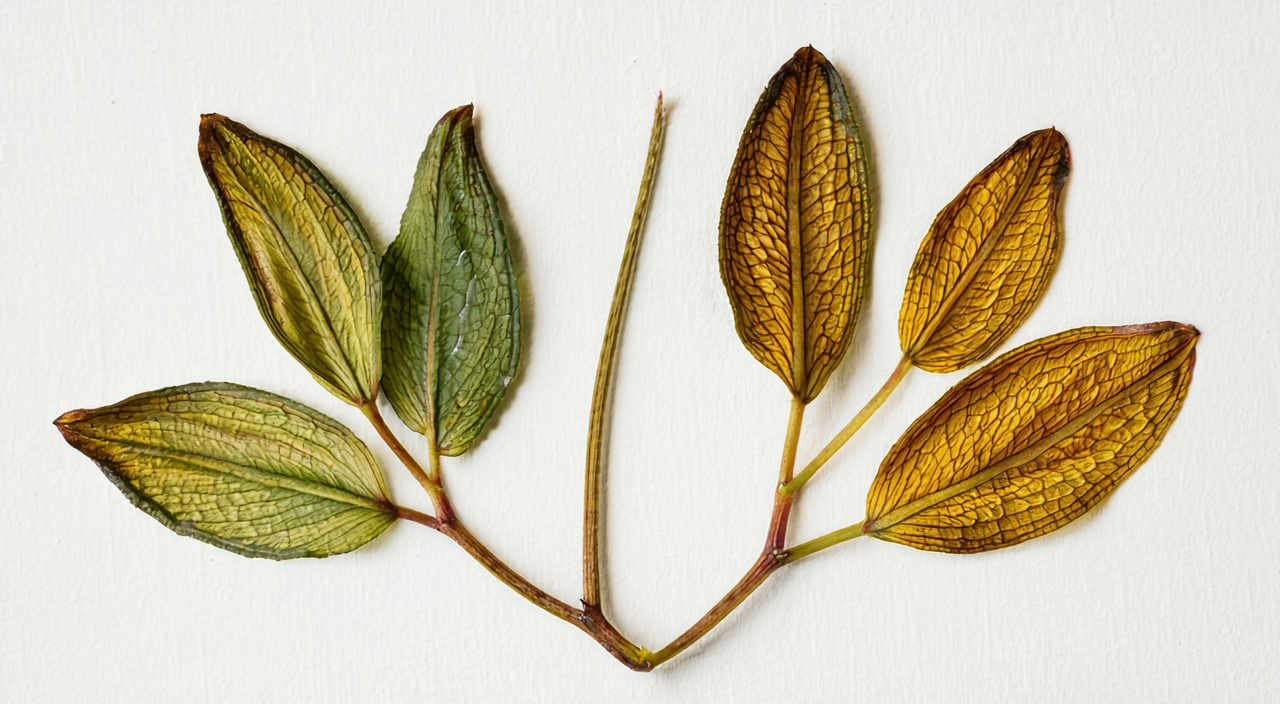
Leaf Shape and Vein Characteristics
The leaves of Dan Zhu Ye are usually lanceolate and relatively narrow and elongated, with gradually tapering tips. They are generally yellow-green or green and may become lighter after drying. Clearly visible parallel veins can be seen on the leaf surface, which is one of the common appearance characteristics of leaves from the grass family. The leaves are relatively thin and light, and may curl, break, or become fragmented after drying.
When examining the material, first observe the overall outline of the leaves, followed by the direction of the veins. Dan Zhu Ye is not a broad, thick-leaved medicinal material, and its identity should not be judged by color alone. Color may vary within the same batch depending on the harvesting period, degree of drying, storage conditions, and cutting method. Therefore, appearance can only serve as an initial identification clue.
Stems, Nodes, and Cut Medicinal Fragments
Dan Zhu Ye commonly contains slender, cylindrical stem sections with relatively smooth surfaces. Their color is usually yellow-green, pale yellow, or light brown. Nodes can be observed along the stems, and the node areas generally differ slightly from the internodes. After cutting and drying, commercial medicinal material often consists of leaves, slender stems, node sections, and a small amount of debris, so its original form may not remain intact.
If the material consists only of large quantities of individual leaves, or if there are no stems or nodes at all, this alone cannot confirm that it is Dan Zhu Ye. Conversely, dried fragments containing stems and leaves cannot be reliably authenticated by visual inspection alone. For formal use, also consult the medicinal-material label, origin information, identification standards, and the supplier’s quality documentation. When purchasing or making inquiries overseas, use the standardized medicinal name and avoid directly substituting ornamental bamboo leaves, fresh bamboo leaves, or other similar plants.
What Are the Medicinal Parts of Dan Zhu Ye?
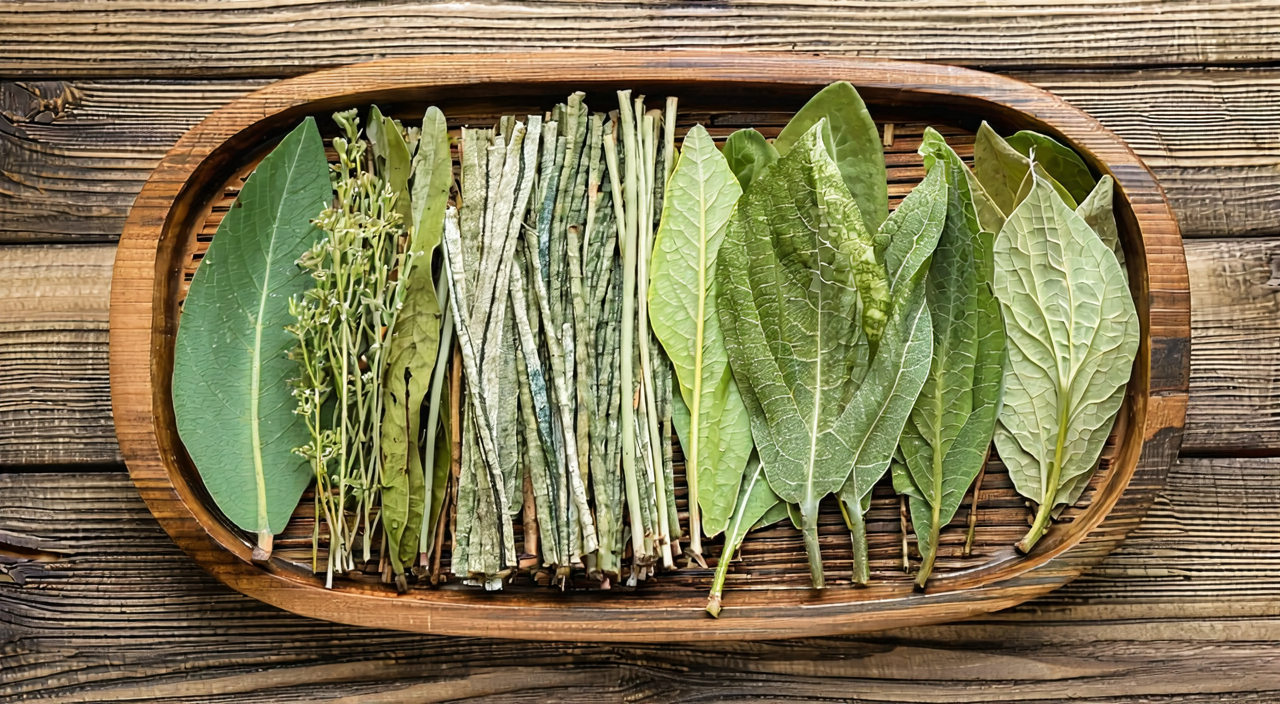
The traditional medicinal parts of Dan Zhu Ye are primarily the above-ground stems and leaves, which are commonly harvested together for commercial use. After being collected at an appropriate stage, the material is generally cleaned of impurities, cut into sections, and dried for storage, weighing, and decoction. Specifications, decoction-piece forms, and quality requirements may differ among regions, suppliers, and pharmacopoeial systems.
It is important to note that the medicinal parts of Dan Zhu Ye do not include every part of a bamboo plant. Bamboo culms, roots, shoots, leaves, and other bamboo-derived materials have different names and traditional uses in Chinese medicine. Even when materials come from plants in the bamboo group, they cannot be substituted for one another simply because their names contain the word “bamboo.”
For loose medicinal materials, in addition to examining the leaves and stems, check for mold, insect damage, unusual odors, moisture, or clumping. Materials that appear unusually bright, smell abnormal, or have an unclear source should not be identified solely from online images. When decoction, combination with other herbs, or dosage is involved, follow the advice of qualified professionals and the applicable standards in your location.
How Is Dan Zhu Ye Understood in Traditional Chinese Medicine?
Traditional Chinese medicine commonly understands Dan Zhu Ye in terms of clearing heat, reducing excessive fire, relieving irritability, and promoting urination. These descriptions belong to the theory and traditional applications of Chinese medicine and are not equivalent to modern medical diagnoses or treatment conclusions. In some traditional formula contexts, Dan Zhu Ye is used in combinations intended to clear and resolve heat, promote the movement of fluids, and support urination. The appropriate use still depends on the overall symptoms, constitution, tongue and pulse presentation, and the composition of the formula.
From a traditional pattern-identification perspective, people with similar symptoms such as dry mouth, irritability, or changes in urination may have different underlying causes. A single symptom should not be used as the basis for self-selecting Dan Zhu Ye. If you experience persistent fever, obvious chest tightness or palpitations, painful urination, blood in the urine, severe thirst, or other recurring discomfort, consult a physician or qualified professional first to avoid delaying evaluation of an underlying problem.
About Modern Research
Modern research may examine flavonoids, phenolic compounds, polysaccharides, and other plant constituents in Dan Zhu Ye, as well as related areas such as compositional analysis, antioxidant indicators, or experimental models. These findings can contribute to understanding the plant material’s chemical composition and research directions, but laboratory results cannot be directly interpreted as confirmed effects against a specific disease and cannot replace clinical evaluation.
When an article or product description cites modern research, distinguish among in vitro experiments, animal studies, traditional experience, and human research. Preliminary findings should not be presented as established benefits. When choosing products related to Dan Zhu Ye, consumers should also consider the product instructions, personal circumstances, and professional advice.
What Is the Difference Between Dan Zhu Ye, Zhu Ye, and Commelina?
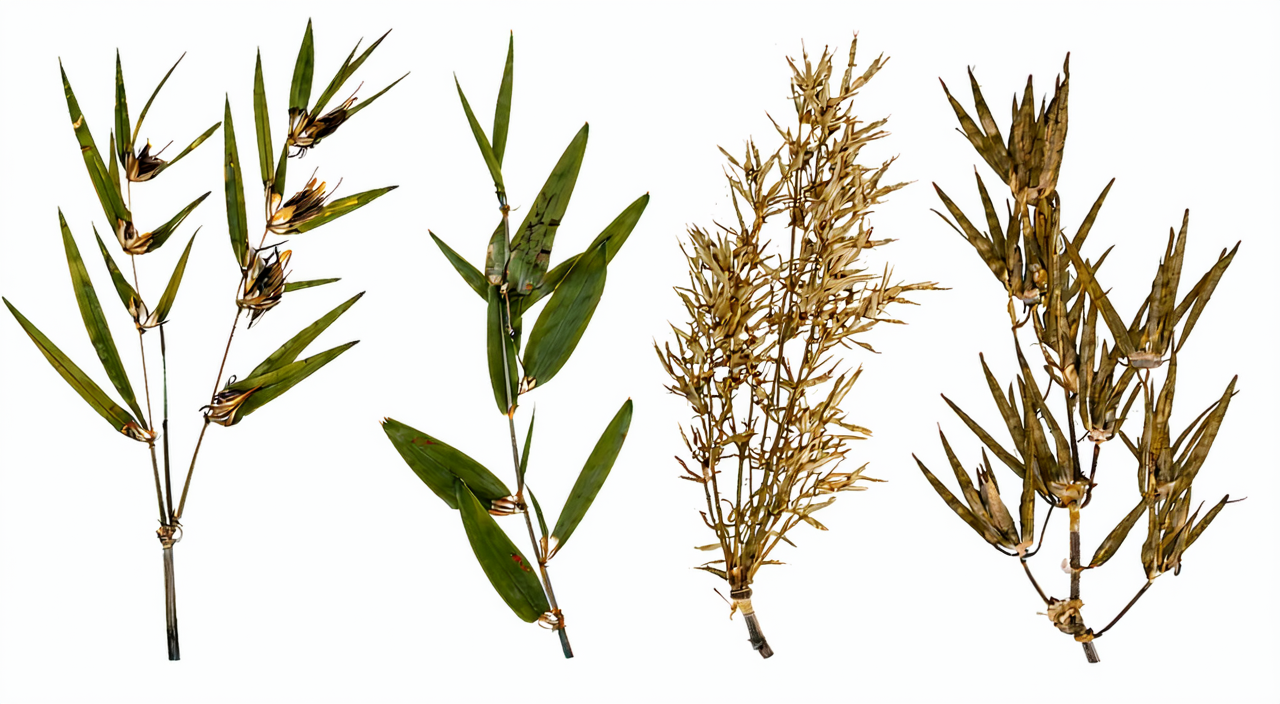
Dan Zhu Ye and Zhu Ye are easily confused because their names are similar. Dan Zhu Ye generally refers to a medicinal material with a specific botanical source, used in the form of dried stems and leaves. Zhu Ye may refer to another standardized medicinal-material name, or it may simply be a general term for bamboo leaves in everyday language. Zhu Ye used in the original text of a traditional formula cannot automatically be equated with Dan Zhu Ye according to modern commercial names. The formula’s source, medicinal-material standards, and local regulations should be checked in each case.
In appearance, Dan Zhu Ye commonly has narrow, lanceolate leaves, parallel veins, and slender cylindrical stem sections with visible nodes. The specific form of Zhu Ye materials depends on their botanical source and processing specifications, so one leaf alone is not enough for identification. Commelina is not a bamboo plant and comes from a different botanical source. Its stems and leaves, vein patterns, and overall texture also differ. Commelina usually has relatively soft stems, and its leaf shape and growth pattern are not exactly the same as those of Dan Zhu Ye.
For people without identification experience, image comparisons can provide only an initial impression and cannot serve as a formal basis for authentication. If the material is intended for medicinal use, choose decoction pieces with clear labeling, traceable origins, and compliance with local standards. When necessary, ask a pharmacist or qualified professional to help confirm the material.
Which Traditional Formulas Contain Dan Zhu Ye?
Names such as Dan Zhu Ye Tang can be found among traditional formulas, but the ingredients, dosages, and application contexts may differ among medical texts, schools of practice, and modern preparation materials. Dan Zhu Ye Tang should not be understood as a universal formula suitable for everyone. To evaluate this type of formula, first verify its source, ingredients, preparation method, and applicable pattern, and then consider the individual’s constitution and current condition.
Zhu Ye Shi Gao Tang and Dao Chi San are two traditional formula names that are frequently mentioned. However, whether the Zhu Ye recorded in the original formulas corresponds to the Dan Zhu Ye used today must be confirmed according to the specific version, medicinal-material standards, and local regulations. The names should not be considered interchangeable simply because they are similar. The herbs in a formula are generally intended to work together, and removing a single ingredient cannot represent the complete therapeutic rationale of the original formula.
People taking other Chinese medicines, Western medicines, or diuretic-related medications, especially those with chronic diseases, low blood pressure, kidney problems, or a risk of electrolyte imbalance, should consult a physician, pharmacist, or qualified traditional Chinese medicine professional first. The selection of formulas and herbs requires consideration of symptoms, constitution, drug interactions, and product instructions. Long-term use should not be based solely on an online article.
What Precautions Should Be Taken When Using Dan Zhu Ye?
Dan Zhu Ye has traditionally been associated with promoting urination. Therefore, people who urinate frequently, urinate often at night, become thirsty easily, or are prone to dehydration should not increase the amount casually without professional advice. People with a cold or weak digestive system, a tendency toward diarrhea, sensitivity to cold in the abdomen, or poor digestive function should also be cautious with materials traditionally viewed as clearing and promoting fluid movement. Suitability must be assessed according to individual circumstances.
People taking diuretics, antihypertensive medicines, or other medications requiring monitoring of fluid or electrolyte levels should consult a professional in advance. Combining them without guidance may affect urination, blood pressure, or fluid balance. Anyone with a history of allergy to Dan Zhu Ye or related plants should stop exposure and seek appropriate advice. Pregnant or breastfeeding individuals, those planning a pregnancy, children, older adults, and people with abnormal liver or kidney function should receive an individualized assessment before use.
If severe, prolonged, or recurring discomfort occurs, or if it is accompanied by marked anxiety, depression, palpitations, chest tightness, abnormal breathing, severe abdominal pain, persistent vomiting, black stools, significant weight loss, or other concerning symptoms, consult a physician or qualified professional promptly. Do not treat Dan Zhu Ye or related formulas as a substitute for professional evaluation or management of these symptoms. When purchasing and using the material, also check the product label, processing method, storage conditions, and local regulations. Do not continue using material that has become damp, moldy, or developed an unusual odor.
Summary
Dan Zhu Ye generally refers to a traditional Chinese medicinal material made from the dried stems and leaves of a specific plant. Identification may involve its lanceolate leaves, parallel veins, slender cylindrical stems, and nodes, but appearance cannot replace standardized authentication. It is not automatically the same as Zhu Ye mentioned in a prescription or Commelina. Dan Zhu Ye Tang, Zhu Ye Shi Gao Tang, and Dao Chi San should also be evaluated according to the specific medicinal-material standards and formula context. This article is for educational reference only; consider your individual circumstances and seek professional advice before use.