
What Is Reed Root? Medicinal Parts, Identification, and Common Formulas
What is reed root? Many people encounter this name in Chinese herbal medicine, herbal teas, or traditional formula references. Reed root comes from the fresh or dried rhizome of the reed plant. Although its name includes the word “root,” the part actually used is not the plant’s primary root. Depending on its processing state, reed root is generally divided into fresh reed root and dried reed root. The two forms differ in color, moisture content, texture, and storage requirements. Understanding these basics can help reduce confusion when reading traditional Chinese medicine materials, but actual use should still be determined according to individual circumstances and professional advice.
What Does Reed Root Look Like? How Can It Be Identified?
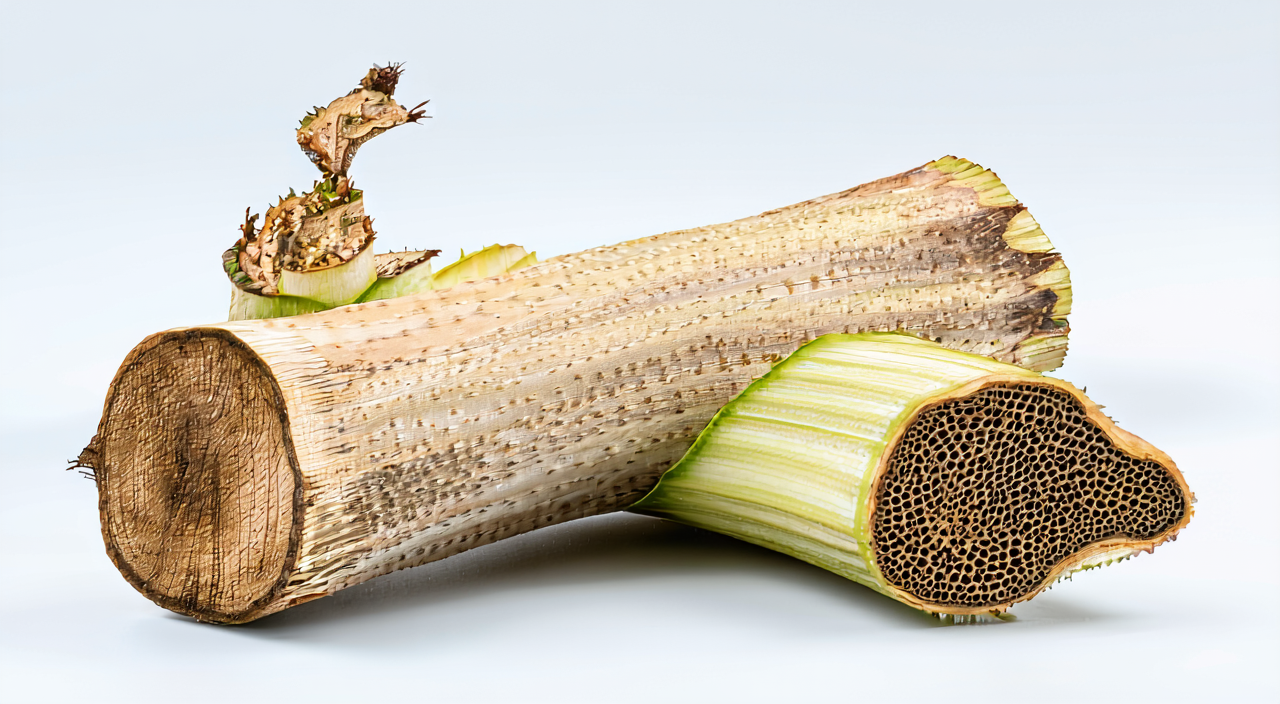
Reed root is usually long and cylindrical or slightly flattened, with an overall elongated rhizome shape and somewhat uneven thickness. Fresh reed root has a relatively high water content. Its surface is usually yellowish white or pale yellow, and its texture is fairly brittle. When broken, it reveals a relatively moist cross-section. After dried reed root has been washed, cut into sections, or sun-dried, its color is often pale yellow, yellowish white, or grayish yellow. It becomes harder and noticeably lighter.
When identifying reed root, pay particular attention to the following features:
- Clearly visible nodes: Reed root is an underground rhizome, so its nodes are usually distinct, with cylindrical internodes of varying lengths.
- Possible rootlet remnants: Small rootlet marks are often visible on the surface or at the nodes, a common feature of underground rhizome herbs.
- Hollow or relatively loose cross-section: The cross-section may show cavities, pores, or loose tissue. The specific appearance is influenced by whether the material is fresh or dried and by its processing method.
- Faint aroma: The overall aroma is usually mild. Fresh material has a light plant-like fragrance, while dried material has an even lighter scent.
When purchasing or identifying reed root, color alone should not be used as the deciding factor. Material that is excessively damp, moldy, has an obvious off-odor, or contains large amounts of soil or sand should not be used. For wild-collected material from an unknown source, it is advisable to have it identified by an experienced herbal-material specialist or a professional institution.
What Is the Medicinal Part of Reed Root?
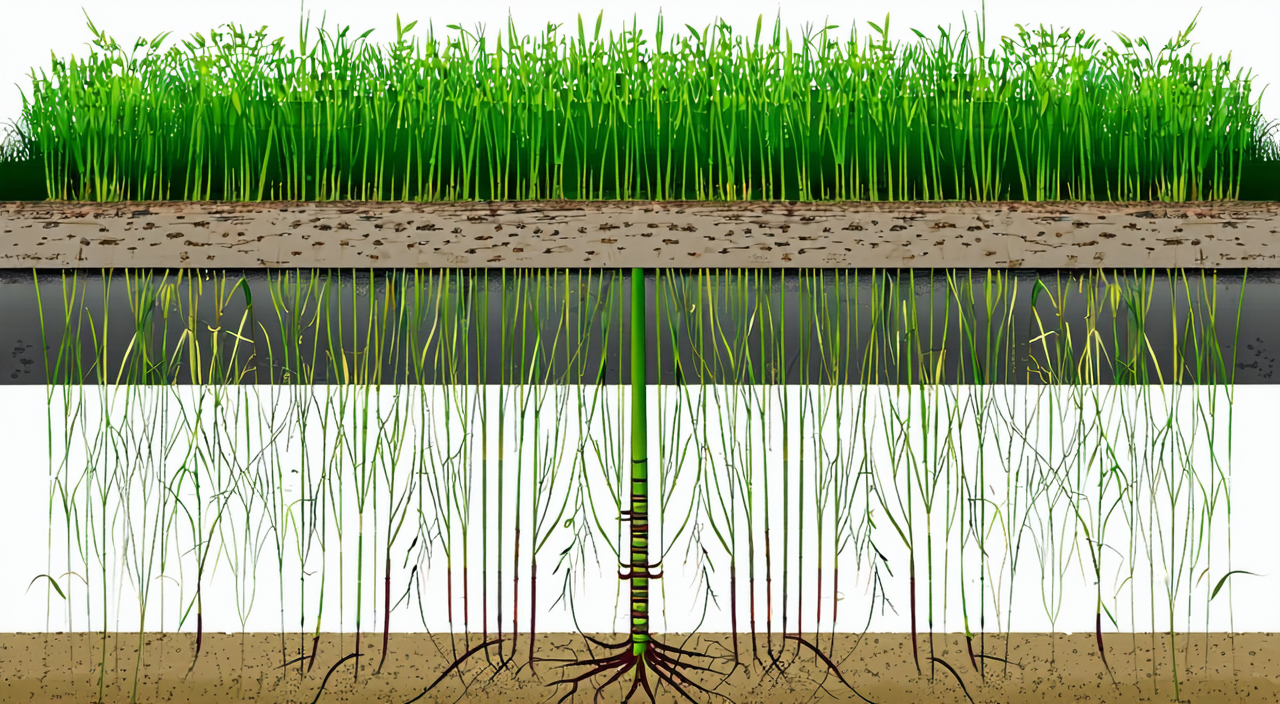
The medicinal part of reed root is the reed’s rhizome, a horizontal underground stem with nodes and internodes, rather than a root in the ordinary botanical sense. In traditional herbal processing, the harvested rhizomes are generally freed from soil, washed, and then used. Depending on whether their moisture is retained, they may be classified as fresh reed root or dried reed root.
Fresh reed root is generally tenderer and contains more moisture. It has a fresh appearance but a relatively limited storage life, so cleanliness, low temperatures, and protection against spoilage are important. Dried reed root is more convenient to store and transport, but some of its features differ from those of the fresh form. Identification usually requires a combined assessment of the cross-section, nodes, and overall texture. Differences in harvesting season, cutting methods, and drying conditions between regions may also affect color and size.
It is important to note that the stems, leaves, and inflorescences of the reed are not the same medicinal part as its rhizome. Even when they come from the same plant, they cannot simply be substituted for one another. When selecting herbal material, confirm its name, botanical source, medicinal part, and processing state, and refer to the instructions for a reputable product. Overseas users who encounter granules, sliced herbs, or compound preparations should also check the ingredient labeling and directions for use on the package.
How Does Traditional Chinese Medicine Understand Reed Root?
In traditional Chinese medicine theory, reed root is commonly considered from the perspectives of clearing heat and reducing fire, generating fluids and relieving thirst, relieving irritability and stopping vomiting, and promoting urination. Terms such as “clearing heat” and “generating fluids” describe functions within traditional Chinese medicine theory. They are not equivalent to modern medical diagnoses and should not be used to self-diagnose conditions or replace appropriate medical treatment.
In traditional applications, reed root is often discussed as part of combinations that emphasize clearing heat and supporting body fluids. For example, when symptoms such as thirst, heat-related discomfort, throat irritation, or upward reversal of stomach qi occur, classical texts and Chinese medicine practice may consider combining it with other herbs according to the overall pattern. Suitability cannot be determined from a single symptom alone. Cold and heat patterns, deficiency and excess, appetite, the tongue and pulse, and other medications must all be considered together.
“Promoting urination” is also one of its traditional functional descriptions, but this does not mean that everyone with reduced urination or urinary abnormalities is suitable for using reed root. Changes in urination may be related to fluid intake, medications, the urinary system, or other health factors. If they are accompanied by pain, fever, blood in the urine, or significant discomfort, consult a doctor first rather than relying only on dietary therapy or a single herbal ingredient.
How Can Modern Research Be Understood?
Modern research examines reed root from perspectives including phytochemical composition, in vitro experiments, animal studies, and traditional-use records. Discussions may involve polysaccharides, phenolic acids, flavonoids, and other plant compounds. However, experimental findings and actual human use are not the same, and definite health effects cannot be inferred from laboratory findings alone.
In addition, the growing region, harvest time, fresh or dried state, processing method, and storage conditions of reed root samples may all affect their composition and quality. Samples and dosages used in different studies are not always consistent. Therefore, when reading related information, general readers should avoid interpreting “being studied” as “being suitable for self-use.” If you plan to use reed root for everyday wellness or alongside other Chinese herbal medicines, first consider your constitution, medical history, allergies, and current medications.
What Is the Difference Between Reed Root, Cogongrass Root, and Lophatherum Leaves?
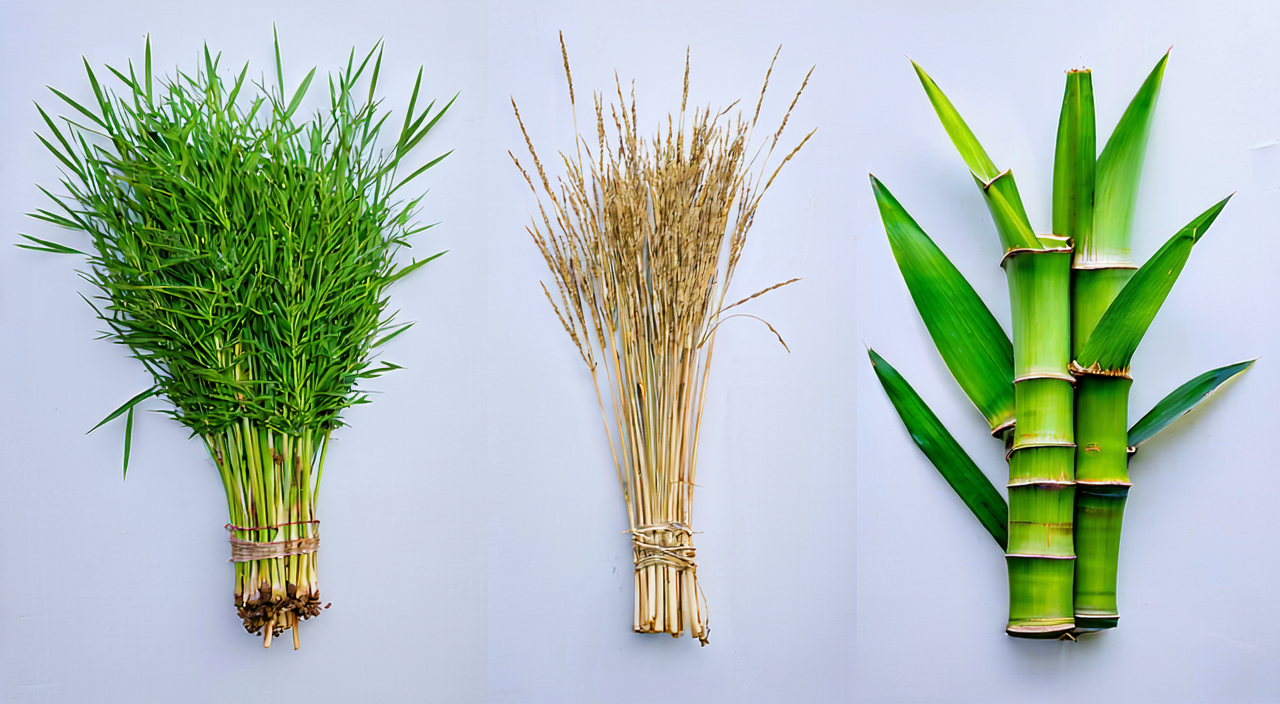
Reed root, cogongrass root, and lophatherum leaves may all appear in Chinese herbal medicine materials related to clearing heat. However, they come from different plants and use different medicinal parts. They should not be substituted for one another simply because their names or traditional functions are similar.
| Herbal material | Source and medicinal part | Common appearance | Traditional direction of use |
|---|---|---|---|
| Reed root | The rhizome of the reed plant | Long and cylindrical, with nodes; the cross-section may be hollow or loose | Clearing heat and reducing fire, generating fluids, relieving irritability and vomiting, and related uses |
| Cogongrass root | The rhizome of cogongrass | Usually slender and cylindrical, with longitudinal wrinkles and a relatively fibrous cross-section | Cooling the blood, stopping bleeding, clearing heat, and promoting urination |
| Lophatherum leaves | The stems and leaves of lophatherum | Primarily leaves and slender stems, green or yellowish green | Clearing heat, relieving irritability, and promoting urination |
In simple terms, reed root and cogongrass root are both rhizome herbs, but their source plants, forms, and traditional areas of use differ. Lophatherum leaves, by contrast, primarily consist of stems and leaves. Actual identification should also take into account the integrity of the material, aroma, cross-section, and reliability of the source. If similar-looking materials cannot be confirmed, do not substitute one for another based solely on online images.
Which Traditional Formulas Contain Reed Root?
Reed root commonly appears as a component herb in traditional formula references. The formulas below are provided only to help readers understand the composition and general direction of classical formulas. They do not mean that anyone can use them directly. The suitability and dosage of a formula should be determined according to the pattern, age, constitution, concurrent medications, and local professional advice.
Yin Qiao San
Yin Qiao San is a relatively well-known traditional formula whose combination is directed toward dispelling wind and clearing heat. Reed root is commonly understood in this formula as part of the combination that clears heat, generates fluids, and helps protect body fluids. If persistent high fever, difficulty breathing, altered consciousness, or rapidly worsening symptoms occurs, seek medical attention promptly rather than relying on the formula for self-observation.
Sang Ju Yin
Sang Ju Yin traditionally focuses on dispelling wind and clearing heat, disseminating lung qi, and stopping cough. Reed root is also commonly included in this formula. It is a classical formula that requires pattern-based assessment. The presence of a single symptom, such as coughing or a dry throat, is not enough to determine whether it is appropriate. If a cough does not improve, or is accompanied by chest pain, shortness of breath, coughing up blood, or other concerning symptoms, consult a doctor.
Qian Jin Wei Jing Tang
Qian Jin Wei Jing Tang is based on the use of reed-stem-type herbal material and has a specific combination context in traditional medical texts. Modern readers should note that ancient formula names, herbal names, and modern preparations may differ. A formula name should not be directly equated with a treatment plan for a particular disease. When there is significant lung- or chest-related discomfort, professional evaluation should come first.
Wu Zhi Yin
Wu Zhi Yin is a traditional formula made by combining the juices of several plants. This name may also appear in materials related to reed root. The hygiene, source, and handling of fresh ingredients can affect safety. Particular attention to cleanliness and storage is needed when juicing or mixing ingredients at home. Children, pregnant individuals, older adults, and people taking medication should consult a professional before use.
What Precautions Should Be Taken When Using Reed Root?
First, people with a cold-sensitive or weak digestive system, a tendency to diarrhea, sensitivity to cold in the stomach, or discomfort after consuming cold foods should be cautious about fresh reed root and combinations considered cooling. Assessments of cold and heat in traditional theory require consideration of the overall presentation. They should not be based solely on a single constitution label.
Second, reed root has traditionally been described as having a connection with promoting urination. People with frequent urination, increased nighttime urination, or other urinary abnormalities should not use it long term on their own in pursuit of a particular effect. If pronounced thirst, fatigue, dizziness, or a sudden change in urine volume occurs, identify the cause and consult a doctor.
Third, fresh reed root can come into contact with soil and water. Before use, confirm that it comes from a reliable source, wash it thoroughly, and avoid consuming material that is spoiled, moldy, or has an off-odor. Dried reed root should also be kept in a dry, clean, dark place. Do not continue using it if it has absorbed moisture, formed clumps, or shows signs of insect damage.
People taking prescription medications, diuretics, or other Chinese herbal medicines, as well as pregnant or breastfeeding individuals, children, and people with chronic diseases, should consult a doctor or Chinese medicine professional before using reed root. If persistent high fever, recurrent vomiting, severe abdominal pain, black stools, significant unexplained weight loss, chest tightness, palpitations, abnormal breathing, or long-lasting recurrent discomfort occurs, seek medical attention promptly. This article is for general educational reference only and does not replace professional diagnosis or treatment advice.
Summary
The key point in understanding reed root is that it is the underground rhizome of the reed plant. Common features include a long cylindrical shape, distinct nodes, and a hollow or loose cross-section. Fresh and dried reed root differ in texture and storage requirements. Its medicinal part is not the same as that of cogongrass root or lophatherum leaves, and its use in formulas such as Yin Qiao San and Sang Ju Yin should be assessed according to individual circumstances and traditional pattern differentiation. This article is for general educational reference only; consult a professional about specific use.