
What Is Red Cardamom? Medicinal Parts, Identification, and Common Formulas
What is red cardamom? This is a question of interest to many readers who come into contact with Chinese medicinal herbs, aromatic plants, or traditional formulas for warming the middle and drying dampness. Red cardamom is not the rhizome of lesser galangal, nor is it the same as similar-named herbs such as tsaoko fruit or white cardamom. According to traditional herbal practice, red cardamom mainly comes from the mature fruit of lesser galangal, which is harvested and dried for medicinal use. Understanding its appearance, medicinal part, and differences from similar herbs can help reduce confusion when reading information about Chinese medicinal materials. This article is intended for general educational reference only. Specific use should still be determined according to individual circumstances, product instructions, and professional advice.
What Does Red Cardamom Look Like? How Can It Be Identified?

Red cardamom comes from the fruit of lesser galangal, a plant in the ginger family. After the fruit matures and dries, it is usually oblong, oval, or somewhat irregularly ovate. Its size may vary according to its growing region, harvest time, and processing method. The outer surface is generally reddish-brown to dark red, although some specimens may appear brownish-brown, and the texture is relatively firm.
When identifying red cardamom, several representative features can be observed first:
- Fruit shape: It is usually oblong or oval rather than flat or elongated like a rhizome.
- Surface texture: The peel often has noticeable longitudinal ridges or lines and may appear slightly rough.
- Tip characteristics: Residual marks from the perianth may remain at the tip of the fruit, which is a feature worth noting when examining intact material.
- Odor: It generally has a distinct aromatic and spicy fragrance. The intensity may be affected by the degree of drying and storage conditions.
- Internal structure: When split open, a mass of small seeds can be seen inside the fruit. The color and degree of completeness may vary between batches.
Identifying it based only on color or odor is not reliable. Dried fruits on the market may have been sorted, cut, or processed to different degrees, resulting in variations in appearance. Proper identification should also consider the source, the stated herbal name, recorded characteristics, and formal quality information. For fruit-based medicinal materials that look similar but come from different sources, do not confirm their identity solely from a photograph or a single feature.
What Is the Medicinal Part of Red Cardamom?
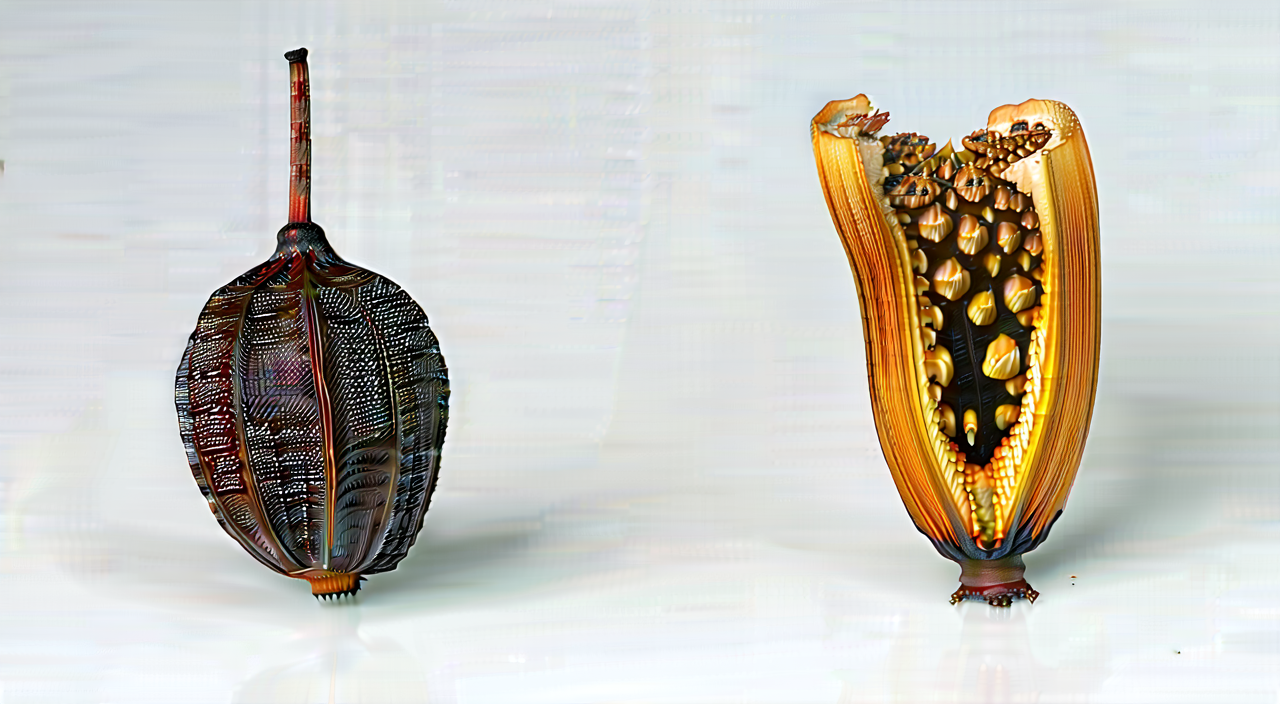
The medicinal part of red cardamom is the mature fruit of lesser galangal, not the rhizome. It is generally harvested after the fruit matures, dried, and then stored and used as an intact fruit or in an appropriately cut form. The seed mass inside the fruit is also an important feature when examining the material, but in terms of the medicinal part, it is generally still classified as the mature fruit.
The rhizome of lesser galangal is itself a traditional Chinese medicinal material, commonly called lesser galangal, and it comes from a different medicinal part of the same plant as red cardamom. Although the two are related in origin, their appearance, medicinal parts, and traditional applications differ. Red cardamom is a fruit-based medicinal material with the appearance of a dried fruit, while lesser galangal is a rhizome-based material, usually found as cylindrical or slightly curved segments with visible rhizome characteristics.
For storage, aromatic fruit-based medicinal materials should be protected from moisture and light, and measures should be taken to prevent the loss of their fragrance. If the material shows obvious mold, insect damage, unusual odors, or moisture-related clumping, it should not be used without professional evaluation. Specific processing methods and dosages are matters of professional application. Because red cardamom is also part of an aromatic spice plant, its everyday culinary quantity should not be equated with a medicinal dosage.
How Does Traditional Chinese Medicine Understand Red Cardamom?
Traditional Chinese medicine commonly understands red cardamom from the perspectives of aromaticity, pungent warmth, and the transformation and transportation functions of the spleen and stomach. In relevant traditional herbal records and formula applications, it is often used in approaches involving drying dampness, dispelling cold, awakening the spleen, and promoting digestion, mainly within traditional strategies addressing cold-damp obstruction and impaired spleen and stomach function.
According to traditional theory, dampness and cold may affect the spleen and stomach’s transformation and transportation functions, leading to symptoms such as reduced appetite, epigastric or abdominal fullness, nausea, or a sticky sensation in the mouth. Aromatic herbs are often used to help transform dampness and awaken the spleen, while their pungent and warm nature is commonly associated with the strategy of warming the middle and dispelling cold. However, these are concepts from traditional Chinese medicine and traditional directions of use. They do not mean that red cardamom is suitable for everyone with similar symptoms, nor can it replace an assessment of the specific cause.
Red cardamom is generally used in compound formulas rather than selected independently based on a single symptom. In formulas, it may be combined with herbs traditionally associated with warming the middle, moving qi, drying dampness, or promoting digestion to create different therapeutic approaches. Anyone experiencing persistent, recurrent, or significant gastrointestinal discomfort should consult a doctor or qualified professional first to rule out conditions requiring further examination.
What Can Modern Research Tell Us?
Modern research has shown interest in lesser galangal, its fruit, volatile constituents, and other phytochemicals. Research areas may include component analysis, antioxidant-related experiments, microbiological studies, and basic research related to the digestive tract. Some experimental findings help clarify the properties of the plant’s constituents, but laboratory studies and animal studies remain different from actual human use.
Therefore, a single component study or in vitro experiment cannot establish that red cardamom has a definite effect on a particular disease. Nor should potential findings from research be presented as treatment conclusions applicable to an individual. Modern research mainly helps people understand the composition of the medicinal material and its potential areas of action. Actual use still requires consideration of material quality, dosage, compatibility with other herbs, individual constitution, and professional advice.
What Is the Difference Between Red Cardamom, Tsaoko Fruit, and Lesser Galangal?
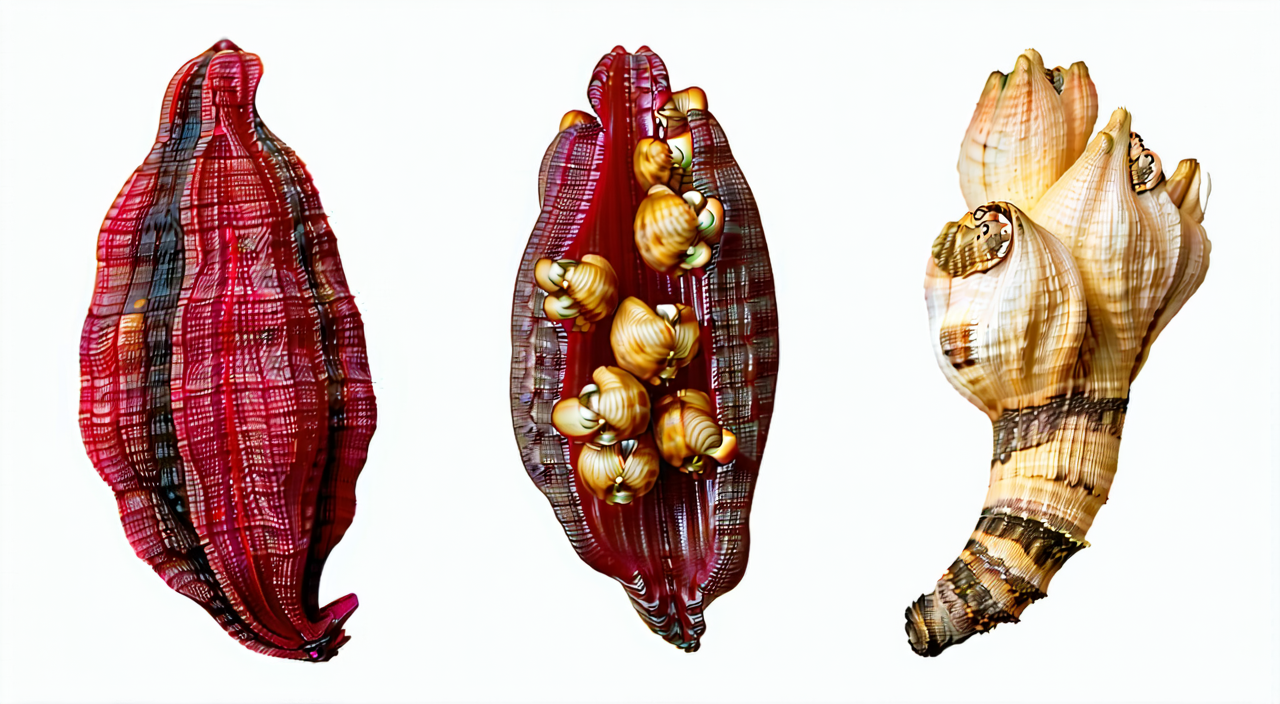
Red cardamom, tsaoko fruit, and lesser galangal have similar names and may all appear in traditional formulas related to warming the middle, drying dampness, or awakening the spleen. However, they are not the same medicinal material. They can be distinguished by examining their botanical source, medicinal part, and external and internal structure.
| Name | Common medicinal part | Key identification features | Traditional direction of use |
|---|---|---|---|
| Red cardamom | The mature fruit of lesser galangal | Oblong or oval, reddish-brown to dark red, with longitudinal ridges and a seed mass inside | Commonly understood in terms of drying dampness, dispelling cold, awakening the spleen, and promoting digestion |
| Tsaoko fruit | The mature fruit or seed mass of tsaoko | Usually a fruit-based medicinal material with surface and internal seed structures different from those of red cardamom | Commonly associated with formulas for drying dampness, moving qi, and warming the middle |
| Lesser galangal | The rhizome of lesser galangal | The rhizome is cylindrical or sliced, with characteristic features visible on the cut surface | Commonly understood in terms of warming the middle, dispelling cold, and relieving pain |
White cardamom is another name that is easily confused. It usually refers to the fruit of another cardamom species, whose color, peel texture, and seed aroma are not exactly the same as those of red cardamom. When purchasing or preparing a formula, check the standardized herbal name, Latin botanical source, medicinal part, and quality information rather than identifying it solely by the word “cardamom.” If it is needed for use in a formula, identification and guidance should be provided by a suitably qualified professional.
Which Formulas Contain Red Cardamom?
Traditional formula references include names such as Red Cardamom Powder and Red Cardamom Pills. Some formulas for warming the middle and drying dampness may also include red cardamom according to the intended combination. The ingredients, dosages, preparation methods, and applicable uses may differ among medical texts, regions, and preparation references. Formulas with the same name are not necessarily identical.
Red Cardamom Powder
Red Cardamom Powder is one of the traditional formula names associated with red cardamom. It is generally understood through traditional combination principles involving warming the middle, drying dampness, regulating qi, or harmonizing the stomach. Its specific ingredients may also include other herbs for warming the middle, moving qi, or strengthening the spleen. The intended users should not be inferred from the formula name alone, and it should not be used by copying a formula without guidance.
Red Cardamom Pills
Red Cardamom Pills is another traditional formula name. Pills and powders differ in their preparation methods, administration, and storage requirements. Formulas for Red Cardamom Pills may vary between sources, so the official instructions, ingredients, and directions should be checked before use. Whether they are suitable for an individual depends on their constitution, symptoms, and professional advice.
Formulas for Warming the Middle and Drying Dampness
In formulas for warming the middle and drying dampness, red cardamom may serve as one of the aromatic and pungent-warm herbs supporting a traditional approach to cold-damp patterns and impaired spleen and stomach function. If related discomfort is severe, persistent, or recurrent, or if it is accompanied by ongoing vomiting, black stools, significant abdominal pain, or unexplained weight loss, seek medical advice promptly rather than relying solely on traditional formulas.
What Precautions Should Be Taken When Using Red Cardamom?
Red cardamom is traditionally characterized as pungent, aromatic, warm, and drying. Particular caution is appropriate in the following situations:
- People with yin deficiency and excessive internal heat or a tendency toward dryness and heat: If you commonly experience dry mouth and throat, hot flashes, constipation, or a tongue with little moisture, suitability should be assessed in the context of your overall condition. Do not select warming and drying herbs solely because of stomach discomfort.
- People with sensitive stomachs: Pungent and aromatic herbs may irritate the stomach in some people. If significant stomach pain, acid reflux, nausea, or other discomfort occurs after use, stop experimenting on your own and consult a professional.
- People who are pregnant or breastfeeding: Those who are pregnant, breastfeeding, planning to become pregnant, or taking other medications should consult a doctor or pharmacist first. Do not use formulas or concentrated preparations based solely on information found online.
- Culinary quantities differ from medicinal dosages: The amount of red cardamom used as a culinary spice cannot be directly equated with the dosage of the medicinal material. The dosage, decoction method, and compatibility with other herbs should follow professional guidance or formal instructions.
- People with persistent symptoms or warning signs: If gastrointestinal discomfort persists or recurs, or is accompanied by significant anxiety, depression, palpitations, chest tightness, abnormal breathing, severe abdominal pain, persistent vomiting, black stools, or weight loss, seek medical help as a priority.
When choosing Red Cardamom Powder, Red Cardamom Pills, or another formula containing red cardamom, consider the source of the material, formula composition, individual constitution, existing symptoms, and medications currently being used. It is advisable to make a decision together with the product instructions and professional advice, rather than treating traditional directions of use as a definitive treatment plan for a disease.
Summary
Red cardamom is the mature fruit of lesser galangal. It commonly appears as a reddish-brown to dark-red oblong or oval fruit with longitudinal ridges, residual perianth marks at the tip, and an aromatic fragrance, with a seed mass visible inside. It is not the same medicinal material as lesser galangal rhizome, tsaoko fruit, or white cardamom. Traditionally, it is mainly understood in terms of drying dampness, dispelling cold, awakening the spleen, and promoting digestion. The compositions and applications of Red Cardamom Powder, Red Cardamom Pills, and other formulas for warming the middle and drying dampness may vary. This article is for general educational reference only and cannot replace professional diagnosis or treatment advice.