
What Is Sword Bean? Medicinal Parts, Identification, and Common Formulas
What is sword bean? Many people first think of the bean pods used in cooking, but in the context of traditional Chinese medicine, sword bean usually refers to the mature seeds of a leguminous plant known as sword bean. Young pods can be eaten as vegetables, while mature, dried seeds are the medicinal part described in traditional materia medica. The two differ in appearance, uses, and methods of application. Understanding what sword bean looks like, which part is used medicinally, and how it differs from white hyacinth bean and cowpea can help overseas Chinese readers avoid confusion when identifying the herb and learning about related formulas.
What Does Sword Bean Look Like?
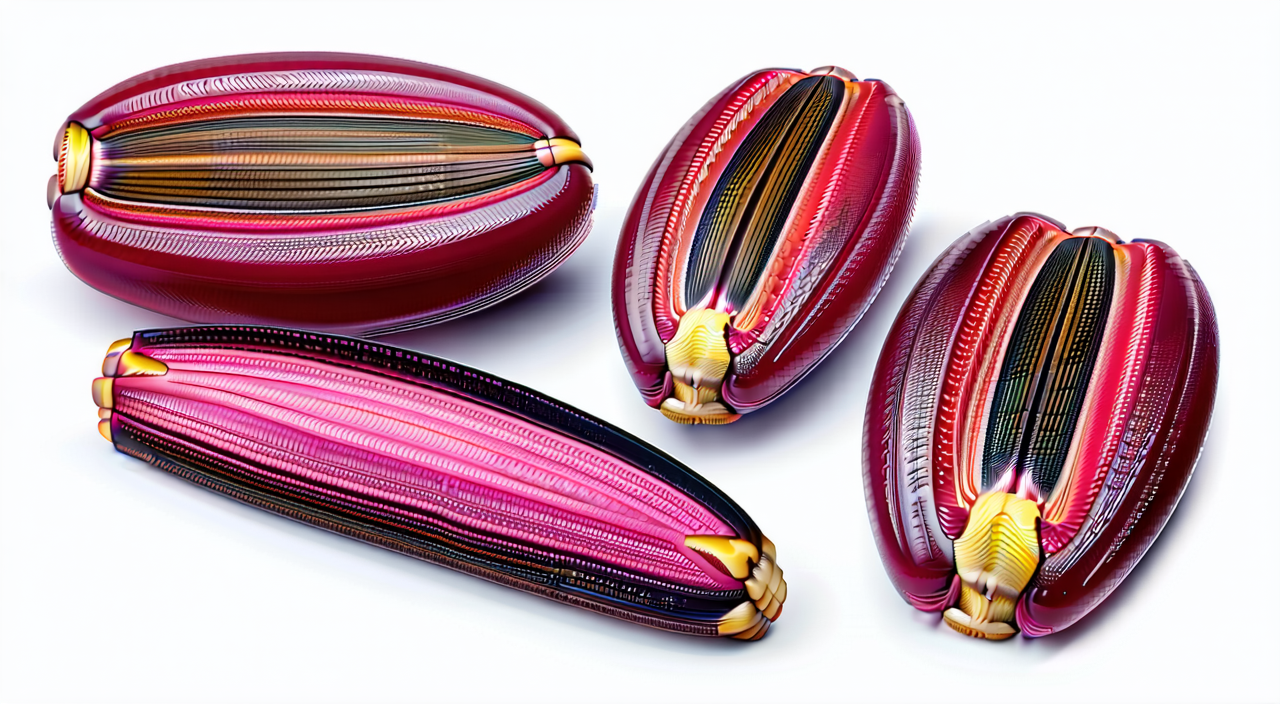
Sword bean is an annual or perennial climbing legume that often needs a support structure to grow. Its pods are relatively thick and long and may be curved. When mature, they contain several relatively large seeds. When sword bean is examined as a medicinal material, the focus is generally not on the young pods but on the form of the dried mature seeds.
Sword bean seeds are usually large and commonly have a flattened oval, elongated oval, or elongated kidney shape, making them easier to distinguish from smaller legumes. The seed coat may range from pink and light red to reddish purple. Its surface is relatively smooth and may show variations in shade. The hilum is one of the important identifying features of sword bean. It is usually long and prominent, extending along one side of the seed, and may be darker than the seed coat.
In terms of texture, dried sword bean seeds are hard, and intact seeds are not easy to break apart by hand. The cross-section is often mealy or horny in appearance. The aroma is not particularly strong, while the taste may have a characteristic bean-like quality. When identifying the seeds, consider their size, shape, color, hilum, and texture together. Do not rely on color alone, because differences in growing region, maturity, and storage conditions can affect their appearance.
What Is the Medicinal Part of Sword Bean?
In traditional Chinese medicine, sword bean mainly refers to the mature seeds of the sword bean plant. The seeds are generally harvested after the pods mature and the seeds become fully developed. They are then removed from the pods, cleaned of impurities, and dried for storage. Dried seeds are easier to store and process further, and they differ from the young pods commonly eaten as vegetables.
It is important to note that the medicinal part of sword bean is not the entire plant, and pods at every stage of development should not automatically be considered the same as the Chinese medicinal material. Young pods fall within the category of food, while mature seeds are used in traditional materia medica and related formula research. Commercial products may differ in specifications, processing methods, and labeling. Before use, check the product information to confirm the name, plant part, and instructions.
How Does Traditional Chinese Medicine Understand Sword Bean?
Traditional Chinese medicine commonly understands sword bean in terms of its nature, flavor, and meridian associations. In historical materia medica and related experience-based records, sword bean is generally regarded as a warming legume used as both food and medicine. Traditional applications tend to focus on warming the middle, directing qi downward, and easing hiccups. It may also be considered from the perspective of warming the kidneys and supporting yang. Here, “directing qi downward” refers mainly to the traditional concept of regulating the movement of qi and does not correspond to a modern medical diagnosis or a guaranteed therapeutic effect.
In traditional practice, sword bean is often considered for hiccups, belching, or epigastric and abdominal discomfort associated with patterns such as coldness or disharmony of stomach qi. Some materia medica traditions also mention it in approaches for constitutional weakness and cold-related lower back and knee soreness or kidney yang deficiency. However, similar symptoms can have many causes. You should not determine your constitution based on symptoms alone or interpret descriptions of traditional effects as conclusions about disease treatment.
If hiccups last for an extended period, recur frequently, or occur together with chest tightness, palpitations, pain, breathing abnormalities, persistent vomiting, or noticeable weight loss, consult a doctor or another qualified professional promptly to rule out possible health problems.
How Can Modern Research Be Interpreted?
Modern research generally examines sword bean seeds in terms of their nutrients, plant proteins, amino acids, phenolic compounds, and related biological activities. Laboratory studies may investigate antioxidant, metabolic, or immune-related indicators. However, the extracts, dosages, experimental models, and observation periods used in different studies vary, so laboratory results cannot be directly equated with actual effects in humans.
For general consumers, modern research is best viewed as supplementary information for learning about sword bean, rather than as a basis for selecting a dosage or replacing proper medical care. If concentrated extracts, compound preparations, or long-term use are involved, decisions should take into account the product instructions, individual health status, and professional advice.
What Is the Difference Between Sword Bean, White Hyacinth Bean, and Cowpea?
Sword bean, white hyacinth bean, and cowpea all belong to the legume family. Their appearance can be similar, and they may be confused by people who are unfamiliar with them once dried. However, they differ in seed size, shape, hilum, and color.
| Comparison | Sword Bean | White Hyacinth Bean | Cowpea |
|---|---|---|---|
| Seed size | Usually large | Generally medium-sized | Usually slender or medium-sized |
| Common shape | Flattened oval or elongated kidney-shaped | Flattened oval and relatively plump | Elongated oval or nearly kidney-shaped |
| Color | Commonly pink, light red, or reddish purple | White, creamy white, or pale yellowish white | Varies by cultivar, including white, light brown, and reddish brown |
| Hilum characteristics | Usually long and prominent | Usually shorter or less noticeable than that of sword bean | Varies by cultivar; identification should consider size and color together |
These are only common external characteristics and cannot replace professional identification. Different varieties of edible legumes may show considerable color variation. When purchasing or using loose herbal materials, prioritize official labeling, the place of origin, and the stated medicinal name to avoid mistaking edible pods or other legumes for medicinal sword bean.
Which Formulas Include Sword Bean?
In traditional formulas and materia medica records, sword bean appears in formulas or experience-based applications associated with names such as Sword Bean Powder and Sword Bean Seed Powder. These uses generally center on traditional approaches for warming the middle, directing counterflow downward, and regulating the movement of qi. The specific ingredients, processing methods, dosages, and suitable users may differ according to the medical text, tradition, and product specifications. A formula should not be used solely based on its name.
Sword bean may also be included in formula strategies for warming the middle and directing counterflow downward, usually together with other herbs to support an overall pattern-based approach. If the discomfort is related to stomach heat, excess heat, or another non-cold pattern, warming herbs may not be appropriate for self-directed use. For patent medicines, compound granules, or herbal decoction pieces, consider the product instructions, individual constitution, symptoms, and professional advice. Pregnant or breastfeeding individuals, children, older adults, and people taking other medicines should be especially cautious and seek professional advice.
What Precautions Apply When Using Sword Bean?
First, distinguish between culinary and medicinal use. When young pods are used as food, choose normal, good-quality ingredients and cook them thoroughly. Raw beans or undercooked legumes are not recommended. Certain compounds in legumes may cause gastrointestinal discomfort when insufficiently heated, so raw or partially cooked beans should not be considered a healthier option. Mature dried seeds should also be prepared according to the instructions on an approved product and should not be casually chewed raw or consumed in large amounts without guidance.
Second, sword bean is traditionally considered warming and is not suitable for every constitution. For people with stomach heat, dry or bitter mouth, a tendency toward constipation, or signs of heat-related hiccups, whether it is appropriate requires an assessment of the specific situation. People with legume allergies should avoid foods or products that may trigger an allergic reaction. If a rash, swelling of the lips, wheezing, severe abdominal pain, or vomiting occurs after consumption, seek medical attention promptly.
If symptoms are severe, persistent, or recurrent—especially when accompanied by marked anxiety, depression, palpitations, chest tightness, pain, breathing abnormalities, severe abdominal pain, persistent vomiting, black stools, or weight loss—consult a doctor as soon as possible. This article is intended only as general educational information about Chinese medicinal materials and cannot replace professional diagnosis or treatment advice.
Summary
Sword bean usually refers to the mature, dried seeds of the sword bean plant. The seeds are relatively large, commonly flattened oval or elongated kidney-shaped, and pink to reddish purple, with a long hilum serving as an important identifying feature. Young pods are primarily considered food. Traditional Chinese medicine views sword bean in terms of warming the middle, directing qi downward, easing hiccups, and warming the kidneys. Sword Bean Powder, Sword Bean Seed Powder, and formulas for warming the middle and directing counterflow downward can serve as topics for further learning, but suitability should still be assessed in light of individual constitution, symptoms, product instructions, and professional advice.