
What Is Litchi Seed? Medicinal Parts, Identification, and Common Formulas
When people think of litchi, they usually picture its fresh, sweet, and juicy flesh, but they may not know the name and traditional medicinal uses of its seed. Litchi seed comes from the mature fruit of the litchi plant. The flesh eaten as food is the edible part, while litchi seed is a seed-based medicinal material used after collection, cleaning, and drying. Understanding what litchi seed is, what it looks like, and how it differs from tangerine seed and longan seed can help reduce confusion when reading traditional Chinese medicine materials or identifying medicinal herbs.
What Does Litchi Seed Look Like? How Can It Be Identified?
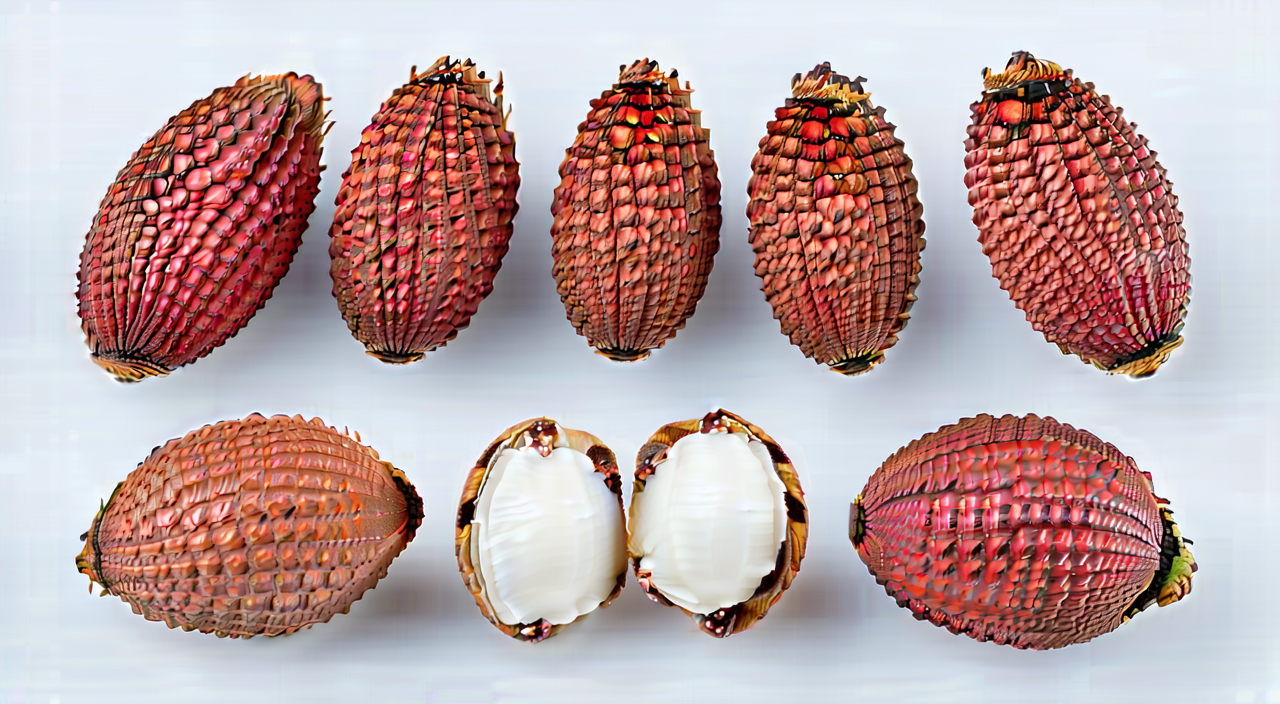
Litchi seed is the mature seed of the litchi plant, which belongs to the Sapindaceae family. It is usually oblong, ovate, or slightly elliptical in shape. Its size may vary according to the cultivar and degree of maturity, but its overall outline is generally full and rounded. Unlike some elongated citrus seeds, it is not usually slender. The surface color commonly ranges from reddish brown and red-brown to purplish brown, and it may become darker after drying.
The outer surface of litchi seed is generally smooth and somewhat glossy. On close inspection, one side of the seed is relatively flat while the other side is slightly raised, sometimes giving it a flat-sided, curved appearance. Fine natural textures may remain on the surface, but it is usually not as noticeably shriveled as some rough-textured seeds. After drying, the medicinal material becomes hard and feels dense.
When litchi seed is cut or broken, the inner cross-section is usually white, creamy white, or pale yellowish white, with a relatively dense texture. The contrast between the reddish-brown to purplish-brown outer layer and the pale inner cross-section can help with identification. However, color alone is not reliable. Proper identification should also consider the source, shape, surface, cross-section, and odor. When purchasing or using it, choose medicinal materials from a reputable source with complete labeling.
What Is the Medicinal Part of Litchi Seed?
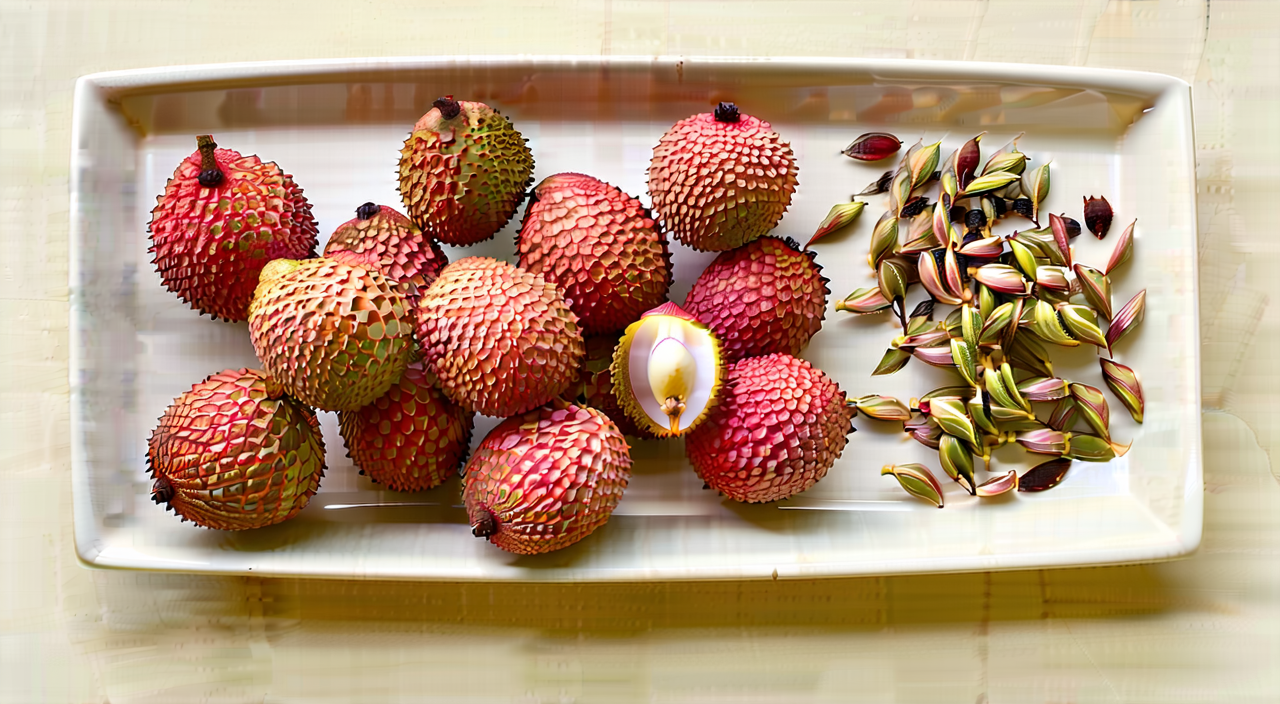
The medicinal part of litchi seed is the mature seed of the litchi fruit, commonly referred to as the fruit stone or pit. It is not the litchi flesh, peel, branches, or leaves. Litchi flesh can be eaten as a daily food, whereas litchi seed belongs to the category of traditional medicinal materials. Their uses, processing methods, and applications are different, so they should not be treated as interchangeable simply because they come from the same fruit.
Traditional medicinal materials are generally collected after the fruit has matured. Any remaining flesh is removed, and the seeds are washed and thoroughly dried. Dried litchi seed may be used directly as sliced herbal material or processed according to traditional preparation methods. One common preparation is salt-processed litchi seed. After salt processing, its color, smell, and taste may differ from those of the raw material. Processing methods and product specifications may vary by region and production standard, so the product or herbal-slice label should be followed.
Because litchi seed is hard, traditional use may require it to be crushed or decocted in an appropriate manner so that it can be combined with other herbs. Households should not collect seeds left over from eating litchi and use them as substitutes for properly prepared medicinal slices. Whole seeds should not be chewed or swallowed like nuts. The specific dosage, choice of processed product, and duration of use should be determined according to individual circumstances, product instructions, and professional advice.
How Does Traditional Chinese Medicine Understand Litchi Seed?
Traditional Chinese medicine commonly understands litchi seed in terms of promoting qi movement, dispersing accumulations, dispelling cold, and relieving pain. According to traditional theory, factors such as impaired qi movement and cold stagnation may be associated with localized distension, pain, pulling discomfort, or a sensation of accumulation. Litchi seed is therefore often considered within treatment approaches involving qi regulation, dispersing accumulations, and warming and dispersing. These are concepts from traditional materia medica and formula theory. They are not equivalent to a modern medical diagnosis and should not be used to determine the specific cause of symptoms without professional evaluation.
In traditional applications, litchi seed is often included in formulas addressing discomfort in the lower abdomen or groin area. It may also be combined with other herbs that regulate qi, warm the interior, or disperse accumulations. Different formulas focus on different traditional patterns. Factors such as cold or heat, deficiency or excess, the nature of the pain, tongue and pulse findings, and accompanying symptoms may all affect pattern identification and formula selection. A formula containing litchi seed should not be used simply because one particular symptom is present.
If abdominal or groin discomfort persists or recurs, or if it is accompanied by significant pain, a lump, fever, vomiting, or abnormal bowel movements or passage of gas, consult a doctor or qualified professional first to identify causes requiring prompt attention. Knowledge of traditional medicinal materials can help explain traditional uses, but it cannot replace examination, diagnosis, or treatment advice.
How Can Modern Research Be Understood?
Modern research commonly examines polysaccharides, saponins, flavonoids, fatty acids, and other constituents in litchi seed. Researchers may use in vitro experiments, animal studies, or constituent analyses to investigate its possible biological characteristics. Such research helps improve understanding of the material’s composition and potential mechanisms, but experimental findings cannot be directly equated with effects in human use and cannot replace clinical judgment.
Differences in growing region, cultivar, harvest time, and processing method may lead to differences in the levels of constituents in litchi seed. Raw and salt-processed products should not be assumed to have exactly the same characteristics or applications. Preliminary findings from modern research should be interpreted objectively and should not be expanded into treatment claims for a particular disease based on a single experimental result.
What Is the Difference Between Litchi Seed, Tangerine Seed, and Longan Seed?
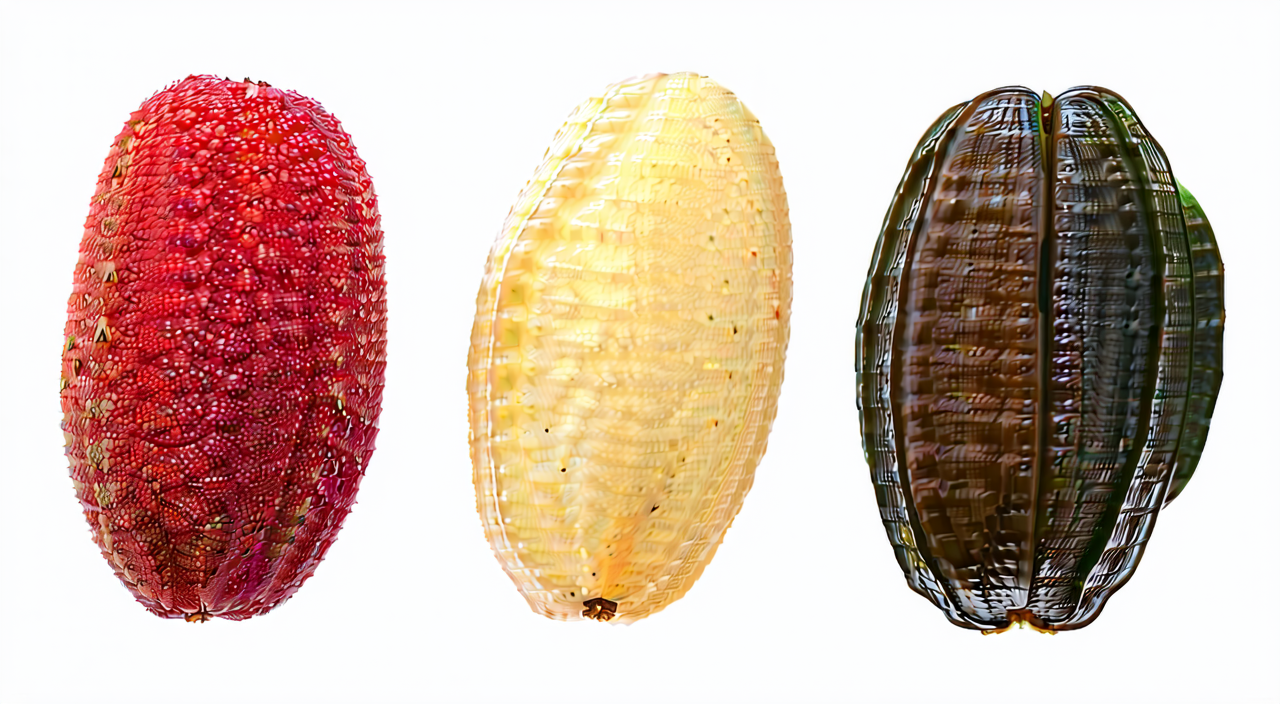
Litchi seed, tangerine seed, and longan seed are all fruit-seed medicinal materials that are sometimes confused, but they come from different plants and have different appearances. Litchi seed is generally oblong or ovate, with a reddish-brown to purplish-brown surface that is usually fairly smooth and glossy. It commonly has one flattened side. Its cross-section is generally white or pale in color, and its texture is hard.
Tangerine seed comes from citrus plants in the Rutaceae family. It is usually smaller than litchi seed and is often ovate, slightly flattened, or irregularly polygonal in shape. Its surface tends to be yellowish white, pale yellow-brown, or grayish white, and some seeds may show fine textures. The hilum and external features of tangerine seed differ from those of litchi seed. The two should not be substituted for each other simply because both are fruit-seed medicinal materials.
Longan seed comes from the mature fruit of the longan plant. It is commonly nearly spherical or elliptical, with an outer color ranging from brownish black to black-brown. Its surface is relatively smooth, and the hilum often appears as a lighter-colored spot or mark. Compared with litchi seed, longan seed is generally more spherical, while litchi seed more commonly has an oblong or ovate outline. Identification should take into account size, shape, color, gloss, hilum, and cross-section. When necessary, consult a qualified professional.
Which Traditional Formulas Contain Litchi Seed?
Lihesan is one of the traditional formulas commonly mentioned as containing litchi seed. It is generally understood within traditional approaches involving the promotion of qi movement, dispersing accumulations, and addressing cold stagnation and qi stagnation. The ingredients, proportions, and directions for use may differ among medical texts, schools of thought, and product versions. The same formula name does not necessarily mean that the formulations are identical, so medicines should not be prepared solely on the basis of a formula name.
Litchi Seed Decoction is another traditional formula name associated with litchi seed. Its specific ingredients and traditional applications must be understood in relation to its source and the pattern being addressed. Some formulas traditionally used for reducing internal causes of hernia may also include litchi seed as part of an approach associated with qi stagnation, cold accumulation, and localized accumulations. This discussion of formulas is intended only as educational information about the medicinal material and is not a prescription for individual symptoms.
If you use a patent Chinese medicine, herbal slices, or a compound preparation containing litchi seed, read the product information carefully to understand the complete ingredients, directions, dosage, contraindications, and precautions. Different formulas may contain multiple herbs, and whether a product is appropriate depends on individual constitution, symptoms, underlying conditions, current medications, and professional advice.
What Precautions Should Be Taken When Using Litchi Seed?
Litchi seed is not suitable for every situation. In traditional theory, it tends to promote qi movement, disperse accumulations, and dispel cold. People with yin deficiency and excessive internal heat, or those who are prone to dry mouth and throat, hot flashes, night sweats, or other clear signs of internal heat, should consult a traditional Chinese medicine practitioner or doctor before use. They should avoid prolonged self-use based solely on information found online. Pregnant or breastfeeding individuals, children, older adults, and people with chronic diseases or those taking other medications should also obtain professional advice first.
If you experience unexplained groin pain, testicular pain, scrotal swelling, or severe abdominal pain, especially when accompanied by nausea, vomiting, fever, or abnormal bowel movements, seek medical attention promptly. Do not use litchi seed or related formulas to delay examination. Severe, long-lasting, or recurrent symptoms also require assessment by a qualified professional.
It is also important to remember that litchi seed is a medicinal material, not a snack intended for direct consumption. Whole seeds are hard, and accidental swallowing may cause choking or digestive-tract risks. Unprocessed seeds should not be boiled or taken in large amounts without professional guidance. When using properly prepared herbal slices or related products, follow the product instructions and professional advice. Pay attention to any discomfort, and if an abnormal reaction occurs, stop self-use and consult a doctor.
Summary
Litchi seed is the seed of the mature litchi fruit. Common features include a reddish-brown to purplish-brown color, a relatively smooth and glossy surface, one flattened side, and a white or pale cross-section. Traditional Chinese medicine commonly understands it in terms of promoting qi movement, dispersing accumulations, dispelling cold, and relieving pain. Related combinations may be found in Lihesan, Litchi Seed Decoction, and some traditional formulas for reducing internal causes of hernia. Litchi seed is not the same as edible litchi flesh and should not be casually substituted for tangerine seed or longan seed. People who are pregnant, have yin deficiency with excessive internal heat, or experience significant or persistent pain should consult a qualified professional first. This article is for educational reference only and cannot replace diagnosis or treatment advice.