
What Is Ding Gong Teng? Medicinal Parts, Identification, and Common Preparations
Ding Gong Teng is a traditional Chinese medicinal herb that requires particular attention to safety limits. It is usually derived from the dried vine stems of Erycibe obtusifolia or Erycibe glabriflora. In traditional Chinese medicine, it is commonly understood in terms of dispelling wind and dampness, reducing swelling, and relieving pain, but it also carries toxicity and a relatively significant risk of adverse reactions. Because its appearance may be confused with other vine-based medicinal materials, some people may try cutting it into pieces and decocting it or soaking it in alcohol at home. This is not suitable for self-treatment. The following sections explain what Ding Gong Teng is, including its appearance, medicinal parts, traditional uses, modern safety concerns, and common preparations.
What Does Ding Gong Teng Look Like? How Is It Identified?
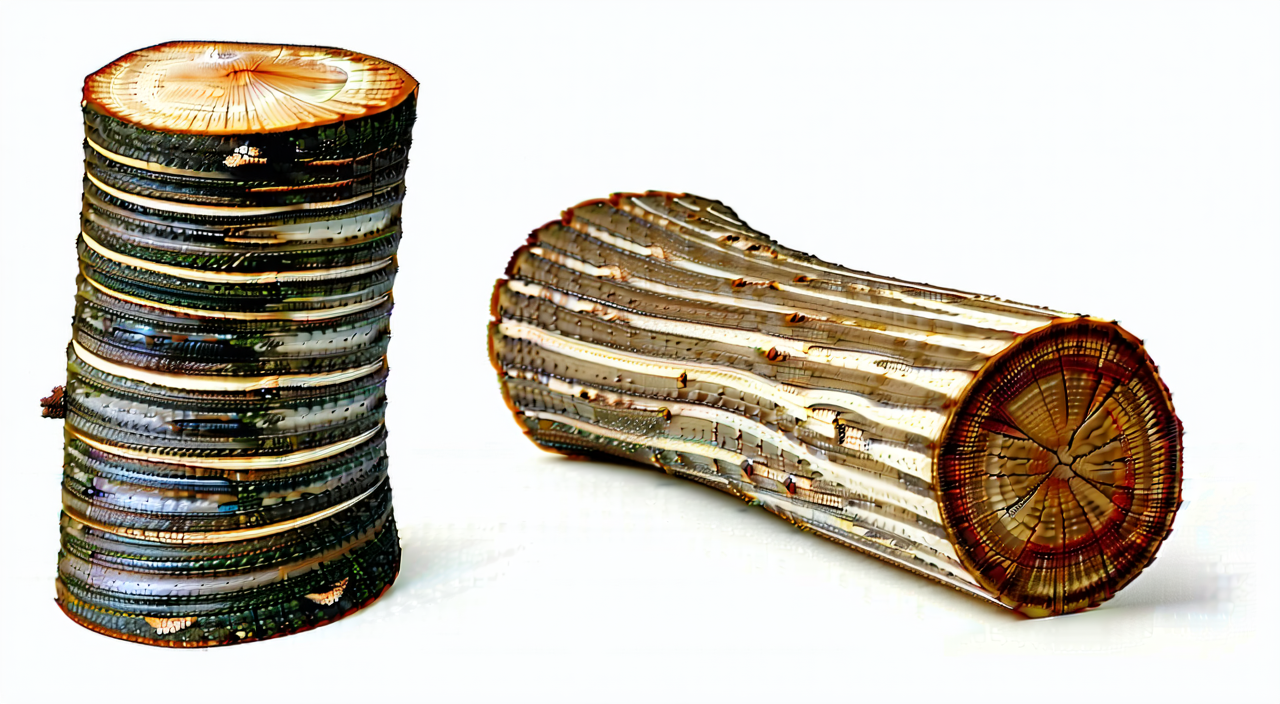
Ding Gong Teng is generally sold as long, cylindrical vine stems. Commercial products have usually been cut into sections or slices, with size and length varying according to harvesting and processing methods. The outer surface is commonly grayish yellow, grayish brown, or brownish yellow. It is not completely smooth and may show longitudinal grooves and small lenticels. Cork may sometimes be peeling, and irregular markings may also be visible. Color can vary between older vines and samples from different regions, so authenticity cannot be judged by color alone.
When the material is broken or its cross-section is examined, the cut surface usually shows distinct radial patterns, with a prominent woody structure and a texture that is relatively hard or tough. Slice thickness, dryness, and storage conditions can also affect how clearly the cross-section can be seen. If the material has become damp, moldy, or insect-damaged, or if it has a noticeable abnormal odor, it should not be used.
In practice, identification should not rely solely on online images. Vine-based medicinal materials can look similar, and differences in photography angle, slice size, and processing may lead to misidentification. When oral use or preparation use is involved, identification should be based on a reliable source, the information on the medicine or herbal-slice packaging, and the opinion of a qualified professional—not on the fact that the material merely “looks similar.”
What Is the Medicinal Part of Ding Gong Teng?

The primary medicinal part of Ding Gong Teng is the vine stem, meaning the stem of the plant rather than its roots, leaves, flowers, or fruit. Traditional herbal materials are generally harvested during an appropriate period, then cleaned, cut into sections or slices, and dried for use as decoction pieces or as raw material for preparations. After processing, the material may change from intact vine sections into irregular fragments, so identification should take into account the outer bark, woody portion, and cross-sectional pattern.
The quality of vine-stem medicines is affected by the plant source, harvested portion, drying process, and storage environment. Even products with the same name should not be decocted, soaked in alcohol, or combined with other herbs at home if their source is not reliable, their labeling is unclear, or essential quality information is missing. Ding Gong Teng carries safety risks in particular, and the fact that it is a traditional medicinal material does not mean that every unidentified vine can be treated as suitable for medicinal use.
When purchasing or handling Chinese medicinal materials overseas, be aware that names, species sources, and regulatory requirements may differ between regions. If a product is an officially approved proprietary Chinese medicine, first review the complete package insert, including its ingredients, directions, dosage, contraindications, and adverse reactions.
How Is Ding Gong Teng Understood in Traditional Chinese Medicine?
Traditional Chinese medicine commonly describes Ding Gong Teng in terms of “dispelling wind and dampness” and “reducing swelling and relieving pain.” These descriptions refer to traditional application concepts and do not constitute conclusions about disease treatment in the sense of modern medicine. In some traditional formulas and topical or oral preparations, Ding Gong Teng is used in approaches related to rheumatic pain, joint discomfort, and injuries from falls or impacts. Whether it is appropriate in a particular case depends on the individual’s constitution, symptoms, formula composition, and professional assessment.
It is important to distinguish traditional descriptions of effects from instructions for self-determined dosage or duration. Ding Gong Teng is not an ordinary food suitable for daily wellness, casual use as a tea substitute, or long-term self-administration. Even when a preparation has clear official approval information, it should be used according to the product instructions. Do not increase the dosage, extend the duration, or combine it with other alcohol-containing products, sedatives, or products that may affect the cardiovascular system.
What Safety Issues Are Highlighted by Modern Research?
One major focus of modern discussions of Ding Gong Teng is its toxicity and safety range. Potential risks may involve the cardiovascular and nervous systems. Individual differences, the method of use, preparation concentration, alcohol consumption, and concurrent medications may all affect the body’s response. Warning signs may include palpitations, dizziness, nausea, fatigue, abnormal sweating, numbness in the hands or feet, or changes in mental status, although symptoms may differ from person to person.
The term “therapeutic window” can be understood simply as the relatively narrow safety range between achieving the intended traditional application and experiencing adverse reactions. It should not be used as a basis for experimenting with dosage. Home decoction, alcohol soaking, or casual combination with other herbs can make the ingredients and dose difficult to control. Alcohol may also affect absorption and bodily reactions, so homemade medicinal wine should not be treated as a more convenient method of use.
If significant palpitations, dizziness, chest tightness, abnormal breathing, persistent vomiting, confusion, or other rapidly worsening symptoms occur after using an officially approved preparation containing Ding Gong Teng, stop using it immediately and seek medical attention as soon as possible. Keep the product packaging and usage information so that healthcare professionals can assess the situation.
What Is the Difference Between Ding Gong Teng, Qing Feng Teng, and Hai Feng Teng?
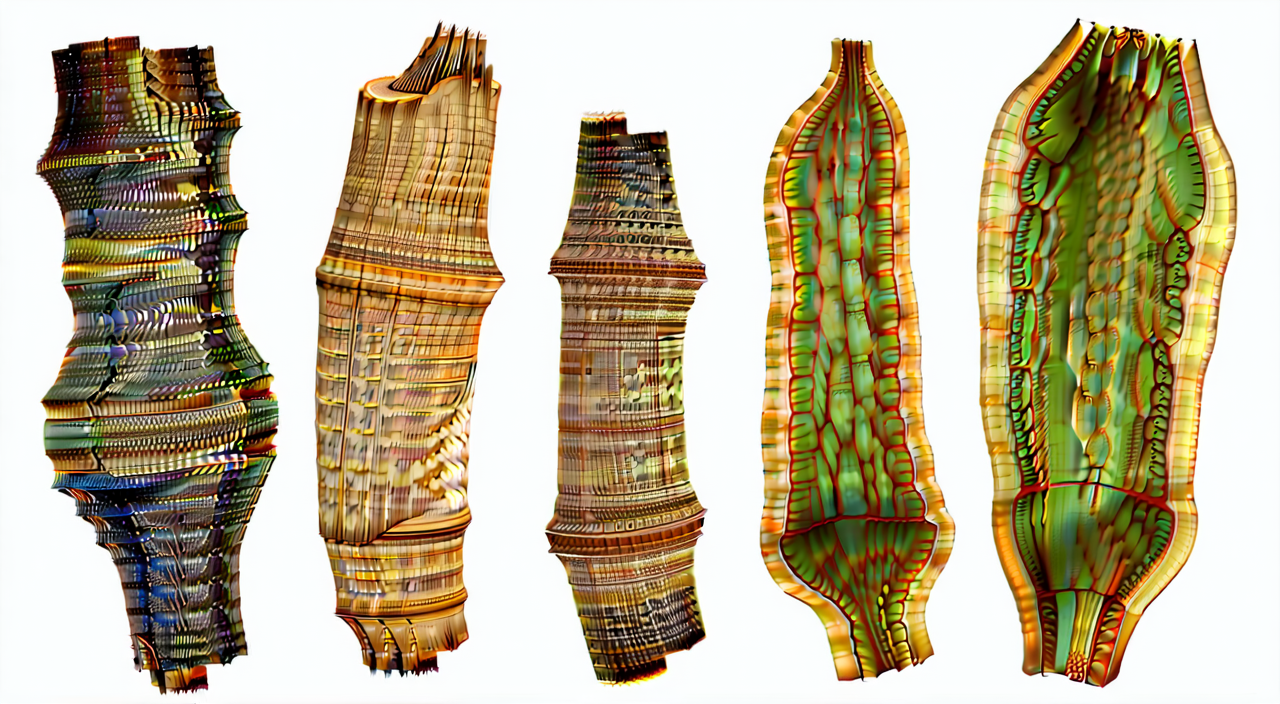
Ding Gong Teng, Qing Feng Teng, and Hai Feng Teng may all appear as vine stems or vine-based medicinal materials. Their names are similar and their appearances may overlap, so they should not be substituted for one another simply because their names contain the word “vine.” Ding Gong Teng is commonly sold as a grayish-yellow to grayish-brown vine stem with longitudinal grooves and lenticels, while its cross-section often shows radial patterns. Qing Feng Teng and Hai Feng Teng each have their own standardized plant sources, medicinal parts, and identifying characteristics. Their classification as vine-stem medicines does not mean that their effects or safety profiles are the same.
Comparison usually requires reviewing the complete source of the material, the color and texture of the outer surface, the cross-sectional structure, odor, specifications, and identification results. Differences in region of origin, plant age, and processing methods can affect appearance. A single photograph or one slice is often insufficient for reliable identification. Because Ding Gong Teng carries toxicity risks, misidentification or substitution may result in real safety concerns.
Therefore, the difference between Ding Gong Teng and Qing Feng Teng cannot be reduced to color or name alone; Hai Feng Teng should not be treated as a substitute for Ding Gong Teng either. Before purchasing or using these materials, verify the standardized name and source, and consult a Chinese medicine practitioner, pharmacist, or other qualified professional when necessary.
What Common Preparations Contain Ding Gong Teng?
Officially approved preparations containing Ding Gong Teng can be found on the market and are commonly associated with traditional approaches for rheumatic conditions, injuries, and similar concerns. Examples include Fengliaoxing Rheumatism and Traumatic Injury Medicinal Wine and Ding Gong Teng Rheumatism Medicinal Wine. The formulas, concentrations, dosage forms, indications, contraindications, and precautions of different products are not identical. Products should not be considered the same simply because their names contain “Ding Gong Teng” or “rheumatism.”
These preparations should be evaluated on the basis of reliable packaging and approval information. Read the product instructions before use, paying particular attention to the ingredients, directions and dosage, contraindications, adverse reactions, and storage requirements. This article does not provide instructions for making preparations or adjusting dosages at home, nor does it recommend soaking herbal slices in alcohol as a substitute for an officially approved preparation. Suitability should be assessed comprehensively in light of symptoms, age, constitution, medical history, current medications, and professional advice.
What Precautions Are Needed When Using Ding Gong Teng?
First, self-decocting, alcohol soaking, topical use after soaking, or treating Ding Gong Teng as an ordinary wellness material at home is not recommended. The source, authenticity, dosage, and amount extracted may all be difficult to control, and the concentration after alcohol soaking is especially difficult to estimate. Pregnant people, those trying to conceive or breastfeeding, as well as children, older adults, and people with heart disease or heart rhythm problems, should avoid independently handling or using products containing Ding Gong Teng and should consult a doctor or pharmacist first.
Second, alcohol consumption can increase risks related to judgment and reaction time and may also interact with other ingredients in a preparation. During use, do not combine it with alcoholic drinks, herbal products of unknown origin, or medications that may affect the cardiovascular or nervous systems without professional advice. If palpitations, dizziness, chest tightness, abnormal breathing, persistent vomiting, drowsiness, or other significant discomfort occurs, seek medical attention promptly. Do not continue waiting for symptoms to resolve or attempt to treat them with other herbs.
People with severe or recurrent symptoms, or symptoms accompanied by significant pain, swollen joints, fever, unexplained weight loss, or other concerning signs, should also consult a doctor or qualified professional first. The cause should be clarified before considering any traditional medicinal material or preparation. This article is for general educational reference only and cannot replace professional diagnosis or treatment advice.
Summary
Ding Gong Teng primarily uses the dried vine stem. It is commonly grayish yellow or grayish brown, with longitudinal grooves and lenticels, while its cross-section may show radial patterns. It is not the same medicinal material as Qing Feng Teng or Hai Feng Teng, and it should not be substituted casually. Although Ding Gong Teng has traditional applications, it carries risks of adverse effects involving the cardiovascular and nervous systems. It should not be decocted or soaked in alcohol at home. Pregnant people, those with heart disease, and anyone who develops significant discomfort should exercise particular caution and seek professional help promptly.