
What Is Tribulus? Medicinal Parts, Identification, and Common Herbal Formulas
What is tribulus? For many overseas Chinese readers, the most immediate impression of tribulus is its spiny fruit. However, it is not the same herb as shayuanzi, which also contains “jili” in its Chinese name. In traditional Chinese medicine references, tribulus usually refers to the mature fruits of a plant in the Zygophyllaceae family, Tribulus terrestris, and it is also commonly called white tribulus. Because the fruits are hard and spiny, protective measures are needed during harvesting and handling. The following sections explain its botanical appearance, medicinal parts, traditional understanding, common formulas, and precautions for use.
What Does Tribulus Look Like? How Can It Be Identified?
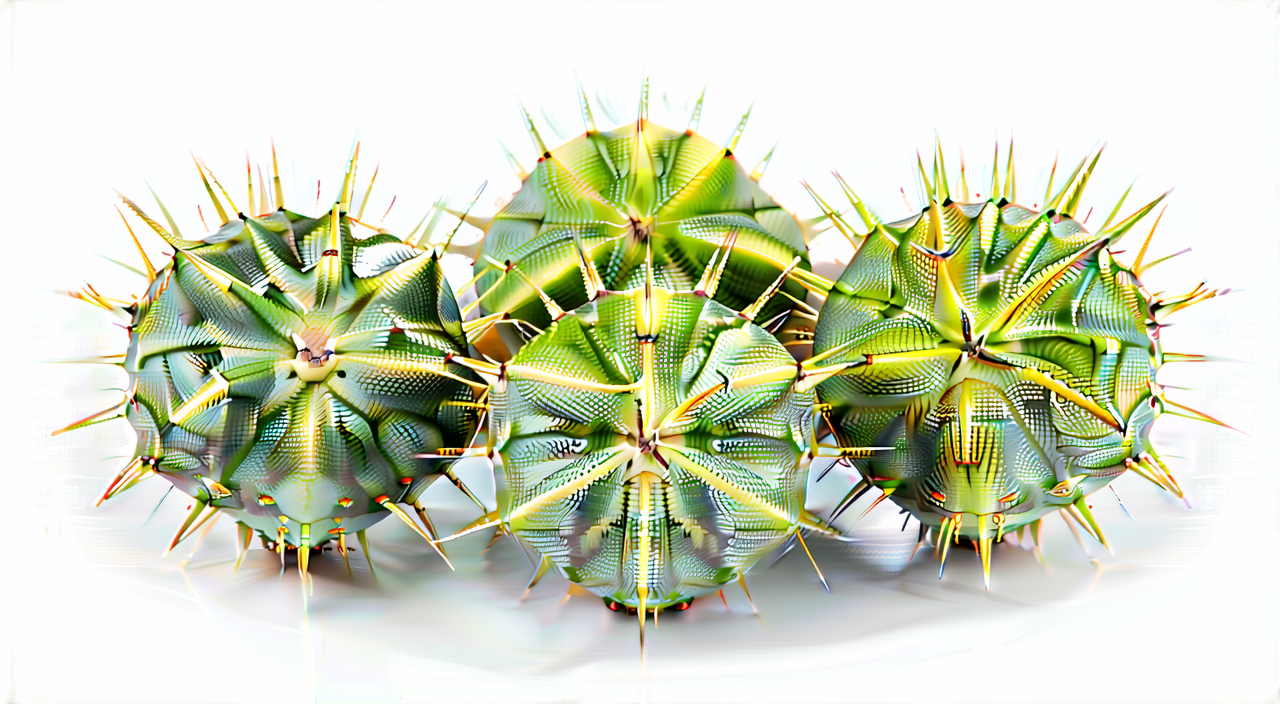
Tribulus is an annual herb commonly found in relatively dry wastelands, along roadsides, at field edges, or in sandy areas. The plant usually grows prostrate, with slender stems spreading outward in all directions. Its leaves are pinnate compound leaves with paired leaflets, and its overall appearance is not particularly conspicuous. Small yellow flowers may appear during the flowering period, but the fruit is the main focus when identifying the medicinal material.
The mature fruit of tribulus consists of multiple fruit segments, usually with about five segments arranged radially around the center. Each segment is relatively hard and is commonly grayish-yellow, yellow-green, or brownish-yellow. The surface often has prominent wart-like projections along with hard spines of varying lengths. After drying, the fruit becomes tough, and the spines can easily prick the hands, so it should not be repeatedly handled with bare hands.
Identification can be based on three features: first, whether the fruit is arranged in a radial pattern; second, whether the surface has both wart-like projections and hard spines; and third, whether the overall material is grayish-yellow and hard rather than soft and juicy. Commercially prepared slices may have already been de-spined, crushed, or stir-fried, making the complete form less obvious. Identification should therefore also consider the packaging label, source, and professional examination rather than relying on a single fragment.
What Is the Medicinal Part of Tribulus?
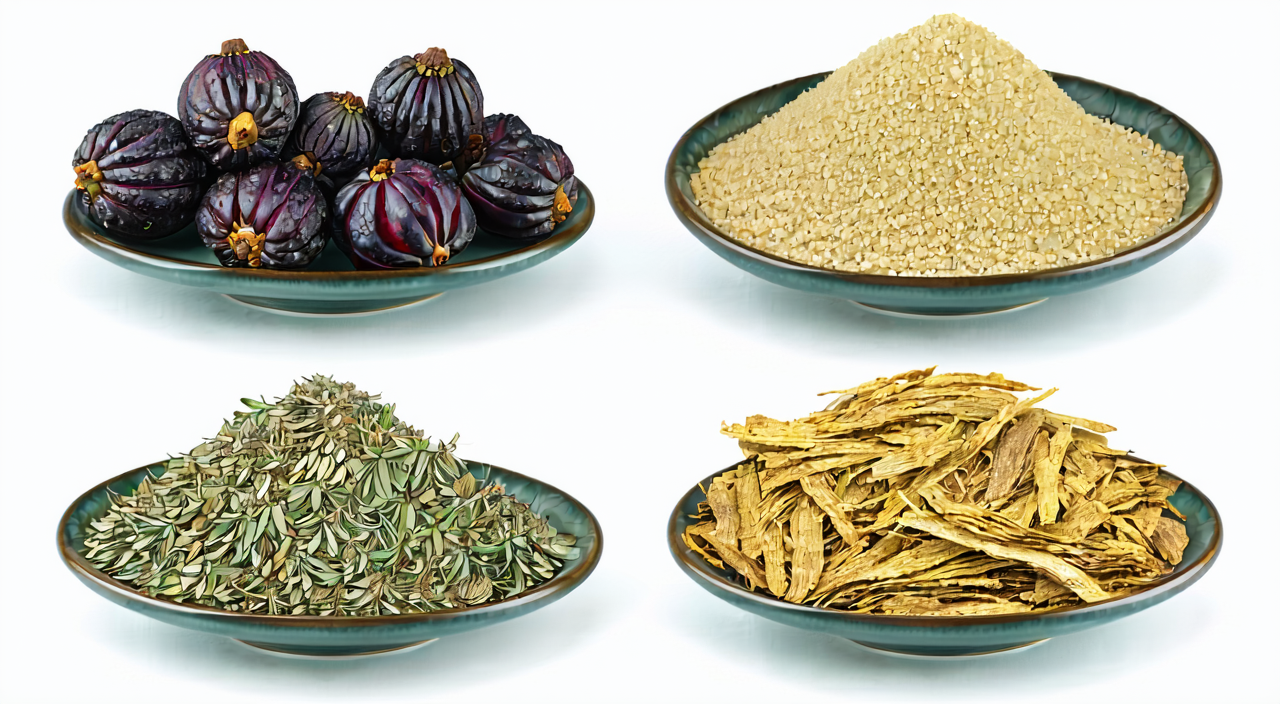
In traditional Chinese medicine, the tribulus used medicinally is primarily the mature fruit of the plant, not its roots, stems, or leaves. It is generally harvested when the fruit has matured and turned grayish-yellow or yellowish-brown, then dried for use. Because the fruit is spiny, harvesting, sorting, and transportation can easily injure the skin, so handlers typically take protective measures such as wearing gloves.
Common processing methods include removing impurities, taking off the spines, and crushing the fruit. De-spined material is easier to store and prepare, while crushing helps with subsequent decoction. Some prepared slices are also processed as stir-fried tribulus, meaning they are stir-fried under standardized conditions, which changes their color, aroma, and texture. Processing methods may vary by region, product specifications, and processing standards, so actual use should follow the labeling of a legitimate medicinal product and professional guidance.
It is important to note that the presence of more spines on an intact tribulus fruit does not necessarily indicate better quality. The number of spines cannot be used to directly determine its suitability for a particular purpose. When purchasing or identifying the herb, prioritize products with a clear source, intact packaging, and standardized labeling.
How Does Traditional Chinese Medicine Understand Tribulus?
Within traditional Chinese medicine theory, tribulus is commonly understood from the perspectives of calming the liver, relieving constraint, dispelling wind, and promoting blood circulation. Some traditional applications use it in approaches related to hyperactive liver yang or constrained emotions, while classical medical texts also describe it in relation to wind-related discomfort, itchy skin, or eye discomfort. Common summaries include calming the liver and relieving constraint, promoting blood circulation and dispelling wind, and improving vision and relieving itching. These are descriptions from traditional theory and practice and do not represent conclusions about modern medical diagnosis or treatment.
The specific use of tribulus generally needs to be determined together with symptom patterns, constitution, tongue and pulse characteristics, and the herbs used in combination. The same name does not mean that a product is suitable for everyone. In particular, when discomfort persists, recurs, or is accompanied by significant anxiety, depression, palpitations, chest tightness, pain, or changes in vision, do not self-medicate based only on online health information. Consult a physician or a qualified traditional Chinese medicine practitioner.
What Can Modern Research Tell Us?
Modern research has examined tribulus in relation to its plant compounds, saponins, flavonoids, and antioxidant activity. Some studies have also explored its potential effects on blood vessels, inflammatory responses, or skin-related manifestations. However, differences remain between laboratory research, animal studies, and practical human use. Research findings cannot be directly equated with a definite effect of a particular herb or product on an individual.
Products marketed as sports nutrition supplements may also use tribulus or its English name as a selling point. Their raw materials, extraction ratios, formulas, and regulatory classifications may differ from those of traditional prepared herbs and proprietary Chinese medicines. Marketing claims related to fitness, energy, or men’s health should not be automatically equated with the traditional use of Chinese medicine. When choosing such products, check the ingredient list, recommended dosage, intended users, and warning information, and avoid treating supplement marketing claims as evidence for medicinal use.
What Are the Differences Between Tribulus, Shayuanzi, and Cocklebur Fruit?
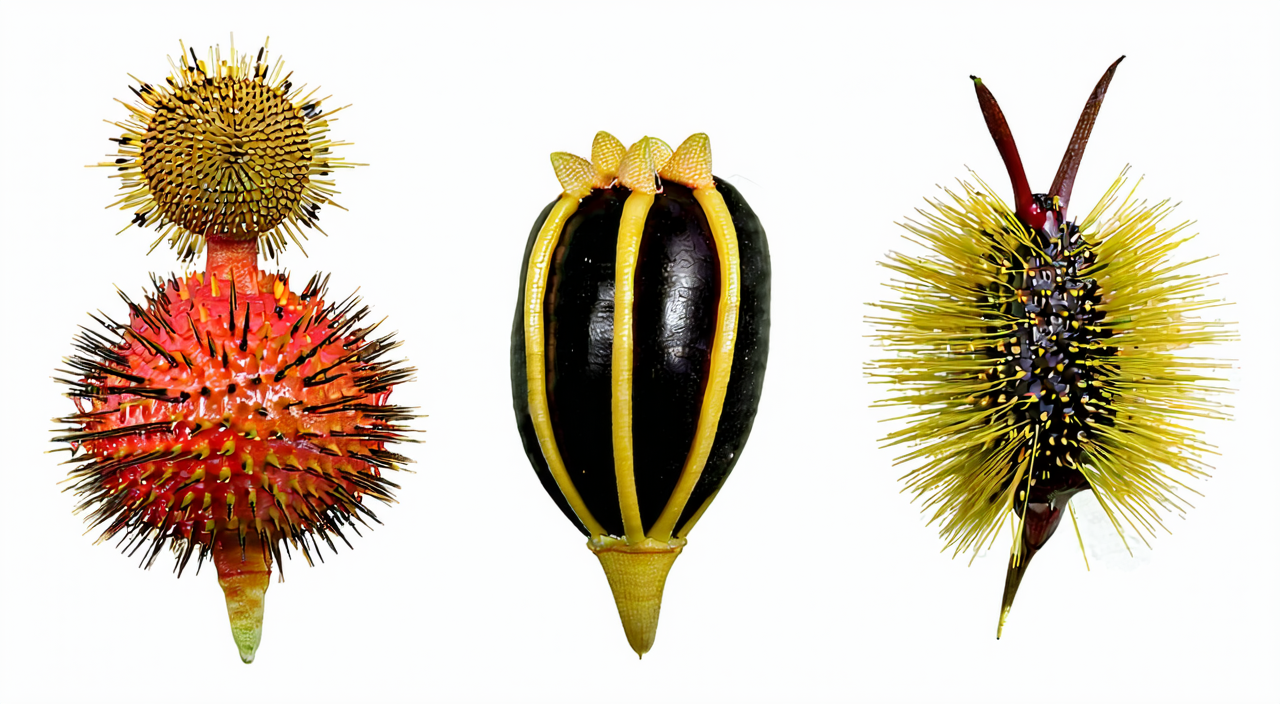
Tribulus, shayuanzi, and cocklebur fruit can sometimes be confused because of similarities in their names or traditional-use contexts. However, they come from different plants and have different appearances and medicinal parts.
| Herb | Appearance | Main medicinal part | Identification points |
|---|---|---|---|
| Tribulus (white tribulus) | Grayish-yellow to yellow-green; a radial fruit made up of multiple segments, with hard spines and wart-like projections | Mature fruit | Hard fruit with prominent spines, commonly consisting of five fruit segments |
| Shayuanzi | Seeds are generally kidney-shaped and may be greenish-brown or brownish-black; they usually have no exposed hard spines | Mature seeds | Looks like small kidney-shaped seeds rather than a radially arranged spiny fruit |
| Cocklebur fruit | Ovate or elliptical fruit densely covered with hooked spines | Mature fruit with its involucre | Dense hooked spines make it look like an elliptical fruit covered with hooks |
Shayuanzi comes from a legume plant and is traditionally understood mainly in terms of supporting the liver and kidneys. Cocklebur fruit is another spiny fruit medicinal. The three should not be substituted for one another simply because they are all associated with terms such as fruit, the liver and kidneys, or wind-related conditions. When dealing with loose herbs or products with similar appearances, have them identified by a pharmacist, qualified Chinese herbalist, or reputable institution.
Which Herbal Formulas Contain Tribulus?
Traditional formulas and proprietary Chinese medicines containing tribulus are often formulated around approaches such as calming the liver, dispelling wind, relieving constraint, improving vision, or relieving itching. White Tribulus Powder is one traditional formula name. Its specific ingredients, dosages, and directions for use should follow the source medical text or the instructions for a legitimate product. Formulas with the same name may differ in composition and preparation depending on their source, so do not prepare or combine herbs based only on the formula name.
Mingmu Jili Pills are a traditional proprietary Chinese medicine containing tribulus. They are generally discussed in relation to eye discomfort, wind-heat, or related traditional patterns. When there is eye redness, eye pain, reduced vision, light sensitivity, or substantial discharge, an ophthalmic evaluation should be considered first. Do not use the name of a proprietary Chinese medicine as the basis for self-diagnosis.
In addition, tribulus may be combined with other herbs in formulas for calming the liver and dispelling wind when indicated by pattern differentiation. The intended use, contraindications, and duration of a formula depend on constitution, symptoms, age, concurrent medications, and product specifications. Whether considering White Tribulus Powder, Mingmu Jili Pills, or another liver-calming and wind-dispelling formula, evaluate the option together with the product instructions, personal circumstances, and professional advice.
What Precautions Are Needed When Using Tribulus?
First, people who are pregnant, trying to conceive, or breastfeeding should not use tribulus without professional advice. People with low blood pressure, abnormal liver or kidney function, or chronic diseases, as well as those taking blood pressure medications, diuretics, anticoagulants, or other long-term prescription medicines, should also consider related products only after professional evaluation. This helps avoid overlooking potential interactions or individual differences.
Second, the hard spines of tribulus fruit may cause scratches or puncture wounds. Use tools or gloves when handling intact fruit. If significant redness, swelling, pain, or a retained foreign object occurs, seek appropriate care promptly and obtain medical help when necessary. Prepared slices, granules, and proprietary Chinese medicines have different specifications and should not be converted casually according to the weight of the crude herb.
If related discomfort is severe, lasts for a long time, or keeps recurring—especially when accompanied by marked anxiety, depression, palpitations, chest tightness, abnormal breathing, persistent pain, changes in vision, unexplained weight loss, or other unusual symptoms—consult a physician promptly. This article is provided for general educational reference about Chinese medicinal herbs and cannot replace professional diagnosis or treatment advice.
Summary
Tribulus generally refers to the mature fruit of Tribulus terrestris. The intact medicinal material has a radial structure made up of about five fruit segments, with a grayish-yellow surface covered by hard spines and wart-like projections. Its appearance may change after the spines are removed, the fruit is crushed, or it is stir-fried. Tribulus is not the same herb as shayuanzi, which has kidney-shaped seeds, or cocklebur fruit, which has a hooked-spine involucre. White Tribulus Powder, Mingmu Jili Pills, and other liver-calming and wind-dispelling formulas should be considered in light of individual circumstances and professional advice. This article is for general educational reference only and cannot replace professional diagnosis or treatment advice.