
What Is Shan Ci Gu? Medicinal Parts, Identification, and Common Formulas
Shan Ci Gu is one of the Chinese medicinal materials whose name is relatively prone to confusion. In traditional medicinal references, Shan Ci Gu usually refers to the pseudobulbs of plants such as Cremastra appendiculata and Pleione bulbocodioides. Some references and market descriptions may also group materials from similar sources under the same name. For overseas Chinese readers, understanding what Shan Ci Gu looks like, which part is used medicinally, and how it differs from Guang Ci Gu and Chong Lou can help when reading product information and traditional formula references.
It is important to note that Shan Ci Gu cannot be identified simply by seeing a similar-looking spherical rhizome or root. Names may be carried over or used interchangeably across regions, supply channels, and product labels. Reliable identification should still be based on standardized sources, morphological examination, and professional advice.
What Does Shan Ci Gu Look Like? How Can It Be Identified?
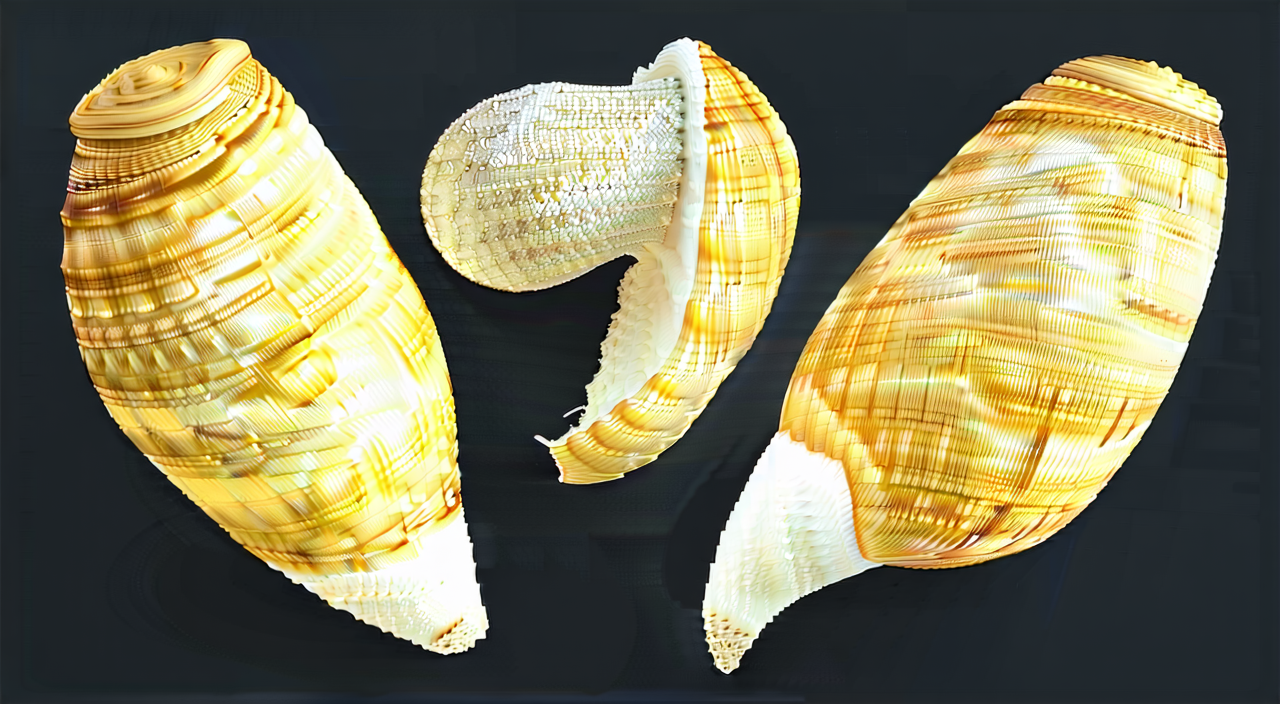
Appearance and Surface Features
When examined as a commercial medicinal material, Shan Ci Gu is often irregularly conical, ovate, or slightly flattened and block-shaped, with sizes that are not completely uniform. Its surface is usually yellowish white, pale yellowish brown, or yellowish brown. Fine rings, wrinkles, or residual scale-like marks may sometimes be visible on the outer layer. Bud scars or marks associated with connections to stems and leaves may also be present at the top of some specimens.
The surface of Shan Ci Gu is not necessarily smooth or intact. After harvesting, washing, and drying, it may become shrunken, cracked, or partially peeled. These changes alone cannot be used to determine authenticity. Identification should consider the overall shape, color, texture, odor, and source information together.
Cross-Section and Texture
When broken or cut open, Shan Ci Gu commonly has a yellowish-white to pale-yellow cross-section, with a texture that may be powdery or slightly horny. A powdery cross-section is one of its more useful identification features, although differences in drying can affect how friable the cross-section is. In general, the inside of the material should be checked for uniformity, as well as for obvious mold spots, insect damage, abnormal discoloration, or an irritating odor.
Reliable identification cannot be completed based only on online images, color, or a single morphological feature. When purchasing loose medicinal materials or handling samples from unknown sources, be especially alert to cases in which the name is the same but the botanical origin differs.
What Is the Medicinal Part of Shan Ci Gu?
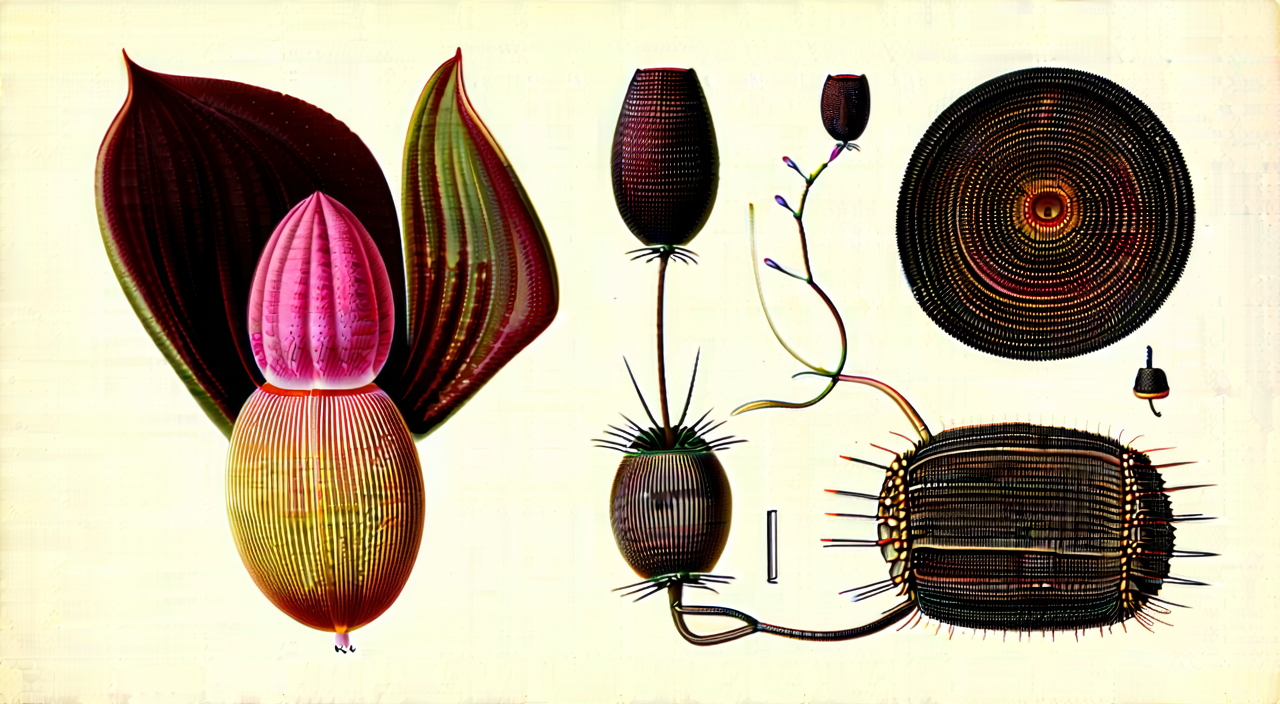
The traditional medicinal part of Shan Ci Gu is mainly the plant’s pseudobulb. Some references may also use the more general term “tuber” to describe its appearance. A pseudobulb is a swollen structure found underground or near the ground in orchid plants, and it stores nutrients. In appearance, it can easily be mistaken for an ordinary bulb or tuber. The morphology varies among plants of different botanical origins, so the medicinal part cannot be understood separately from the plant source.
Traditional harvesting generally involves digging up the swollen underground or near-ground portions after the plant has reached a certain stage of growth. The material is then cleared of soil and impurities and processed by washing, slicing, or direct drying. The specific harvesting period, drying method, and commercial specifications may vary according to the production area, plant variety, and processing practices.
When identifying the material, the pseudobulb should be distinguished from a true root or rhizome, and changes caused by processing should also be taken into account. If a label only states Shan Ci Gu without clearly identifying the botanical origin, production area, or testing information, consumers should not judge its quality or appropriate use based on the name alone.
How Does Traditional Chinese Medicine Understand Shan Ci Gu?
Traditional Chinese medicine commonly understands Shan Ci Gu from the perspectives of clearing heat, removing toxins, reducing swellings, and dispersing nodules. Its historical applications have often been associated with traditional approaches to sores, swellings, pain, and accumulations. These descriptions summarize functions in traditional herbal and formula theory and do not represent modern medical diagnoses or treatment conclusions for specific diseases.
In traditional herbal combinations, Shan Ci Gu is generally not discussed independently of the pattern, dosage, and compatibility relationships. Practitioners consider symptoms, constitutional characteristics, the course of the condition, and other medications when making a pattern-based assessment. Even when the name is the same, the ingredients, dosage, preparation method, and directions for use may differ between products. The fact that a formula contains Shan Ci Gu does not mean that the formula is suitable for everyone.
People undergoing modern medical examinations or taking medication, especially those with chronic diseases, abnormal liver or kidney function, or a need for long-term medication, should seek professional advice when learning about traditional uses and avoid adding it to their regimen independently.
How Does Modern Research View Shan Ci Gu?
Modern research may examine Shan Ci Gu from the perspectives of chemical constituents, cell experiments, animal studies, quality standards, and toxicology. Laboratory findings can help researchers understand the possible activity of certain constituents, but findings at the cellular or animal level cannot be directly equated with confirmed effects in humans, nor can they support treatment claims for tumors or other serious diseases.
Clinical evidence requires consideration of study design, sample size, dosage, formulation differences, observation period, and adverse-event records. Information related to Shan Ci Gu may vary between sources because of differences in botanical origin, samples, and preparation methods. Therefore, research should not be interpreted by looking at only one experimental result.
Toxicity assessment is another important consideration. Natural origin does not necessarily mean that a substance is suitable for long-term or high-dose use. Shan Ci Gu and similarly named medicinal materials may contain constituents that affect the gastrointestinal or nervous systems. The specific risks also depend on botanical origin, dosage, processing, formulation, and individual health status. Modern research and traditional experience should be understood separately; experimental findings should not be presented as definite clinical benefits.
What Are the Differences Between Shan Ci Gu, Guang Ci Gu, and Chong Lou?
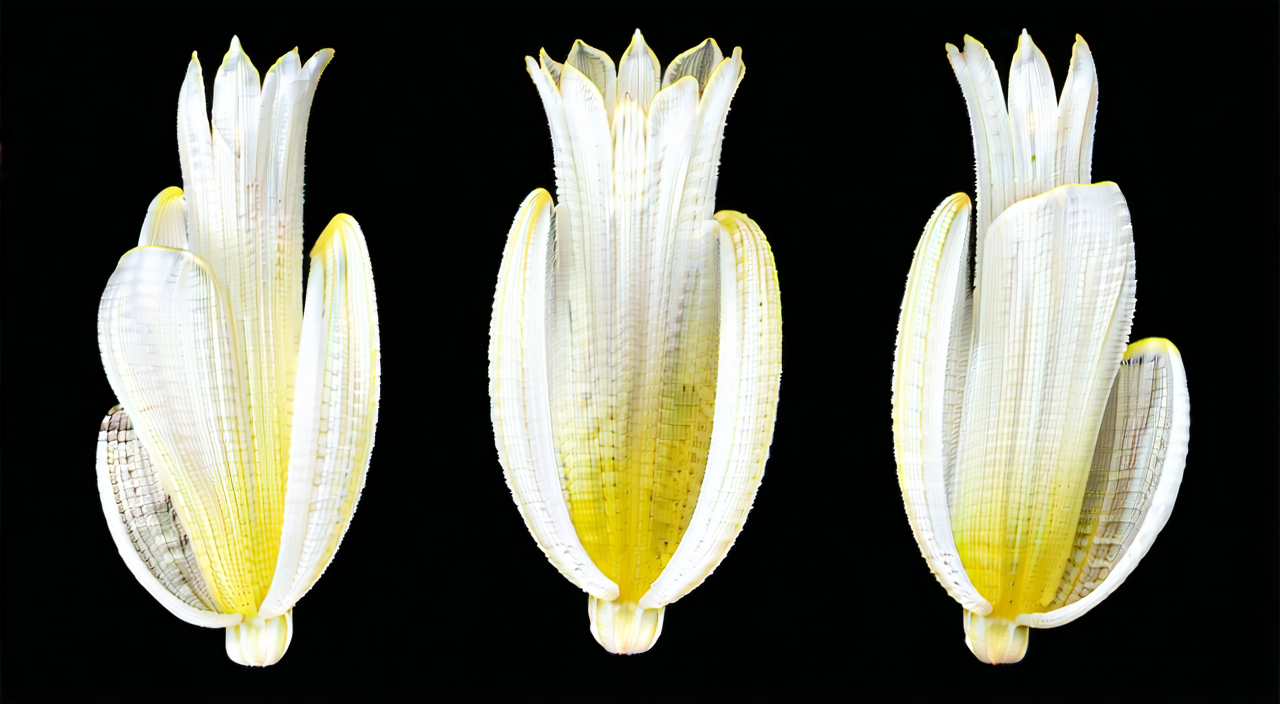
Shan Ci Gu, Guang Ci Gu, and Chong Lou are sometimes compared in certain market contexts, but they are not the same standardized medicinal material. Shan Ci Gu traditionally refers mainly to the pseudobulbs of related plants such as Cremastra appendiculata and Pleione bulbocodioides. Guang Ci Gu is often used to refer to medicinal materials or commercial names associated with similar sources, including plants in the genus Pleione. Names may overlap between regions, so actual identification should involve checking the botanical origin and applicable medicinal-material standards.
In appearance, both Shan Ci Gu and Guang Ci Gu may be ovate, conical, or block-shaped, and their colors may also be similar. As a result, appearance alone may not be enough to distinguish them accurately. Identification generally requires a comprehensive examination of size, surface rings, bud scars, cross-section color, powderiness, texture, and source information. Differences in processing and drying can also create noticeable visual variations.
Chong Lou comes from a different group of plants. Its traditional medicinal part is mainly the rhizome, which often has more noticeable transverse rings or joint marks. Its cross-section and texture also differ from those of the Shan Ci Gu pseudobulb. Chong Lou likewise requires attention to dosage and toxicity risks. It should not be substituted for Shan Ci Gu simply because some traditional descriptions of their uses may be similar.
If the botanical origin is not clearly stated on the medicinal-material label, packaging, or seller’s information, do not replace one material with another based on the name alone. For materials intended for internal use, standardized identification is more important than guessing from appearance.
Which Traditional Formulas Contain Shan Ci Gu?
In traditional formula references, names such as Zi Jin Ding, Yu Shu Dan, and Tai Yi Zi Jin Dan are often associated with Shan Ci Gu. The historical origins, ingredient ratios, preparation methods, and schools of transmission of these formulas may differ. In some references, certain names may also be considered formulas with the same origin or closely related formula names. When reading product information, refer to the specific label, formula composition, and directions.
In traditional contexts, these formulas or Chinese patent medicines are often used according to particular traditional approaches. This does not mean they are suitable for self-treatment of any disease, nor does it mean that all products with the same name have exactly the same ingredients. Names such as Zi Jin Ding, Yu Shu Dan, and Tai Yi Zi Jin Dan may correspond to different manufacturers or specifications. Dosage, administration, and risks cannot be determined from the formula name alone.
When learning about formulas that contain Shan Ci Gu, focus on four areas: first, whether Shan Ci Gu or its relevant botanical origin is clearly listed; second, the dosage form and directions for use; third, contraindications, adverse reactions, and storage requirements; and fourth, whether the individual is pregnant, a child, has a chronic disease, or is taking other medications. Suitability should still be assessed comprehensively based on personal constitution, symptoms, product information, and professional advice.
What Precautions Apply When Using Shan Ci Gu?
First, gastrointestinal and nervous-system risks should be taken seriously. Improper use or individual intolerance may cause nausea, vomiting, abdominal pain, diarrhea, dizziness, fatigue, numbness, or other discomfort. If persistent vomiting, significant abdominal pain, altered consciousness or sensation, abnormal breathing, or other serious symptoms occur, stop self-use immediately and consult a doctor or qualified professional.
Pregnant or breastfeeding individuals, children, older adults, and people with abnormal liver or kidney function should not independently try to take Shan Ci Gu or preparations containing it by mouth. People taking multiple medications, receiving treatment for chronic diseases, or with a history of allergies should also consult a professional first. The risks of topical and oral use are not the same. Topical preparations should be used according to their instructions, avoiding contact with the eyes and mouth and with large areas of damaged skin.
Second, confusion about the source must be prevented. Shan Ci Gu, Guang Ci Gu, Chong Lou, and other materials may be difficult for nonprofessionals to distinguish because of similarities in their names and appearance. Materials from unknown sources or without labels, batch information, or with an unusual odor should not be used. Do not increase the dosage, extend the duration of use, or combine it with other medicines simply because the material is natural or because a traditional formula has been used for a long time.
For severe, persistent, or recurring symptoms, or symptoms accompanied by marked anxiety, depression, palpitations, chest tightness, pain, abnormal breathing, severe abdominal pain, persistent vomiting, black stools, unexplained weight loss, or similar signs, seek evaluation from a doctor or qualified professional as a priority. Shan Ci Gu or related formulas should not replace necessary examinations and treatment.
Summary
Understanding what Shan Ci Gu is begins with its standardized botanical origin and medicinal part. Traditionally, it mainly refers to the pseudobulbs of plants such as Cremastra appendiculata and Pleione bulbocodioides. It is often irregularly conical or ovate in shape and may show rings, bud scars, and a powdery cross-section. Shan Ci Gu should not be substituted for Guang Ci Gu or Chong Lou based on their names alone, and related formulas should be assessed according to their specific composition and instructions. Because source confusion and gastrointestinal or nervous-system toxicity risks are possible, pregnant individuals, children, and people with underlying diseases should not take it orally without professional guidance. This article is for educational reference only and cannot replace professional diagnosis or medication advice.