
What Is Wild Buckwheat? Medicinal Parts, Identification, and Common Preparations
The name wild buckwheat may easily remind people of the buckwheat foods served at the table. However, in the context of traditional Chinese medicine, they are not the same medicinal form. Wild buckwheat is mainly derived from the dried rhizome of the wild buckwheat plant, while sweet buckwheat and tartary buckwheat are generally consumed as mature seeds. To understand what wild buckwheat is, it is important to first distinguish its botanical source, medicinal part, and appearance, before considering its traditional uses and related preparations.
What Does Wild Buckwheat Look Like? How Can It Be Identified?
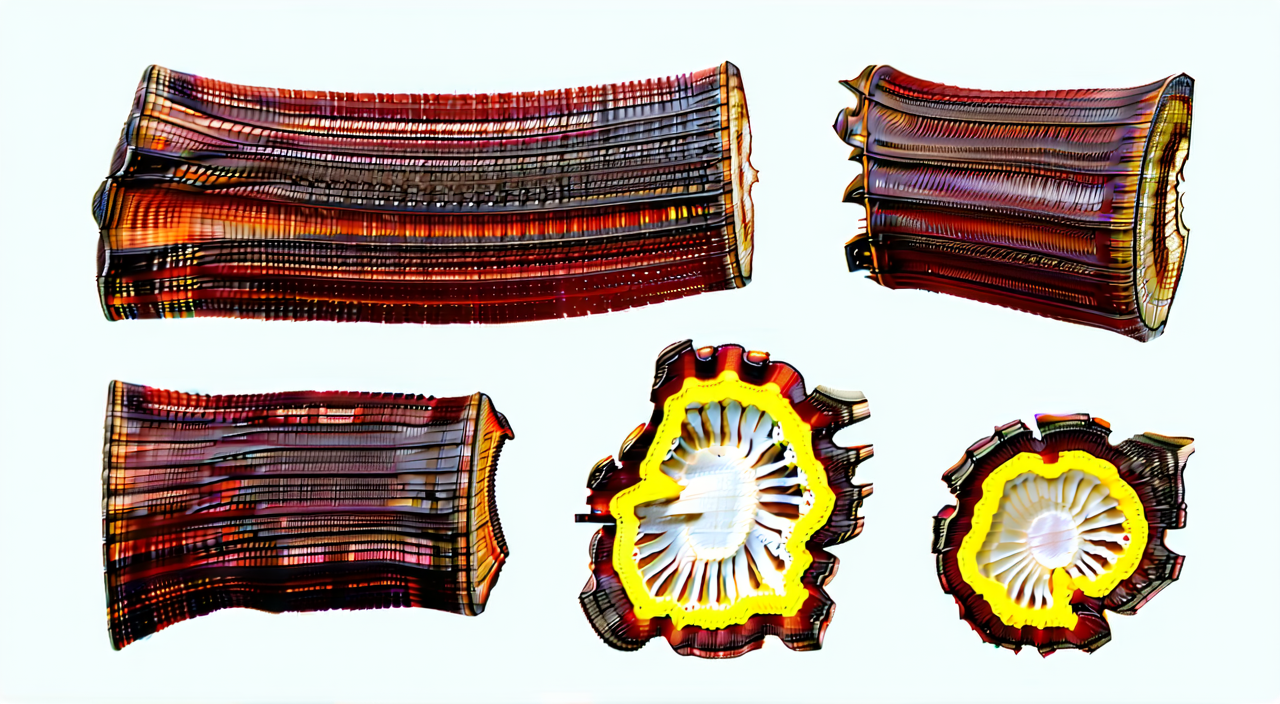
Wild buckwheat is the rhizome of a plant in the buckwheat family, Polygonaceae. The medicinal material is usually irregularly nodular, slightly curved, or branched. Its size and shape may vary depending on the growing environment, harvest time, and processing method. The outer surface is typically reddish brown to dark brown, with relatively coarse longitudinal wrinkles, root scars, and horizontally arranged lenticels. Some specimens may also retain short roots or traces of stem bases.
The cut surface is an important aid to identification. The cross-section of wild buckwheat may appear yellowish white, pale yellowish brown, or reddish brown. The texture is generally firm, and the color and pattern at the center and around the edges may not be completely uniform. After drying, the material usually has little noticeable odor. It may taste bitter and astringent, but medicinal herbs should not be identified solely by tasting them.
When examining the material, shape, surface color, lenticels, cut surface, and packaging information should be considered together. The authenticity and quality of an herb cannot be determined entirely from its name or a single photograph. When purchasing or using it, also check its source, specifications, storage condition, and legally required labeling. Material showing obvious mold, insect damage, moisture exposure, or an unusual odor should not be used without professional guidance.
What Is the Medicinal Part of Wild Buckwheat?
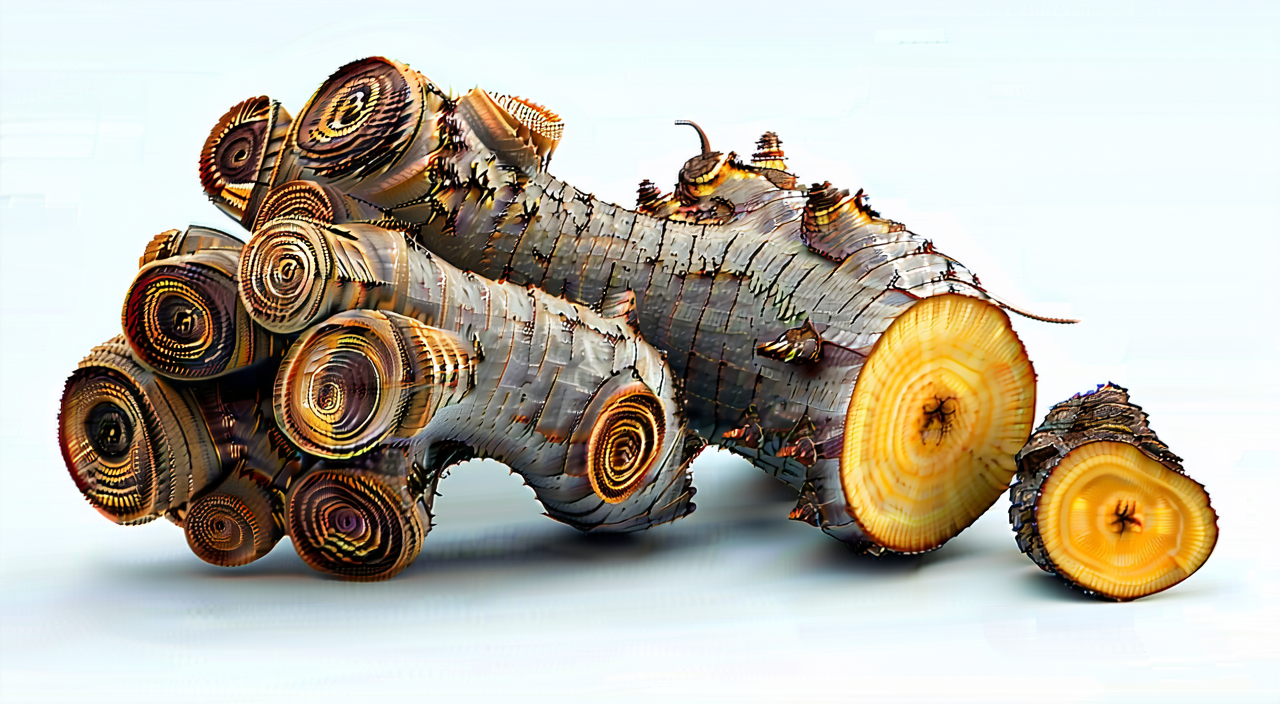
The main medicinal part of wild buckwheat is the rhizome, not the buckwheat seed. The underground rhizomes are generally harvested during the appropriate season, cleared of soil and fibrous roots, washed, sliced or cut into sections, and then dried. The resulting pieces may be used as herbal decoction pieces or as raw material for preparations. Slicing the rhizome makes its cross-section easier to examine and also facilitates subsequent formulation and processing.
It is important to note that the rhizomes, leaves, flowers, and seeds of the same plant may differ in their constituents and traditional uses. They should not be substituted for one another simply because they share the same name. The raw materials, content, and manufacturing processes used in products such as wild buckwheat tablets and wild buckwheat capsules should be confirmed through the product label and approval information. Overseas users should also pay attention to local regulations, import requirements, and the indicated uses stated in the product information.
How Does Traditional Chinese Medicine Understand Wild Buckwheat?
Traditional Chinese medicine commonly understands wild buckwheat in terms of clearing heat, detoxifying, expelling pus, and dispersing blood stasis. Related records and traditional applications often focus on heat toxins, swellings and abscesses, and discomfort associated with the lungs. In this context, “clearing heat” and “detoxifying” are concepts and traditional terms from Chinese medicine; they are not equivalent to modern medical diagnoses of infection, inflammation, or other diseases.
In practice, traditional Chinese medicine usually also considers symptom patterns, tongue appearance, pulse characteristics, constitution, and the course of an illness. It does not select the same herb solely because one particular symptom is present. Therefore, wild buckwheat should be viewed as a traditional medicinal herb with certain traditional applications, not as a basis for self-diagnosing a condition or replacing medical evaluation. If fever persists, coughing worsens, breathing becomes difficult, chest pain occurs, or purulent secretions appear, seek medical attention promptly.
What Does Modern Research Say About Wild Buckwheat?
Modern research can generally be divided into three areas: constituent studies, pharmacological research, and clinical evidence. Laboratory studies examine flavonoids, phenolic compounds, and other plant constituents in wild buckwheat rhizomes, while observing related activities in vitro or in animal models. These findings can help generate research hypotheses, but they cannot be directly equated with actual effects in humans.
Clinical evidence requires evaluation of study design, sample size, control methods, dosage, observation period, and whether the results are consistent. Extraction methods and formulations may also affect the results of different preparations. Therefore, findings from an experiment involving one extract cannot be directly applied to all wild buckwheat products. The specific effects and appropriate uses of wild buckwheat should be understood through a combination of well-designed research, product approval information, and professional judgment, rather than interpreting constituent studies as promises to treat disease.
How Does Wild Buckwheat Differ from Edible Buckwheat and Sargentodoxa Vine?
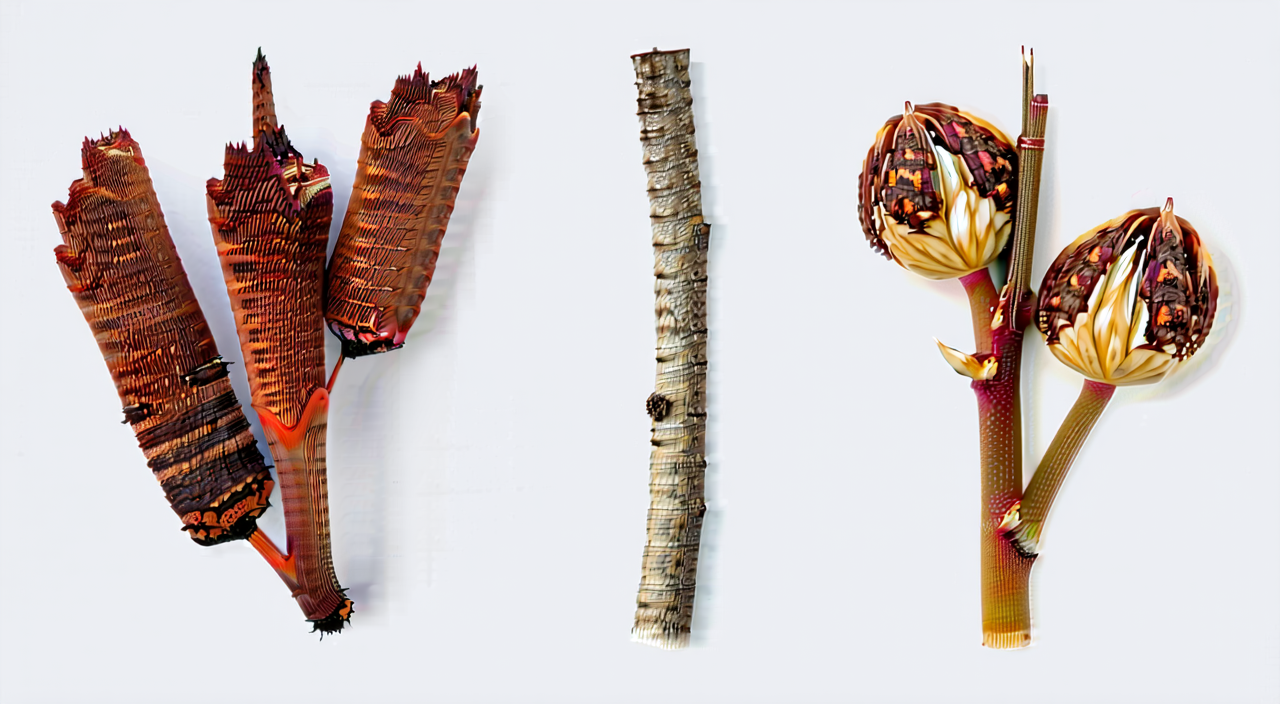
Wild buckwheat, sweet buckwheat, and tartary buckwheat all contain the word “buckwheat” in their names. However, edible buckwheat is mainly used for its seeds and food-processing applications, while the medicinal herb known as wild buckwheat primarily consists of dried rhizomes. In appearance, edible buckwheat seeds are usually small, three-sided or nearly triangular grains that may be brown, grayish black, or light brown. Wild buckwheat, by contrast, consists of block-like or nodular rhizomes with root scars and lenticels on the surface, and its cut surface is also different.
Wild buckwheat can also be confused with Sargentodoxa vine because their colors may be similar. Sargentodoxa vine is the vine stem of a plant in the Lardizabalaceae family. The medicinal material is usually cylindrical or formed into irregular sections, with structural features typical of vine-stem herbs visible on the outer surface and cross-section. Some cut surfaces may show clearly defined xylem, phloem, and radial patterns. Wild buckwheat is a rhizome herb and more commonly has a nodular, branched, and irregular block-like appearance.
Identification should not rely solely on the reddish-brown color. The medicinal part, overall shape, cross-sectional structure, odor, source, and professional authentication should all be considered. Unidentified loose herbs should not be substituted for or mixed with other materials without professional advice.
What Common Preparations Contain Wild Buckwheat?
Products made primarily from wild buckwheat, including wild buckwheat tablets and wild buckwheat capsules, can be found on the market. There are also legally approved compound preparations intended for purposes such as clearing heat and detoxifying. Different products may vary in raw-material specifications, extraction methods, excipients, dosage, and approved uses. Similar names do not mean that their ingredients and directions for use are exactly the same.
Wild buckwheat tablets are usually made in tablet form, while wild buckwheat capsules contain the relevant herbal powder or extract inside capsules. When selecting or learning about these products, read the full instructions and confirm the main ingredients, directions and dosage, contraindications or precautions, and any warnings for specific groups. For compound preparations, also check whether they contain other herbal ingredients, so as to avoid duplication or unnecessary combinations with medicines already being taken.
These preparations may help explain the traditional uses associated with wild buckwheat, but they should not be regarded directly as an individualized treatment plan. Whether a product is appropriate depends on a person’s constitution, symptoms, medical history, current medications, and professional advice.
What Precautions Are Needed When Using Wild Buckwheat?
Some people may experience stomach discomfort, nausea, bloating, or changes in bowel movements after using products containing wild buckwheat. People who are sensitive to related plant constituents should also watch for allergic symptoms such as rash, itching, or discomfort in the face or throat. If symptoms are significant or persistent, stop using the product without professional guidance and consult a doctor or pharmacist. Difficulty breathing, a severe rash, or facial swelling requires prompt medical attention.
People who are pregnant or breastfeeding, children, older adults, and those with chronic liver or kidney disease or who are taking multiple medications should seek professional advice before use. The fact that wild buckwheat is an herbal medicine does not mean it is automatically suitable for long-term use, use in large amounts, or simultaneous use with other products.
It is especially important to emphasize that wild buckwheat cannot replace standard diagnosis and treatment for lung infections, lung abscesses, or other serious diseases. If symptoms are severe, long-lasting, or recurrent, or if they are accompanied by marked fever, abnormal breathing, chest pain, coughing up blood, persistent vomiting, black stools, unexplained weight loss, or other concerning signs, consult a doctor as soon as possible. Such conditions should not be managed solely with Chinese herbal medicines or over-the-counter preparations.
Summary
Wild buckwheat is a traditional Chinese medicinal herb made from dried rhizomes. It usually has an irregularly nodular shape and a reddish-brown to dark-brown color, and it should not be confused with edible buckwheat seeds or Sargentodoxa vine. Traditional Chinese medicine commonly understands it in terms of clearing heat, detoxifying, expelling pus, and dispersing blood stasis. Related products include wild buckwheat tablets, wild buckwheat capsules, and certain legally approved compound preparations. Before use, check the product instructions and consider your individual circumstances. Severe or recurrent symptoms require timely professional medical attention. This article is for general educational reference only and cannot replace professional diagnosis or treatment advice.