
What Is Brucea Fruit? Medicinal Parts, Identification, and Common Preparations
What is Brucea fruit? Many people become interested in it because of its dark brown fruits, folk names, or traditional topical-use records. However, Brucea fruit is not an ordinary herb suitable for self-experimentation. It comes from the mature fruit of the Brucea plant, and its kernels and oily components can be strongly irritating, with clear risks of gastrointestinal, liver, kidney, and cardiac toxicity. This article provides general information on its appearance, medicinal parts, traditional Chinese medicine perspectives, common preparations, and contraindications. It does not provide instructions for self-administered oral use, topical application, or processing.
What Does Brucea Fruit Look Like? How Can It Be Identified?
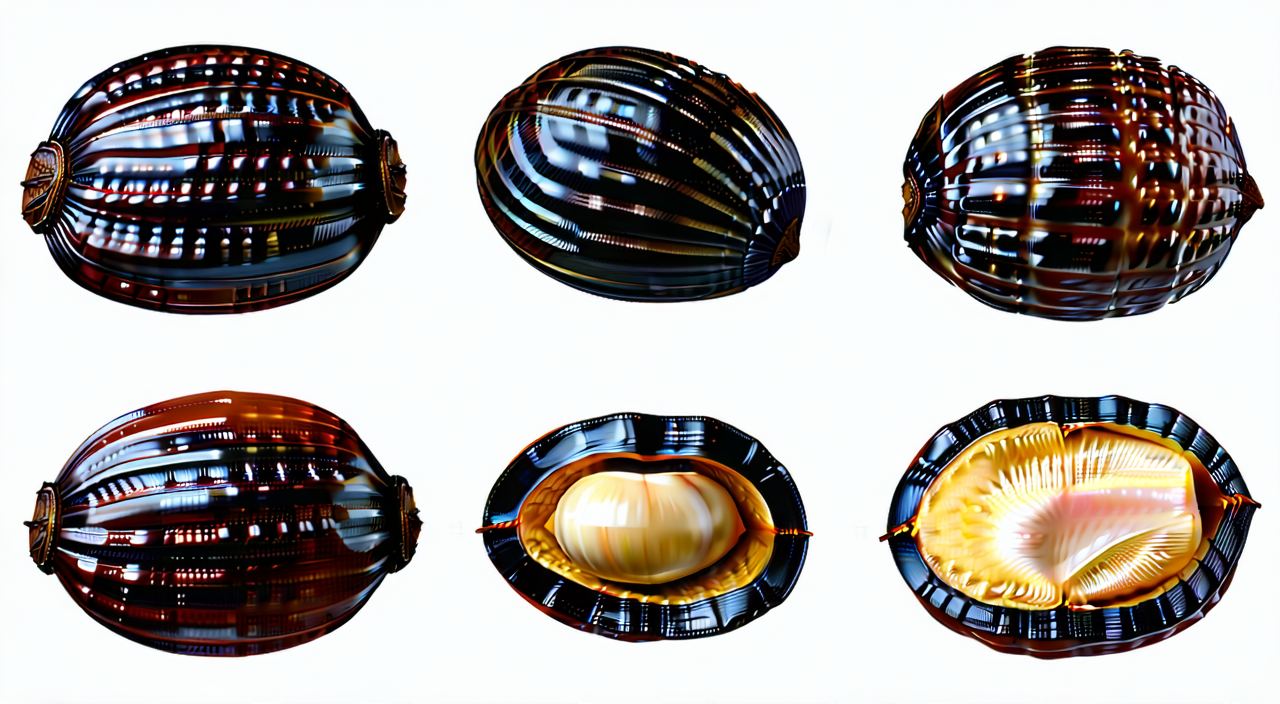
Brucea fruit is the mature fruit of the Brucea plant. It is usually ovoid or nearly ovoid, relatively small, and generally has a dark brown to blackish-brown outer shell. The fruit surface often shows a distinct fine net-like pattern. Its shell is hard, and the fruit does not resemble a soft, juicy fresh fruit. After drying, it often becomes more shriveled and darker in color.
When observing the fruit for educational purposes, it is possible to note that the exterior consists of a hard shell, while the interior contains a relatively hard core and kernel. The kernel is usually somewhat oily. Its cut surface is not the loose, powdery texture of ordinary fruit flesh but has a relatively dense structure and a distinctive odor. Differences in growing region, harvest time, degree of drying, and storage conditions can affect its color, size, and surface texture. Therefore, the material cannot be confirmed based on a single photograph or one isolated characteristic.
Identification should also take into account that the market may contain fruits with similar names, similar appearances, or different processing conditions. Professional identification generally considers the plant source, fruit shape, shell texture, internal structure, and other physical characteristics, and may require specialized testing when necessary. For nonprofessionals, suspected Brucea fruit should not be verified by smelling, chewing, or applying it to the skin. Visual identification must never be treated as proof of safe use.
What Are the Medicinal Parts of Brucea Fruit?
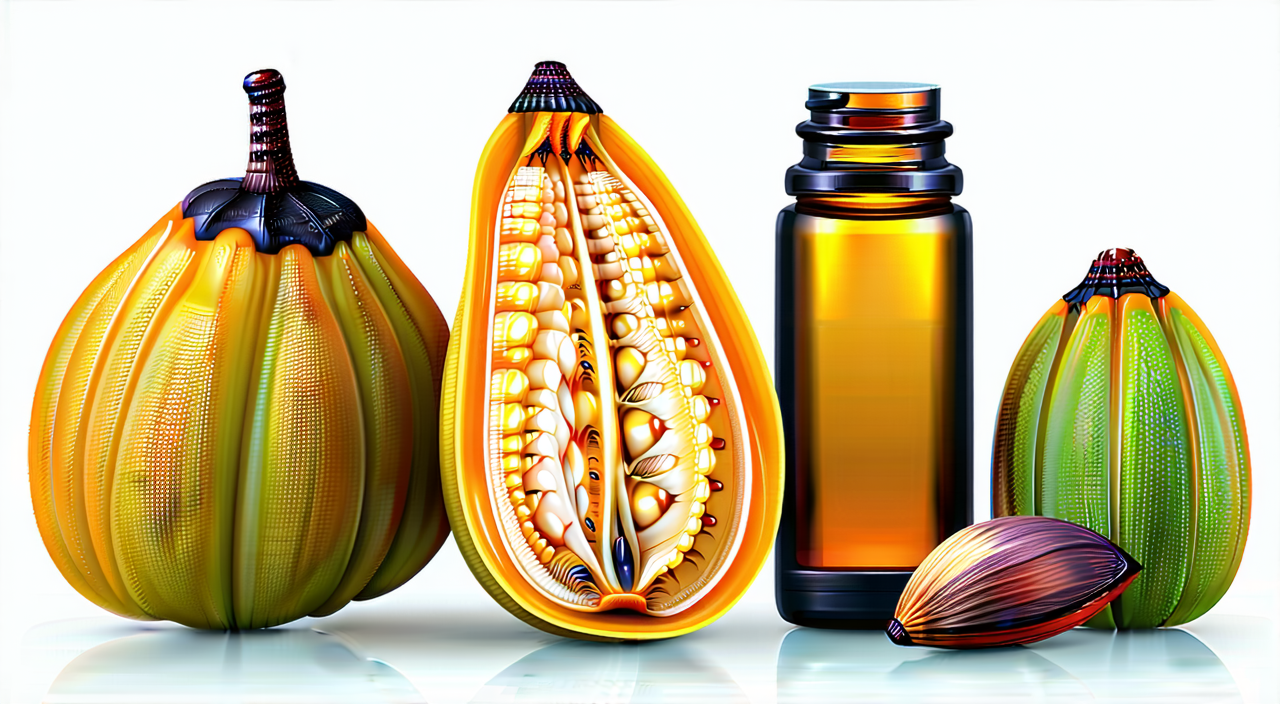
In the context of traditional medicinal materials, the medicinal part of Brucea fruit generally refers to the mature fruit. Attention is usually focused on the dried fruit and its kernels, rather than the roots, stems, leaves, or immature fruit of the Brucea plant. Maturity, drying, and storage conditions can affect the physical properties of the material and may also influence the stability of its constituents.
Brucea fruit oil refers to an oily preparation made from related kernels or fruits through standardized processing. It is not equivalent to unprocessed crude material, oil pressed at home, or an approved finished pharmaceutical product. The raw-material specifications, concentration, excipients, route of administration, and intended uses may vary between products. Products should not be prepared, diluted, or substituted based on online formulas or other people’s experiences.
It is particularly important to understand that a medicinal part is not necessarily a part that can be used independently. Brucea kernels contain irritating and toxic constituents. Accidental swallowing, excessive exposure, or application to mucous membranes or damaged skin may all pose risks. For Brucea fruit oil and other related preparations, users should follow the instructions for an officially approved product and rely on professional judgment for the specific situation.
How Is Brucea Fruit Viewed in Traditional Chinese Medicine?
In traditional Chinese materia medica and clinical contexts, Brucea fruit is commonly discussed in relation to clearing heat and toxins, treating malaria, and relieving dysentery. Historical records also describe topical use for corrosively removing warts and similar growths. These descriptions belong to the background of traditional use. They help explain historical concepts of medicinal properties and treatment approaches but do not constitute treatment conclusions in the modern medical sense or provide a personal medication plan.
Traditional practice generally also considers symptoms, constitution, disease course, and other medicines when making a pattern-based assessment. Brucea fruit is considered relatively potent, so oral dosage and administration require strict control. Historical and modern usage experience cannot replace contemporary product quality management and risk assessment. Even if certain historical preparations were used topically, this does not mean that crude material can be directly applied, dabbed, or spread on any part of the body.
If you are interested in Brucea fruit because of persistent diarrhea, fever, skin growths, or other symptoms, the underlying cause should first be clarified. Severe, long-lasting, or recurrent symptoms—especially when accompanied by significant pain, weight loss, persistent vomiting, black stools, or changes in mental status—require timely consultation with a doctor or qualified professional rather than self-treatment with a high-risk medicinal material.
What Issues Are Examined in Modern Research?
Modern research on Brucea fruit often examines quassinoid compounds and their pharmacological activity. Laboratory studies may observe effects of certain constituents on cells, microorganisms, or inflammation-related pathways. However, laboratory findings do not establish definite benefits in human use and should not be used to justify increasing the dose, extending the duration of use, or changing the route of administration.
Toxicity is also a major focus of research on Brucea fruit. Incorrect oral use or improper contact may cause gastrointestinal reactions such as nausea, vomiting, abdominal pain, and diarrhea. In severe cases, the liver, kidneys, and heart may be affected, potentially resulting in abnormal heart rhythms. Age, underlying conditions, pregnancy status, concurrent medications, and the amount of actual exposure can all influence risk. Information about specific indications, dosage, and treatment duration should be based on properly evaluated drug information and professional advice.
Individual experimental findings, traditional records, or online case reports cannot currently be treated as broadly applicable clinical evidence. Brucea-related products should be understood by distinguishing traditional uses, leads from experimental research, and clinically approved applications. Possible research findings should not be presented as established therapeutic effects.
How Does Brucea Fruit Differ from Chinaberry Seeds and Castor Seeds?
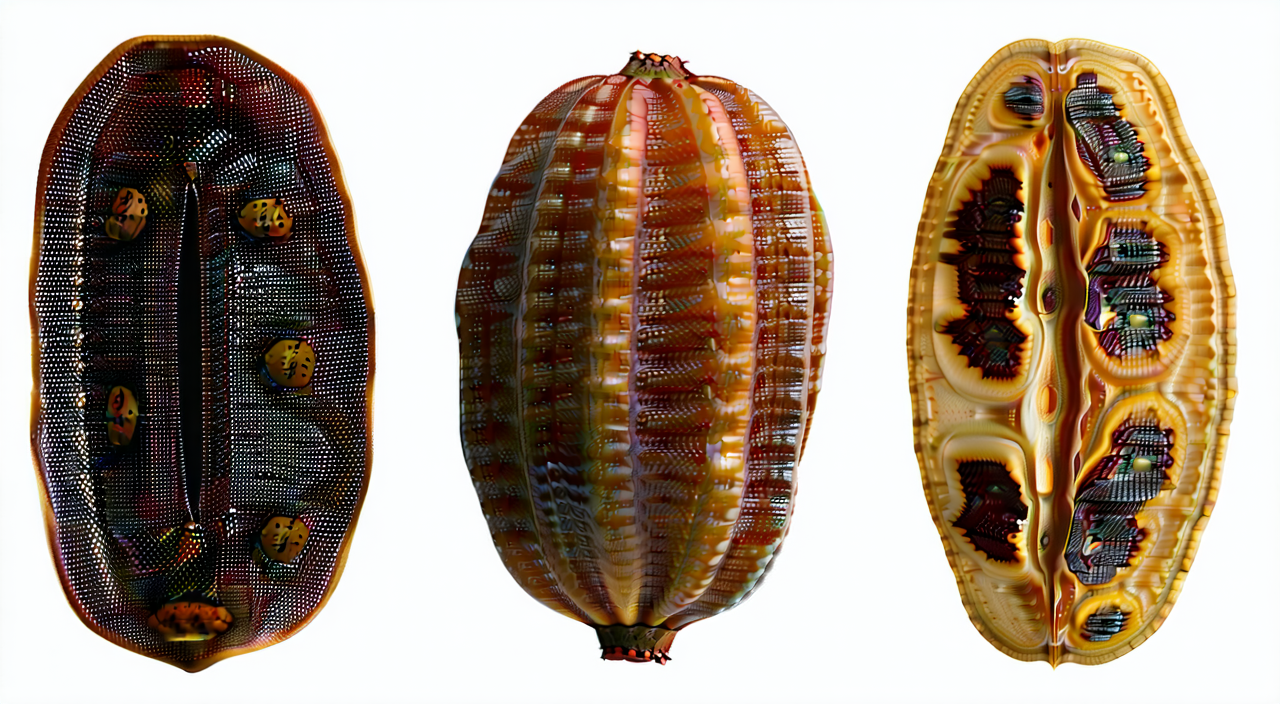
Brucea fruit, chinaberry seeds, and castor seeds may all appear as seeds or fruits in medicinal materials, plant specimens, or folk discussions. However, they come from different plants and differ in medicinal parts, external and internal structures, constituents, and toxicity profiles. Brucea fruit is generally a small, ovoid, dark brown fruit with a net-like surface, a hard internal structure, and an oily kernel. Chinaberry seeds are usually nearly spherical or oval, with an outer layer and internal structure different from those of Brucea fruit. Castor seeds are commonly oval or ovoid and have distinctive markings and a glossy surface.
These features are suitable only for introductory educational observation and cannot replace professional identification. Differences in drying, shell removal, and storage conditions can alter appearance. In particular, you should not peel, grind, swallow, or apply a fruit simply because it resembles Brucea fruit in a photograph. If you encounter fruits or seeds of unknown origin, stop handling them and seek professional identification. If they have already been swallowed or symptoms have developed, retain any relevant sample or packaging information and seek medical attention promptly.
What Common Brucea Preparations Are Available?
In standardized settings, the preparation most commonly known to the public is officially approved Brucea fruit oil, along with certain related preparations used by specialized medical institutions. Historical records also describe topical Brucea preparations. However, historical practices, modern approved products, and improperly processed crude materials are clearly different and should not be confused.
The dosage form, concentration, excipients, route of administration, and intended users of a finished product should be determined from its official instructions and regulatory information. Even when a product name contains the words Brucea fruit oil, this does not mean that every such product is suitable for oral or topical use. Do not independently convert an oral product for skin application or use a topical product on mucous membranes, around the eyes, or on damaged areas. Suitability for a particular person must be assessed in light of individual health, symptoms, concurrent medications, and professional advice.
Children, pregnant or breastfeeding individuals, people with impaired liver or kidney function, patients with heart disease, and those sensitive to irritating medicines should be especially careful to avoid self-exposure. This article introduces preparation categories and identification concepts only and does not constitute specific medication advice.
What Precautions Are Needed When Using Brucea Fruit?
Brucea fruit is a medicinal material that requires a high degree of caution. Do not swallow whole kernels, kernel powder, or improperly processed fruit on your own. Do not press Brucea fruit oil at home, prepare topical solutions, or extend contact time based on online information. For any suspected related preparation, first verify the product name, approval information, route of administration, contraindications, and warnings.
For topical use, avoid the mucous membranes, areas around the eyes, the mouth, the vulva, and other sensitive areas. Do not apply it to skin that is wounded, eroded, oozing, or infected. If marked burning, redness, swelling, blisters, or persistent irritation develops after contact, stop exposure immediately and consult a qualified professional. If accidental ingestion is followed by severe vomiting, persistent abdominal pain, significant diarrhea, dizziness, weakness, palpitations, abnormal heart rhythm, changes in urine output, or altered consciousness, go to an emergency department promptly. Do not induce vomiting or attempt to counteract it with another herb.
For persistent, recurrent, or unexplained symptoms, prioritize a proper medical evaluation. Herbal medicines are not risk-free simply because they are natural, and Brucea fruit should not be treated like an ordinary food or health supplement. This article is for educational reference only and cannot replace a doctor’s diagnosis, a pharmacist’s guidance, or official product instructions.
Summary
Brucea fruit is a high-risk traditional Chinese medicinal material derived from mature fruits. Common characteristics include small ovoid drupes, dark brown shells with net-like patterns, a hard inner core, and oily kernels. It is not the same as chinaberry seeds or castor seeds, and officially approved Brucea fruit oil preparations are not equivalent to crude material. Because it may cause gastrointestinal, liver, kidney, and cardiac toxicity, it should not be swallowed or applied to mucous membranes or damaged skin without professional guidance. Severe vomiting or abnormal heart rhythms require prompt emergency care. This article is for educational reference only and cannot replace professional advice.