
What Is Qian Li Guang? Medicinal Parts, Identification, and Common Preparations
Qian Li Guang is a name many people encounter when learning about wild herbs or traditional Chinese medicinal materials. Because its yellow flower heads resemble those of some plants in the daisy family, understanding what Qian Li Guang is, what it looks like, and how it differs from wild chrysanthemum requires more than simply looking at the flower color. The stem, leaves, flower heads, and growth habits should all be considered.
Qian Li Guang in traditional medicinal use usually refers to the dried aerial parts of the relevant plants. Special attention is needed because some plants in the Qian Li Guang genus may contain compounds associated with potential liver safety risks. The original plant, growing region, harvesting methods, and preparation processes can also affect the chemical composition. Therefore, general use should be based on reliable sources and legally approved preparations. Self-medicating with wild-harvested plants for long-term oral use is not recommended.
What Does Qian Li Guang Look Like? How Can It Be Identified?
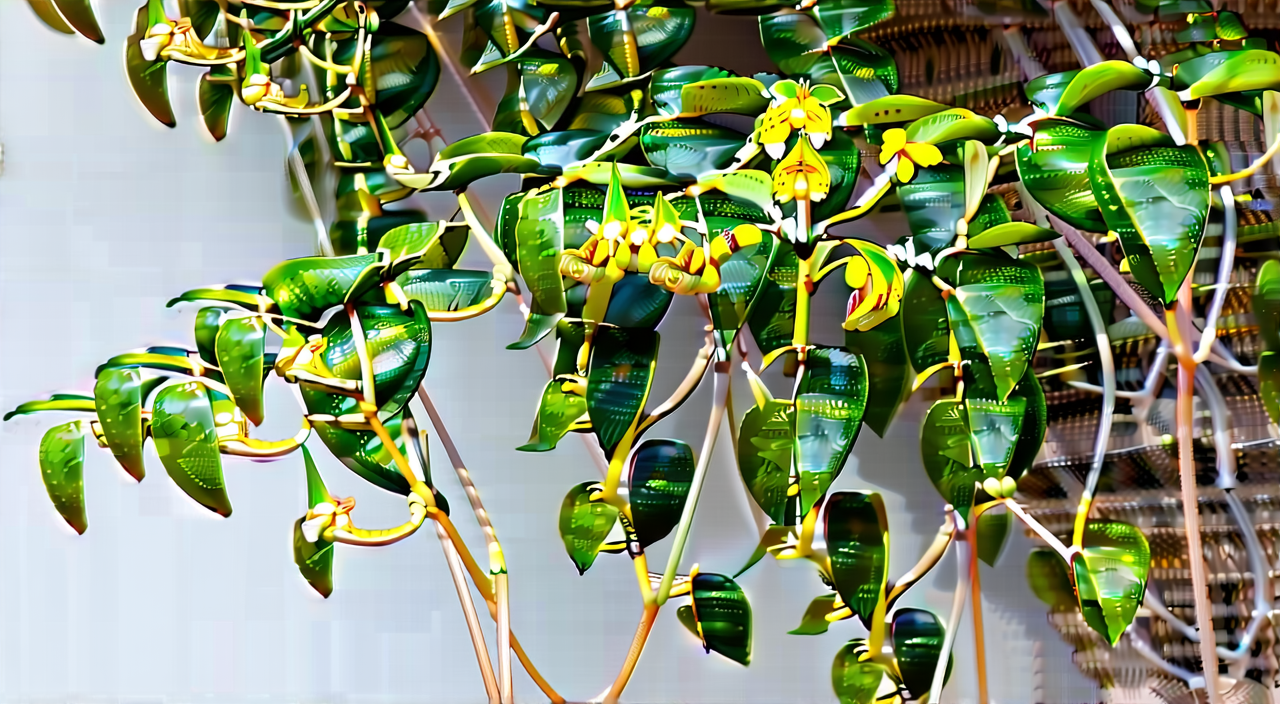
Qian Li Guang is generally a perennial climbing or trailing herb. Its stems are relatively slender and can grow upward by leaning on shrubs, fences, or other plants. Plant features may vary by region and growth stage, so a single characteristic should not be used to make a definitive identification in the wild.
Its leaves are generally alternate and may be ovate, triangular-ovate, or nearly oblong. The leaf margins may have serrations or shallow lobes. Leaf size, hairiness, and margin characteristics can change with the plant’s age and growing environment. The smell released after crushing the stems or leaves should not be used as the sole basis for identification, since drying, storage, and contamination can all alter the odor.
One of the most noticeable features of Qian Li Guang is its yellow flower heads. Each flower head consists of many small flowers and is commonly arranged in corymb-like clusters at the ends of branches or near the leaf axils. After flowering, white or grayish-white pappus may appear, helping the mature seeds disperse. After processing, the medicinal material commonly appears as yellow-green or brown-green broken segments containing aerial stems, leaves, and flower heads, with a relatively brittle texture.
When plant identification is necessary, information about the leaf shape, stem growth pattern, flower-head arrangement, and fruit pappus should be recorded and checked against local plant guides or with a qualified professional. Users outside China should be especially aware that the plant species corresponding to the name Qian Li Guang, medicinal standards, and available preparations may differ between countries and regions.
What Are the Medicinal Parts of Qian Li Guang?
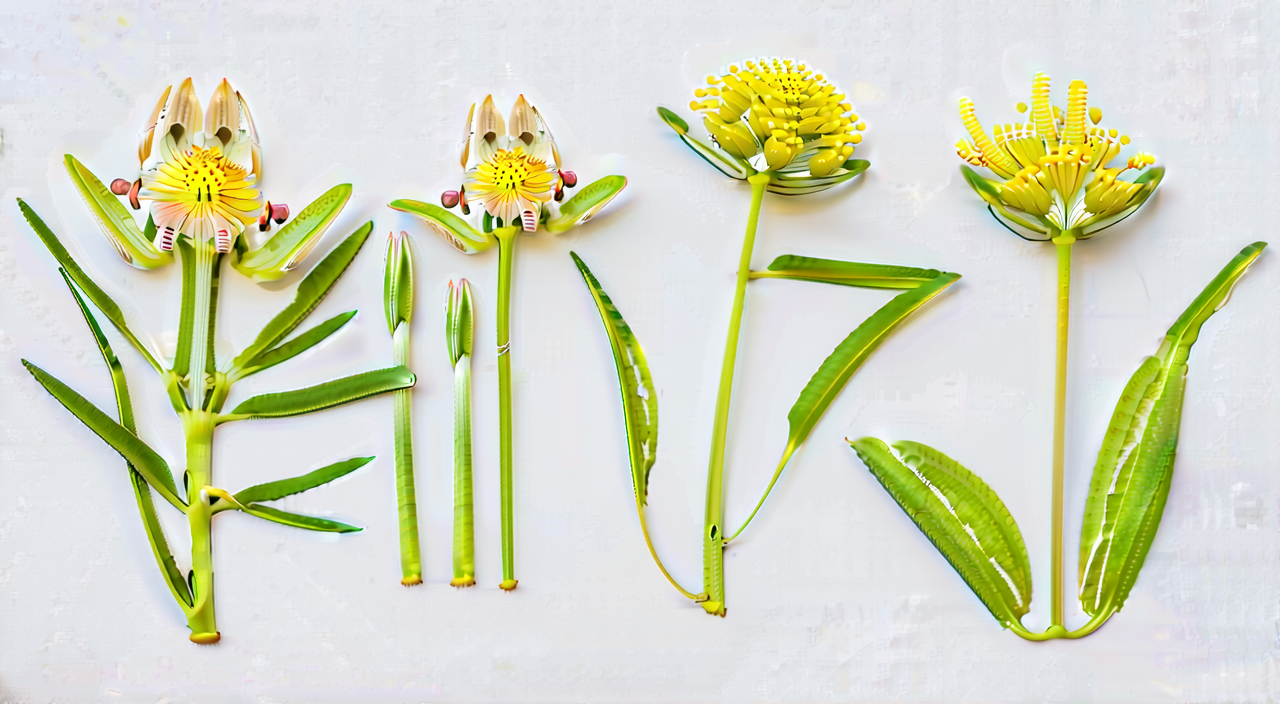
In traditional medicinal use, Qian Li Guang mainly refers to the plant’s dried aerial parts, meaning the stems, leaves, flowers, and some fruiting structures above the ground. The roots are not considered the primary medicinal part. After harvesting, the material is generally sorted, dried, and stored appropriately. Specific processing methods should follow local medicinal-material standards or product specifications.
In appearance, dried Qian Li Guang usually consists of irregular broken pieces. The leaves may be wrinkled or fragmented, the stems are generally strip-shaped, the flower heads tend to be yellow, and some pieces may show pappus. Material with unusual discoloration, mold, moisture damage, or unidentifiable plant contamination should not be used without professional advice.
The medicinal part and the method of use are not the same thing. The fact that the aerial parts are used traditionally does not mean that everyone is suitable for decoctions, infusions, or long-term use. Especially for oral products, confirm the source, approval information, directions, dosage, and intended users. Topical products should also be used according to the label, and loose medicinal material should not be applied directly to the eyes or broken skin.
How Does Traditional Chinese Medicine Understand Qian Li Guang?
Traditional Chinese medicine commonly views Qian Li Guang in terms of clearing heat and detoxifying, supporting clearer vision, and relieving itching. These traditional applications are often associated with concepts such as wind-heat, heat toxins, or localized discomfort. Such descriptions belong to traditional Chinese medicine theory and historical use and do not constitute modern medical diagnoses or treatment conclusions for specific diseases.
In herbal records and preparations used in different regions, the medicinal parts, combination methods, and dosage forms of Qian Li Guang may vary. Some Chinese patent medicines or topical preparations combine it with other herbs and are marketed for different purposes. Therefore, the name alone cannot be used to assume that all Qian Li Guang products have the same uses, and traditional descriptions should not be applied directly to personal symptoms.
If you experience eye redness or pain, changes in vision, or extensive or recurring itchy skin, professional evaluation should be considered first. Severe, persistent, or recurrent symptoms—especially when accompanied by significant pain, fever, breathing difficulties, or general discomfort—require prompt consultation with a doctor or another qualified healthcare professional.
What Issues Are the Focus of Modern Research?
Modern research on Qian Li Guang mainly focuses on its phytochemical constituents, differences in composition between species or growing regions, and the safety of related compounds. Because plant identification, harvesting time, processing methods, and extraction techniques may differ, experimental findings cannot simply be taken as representative of all Qian Li Guang medicinal materials or finished products.
One important concern is that some plants in the Qian Li Guang genus may contain pyrrolizidine alkaloids and related compounds. Under certain exposure conditions, these compounds may increase the risk of liver injury. The risk depends on factors such as the specific species, concentration, route of exposure, dosage, and duration of use. Not all products labeled Qian Li Guang have the same composition, and a history of traditional use alone cannot establish that long-term oral use is low risk.
Existing research is also limited by inconsistencies in species, preparation methods, sample sizes, and types of evidence. Findings from laboratory or animal studies should not be treated directly as conclusions about human use. For oral products, it is preferable to choose preparations with a clear source, legal approval, complete labeling, and specific directions and dosage. Suitability should still be assessed according to individual circumstances and professional advice.
How Does Qian Li Guang Differ from Wild Chrysanthemum and Dandelion?
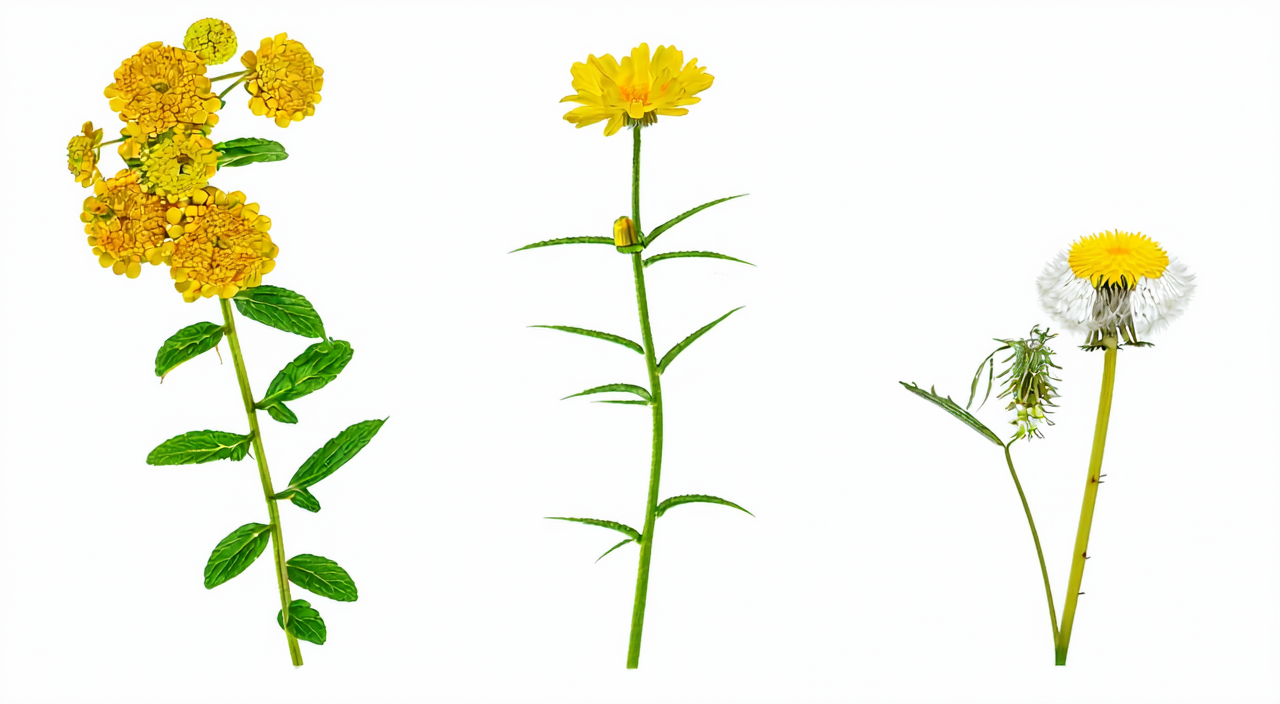
Qian Li Guang, wild chrysanthemum, and dandelion may all have yellow flower heads, making them easy to confuse in the wild. However, their overall forms are different.
| Plant | Leaves and stems | Flower-head characteristics | Common growth habits |
|---|---|---|---|
| Qian Li Guang | Stems are generally slender and often climbing or trailing; leaves are alternate | Yellow flower heads are often clustered at branch ends or near leaf axils; pappus may be visible after flowering | Common in shrublands, along roadsides, and at forest edges; may grow by leaning on other plants |
| Wild chrysanthemum | Stems are usually upright or branched; leaves often have obvious lobes or serrations | Flower heads are typically distinct daisy-family flower heads, often with ray florets around the outside | Common on hillsides, grasslands, and roadsides; the overall posture is usually more upright than Qian Li Guang |
| Dandelion | No obvious above-ground main stem; leaves usually grow from the root in a rosette | A single yellow flower head usually grows at the top of one leafless flower stalk | Usually grows close to the ground and forms a distinctive white, fluffy fruit head after flowering |
This comparison is intended only for general education and cannot replace professional identification. Information from appearance is greatly reduced in seedlings, plants with incomplete flowering, or materials that have already been cut and dried. Plants collected in the wild should not be used for tea, decoctions, or homemade topical preparations if their identity cannot be confirmed.
What Common Preparations Contain Qian Li Guang?
Preparations associated with Qian Li Guang may include Qian Li Guang tablets, Qian Li Guang cleansing lotions, and other legally approved topical products. The formulas, concentrations, application sites, frequency of use, and precautions vary between products. Similar names do not mean that products can be substituted for one another.
Qian Li Guang tablets are a type of Chinese patent medicine intended for oral use. Their specific ingredients and indications should be confirmed from the packaging, package insert, and local regulatory information. Because compounds from some related plants may pose liver safety concerns, do not increase the dosage, extend the duration of use, or combine them with other herbal products of unknown origin without professional advice.
Qian Li Guang cleansing lotions and other topical preparations generally need to be diluted or applied to specified areas according to the instructions. Topical use does not mean that a product can be used freely around the eyes, in the mouth, or on large areas of broken skin. If significant stinging, redness, swelling, rash, or other discomfort occurs after first use, stop using the product and consult a professional. When purchasing or using these products overseas, also confirm that they comply with the laws and regulations of the relevant country or region.
What Precautions Are Needed When Using Qian Li Guang?
People with known liver disease, abnormal liver function, a history of drug-induced liver injury, or current use of medicines that may affect the liver should consult a doctor before use. Pregnant or breastfeeding individuals, children, older adults, and people with chronic diseases should not decide on their own to take Qian Li Guang products orally.
Long-term or repeated self-directed oral use should also be avoided. If persistent fatigue, loss of appetite, nausea, discomfort in the upper right abdomen, noticeably dark urine, or yellowing of the skin or whites of the eyes develops during use, stop taking the product and seek medical attention promptly. These symptoms do not prove that Qian Li Guang is the cause, but liver and biliary problems need to be evaluated.
Do not put a decoction made from loose Qian Li Guang directly into the eyes, and do not cover wounds or large areas of skin with untreated wild-harvested plants. Eye symptoms, severe rashes, signs of infection, or recurrent discomfort should be assessed by a professional to determine the cause and appropriate treatment.
Finally, wild harvesting and purchasing loose medicinal materials online both carry risks of misidentification, contamination, improper storage, and unknown composition. Before using Qian Li Guang tablets, Qian Li Guang cleansing lotions, or other preparations, check the approval information, manufacturer details, expiration date, contraindications, directions, and dosage. This article is for general educational reference only and cannot replace professional diagnosis or treatment advice.
Summary
Qian Li Guang generally refers to related plants whose dried aerial parts are used medicinally. Its climbing or trailing stems, alternate leaves, yellow flower heads, and pappus can help with preliminary identification, but flower color alone should not be used to distinguish it from wild chrysanthemum or dandelion. Because some related compounds may pose liver safety risks, extra caution is needed with oral use, pregnancy, liver disease, and long-term use. Topical products should also be used according to the instructions for approved preparations and professional advice. This article is for general educational reference only and cannot replace professional diagnosis or treatment advice.