
What Is Dijin Cao? Its Medicinal Parts, Identification, and Common Formulas
Dijin Cao is the name of a traditional Chinese medicinal herb, usually derived from the dried whole plants of Euphorbia humifusa or Euphorbia maculata, both in the spurge family. Because “dijin” is also commonly used for ornamental ground-cover plants, many people can easily confuse them during identification. To understand what Dijin Cao is, it is not enough to look at the name; the stems, leaves, latex, fruits, and other morphological features should also be considered. This article provides a basic overview of medicinal identification, medicinal parts, traditional Chinese medicine perspectives, differences from similar plants, and common formulas.
What Does Dijin Cao Look Like?
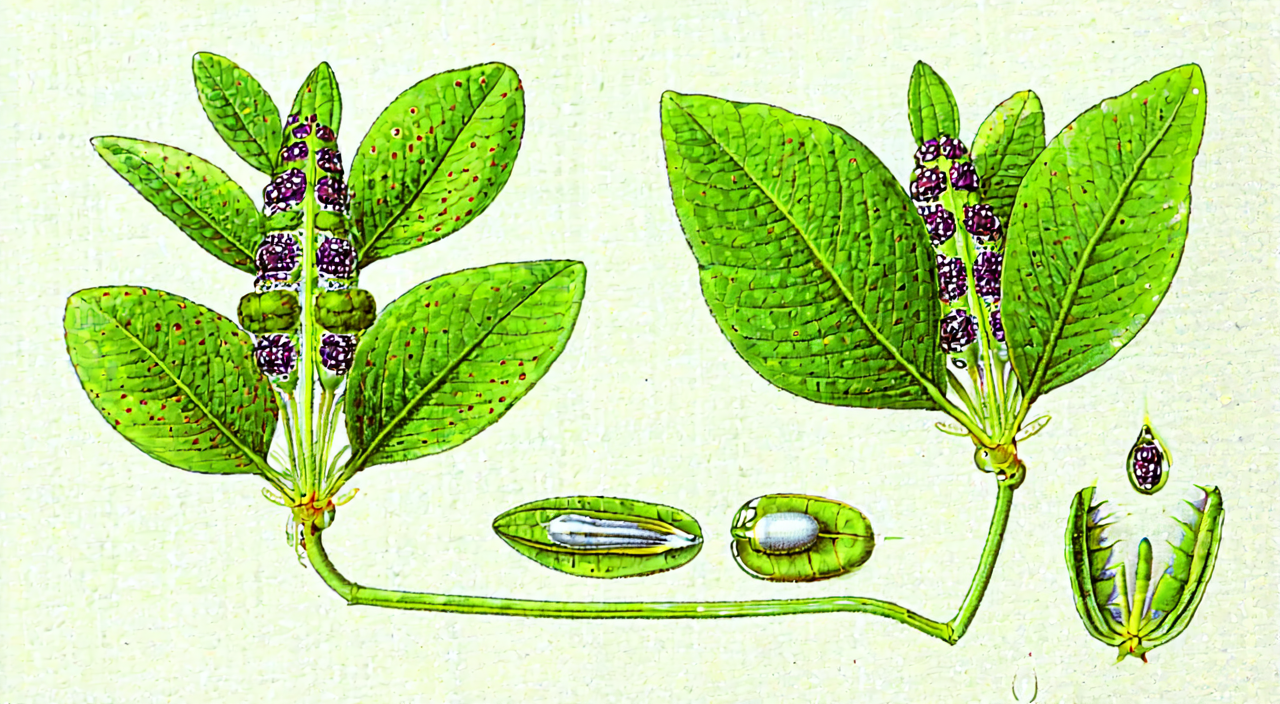
Dijin Cao is generally an annual herb. The plant usually grows close to the ground, with thin, creeping stems, numerous branches, and clearly visible nodes. When the stem is broken or damaged, a small amount of white latex can often be seen. This is one of the more useful clues for identification. However, the growth condition of wild plants can be affected by soil, sunlight, and season, so no conclusion should be based on a single feature alone.
Main Appearance Characteristics
The leaves of Dijin Cao are relatively small and usually grow in opposite pairs on either side of the stem. They are generally elliptical or nearly round, with fine serrations along the margins. Purple-red markings may sometimes appear on the leaf surface, especially under strong sunlight or when the plant is affected by environmental conditions. The flowers are small and are not usually the primary identification feature for casual observers. The fruit is a small capsule that may contain seeds when mature.
Answering the question “What does Dijin Cao look like?” requires a combined observation of its thin creeping stems, small opposite leaves, leaf markings, white latex released from broken stems, and small capsules. When collecting or purchasing it, attention should also be paid to the herb’s source, harvesting records, and processing condition. This helps prevent similar weeds or ornamental ground-cover plants from being mistaken for medicinal material.
What Is the Medicinal Part of Dijin Cao?
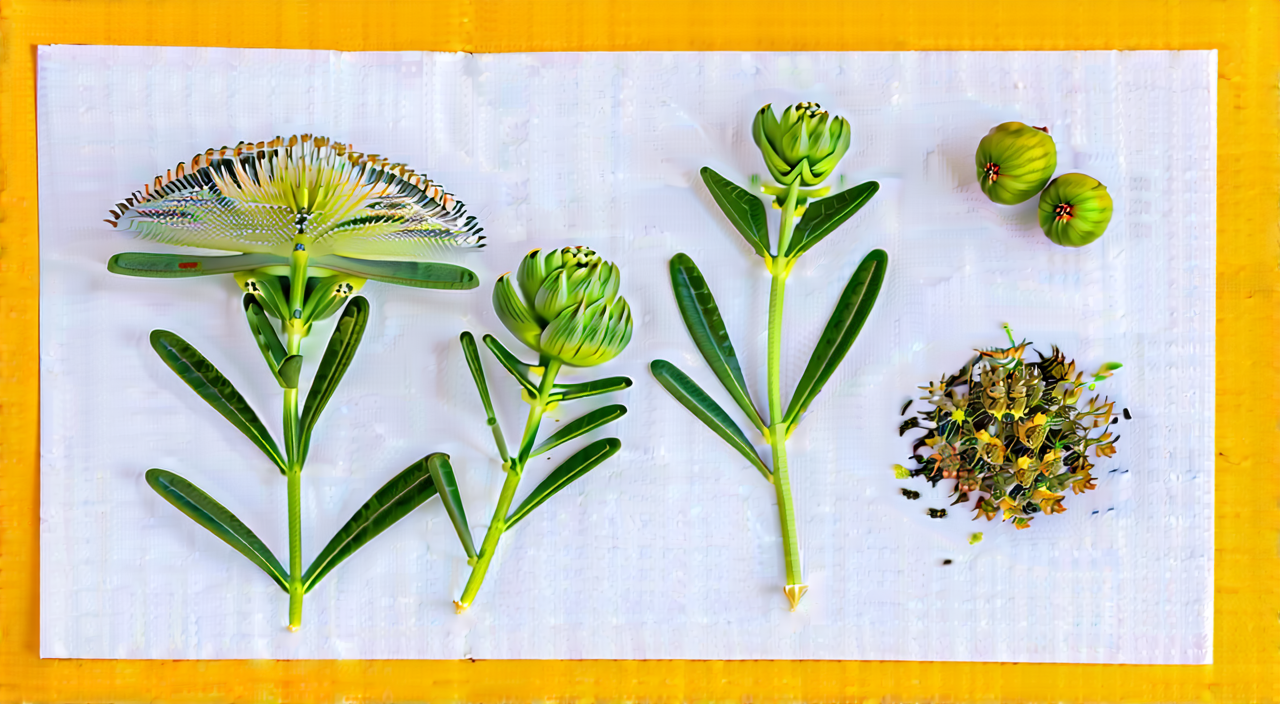
The medicinal part of Dijin Cao is the whole herb, meaning the complete above-ground portion, including the stems, leaves, flowers, and fruits, rather than the roots or leaves alone. Traditional medicinal material is usually harvested in summer or autumn, when the plant is growing vigorously. After soil and impurities are removed, it is sun-dried or dried using an appropriate method to produce the dried whole herb used medicinally.
Dried Dijin Cao is often yellow-green, yellow-brown, or tinged with purple-red. The stems are relatively thin, the leaves are wrinkled, and the broken surfaces may appear fibrous. Differences in place of origin, harvesting time, and processing methods can affect its color, odor, and degree of completeness. When selecting it, check for mold, moisture damage, unusual odors, or excessive non-medicinal impurities. Plants collected from roadsides, farmland edges, or polluted areas may have been exposed to pesticides, heavy metals, or other contaminants and should not be used directly as herbal decoction pieces.
How Does Traditional Chinese Medicine Understand Dijin Cao?
Traditional Chinese medicine commonly understands Dijin Cao from the perspectives of clearing heat and detoxifying, cooling the blood and stopping bleeding, and promoting urination to reduce jaundice. Traditional records and folk applications often discuss its use in directions related to diarrhea or dysentery caused by damp heat, blood in the stool, blood in the urine, skin sores, or other manifestations of damp heat. However, these descriptions belong to traditional theory and usage experience and should not be equated directly with modern medical diagnoses or treatment plans.
From the perspective of pattern differentiation in Chinese medicine, the considerations for using the same herb may differ from one person to another. The duration of symptoms, accompanying manifestations, tongue and pulse findings, constitution, and current medications may all affect the assessment. Therefore, it should not be self-prescribed solely on the basis of terms such as “cooling the blood and stopping bleeding” or “clearing heat and detoxifying.” It is especially unsuitable for masking recurrent bleeding, persistent diarrhea, or fever of unknown origin.
What Can Modern Research Tell Us?
Modern research examines Dijin Cao from perspectives including phytochemical constituents, in vitro experiments, animal studies, and quality control, but there is still a gap between research findings and actual clinical use. The observation of a compound or activity in a laboratory does not directly mean that a particular decoction piece, herbal tea, or patent medicine will necessarily be suitable for an individual, nor can it replace a proper diagnosis. If symptoms are severe or persist for a long time, or if they are accompanied by significant abdominal pain, persistent vomiting, black stools, unexplained weight loss, palpitations, chest tightness, or other concerning signs, consult a doctor or qualified professional promptly.
What Are the Differences Between Dijin Cao, Geranium, and Purslane?
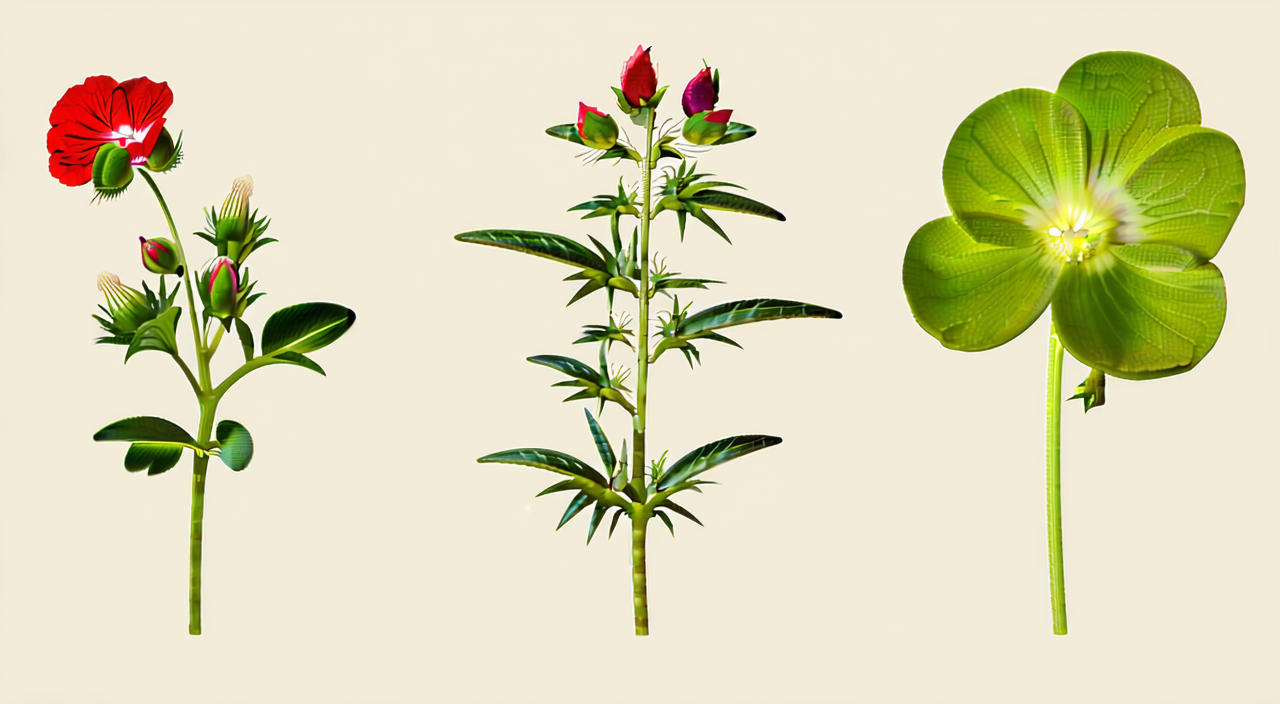
Dijin Cao, geranium, and purslane are sometimes mistaken for one another in the wild, but they are not the same plant. During identification, compare features such as the presence or absence of latex, leaf texture, stem growth pattern, and fruit structure.
| Comparative Feature | Dijin Cao | Geranium | Purslane |
|---|---|---|---|
| Stem and Sap | Stems are generally creeping and thin; white latex is often present at a break | Usually upright or ascending; white latex is generally absent | Stems are succulent; the characteristic white latex of spurges is generally absent |
| Leaves | Leaves are small, usually opposite, and may have purple spots on the surface | Leaf shapes vary considerably and often show lobes or deep divisions | Leaves are thick and succulent, usually obovate or spoon-shaped and generally alternate |
| Fruit | Fruit is a small capsule | Fruit commonly has a slender, beak-like shape and splits when mature | Fruit is a circumscissile capsule, with a form different from that of Dijin Cao |
The information above is intended only as a basic educational guide to identification. The appearance of seedlings, dried medicinal material, and samples from different regions may vary considerably, so online images alone cannot confirm a plant’s identity. When used medicinally, it is best to choose decoction pieces that have been identified and processed through a reputable source. Avoid mixing geranium, purslane, or ornamental ground-cover plants with Dijin Cao.
Which Formulas Contain Dijin Cao?
The names of traditional formulas and patent medicines containing Dijin Cao may vary according to region, manufacturer, dosage form, and herbal combinations. Commonly mentioned options include Dijin Cao Decoction, Dijin Cao Tablets, and formulas traditionally used with an emphasis on stopping diarrhea or bleeding. Dijin Cao Decoction generally refers to use in combination with other herbs according to a specific pattern or presentation. The name does not mean that all formulas with the same name have exactly the same ingredients, dosages, or indications.
Dijin Cao Tablets fall into the category of Chinese patent medicines or finished medicinal preparations. Their specific ingredients, specifications, directions, and contraindications should be based on the product labeling. Formulas used for diarrhea or bleeding should not be understood as suitable for every case of diarrhea or bleeding. Diarrhea may be related to infection, food intolerance, inflammation, or other factors, while bleeding may originate from the digestive tract, urinary system, gynecological system, skin, or mucous membranes. When considering such formulas, assessment should take into account constitution, symptoms, medication history, and professional advice. Do not use them continuously on your own or combine multiple similar products without guidance.
What Precautions Should Be Taken When Using Dijin Cao?
First, people with a weak or cold digestive system, a tendency toward diarrhea, abdominal sensitivity to cold, or discomfort after consuming raw or cold foods should exercise caution before using herbs traditionally considered to clear heat or cool the blood. Whether they are appropriate depends on the individual situation. During pregnancy or breastfeeding, and for children, older adults, or people with impaired liver or kidney function, it is advisable to consult a doctor or qualified Chinese medicine professional before use.
Second, unexplained bleeding, recurrent blood in the stool, black stools, blood in the urine, unusually heavy menstrual bleeding, or symptoms such as dizziness, fatigue, or palpitations should not be managed solely with Dijin Cao or bleeding-control formulas. Persistent diarrhea, severe abdominal pain, ongoing vomiting, fever, significant weight loss, or signs of dehydration also require prompt medical attention.
Finally, the source and quality of the herb are important. Wild-collected Dijin Cao may be mixed with similar plants or contaminated by pesticides, heavy metals, roadside pollutants, or mold. Dried medicinal material that is damp, clumped, moldy, or strongly unpleasant-smelling should not be used. People taking anticoagulants, antiplatelet drugs, blood sugar-lowering medicines, or other prescription medications should also inform a healthcare professional about their use of herbal medicines and Chinese patent medicines, and make decisions according to product instructions and professional advice.
Summary
Dijin Cao generally refers to the dried whole herb of Euphorbia humifusa or Euphorbia maculata. Common identification clues include thin creeping stems, small opposite leaves, purple markings on the leaf surface, white latex, and small capsules. Traditional Chinese medicine commonly understands it in terms of clearing heat and detoxifying, cooling the blood and stopping bleeding, and promoting urination to reduce jaundice. However, its appearance and medicinal properties are not the same as those of geranium or purslane. When considering formulas or Chinese patent medicines, assess the source, product information, individual constitution, and professional advice. This article is for educational reference only and does not replace diagnosis or treatment advice.