
What Is Oroxylum indicum? Its Medicinal Part, Identification, and Common Herbal Formulas
Oroxylum indicum is a commonly discussed medicinal plant in Chinese herbal medicine. Although its name sounds like that of an insect, it actually comes from the mature seeds of the Oroxylum indicum plant. The seeds have broad, delicate membranous wings on the outside. When spread out, they resemble butterflies, which is how the herb got its name. Many people want to know what Oroxylum indicum is because they have seen it in traditional teas or formulas for soothing the throat, or because they confuse it with other commonly used throat-related herbs such as Sterculia lychnophora and cicada slough.
It is important to note that the appearance, place of origin, processing methods, and storage conditions of herbal materials can all affect identification. The following information is intended for educational purposes about traditional Chinese medicinal materials. It does not replace a medical diagnosis or constitute direct medication advice.
What Does Oroxylum indicum Look Like? How Can It Be Identified?
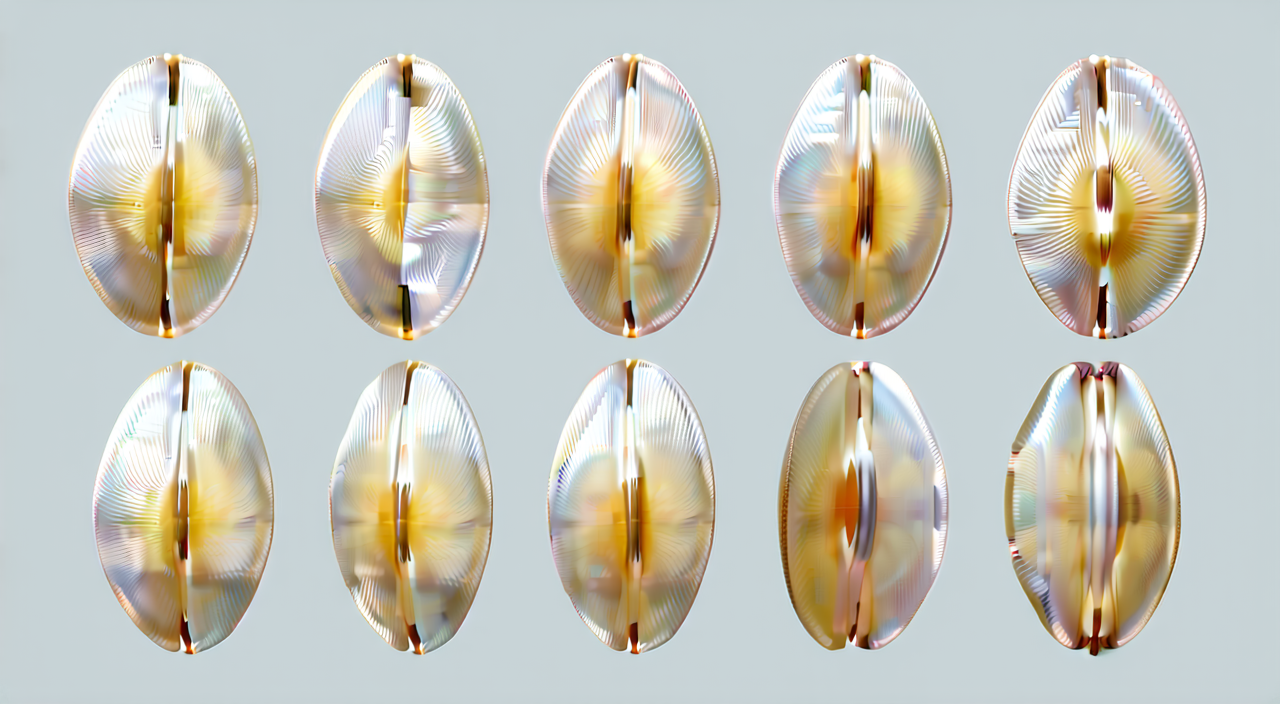
The mature seeds of Oroxylum indicum are usually flattened and round or nearly round. They are generally thin and range in color from white and yellowish white to pale yellowish brown. A relatively concentrated kernel can be seen in the center of the seed, while the outer edge consists of a broad membranous seed wing. The wing is delicate, slightly translucent, and may develop a paper-like texture after drying. When held, it is usually lighter than expected.
When examining Oroxylum indicum, first look at its overall shape. Unlike a whole fruit or a thick kernel, it usually appears as a thin, seed-like piece with a central structure. Then examine the edges: the broad membranous portion is one of its most distinctive identifying features, and it is often lighter in color than the central kernel. After transport or drying, some seed wings may curl or break, but the central kernel and the surrounding membrane-like structure can still help with identification.
An attractive appearance does not necessarily mean that the material is suitable for use. When selecting or inspecting it, also check for obvious mold, unusual odors, moisture-related clumping, insect damage, or abnormal coloring. People without experience in herbal identification should not rely solely on online images to determine the material’s origin or authenticity.
What Is the Medicinal Part of Oroxylum indicum?
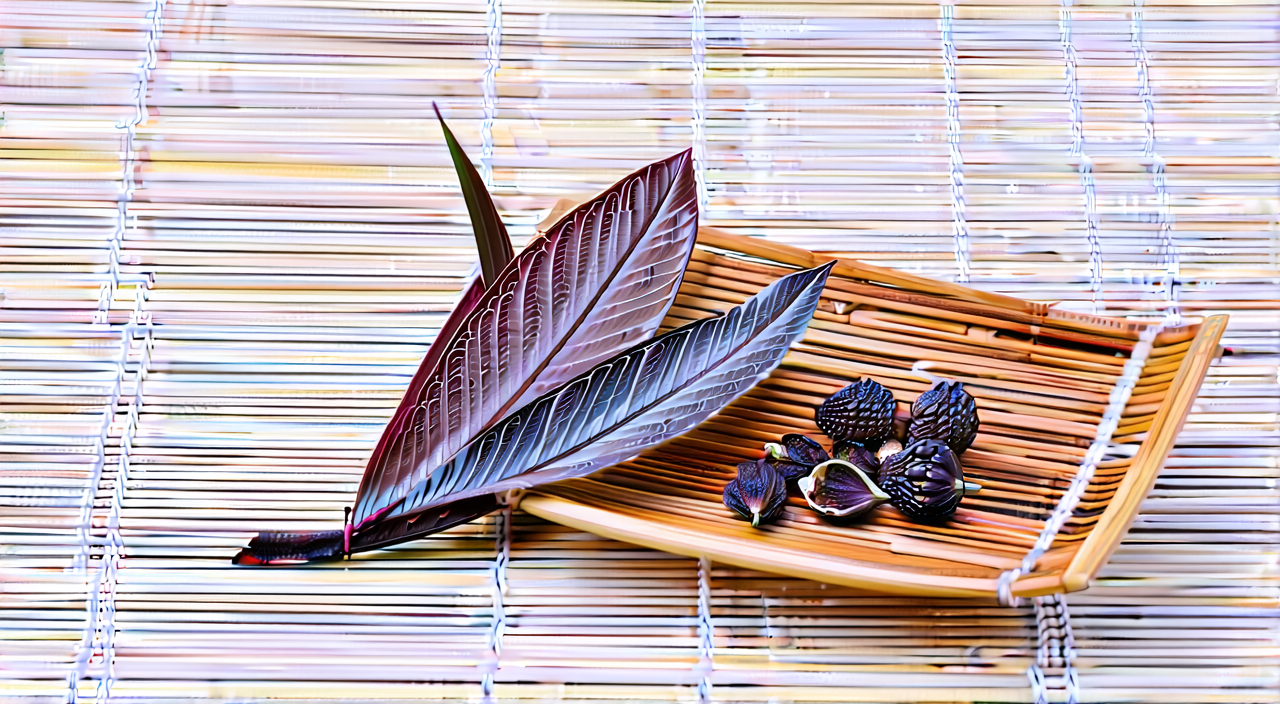
In traditional herbal medicine, Oroxylum indicum mainly refers to the mature seeds of the Bignoniaceae plant Oroxylum indicum. This generally includes the seed itself and its characteristic membranous wing. After the fruit matures, the pod gradually dries and splits open, allowing the seeds to disperse with the help of their broad wings. The medicinal material is generally harvested as mature seeds and then sorted and dried before being used in Chinese herbal medicine or combined with other herbs.
The medicinal part of Oroxylum indicum is not the same as the plant’s roots, stems, leaves, or flowers. If thin pieces of other plants, bark, or unidentified seeds are sold under the name Oroxylum indicum, the name alone cannot confirm their identity. Store the material in a dry, well-ventilated place away from light to reduce the risk of moisture damage and mold. If it develops a moldy odor, significant color changes, or an abnormal surface appearance, continued use is not recommended.
When purchasing or handling loose Chinese herbal materials overseas, also pay attention to labeling, source, batch information, and local regulatory requirements. Rules governing the sale and use of herbal ingredients may differ between regions. When necessary, consult a qualified practitioner of traditional Chinese medicine, pharmacist, or other local professional.
How Does Traditional Chinese Medicine View Oroxylum indicum?
From the perspective of traditional Chinese medicine theory, Oroxylum indicum is commonly understood in relation to clearing the Lung, benefiting the throat, soothing the Liver, and harmonizing the Stomach. In traditional applications, it often appears in combinations developed for throat discomfort, hoarseness, and cough. Some sources also discuss its use in approaches addressing chest and hypochondriac discomfort or disharmony of Stomach qi. The terms “clearing the Lung” and “benefiting the throat” belong to traditional Chinese medicine theory and should not be equated directly with treating diseases or cleansing organs in modern medicine.
When selecting a combination of herbs, traditional Chinese medicine practitioners generally consider the symptoms, tongue and pulse findings, patterns of cold, heat, deficiency, and excess, as well as the individual’s constitution. For example, throat discomfort may be associated with an external pathogen, excessive voice use, a dry environment, gastroesophageal reflux, or other factors. Oroxylum indicum is not suitable for every situation. When considering formulas, herbs, or teas made for daily drinking, decisions should take personal circumstances, product instructions, and professional advice into account. A familiar herb name is not a reason to use it independently over a long period.
What Can Modern Research Tell Us?
Modern research has examined the plant compounds in Oroxylum indicum, antioxidant-related activity, anti-inflammatory findings in experiments, and aspects of its traditional use. Some studies have focused on compounds such as flavonoids and phenylpropanoids in the seeds. However, laboratory research and animal studies differ from actual human use, and research findings cannot be directly interpreted as confirmed clinical effects.
For general consumers, modern research is best used as background information about the herb rather than as a basis for choosing a dose or replacing proper medical care. The composition of herbal materials may be affected by the variety, place of origin, harvest time, processing, and storage conditions. A single compound or experimental finding mentioned in an online article does not mean that every sample of Oroxylum indicum will show the same properties.
How Does Oroxylum indicum Differ from Sterculia lychnophora and Cicada Slough?
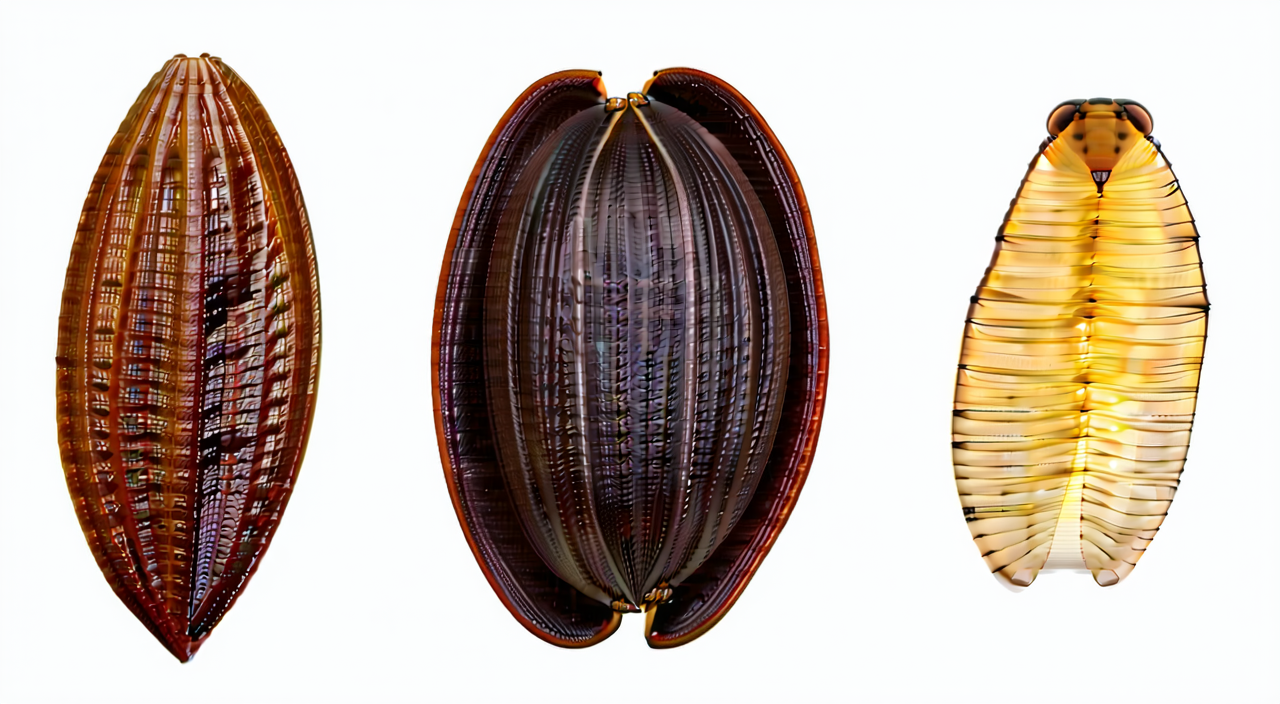
Oroxylum indicum and Sterculia lychnophora are both commonly used in traditional throat-soothing combinations, but they come from different sources and have different appearances. Oroxylum indicum is a mature plant seed, with its most distinctive features being a flattened, rounded central kernel and a broad white or yellowish-white membranous wing around it. Sterculia lychnophora is the dried mature seed of a plant in the Sterculiaceae family. It is generally oval or spindle-shaped and darker in color. When soaked in water, its outer layer absorbs water and swells, forming a noticeable gelatinous or fibrous mass.
Cicada slough is not a plant seed but the cast-off shell of an insect, so its origin, structure, and texture differ entirely from those of Oroxylum indicum. It usually retains a hollow insect-like form, with recognizable structures such as the head, thorax, abdomen, and legs. It is generally brittle and yellowish brown to dark brown. Oroxylum indicum has no insect limbs and does not form the hollow exoskeleton seen in cicada slough.
In simple terms, identify Oroxylum indicum by its seed wing and central kernel, Sterculia lychnophora by its seed shape and changes after soaking, and cicada slough by its insect-shell structure. The three should not be substituted for one another simply because they all appear in throat-related formulas or teas.
Which Herbal Formulas May Contain Oroxylum indicum?
In traditional formulas, Oroxylum indicum decoction is sometimes mentioned as one name that helps illustrate the herb’s combination principles. Related applications generally focus on the throat, voice, or patterns involving disharmony between the Lung and Stomach. Different medical texts, schools, and versions may vary in ingredients, dosages, and indications, so the formula name alone should not be used as a basis for preparing herbs independently.
Modified Qingyin Wan is another traditional combination that may be mentioned. The term “modified” means that a practitioner adjusts the ingredients according to the symptoms and the individual’s constitution; it does not mean that one fixed formula is suitable for everyone. For hoarseness or throat discomfort, deciding whether to use a related formula requires consideration of the duration, possible triggers, and any accompanying symptoms.
Formulas intended to clear the throat and benefit the diaphragm may also include Oroxylum indicum as part of a traditional approach to throat obstruction or discomfort associated with the Lung and Stomach. Decoctions, patent medicines, and single herbs cannot be treated as interchangeable. Before use, review the instructions for an officially produced product and consider personal constitution, current medications, and professional advice. Pregnant or breastfeeding individuals, children, older adults, and people with chronic illnesses should especially avoid trying complex combinations on their own.
What Precautions Should Be Taken When Using Oroxylum indicum?
First, people with a weak and cold digestive system, those who are prone to abdominal discomfort, or those who are particularly sensitive to herbs traditionally considered cooling should learn about the traditional use of Oroxylum indicum with caution. If abdominal pain, diarrhea, nausea, a rash, or other discomfort occurs after drinking it, stop use and consult a professional according to the circumstances. Constitutional assessment cannot be completed based on just one or two symptoms. When necessary, seek evaluation from a traditional Chinese medicine practitioner or physician.
Second, tea made with Oroxylum indicum should not be consumed in excessive amounts, and long-term drinking should not be treated as a replacement for ordinary water. Even herbal materials from a clearly identified source may cause discomfort because of individual differences, dosage, combinations, or storage problems. Children, pregnant or breastfeeding individuals, and people taking prescription medicines should consult a doctor or pharmacist before use.
Third, hoarseness that lasts for more than two weeks or keeps recurring should not be managed solely by observing the effects of a tea or formula containing Oroxylum indicum. If it is accompanied by marked anxiety, chest tightness, palpitations, breathing abnormalities, pain, difficulty swallowing, persistent fever, unexplained weight loss, or other unusual symptoms, consult a doctor promptly. Severe or sudden breathing or swallowing problems require urgent medical attention.
Finally, the source and storage of the herbal material are equally important. If Oroxylum indicum shows mold, insect damage, moisture exposure, a strong unusual odor, or unclear packaging information, continued use is not recommended. Overseas users should also check local rules governing the import, sale, and use of Chinese herbal materials.
Summary
Oroxylum indicum is a traditional Chinese medicinal material identified mainly by its mature seed and broad membranous wing. Its lightweight appearance makes it easy to confuse with Sterculia lychnophora and cicada slough. Traditional Chinese medicine commonly views it in terms of clearing the Lung, benefiting the throat, soothing the Liver, and harmonizing the Stomach. Oroxylum indicum decoction, modified Qingyin Wan, and throat-clearing formulas that benefit the diaphragm can help illustrate traditional combination approaches, but they should not be used to replace professional diagnosis or treatment. People with cold or weak digestion, individuals in special health situations, and anyone whose hoarseness lasts more than two weeks should take extra care. This article is for educational reference only and cannot replace professional medical advice or treatment.